Copp's Hill Burying Ground: Boston Historic Site
An Elevated Landmark in Boston's North End
Established in 1659 at the intersection of Hull and Snowhill Streets, Copp's Hill Burying Ground is the second-oldest cemetery on the Boston peninsula, predated only by King's Chapel Burying Ground. The cemetery takes its name from William Copp, a seventeenth-century settler and shoemaker whose land once adjoined the property. Originally known as the North Burying Ground, the site expanded over time across four separate parcels acquired between the seventeenth and nineteenth centuries, ultimately encompassing approximately two acres.
From its position on a high bluff overlooking Boston Harbor and the Charles River, the burying ground offers sweeping vistas across the water toward Charlestown. Approximately 10,000 individuals were laid to rest on this hillside before interments largely ended in the 1850s. Today, around 2,200 carved headstones remain standing amid the grass.
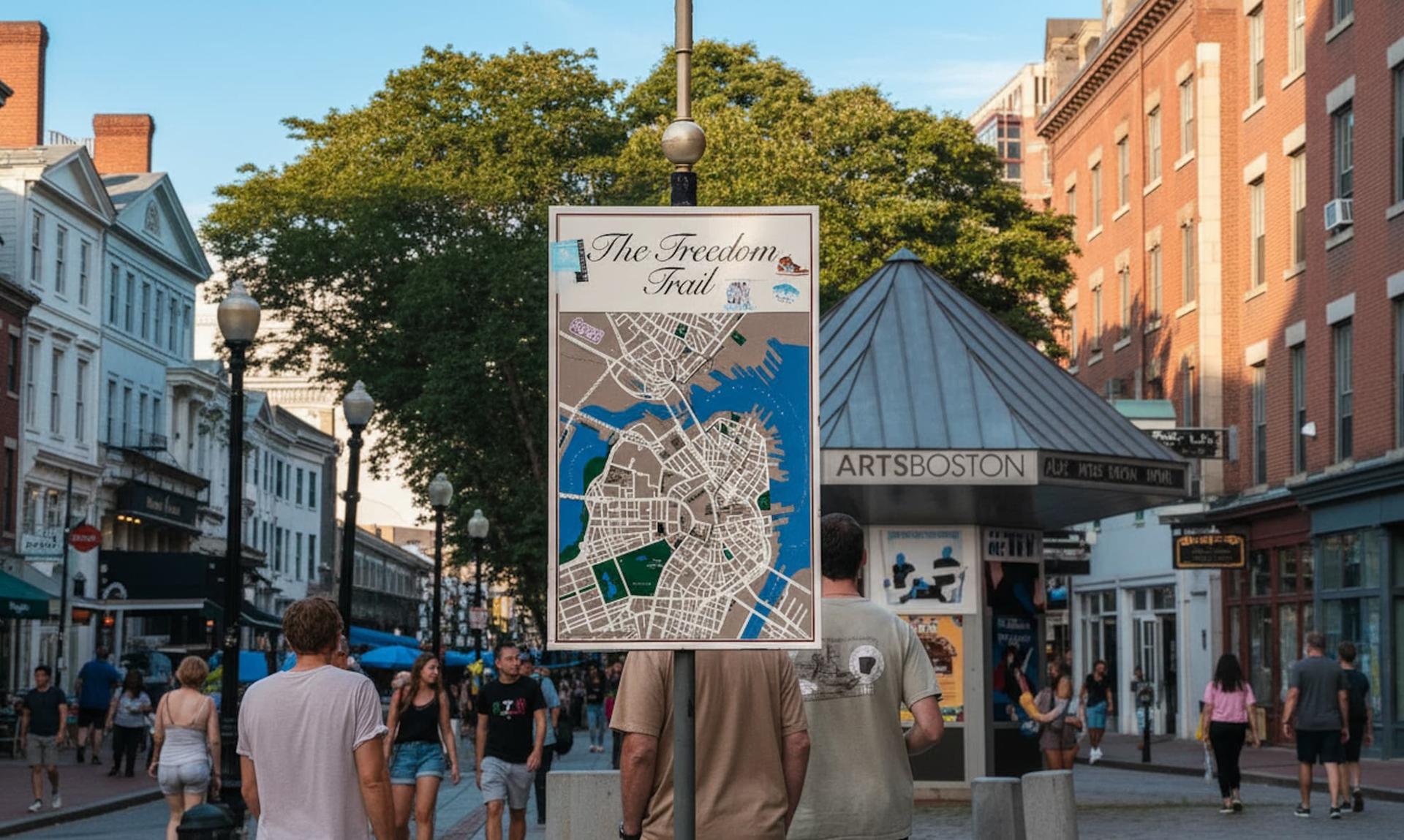
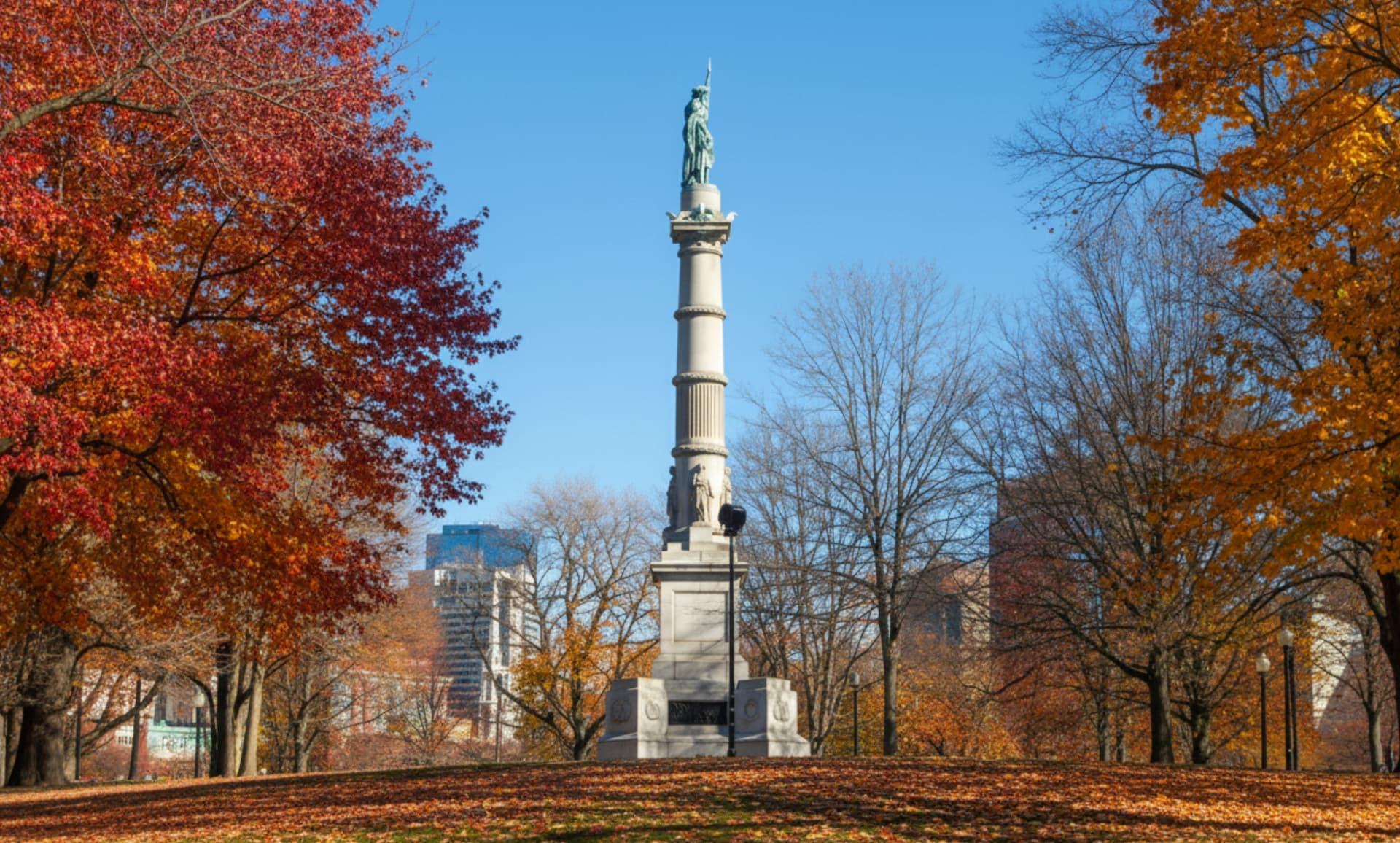
Boston Freedom Trail self guided walking tour with audio guide
2.5 hours17 stopsAudio guideStart any day, at your own paceTicket on your phone · 30-day refundA Community of Artisans, Mariners, and Abolitionists
While King's Chapel Burying Ground served Boston's early magistrates, governors, and colonial elite, Copp's Hill developed as the resting place for the working-class community of the North End. The grounds became the final home for mariners, shipwrights, craftspeople, artisans, and local merchants who powered Boston's maritime economy.
Copp's Hill also preserves important African American history. By the late eighteenth century, more than 1,000 free and enslaved Black Bostonians were interred here, predominantly in unmarked graves along the Charter Street perimeter. Many of these individuals resided in the adjacent North End neighborhood historically known as "New Guinea." Among the prominent figures buried on the grounds is Prince Hall, a Revolutionary War-era veteran, abolitionist, and founder of African American Prince Hall Freemasonry. While local tradition sometimes suggests that poet Phillis Wheatley is buried in an unmarked grave within this section, documentary proof confirming her exact burial location has never been established.
Other notable interments reflect key chapters of colonial and early American history. These include influential Puritan ministers Increase and Cotton Mather, Old North Church sexton Robert Newman—who displayed the signal lanterns in April 1775—and Edmund Hartt, the master shipwright whose nearby shipyard constructed the USS Constitution.
The Strategic Hilltop and Revolutionary Scars
Because of its commanding elevation over the Charles River, Copp's Hill served as a key military position during the American War of Independence. During the 1775 Siege of Boston, British forces occupied the hill, constructing an earthen redoubt and stationing an artillery battery on the summit. On June 17, 1775, British Generals Thomas Gage and John Burgoyne used the vantage point to observe the Battle of Bunker Hill while battery cannons on the hill shelled the town of Charlestown.
Physical evidence of the British occupation remains visible on the grounds. Captain Daniel Malcolm, a merchant and Sons of Liberty member who openly defied British customs enforcement and the Revenue Acts, died in 1769. Fearing potential retribution and the desecration of his grave, Malcolm's will specified that he be buried ten feet below ground—a request explicitly inscribed on his slate headstone. British troops stationed on the hill later targeted Malcolm's stone for musket practice, leaving clear bullet indentations and chipped surfaces that remain intact today.
New England Slate Carvings
The surviving markers at Copp's Hill showcase quintessential seventeenth- and eighteenth-century New England funerary artwork. Carved primarily from dark slate, the markers feature period mortuary iconography, including winged skulls, hourglasses, and soul effigies, reflecting early Puritan views on mortality and the afterlife.
Visiting Copp's Hill Burying Ground
Copp's Hill Burying Ground is an official stop along Boston's 2.5-mile Freedom Trail, serving as the final mainland burying ground on the route before it crosses toward the Charlestown Navy Yard and the Bunker Hill Monument. The grounds are situated near the historic Old North Church and directly across Hull Street from Boston's famous Skinny House.
Owned and maintained by the City of Boston Parks and Recreation Department under the Historic Burying Grounds Initiative, the cemetery operates as a self-guided outdoor historical site. It is open to the public daily free of charge from approximately 9:00 a.m. to 4:00 p.m.
FAQ
When was Copp's Hill Burying Ground established?
Copp's Hill Burying Ground was established in 1659, making it the second-oldest cemetery on the Boston peninsula after King's Chapel Burying Ground.
Why does Captain Daniel Malcolm's gravestone have bullet marks?
Captain Daniel Malcolm was a merchant and Sons of Liberty member who resisted British customs laws. During the 1775 occupation of Boston, British soldiers stationed on Copp's Hill deliberately used his gravestone for musket target practice.
Which notable historical figures are buried at Copp's Hill?
Notable burials include Puritan ministers Increase and Cotton Mather, Black abolitionist and Masonic founder Prince Hall, Old North Church sexton Robert Newman, USS Constitution builder Edmund Hartt, and merchant Captain Daniel Malcolm.
What role did Copp's Hill play in the Battle of Bunker Hill?
British troops converted the elevated hilltop into an artillery redoubt during the Siege of Boston. On June 17, 1775, British Generals Thomas Gage and John Burgoyne directed operations and observed the Battle of Bunker Hill from the site while British battery cannons fired across the river into Charlestown.
More places in Boston
boston, united-states
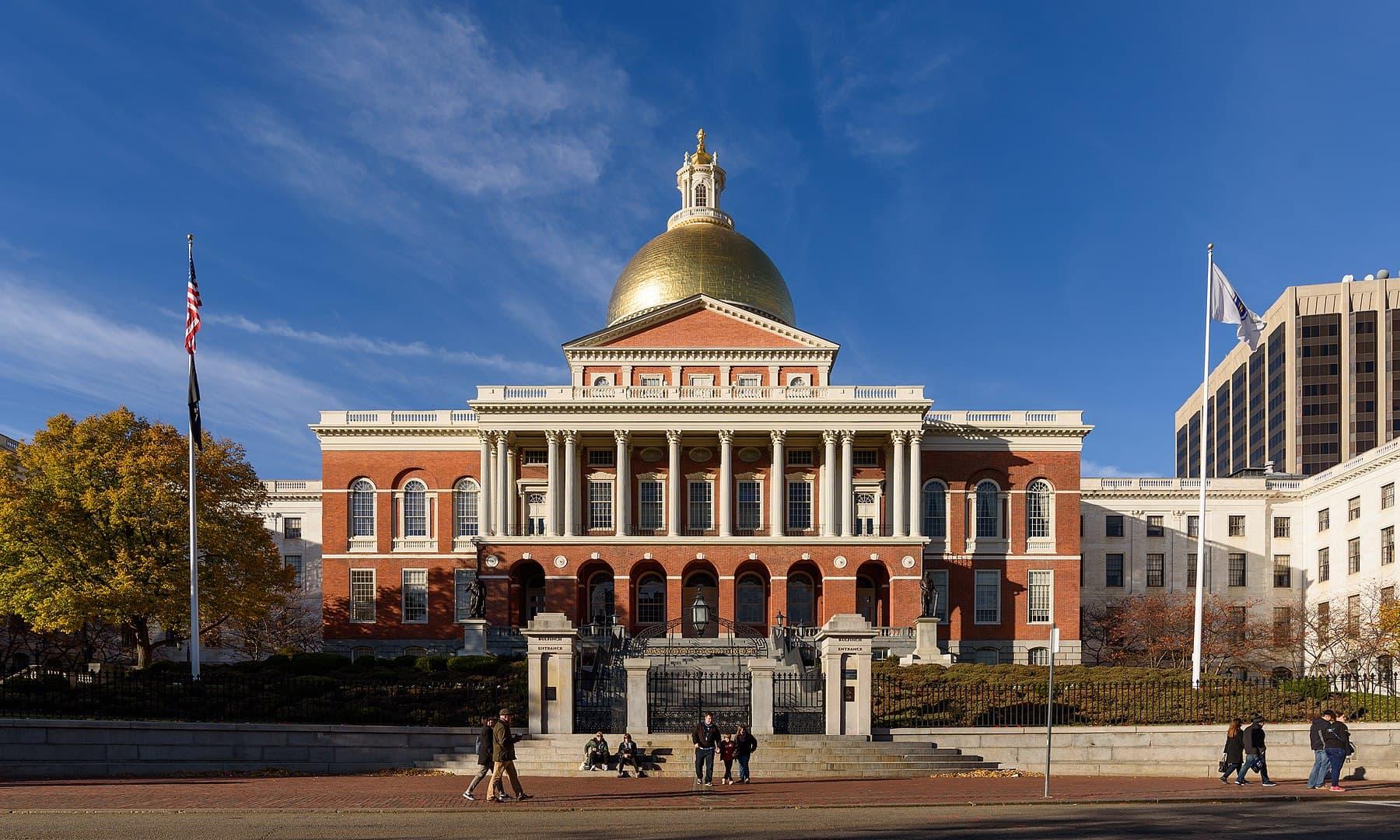
Massachusetts State House: the dome on Beacon Hill
Massachusetts State House: the dome on Beacon Hill
boston, united-states
Boston Common Visitor Center: where the trail begins
Boston Common Visitor Center: where the trail begins
boston, united-states
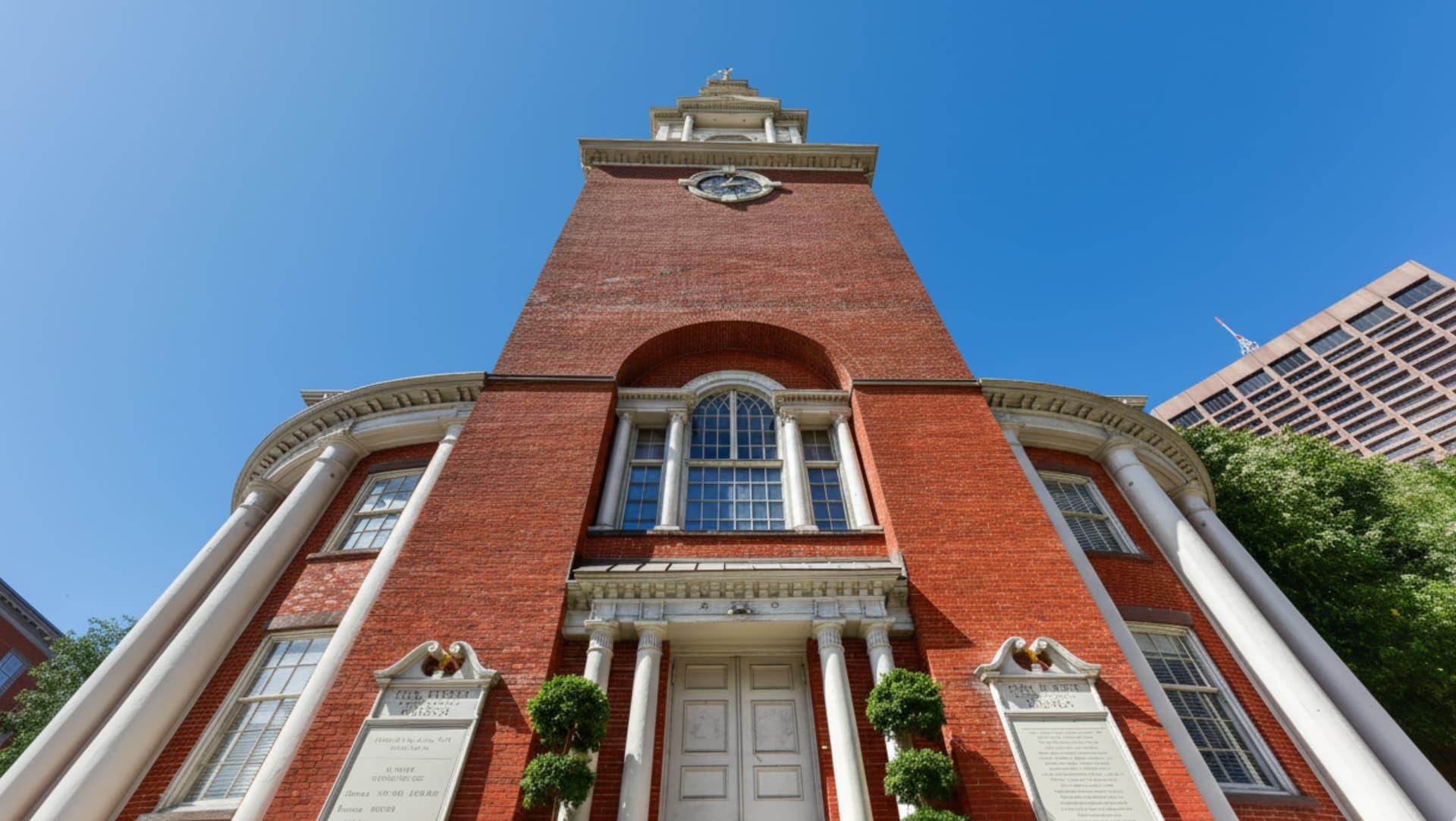
Park Street Church: the steeple on Brimstone Corner