Faneuil Hall: Boston's Historic Market and Hall
Origins and Architectural Transformation
Faneuil Hall opened in 1742 as a gift to the town of Boston, funded by merchant Peter Faneuil and designed by artist and architect John Smibert. Located in historic Dock Square, the building was erected on land reclaimed from 18th-century tidal flats at Bendall's Cove. It was conceived as a dual-purpose civic facility, combining open market stalls on the ground floor with an expansive town assembly room on the upper level.
After a fire gutted the interior in 1761, the hall was rebuilt inside its original brick walls and reopened in 1763. Between 1805 and 1806, renowned architect Charles Bulfinch led a major expansion that tripled the building's size. Bulfinch widened the footprint, added a third story, and shifted the cupola to the eastern end. Today, the building directly abuts the Quincy Market complex and is designated as a National Historic Landmark, an anchor site of Boston National Historical Park, and a primary stop on the Freedom Trail.
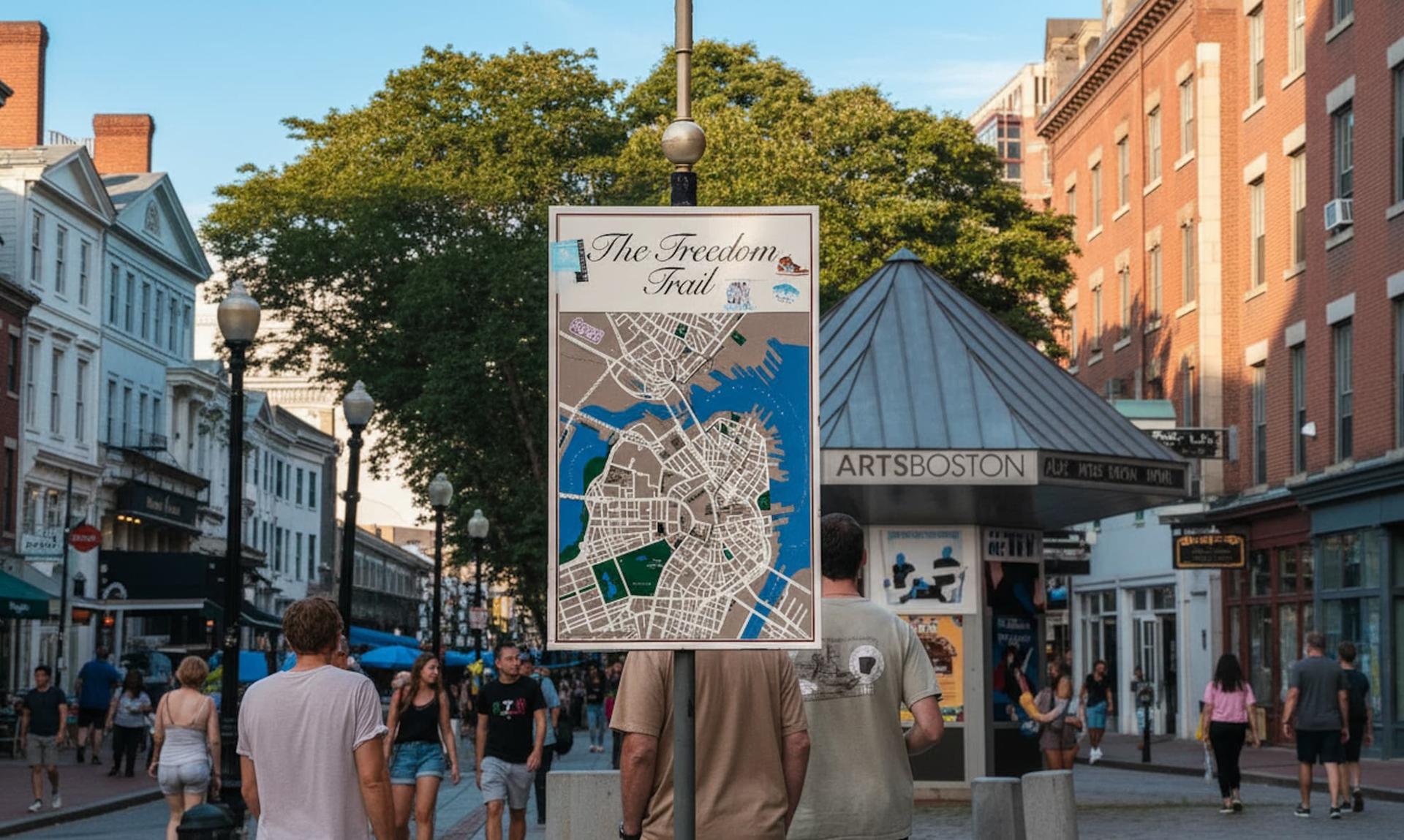
Boston Freedom Trail self guided walking tour with audio guide
2.5 hours17 stopsAudio guideStart any day, at your own paceTicket on your phone · 30-day refundThe Cradle of Liberty and Civic Assembly
During the decades preceding the American Revolution, Faneuil Hall served as the seat of Boston's direct town meeting government. Revolutionary leaders such as Samuel Adams and James Otis addressed packed gatherings in the assembly room to protest British policies, including the Stamp Act, the Townshend Acts, and taxes on tea. These impassioned debates earned the site its lasting moniker, the "Cradle of Liberty."
Following the adoption of Boston's city charter in 1822, municipal offices moved elsewhere, but the second-floor Great Hall persisted as a central stage for 19th- and 20th-century activism. Abolitionist leaders, including Frederick Douglass and William Lloyd Garrison, rallied audiences there to oppose slavery and protest the Fugitive Slave Law. Over the subsequent decades, the hall hosted organizing gatherings for women's suffrage, labor rights, and civil rights.
The Great Hall was engineered with high ceilings and surrounding Doric-columned galleries that reflect acoustic energy downward. This design allows unamplified speakers standing at the rostrum to project their voices clearly across an audience of hundreds.
The Benefactor and the Slave Trade
Despite its historic association with freedom and civil discourse, Faneuil Hall's origins are directly tied to the transatlantic slave trade. Peter Faneuil accumulated the fortune used to finance the hall through maritime merchant ventures rooted in chattel slavery. Historical documentation verifies that Faneuil personally owned enslaved people of African descent and financed commercial voyages dedicated to purchasing captive human beings in West Africa.
The Gilded Grasshopper Weathervane
Perched atop the cupola is a 38-pound, four-foot gilded copper grasshopper weathervane, crafted in 1742 by artisan Shem Drowne. It is the only exterior architectural feature that survives entirely unmodified from the original 1742 structure.
The hollow compartment within the grasshopper's belly also serves as a historic time capsule. In 1768, a note titled "Food for the Grasshopper" was placed inside the compartment. Conservators and city officials have maintained this tradition by depositing new coins and written records inside the weathervane during periodic repair and restoration work.
Modern Civic and Public Use
Owned by the City of Boston and operated in cooperation with the National Park Service, Faneuil Hall remains an active civic space. The ground level and basement accommodate retail and souvenir stalls alongside the primary Boston National Historical Park Visitor Center.
The second-floor Great Hall is open to the public, hosting National Park Service ranger talks, civic debates, educational lectures, and U.S. naturalization ceremonies. The third floor, in the building's attic, serves as the armory, headquarters, and military museum of the Ancient and Honorable Artillery Company of Massachusetts.
FAQ
Why is Faneuil Hall known as the Cradle of Liberty?
It earned the nickname because colonial leaders such as Samuel Adams and James Otis held meetings and delivered influential speeches there protesting British taxation and policies prior to the American Revolution.
Who designed and funded Faneuil Hall?
The hall was funded in 1742 by merchant Peter Faneuil and originally designed by John Smibert, with later substantial expansions designed by architect Charles Bulfinch in 1805–1806.
What is unique about the weathervane on Faneuil Hall?
Crafted in 1742 by Shem Drowne, the gilded copper grasshopper weathervane is the only exterior element that survives unchanged from the original building, and its hollow belly contains a time capsule that has been updated since 1768.
What is located on the top floor of Faneuil Hall?
The attic floor houses the headquarters, historic military museum, and armory of the Ancient and Honorable Artillery Company of Massachusetts.
More places in Boston
boston, united-states
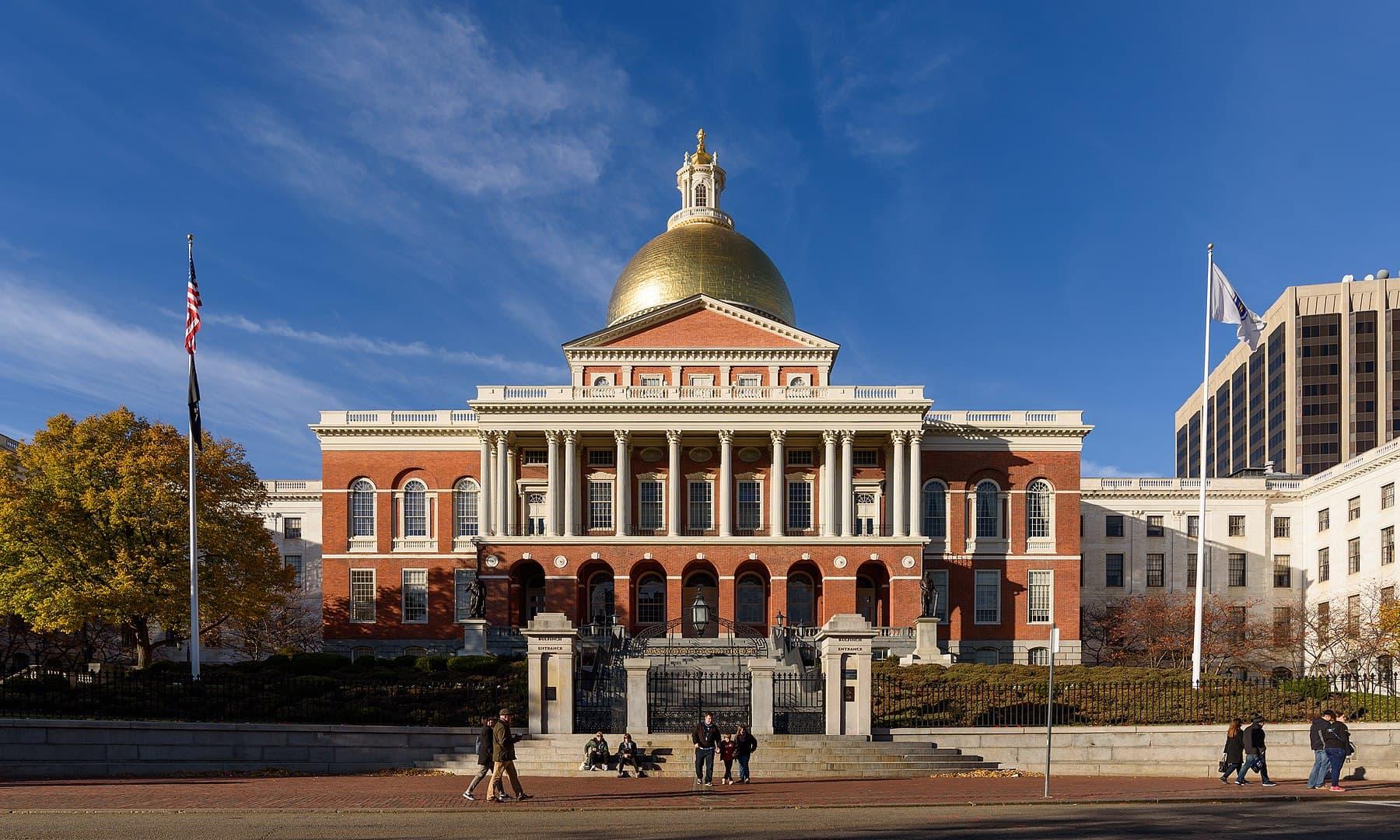
Massachusetts State House: the dome on Beacon Hill
Massachusetts State House: the dome on Beacon Hill
boston, united-states
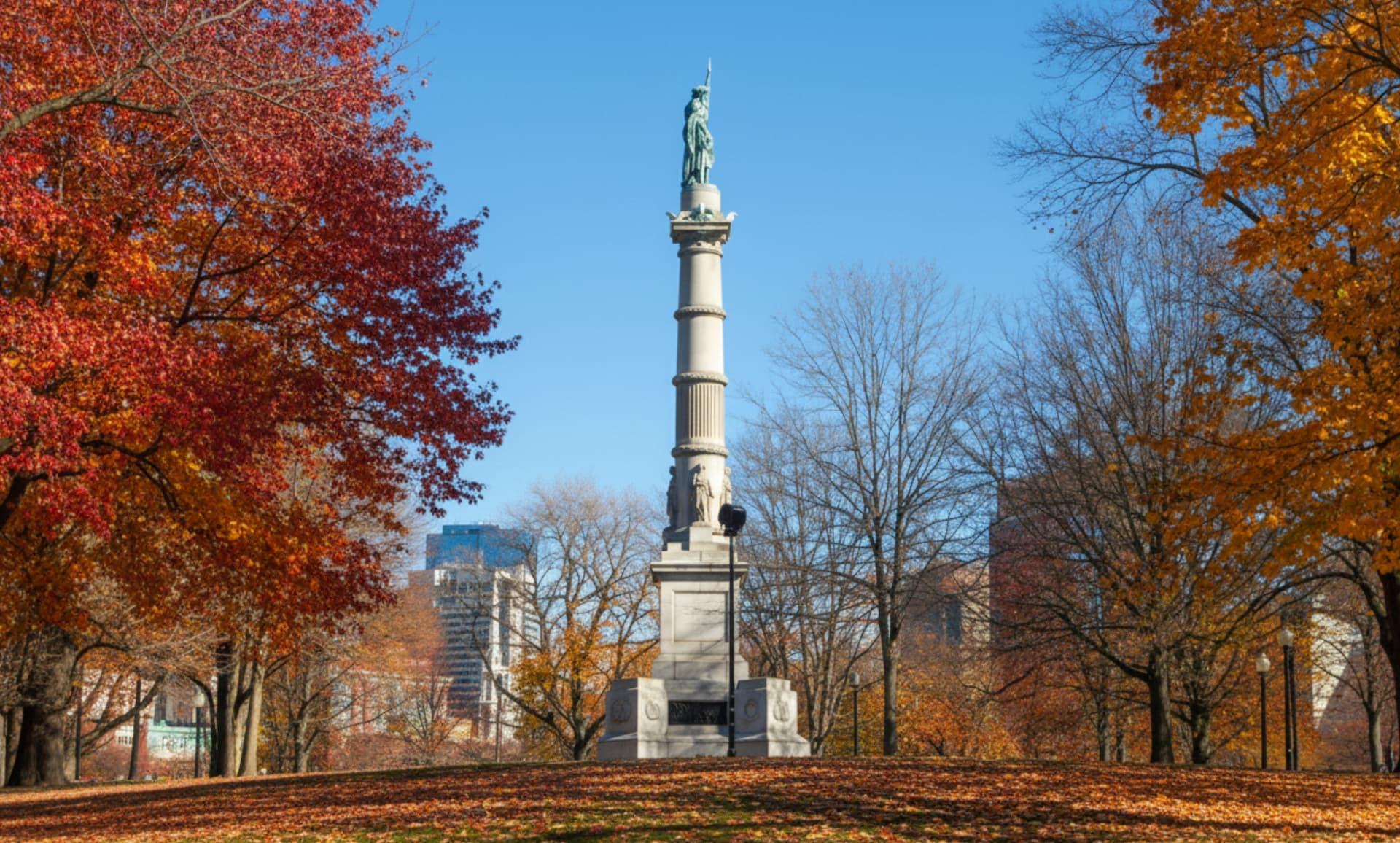
Boston Common Visitor Center: where the trail begins
Boston Common Visitor Center: where the trail begins
boston, united-states
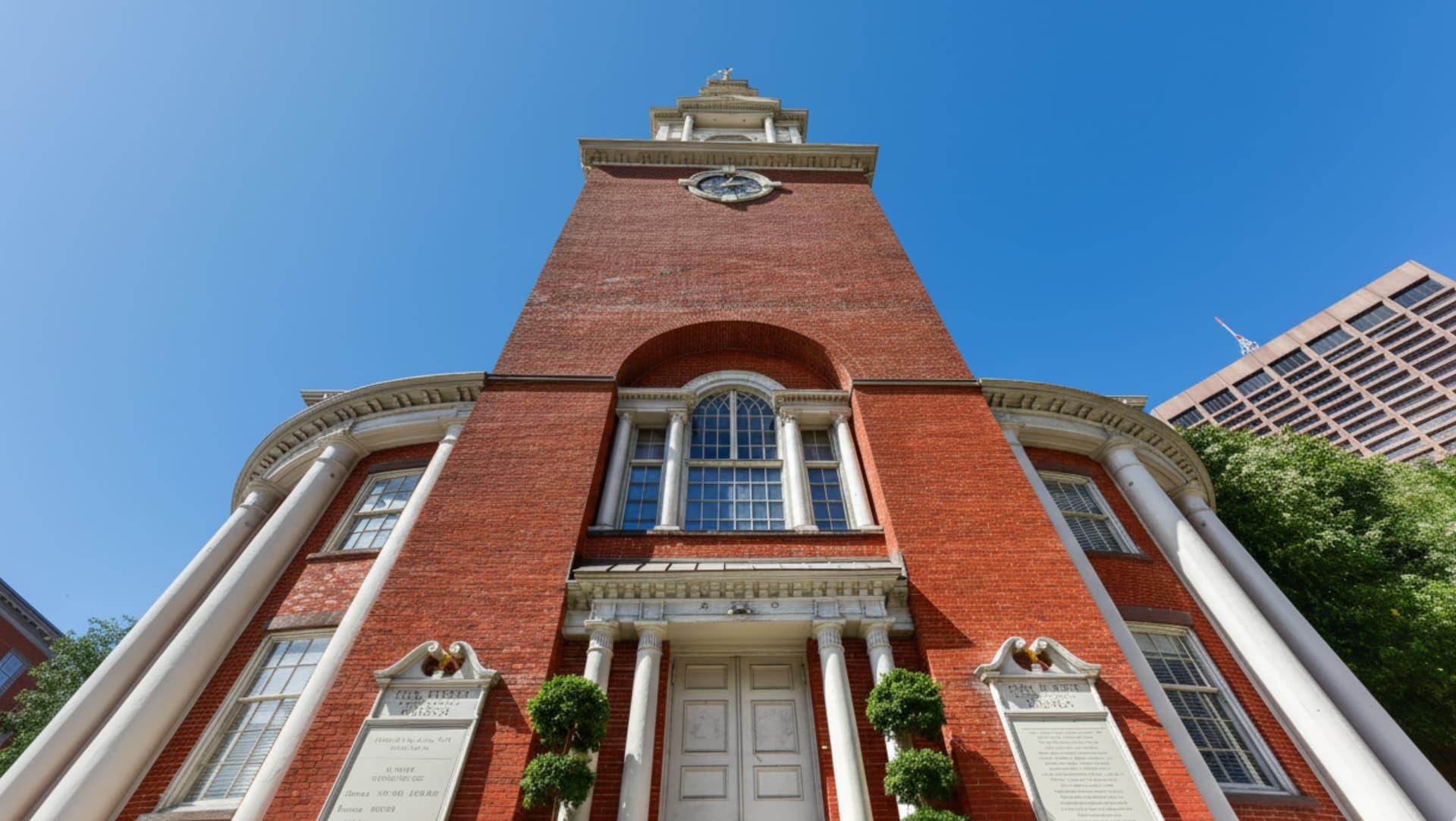
Park Street Church: the steeple on Brimstone Corner