Granary Burying Ground: Boston's Famous Graves
Origins on Tremont Street
Established in 1660 along Tremont Street, Granary Burying Ground is the third-oldest burial site in Boston Proper. Municipal leaders carved the parcel from the northeastern corner of Boston Common to alleviate severe overcrowding at King's Chapel Burying Ground, the town's original cemetery.
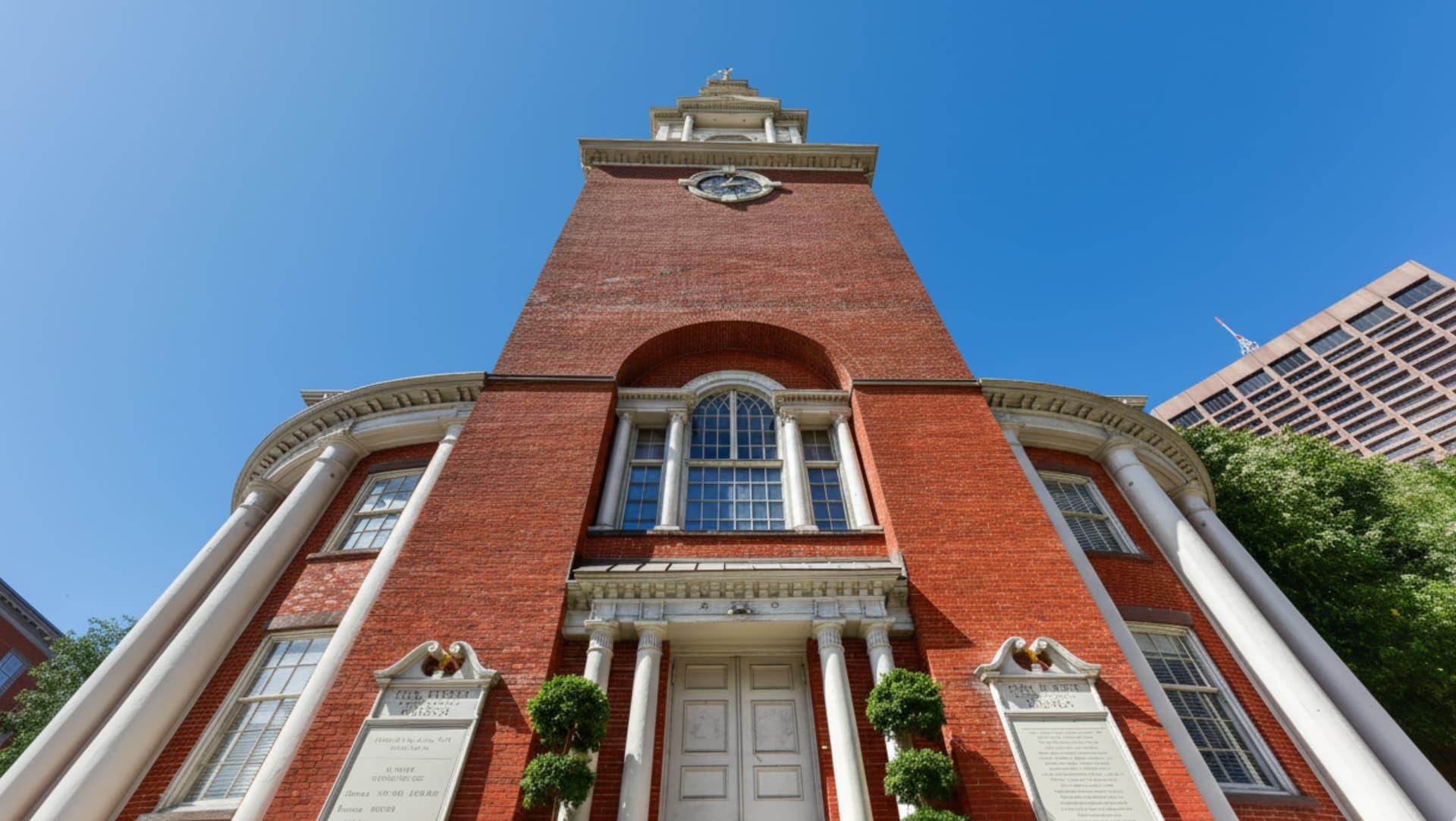
Initially referred to as the South, Common, or Middle Burying Ground, the site received its enduring name in 1737. The moniker commemorated an adjacent 12,000-bushel town grain storage building. That wooden storehouse stood beside the grounds until 1809, when it was demolished to make way for the construction of the Park Street Church.
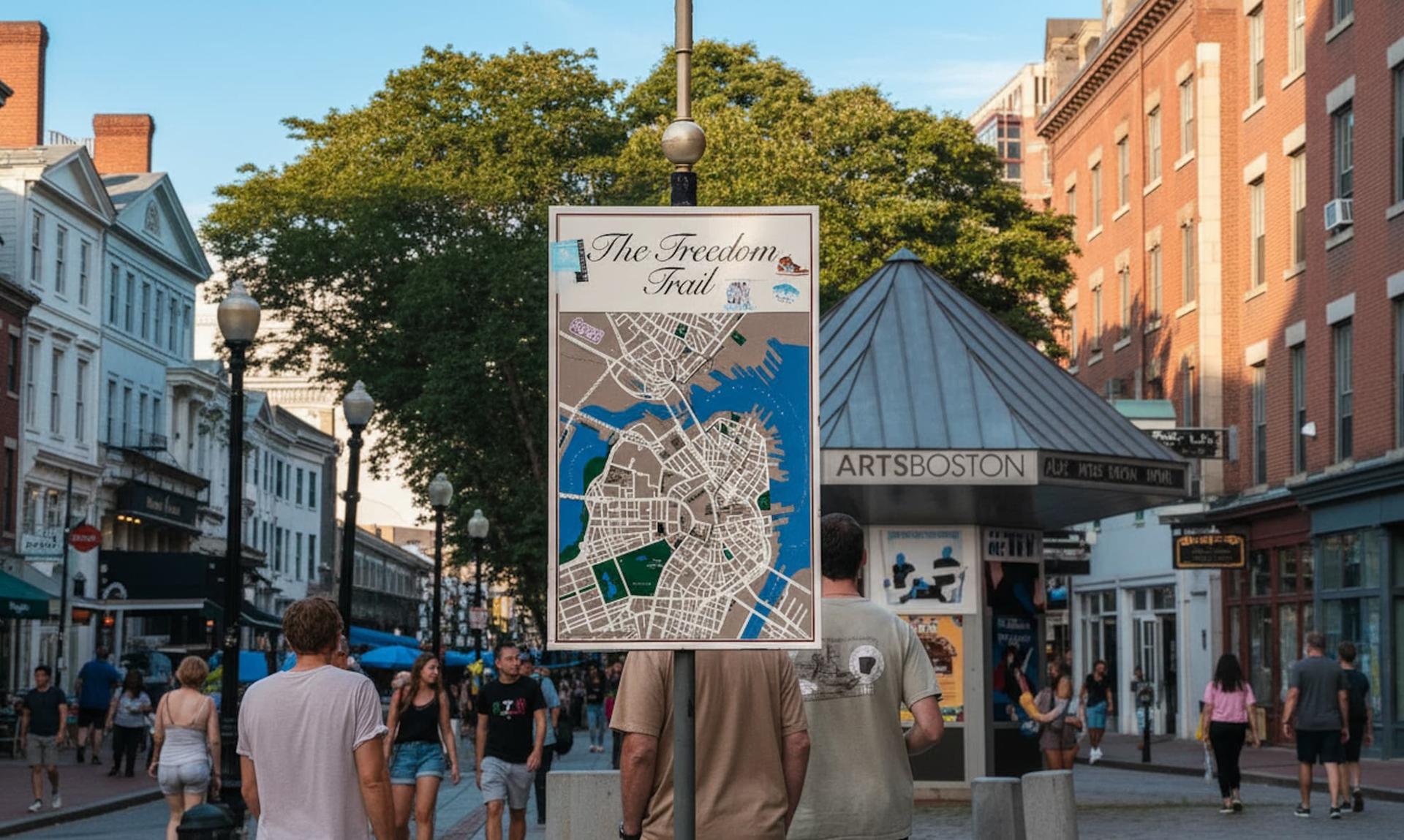
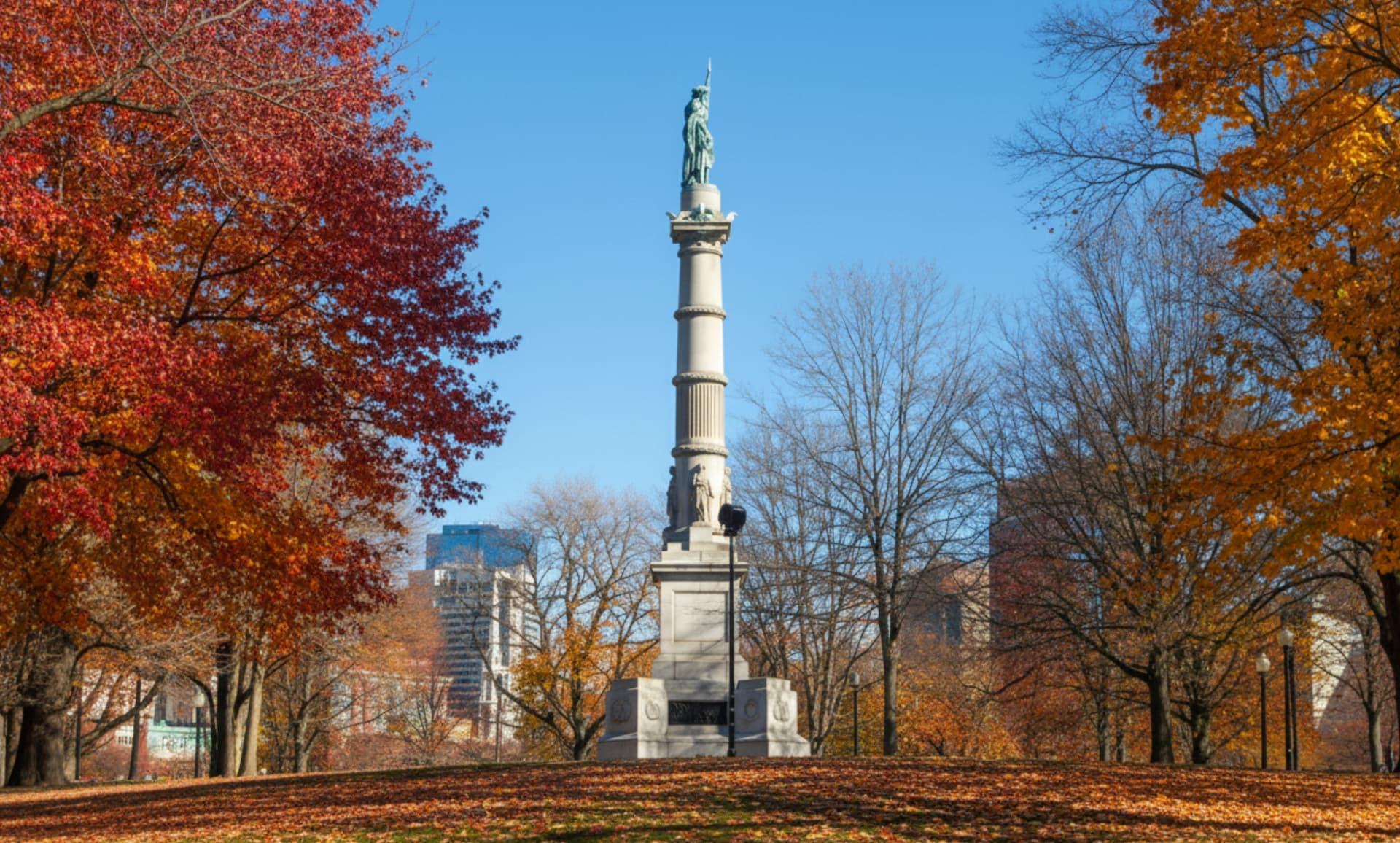
Boston Freedom Trail self guided walking tour with audio guide
2.5 hours17 stopsAudio guideStart any day, at your own paceTicket on your phone · 30-day refundNotable Graves of the American Revolution
Granary Burying Ground is widely recognized as the resting place of central figures who guided Massachusetts through the American Revolution. Among the interments are three signers of the Declaration of Independence: Samuel Adams, John Hancock, and Robert Treat Paine. The grounds also hold the grave of patriot silversmith Paul Revere.
Near the Tremont Street entrance stands a monument dedicated to the five victims of the 1770 Boston Massacre, including Crispus Attucks and Christopher Seider. Other prominent colonial leaders interred within the perimeter include Massachusetts Bay Colony Governor John Endecott, merchant Peter Faneuil, Salem Witch Trials judge Samuel Sewall, and nine Massachusetts governors. Near the center of the cemetery, a 25-foot granite obelisk marks the burial site of Benjamin Franklin's parents, Josiah and Abiah Franklin.
The Victorian Reorganization
Visitors often observe that the gravestones stand in neat, parallel rows, yet almost none of these markers sit directly above the remains of the deceased. In 1830 and 1840, Boston officials modernized the colonial graveyard into an ornamental Victorian civic park. During this process, caretakers shifted the scattered gravestones into orderly lines to create visual symmetry and allow newly invented mechanical lawnmowers to maneuver across the grounds.
While approximately 2,345 stone markers remain visible above ground, historians estimate that between 5,000 and 8,000 individuals were buried here over the centuries. As part of this mid-19th-century landscaping program, the city added formal walking paths, shade trees, and an Egyptian Revival gateway designed by architect Isaiah Rogers.
Crypts, Myths, and Subterranean Discoveries
Beyond its famous statesmen, the burial ground holds several unique structural features and folklore traditions. Close to the Franklin family obelisk is Tomb 203, historically designated as the Infant's Tomb. This collective underground vault holds the remains of an estimated 400 to 500 colonial-era children, reflecting the severe childhood mortality rates of the period.
Another widely recognized marker belongs to Mary Goose, who died in 1690. Visitors frequently place coins on her headstone in response to a persistent 19th-century urban legend claiming she composed the Mother Goose nursery rhymes, though historians recognize the tale as an unsubstantiated local myth.
The ground has also yielded unexpected architectural discoveries. In 2009, an unmapped 18th-century brick burial crypt was uncovered when a visitor stepped on an unstable slate slab off the formal pathway and dropped through the roof into the chamber, escaping without injury.
Access and Preservation
Positioned on Tremont Street between Boston Common and King's Chapel, Granary Burying Ground serves as a key landmark along Boston's pedestrian Freedom Trail. The site is owned by the City of Boston and cared for by the Parks and Recreation Department under the Historic Burying Grounds Initiative. The grounds welcome more than one million visitors annually and remain open to the public daily with free admission.
FAQ
Who are the most famous people buried in Granary Burying Ground?
Notable interments include Declaration of Independence signers Samuel Adams, John Hancock, and Robert Treat Paine; silversmith Paul Revere; merchant Peter Faneuil; colonial governor John Endecott; Chief Justice Samuel Sewall; and victims of the Boston Massacre, including Crispus Attucks.
Why do the gravestones not match the graves below?
During mid-19th-century Victorian landscaping, cemetery workers rearranged the gravestones into neat, orderly rows to improve symmetry and accommodate newly invented mechanical lawnmowers.
Is Benjamin Franklin buried in Granary Burying Ground?
No. Benjamin Franklin is buried in Philadelphia, but a 25-foot granite obelisk in the center of Granary Burying Ground marks the graves of his parents, Josiah and Abiah Franklin.
Is the real Mother Goose buried at Granary Burying Ground?
While visitors often leave coins on the grave of Mary Goose, historians consider her connection to the Mother Goose nursery rhymes to be an unfounded 19th-century local legend.
More places in Boston
boston, united-states
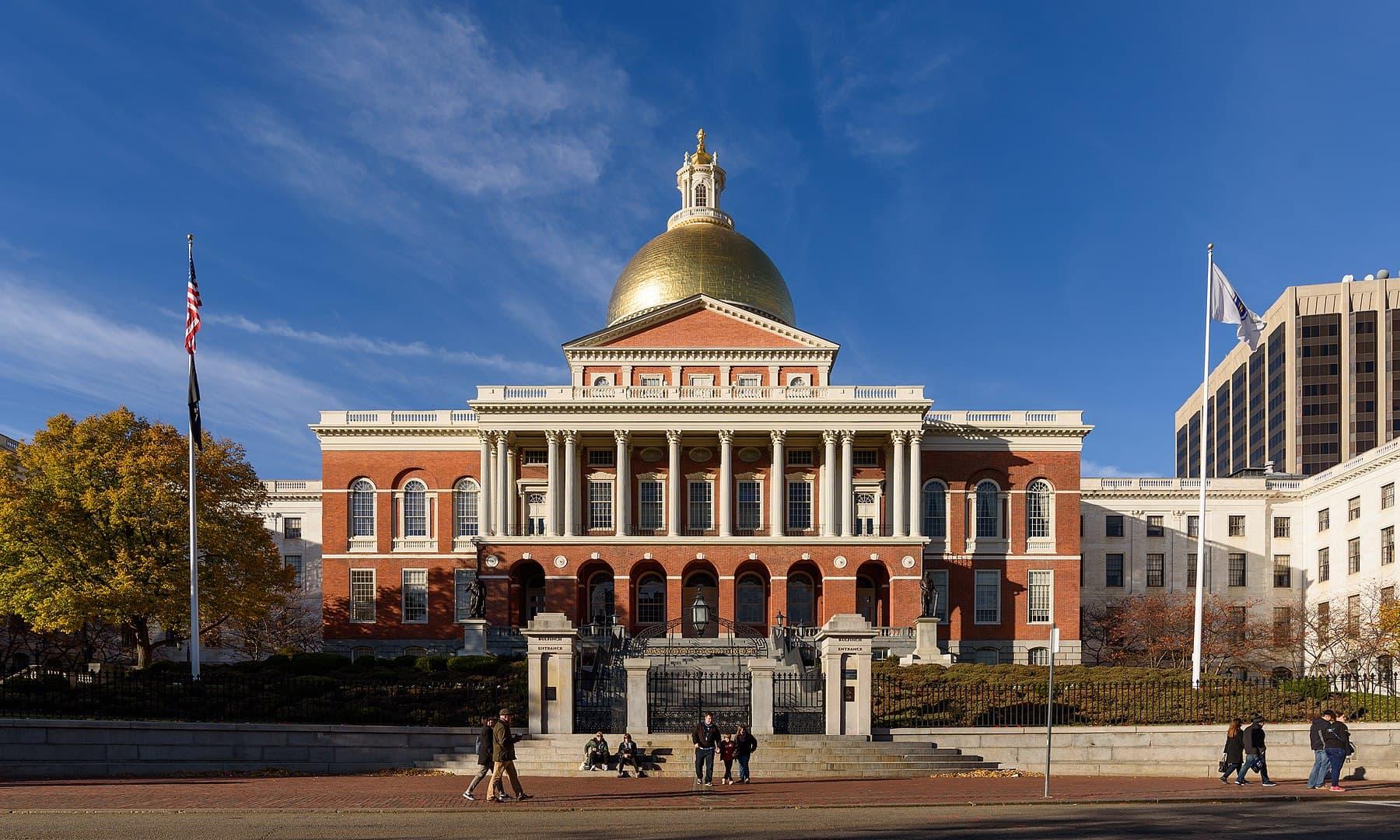
Massachusetts State House: the dome on Beacon Hill
Massachusetts State House: the dome on Beacon Hill
boston, united-states
Boston Common Visitor Center: where the trail begins
Boston Common Visitor Center: where the trail begins
boston, united-states
Park Street Church: the steeple on Brimstone Corner