King's Chapel Boston: History, Architecture & Revere Bell
A Royal Foothold on Seized Ground
King’s Chapel stands at 58 Tremont Street, at the corner of School Street in downtown Boston. Established in 1686 as New England’s first Anglican church, the congregation initially faced intense opposition from local Puritan authorities who banned Anglican worship and refused to sell land for the construction of a royal church. In 1688, Royal Governor Sir Edmund Andros broke the deadlock by seizing a section of Boston's municipal burying ground to build a modest wooden house of worship.
Now recognized as an official site on the Freedom Trail and designated a National Historic Landmark in 1960, the chapel sits immediately adjacent to King’s Chapel Burying Ground, the city's oldest English cemetery dating back to 1630.
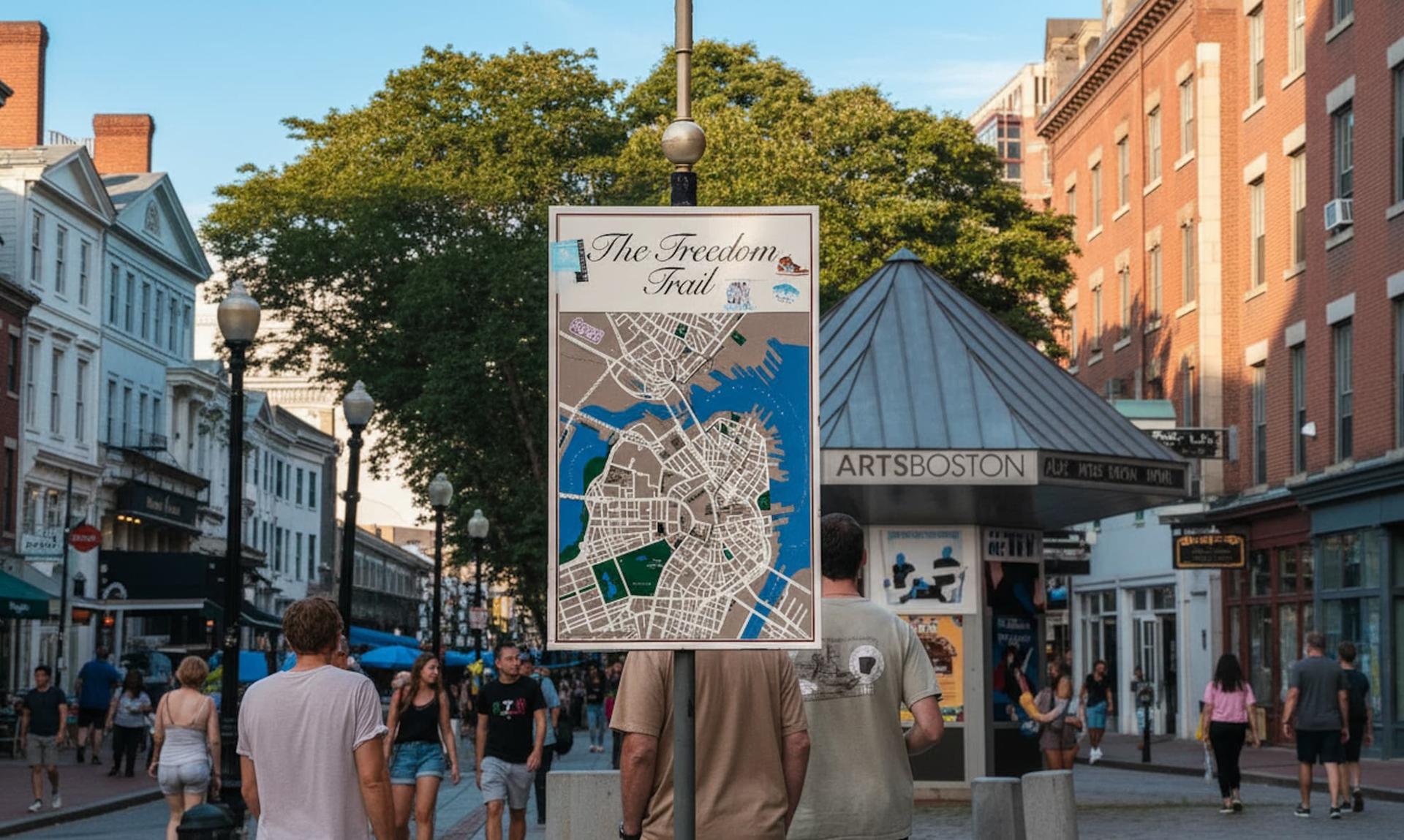
Boston Freedom Trail self guided walking tour with audio guide
2.5 hours17 stopsAudio guideStart any day, at your own paceTicket on your phone · 30-day refundBuilding a Granite Fortress Around a Wooden Chapel
By the mid-18th century, the growing congregation required a larger, more imposing structure. Renowned colonial architect Peter Harrison designed the present Georgian building, which commenced construction in 1749 and reached completion in 1754 using heavy Quincy granite.
To ensure worship continued uninterrupted throughout the process, stonemasons erected the massive granite exterior completely around the existing wooden chapel. Once the stone envelope was secure, laborers dismantled the wooden interior timber by timber, hoisting the material out through the newly set window frames. Harrison’s original plans included an elaborate classical spire atop the tower, but financial constraints halted construction, leaving the square stone tower flat-topped for more than 270 years.
Revolution and Theological Transition
During the escalating political turmoil leading to the American Revolution, King’s Chapel functioned as a Loyalist stronghold. When British troops evacuated Boston in March 1776, the royalist rector and a large portion of the congregation fled to Nova Scotia and England, causing the chapel to shutter until local patriots stepped in to reclaim it.
In 1785, the remaining members reorganized under the leadership of James Freeman. The chapel altered its liturgy to become the first Unitarian congregation in the United States, adopting an amended adaptation of the Book of Common Prayer. Inside, the sanctuary preserves the oldest Christian pulpit in continuous use in the country, dating to 1717.
Architectural Illusions and George Washington
King’s Chapel pairs severe stone masonry with classical detailing, though not all of its exterior is stone. The Ionic columns that form the front portico are hollow wooden structures, carefully painted and treated to resemble solid granite. This portico was funded in part by a personal five-pound pledge from George Washington in 1789.
Washington’s connection to the building also extends inside to Pew No. 30. Originally built as an elevated box pew reserved for the Royal Governor of Massachusetts, the enclosure hosted Washington when he attended a concert at the chapel in the autumn of 1789.
Paul Revere’s Sweetest Bell
Suspended in the belfry is a 2,437-pound bell with deep ties to American manufacturing history. After the chapel’s original 1772 English bell cracked in 1814, patriot and silversmith Paul Revere recast it in 1816.
The instrument was the largest bell produced by the Revere foundry, the final casting completed during Revere's lifetime, and the bell that tolled for his own funeral service in 1818. Revere considered it the sweetest-toned bell his foundry ever produced. Today, the historic bell continues to be rung by hand, resonating down Tremont Street before services.
Current Use and Public Access
King’s Chapel remains an active, independent church affiliated with the Unitarian Universalist Association. Worship services, including Sunday Morning Prayer and mid-week gatherings, continue to draw from the church's unique prayer book tradition.
The sanctuary operates Monday through Saturday for paid self-guided historical visits. In addition to regular open hours, the chapel runs a weekly Tuesday noon concert series and offers ticketed "Bells and Bones" guided tours that take visitors into the 18th-century basement crypt and up inside the historic bell tower.
FAQ
Why does King's Chapel have a flat-topped tower instead of a steeple?
Architect Peter Harrison's original Georgian design included a classical spire, but the congregation exhausted its building funds before the steeple could be added, leaving the granite tower flat-topped.
How did King's Chapel become the first Unitarian church in America?
Following the British evacuation of Boston in 1776, many Loyalist members fled. In 1785, the remaining congregation reorganized under minister James Freeman and adopted an amended Anglican liturgy that removed references to the Trinity, establishing the country's first Unitarian congregation.
What is the history behind the bell at King's Chapel?
The chapel's bell was recast in 1816 by Paul Revere after the original English bell cracked. Weighing 2,437 pounds, it was the largest bell cast by Revere's foundry, the last one made during his lifetime, and the bell that tolled at Revere's funeral in 1818.
Are the exterior columns of King's Chapel made of stone?
No. While the chapel's load-bearing walls are built of Quincy granite, the front Ionic portico columns are hollow wooden structures painted to look like stone, funded in part by a donation from George Washington in 1789.
More places in Boston
boston, united-states
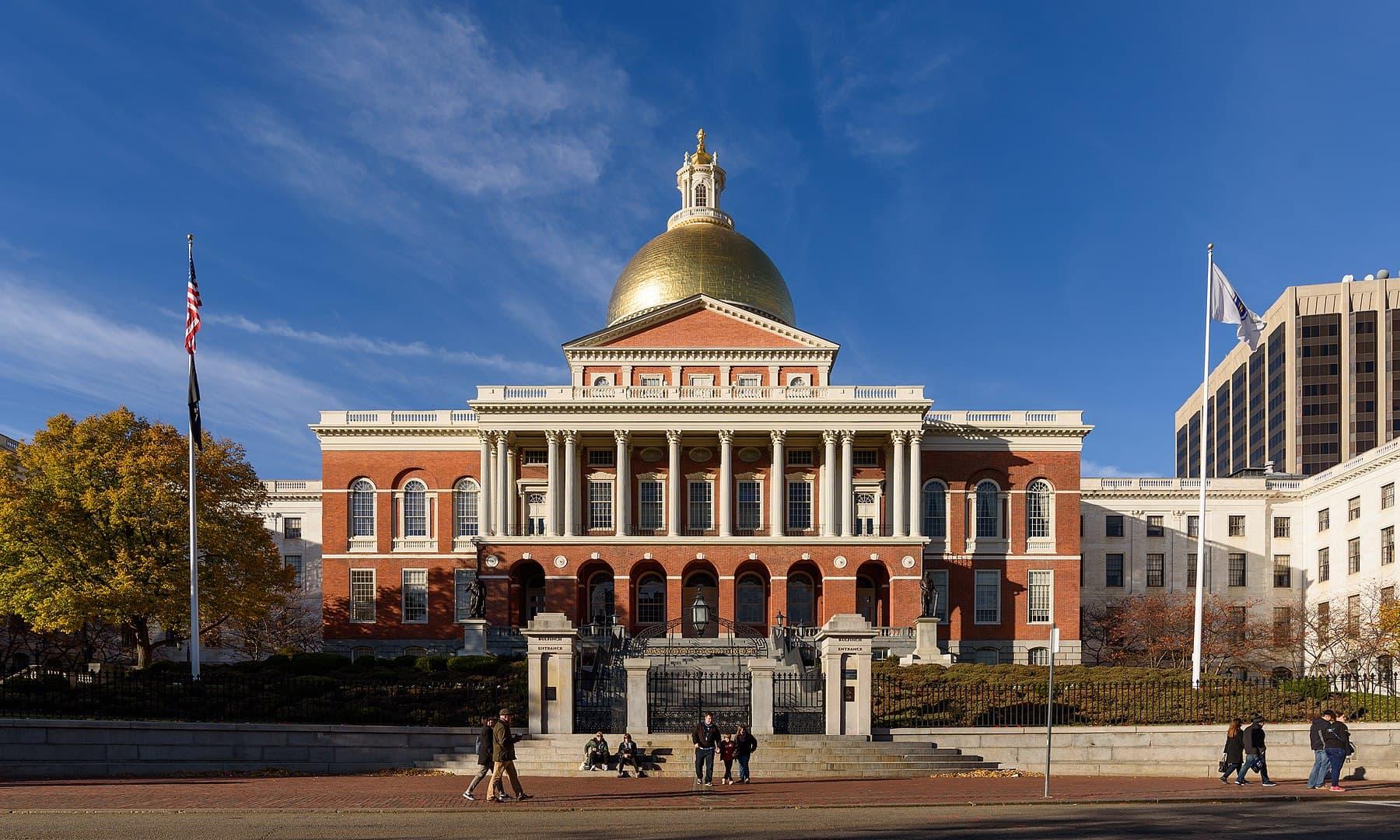
Massachusetts State House: the dome on Beacon Hill
Massachusetts State House: the dome on Beacon Hill
boston, united-states
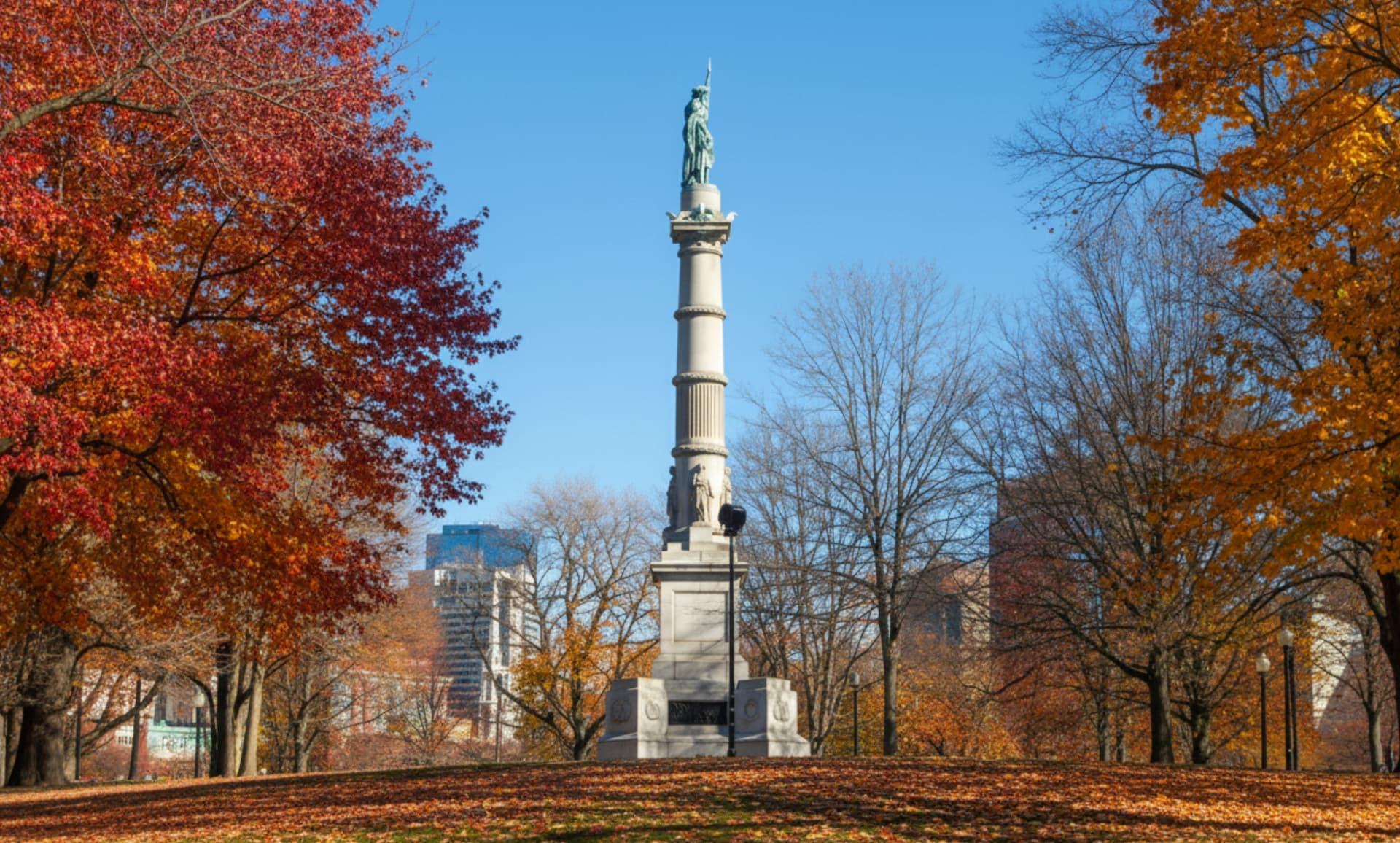
Boston Common Visitor Center: where the trail begins
Boston Common Visitor Center: where the trail begins
boston, united-states
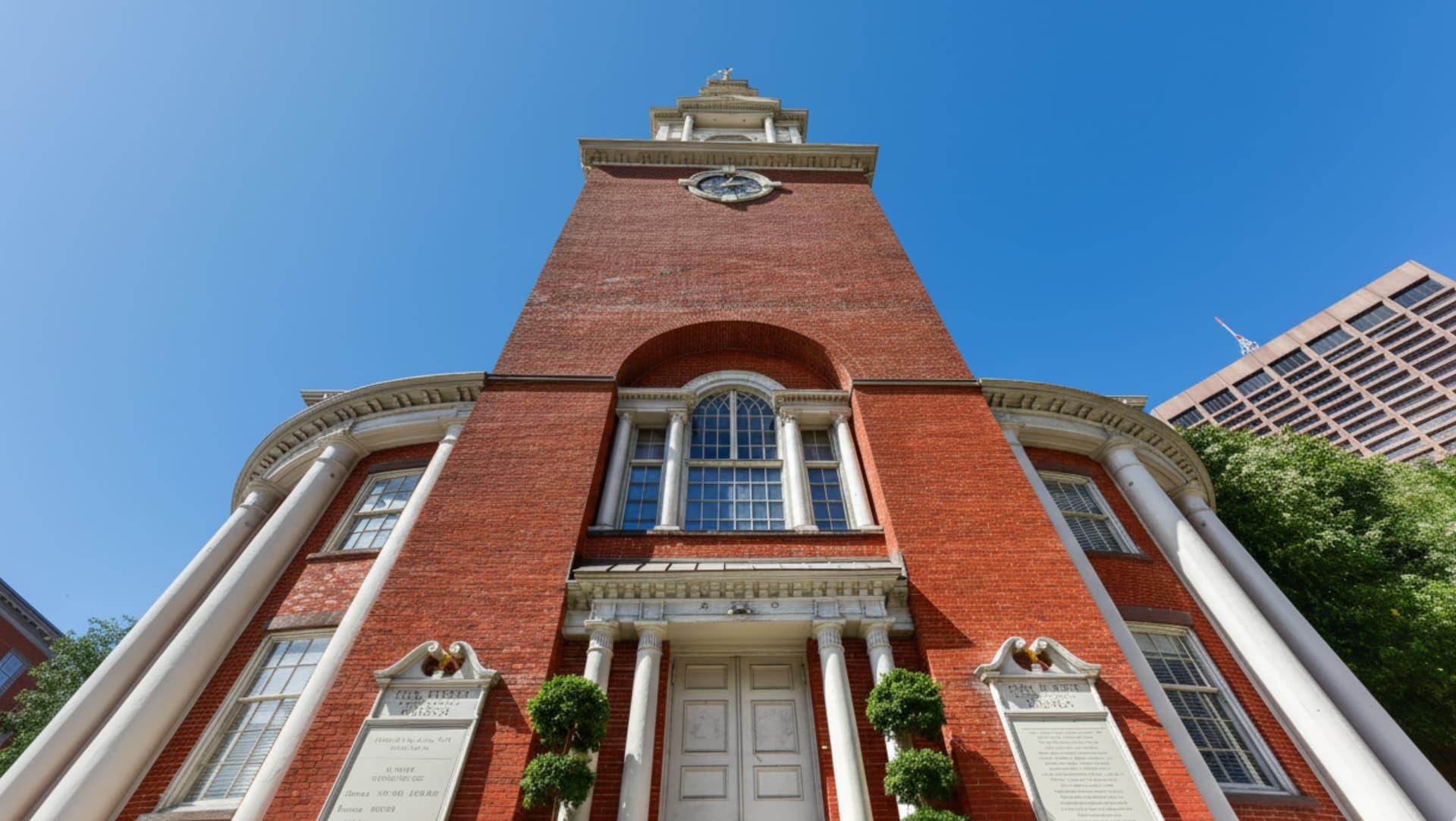
Park Street Church: the steeple on Brimstone Corner