Old Corner Bookstore: Boston's Historic Literary Hub
Boston's Oldest Commercial Landmark
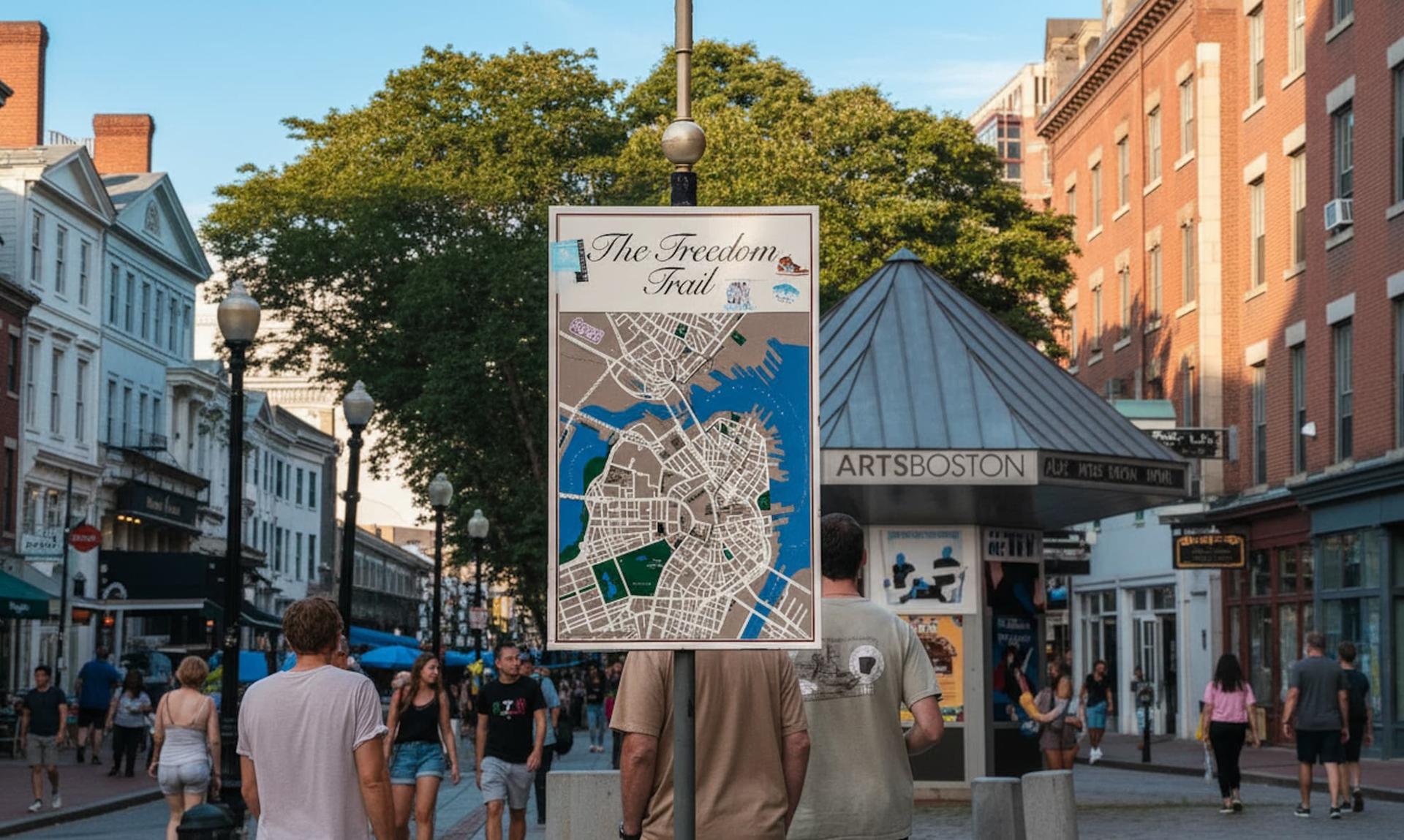
Standing at 283 Washington Street at the corner of School and Washington Streets, the Old Corner Bookstore is the oldest surviving commercial building in Downtown Boston. Positioned on the Freedom Trail between Old City Hall and the Old South Meeting House, the two-and-a-half-story red brick structure features a traditional 18th-century English gambrel roof. In addition to its place on the Freedom Trail, the building is designated on the Boston Women's Heritage Trail and the Literary Trail, and was listed on the National Register of Historic Places in 1973.
Boston Freedom Trail self guided walking tour with audio guide
2.5 hours17 stopsAudio guideStart any day, at your own paceTicket on your phone · 30-day refundFrom Puritan Dissent to Apothecary
Long before the current brick building was constructed, the plot of land was the 1630s homesite of religious reformer Anne Hutchinson. In 1638, Puritan authorities banished Hutchinson from the Massachusetts Bay Colony for heresy. Her original wooden house stood on the corner until October 1711, when it was destroyed in the Great Boston Fire.
In 1718, Dr. Thomas Crease purchased the lot and constructed a new brick building to serve as his residence and apothecary. For over a century, between 1718 and 1828, the ground floor functioned as an apothecary shop, with living quarters occupying the upper floors.
The Cradle of the American Renaissance
The site shifted into the book trade in 1828 when Timothy Harrington Carter leased the property. Between 1832 and 1865, the building reached its historical zenith under William Ticknor and James T. Fields of the publishing firm Ticknor and Fields. During these decades, the shop became the intellectual and social center of the American Renaissance.
Ticknor and Fields published some of the nation's most defining literary works from this location, including Nathaniel Hawthorne's The Scarlet Letter, Henry David Thoreau's Walden, Julia Ward Howe's Battle Hymn of the Republic, and poetry by Henry Wadsworth Longfellow. The firm also printed the Atlantic Monthly and produced the first American editions of Charles Dickens's novels. The bookstore hosted regular gatherings of the Saturday Club, drawing luminaries such as Ralph Waldo Emerson, Oliver Wendell Holmes Sr., Louisa May Alcott, and Harriet Beecher Stowe to critique drafts and debate ideas.
Preservation and Modern Commercial Use
In 1960, the historic structure faced demolition to clear space for a proposed parking garage. In response, a coalition of citizens established the non-profit Historic Boston Incorporated (HBI), successfully raising funds to purchase and restore the building. This campaign established a crucial precedent for mid-20th-century urban preservation in Boston.
Unlike many other Freedom Trail stops that operate as dedicated museum galleries or church interiors, the Old Corner Bookstore continues its original 1718 function as an active commercial storefront. HBI maintains ownership of the property and leases the ground floor to a commercial restaurant, Chipotle Mexican Grill. The rental revenue generated from the tenant is used by HBI to fund historic preservation and restoration initiatives throughout Boston's neighborhoods.
FAQ
Can visitors tour the inside of the Old Corner Bookstore?
The building does not function as an interior museum. The ground floor operates as an active fast-casual restaurant (Chipotle Mexican Grill), though the exterior brick facade and commemorative plaques can be viewed from the street.
What significant works were published at the Old Corner Bookstore?
Under the publishing house Ticknor and Fields between 1832 and 1865, the shop published Nathaniel Hawthorne's The Scarlet Letter, Henry David Thoreau's Walden, Julia Ward Howe's Battle Hymn of the Republic, Longfellow's poetry, and the Atlantic Monthly.
Why was the Old Corner Bookstore built out of brick in 1718?
The brick building was constructed by Dr. Thomas Crease after the original wooden residence on the plot—previously home to 17th-century reformer Anne Hutchinson—burned down in the Great Boston Fire of 1711.
More places in Boston
boston, united-states
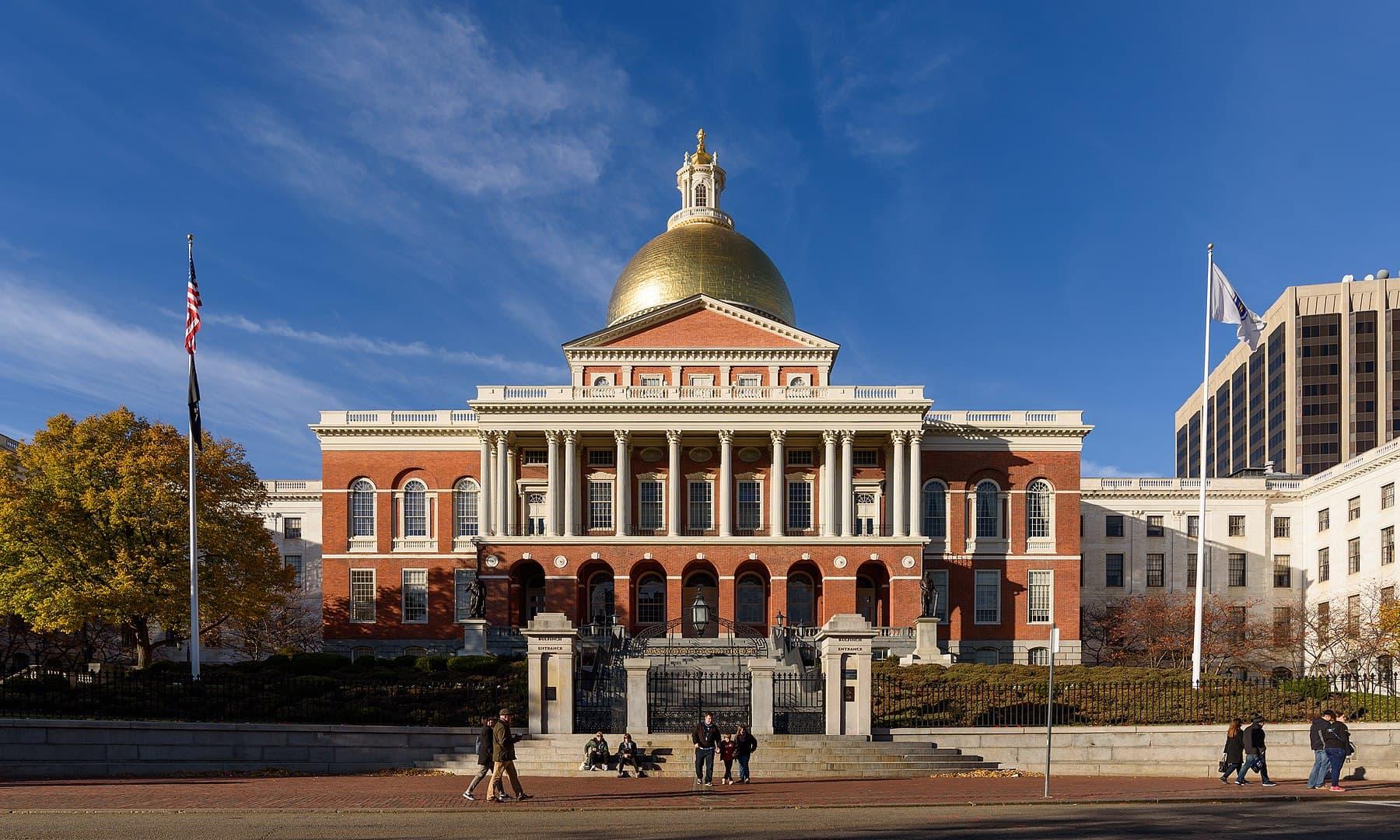
Massachusetts State House: the dome on Beacon Hill
Massachusetts State House: the dome on Beacon Hill
boston, united-states
Boston Common Visitor Center: where the trail begins
Boston Common Visitor Center: where the trail begins
boston, united-states
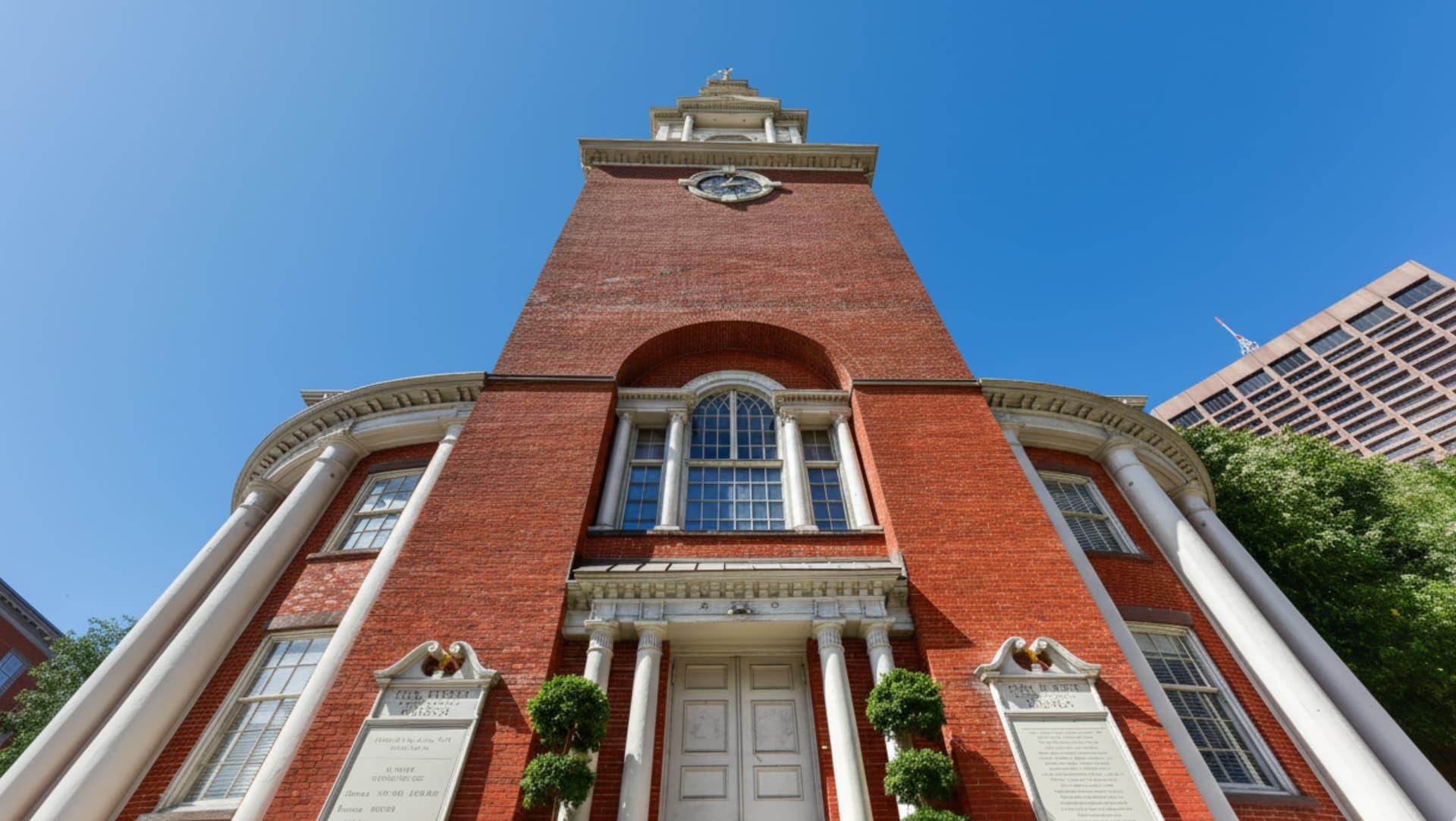
Park Street Church: the steeple on Brimstone Corner