Old South Meeting House: Boston's Historic Debating Hall
Colonial Boston’s Largest Assembly Space
Built in 1729 at the intersection of Washington and Milk Streets, Old South Meeting House stands as an enduring emblem of colonial civic life in Boston's Downtown Crossing. Designed in the brick Georgian style with a towering 180-foot steeple, the Puritan meetinghouse served a dual identity. In early Boston, meetinghouses functioned interchangeably as houses of worship and spaces for democratic civic assemblies.
With an interior capable of holding more than 5,000 people, it was colonial Boston's largest indoor public building. Because municipal offices at Faneuil Hall could not accommodate crowds of that magnitude, town leaders routinely relocated mass meetings to Old South Meeting House when major public controversies arose.
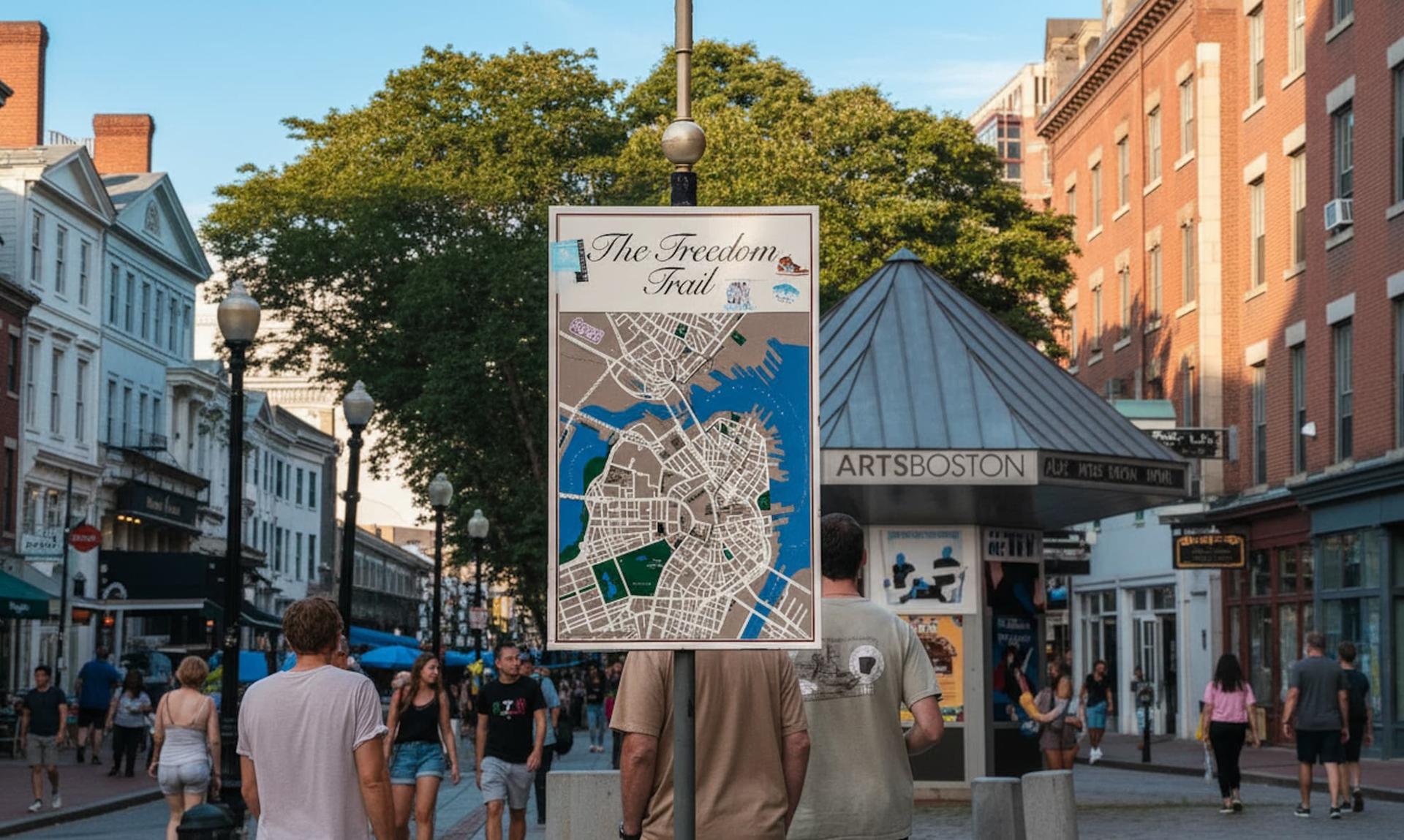
Boston Freedom Trail self guided walking tour with audio guide
2.5 hours17 stopsAudio guideStart any day, at your own paceTicket on your phone · 30-day refundThe Catalyst for the Boston Tea Party
Between 1768 and 1775, the meetinghouse emerged as the central gathering place for colonial resistance against British authority. Citizens gathered beneath its high ceilings to protest naval impressment and to hold annual commemorations following the 1770 Boston Massacre.
The building's most famous historic gathering occurred on December 16, 1773. An estimated 5,000 colonists packed the hall to debate the contentious British tea tax. When final negotiations with the royal governor collapsed, the meeting adjourned, and participants marched directly from the doors toward Griffin's Wharf to dump shipments of East India Company tea into the harbor in the protest known as the Boston Tea Party.
Wartime Desecration and Restoration
During the 1775 to 1776 Siege of Boston, British forces occupying the town targeted the building for its revolutionary reputation. Troops gutted the interior, ripping out the wooden pulpit and pews to burn as firewood. The military spread dirt across the sanctuary floor and converted the sacred space into a riding school for British cavalry.
To pass the time, British officers installed a private bar inside the first gallery balcony, where they drank while watching equestrian drills in the dirt arena below. Following the British evacuation, the interior underwent restoration in 1783, returning the room to its functional configuration.
A Landmark of Historic Preservation and Free Speech
Old South Meeting House narrowly avoided destruction multiple times in the nineteenth century. After surviving the Great Boston Fire of 1872, the building was slated for demolition and sold for scrap in 1876. In response, a coalition led by twenty Boston women organized to purchase the building, establishing the Old South Association. This rescue became New England's first successful public historic preservation campaign and one of the earliest preservation milestones in the United States.
In the 1920s, the Old South Association adopted an official policy ensuring the hall would remain open to speakers and organizations barred from other public platforms in Boston, reinforcing its legacy as a sanctuary for open public debate.
Architecture and Notable Curiosities
The layout reflects Puritan ideals, deliberately avoiding an altar or central cross. Instead, the hall features two tiers of wrap-around balconies oriented toward clear acoustics, engineered so that unassisted human speakers could project their voices across crowds of thousands.
The meetinghouse also holds rich historical associations. Phillis Wheatley, the pioneering African-American poet, was an enslaved congregant who was baptized and worshipped here prior to publishing her landmark 1773 collection of poetry.
Atop the tower sits a 1766 clock, recognized as the oldest operating American-made tower clock remaining in its original setting. In 2011, it was joined by an 876-pound bronze bell cast by Paul Revere in 1801. Today, designated as both a Boston Landmark and a National Historic Landmark, the site is operated year-round as a museum and civic venue by Revolutionary Spaces in partnership with the National Park Service on the Freedom Trail.
FAQ
What role did Old South Meeting House play in the Boston Tea Party?
On December 16, 1773, roughly 5,000 colonists met inside the hall to protest the British tea tax. When negotiations failed to resolve the standoff, attendees left the meetinghouse and marched directly to Griffin's Wharf to stage the Boston Tea Party.
Why was Old South Meeting House used for large protests instead of Faneuil Hall?
Old South Meeting House was the largest indoor public building in colonial Boston, holding over 5,000 people. It routinely served as the overflow venue whenever gatherings were too large for Faneuil Hall.
How was Old South Meeting House saved from demolition?
After surviving the Great Boston Fire of 1872, the building was sold for scrap in 1876. A coalition led by twenty Boston women raised funds to purchase the property, founding the Old South Association and completing New England's first successful public historic preservation campaign.
What happened to the building during the Siege of Boston?
Between 1775 and 1776, occupying British troops ripped out the pews and pulpit for firewood, spread dirt across the floor, and turned the interior into a cavalry riding school, complete with an officers' bar in the balcony gallery.
More places in Boston
boston, united-states
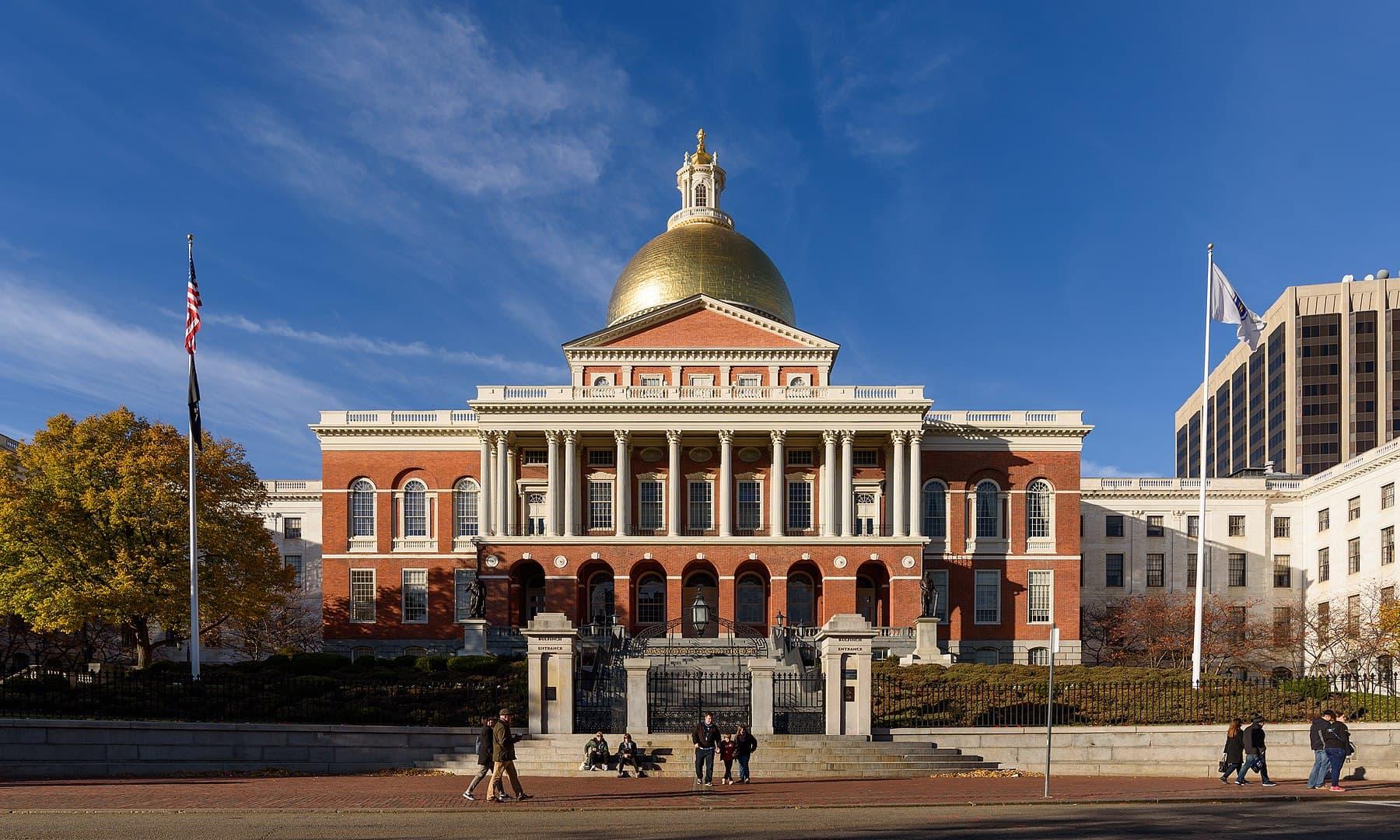
Massachusetts State House: the dome on Beacon Hill
Massachusetts State House: the dome on Beacon Hill
boston, united-states
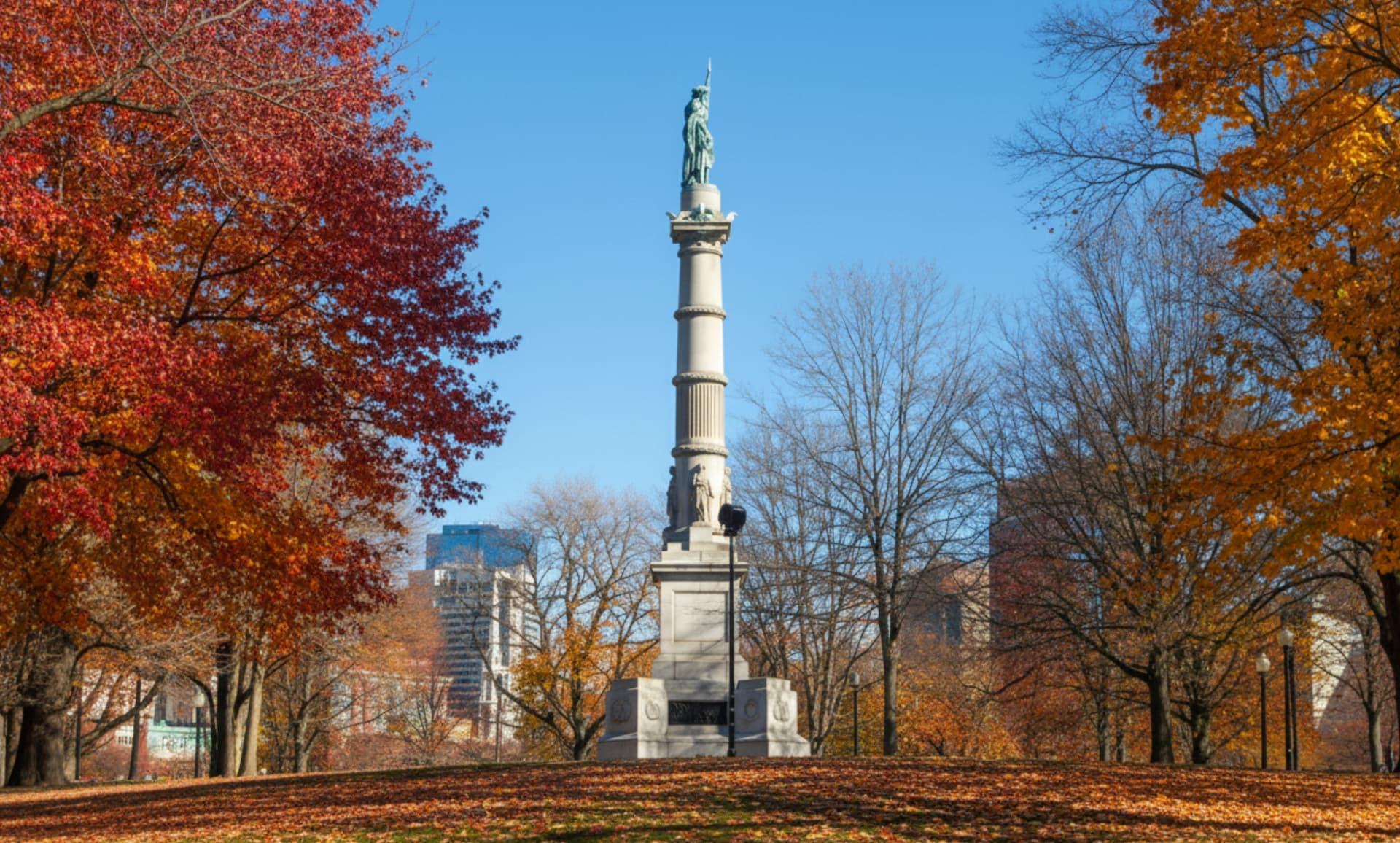
Boston Common Visitor Center: where the trail begins
Boston Common Visitor Center: where the trail begins
boston, united-states
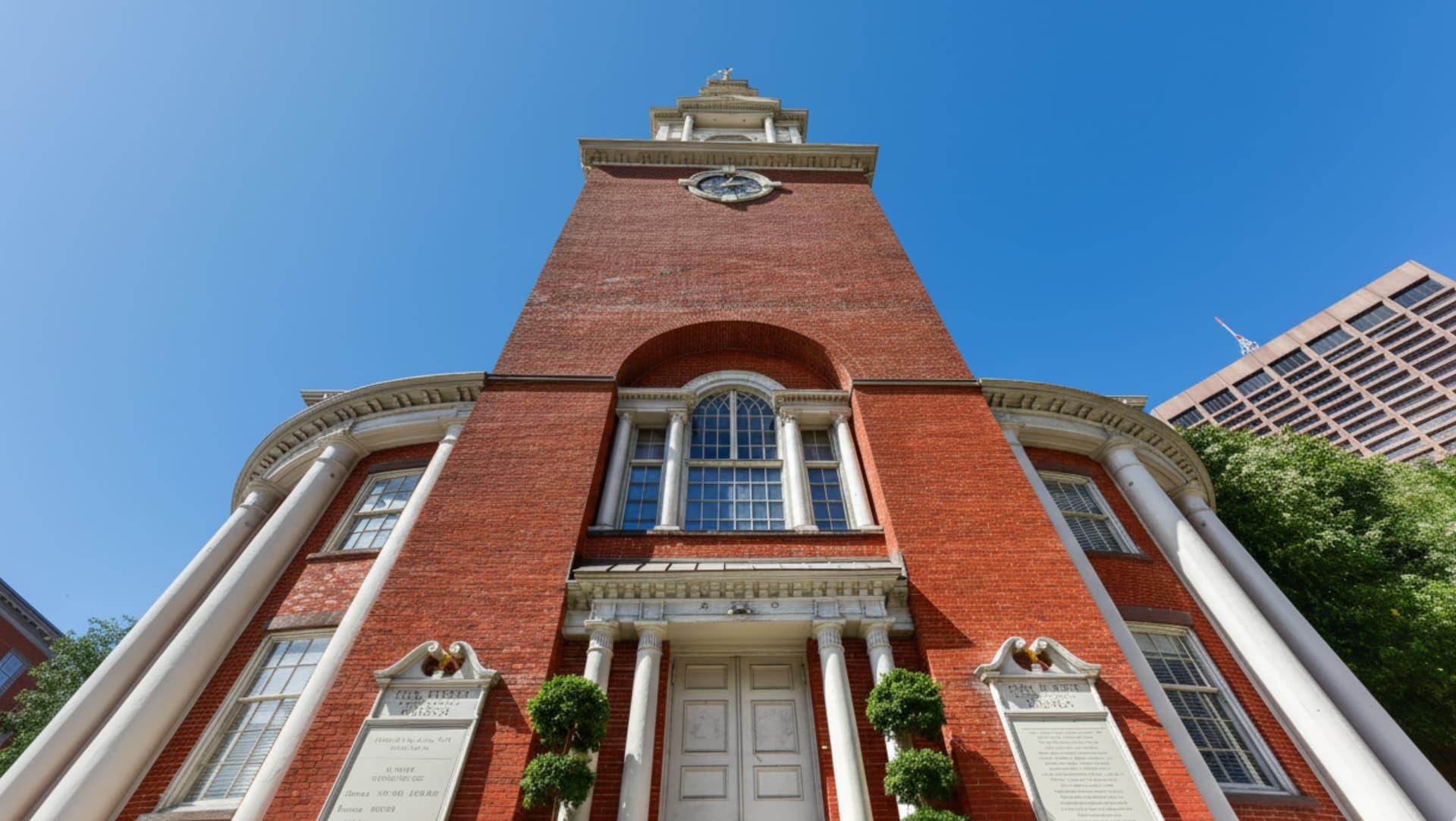
Park Street Church: the steeple on Brimstone Corner