Boston's Old State House: The Lion and Unicorn
A Seat of Colonial Power
Located at 206 Washington Street in downtown Boston, the Old State House is the oldest surviving public building in the city. Completed in 1713, it was originally known as the Second Town House, built to replace a wooden civic structure destroyed by fire in 1711. Positioned along the 2.5-mile Freedom Trail between Old South Meeting House and Faneuil Hall, the red-brick building served as the primary seat of the Massachusetts colonial government.
Throughout the eighteenth century, the building accommodated multiple civic operations. It housed the Massachusetts Supreme Judicial Court, hosted meetings of colonial leaders, contained a ground-level merchants' exchange, and later served as the first state capitol of the Commonwealth until official state governance relocated uphill to the new Massachusetts State House on Beacon Hill in 1798.
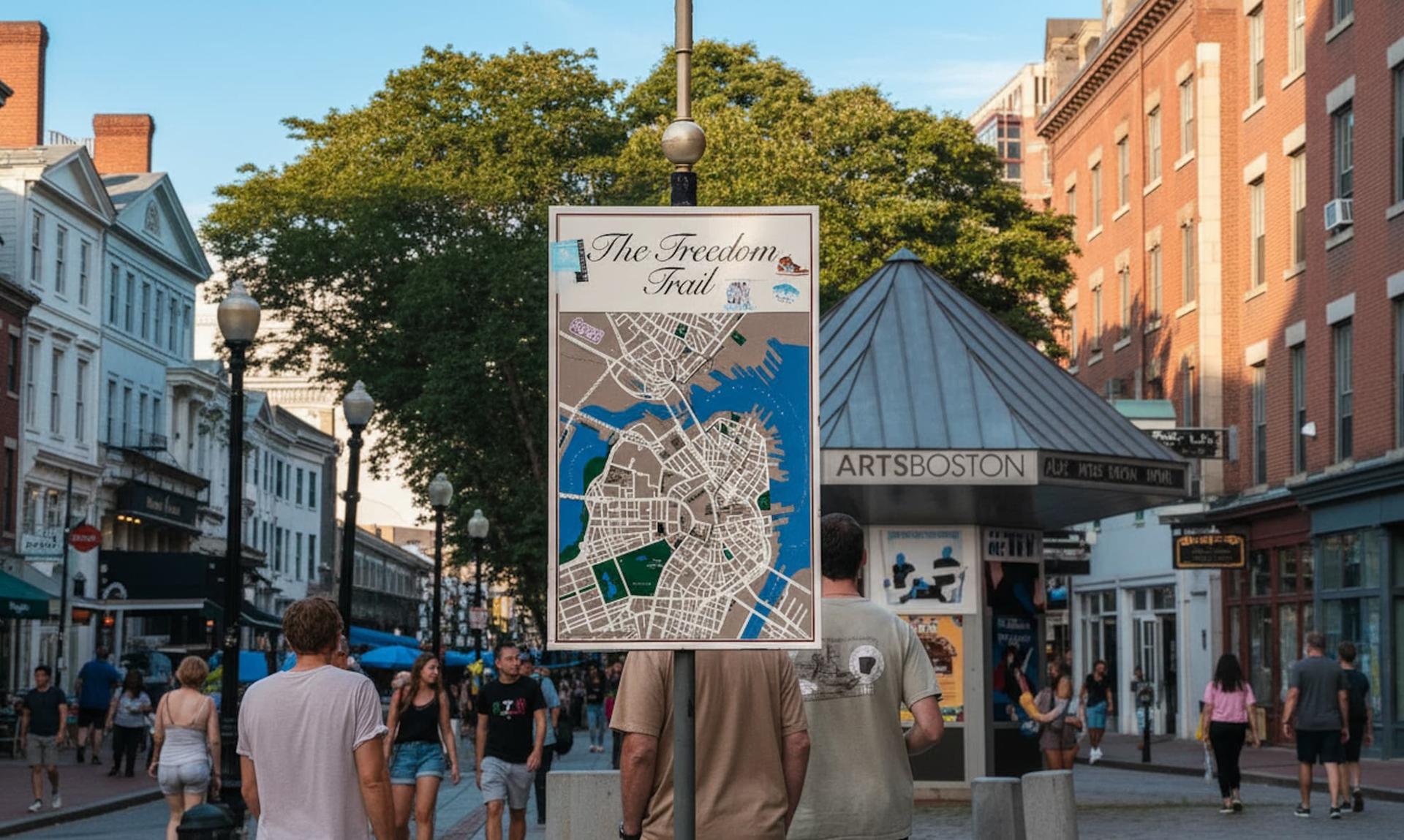
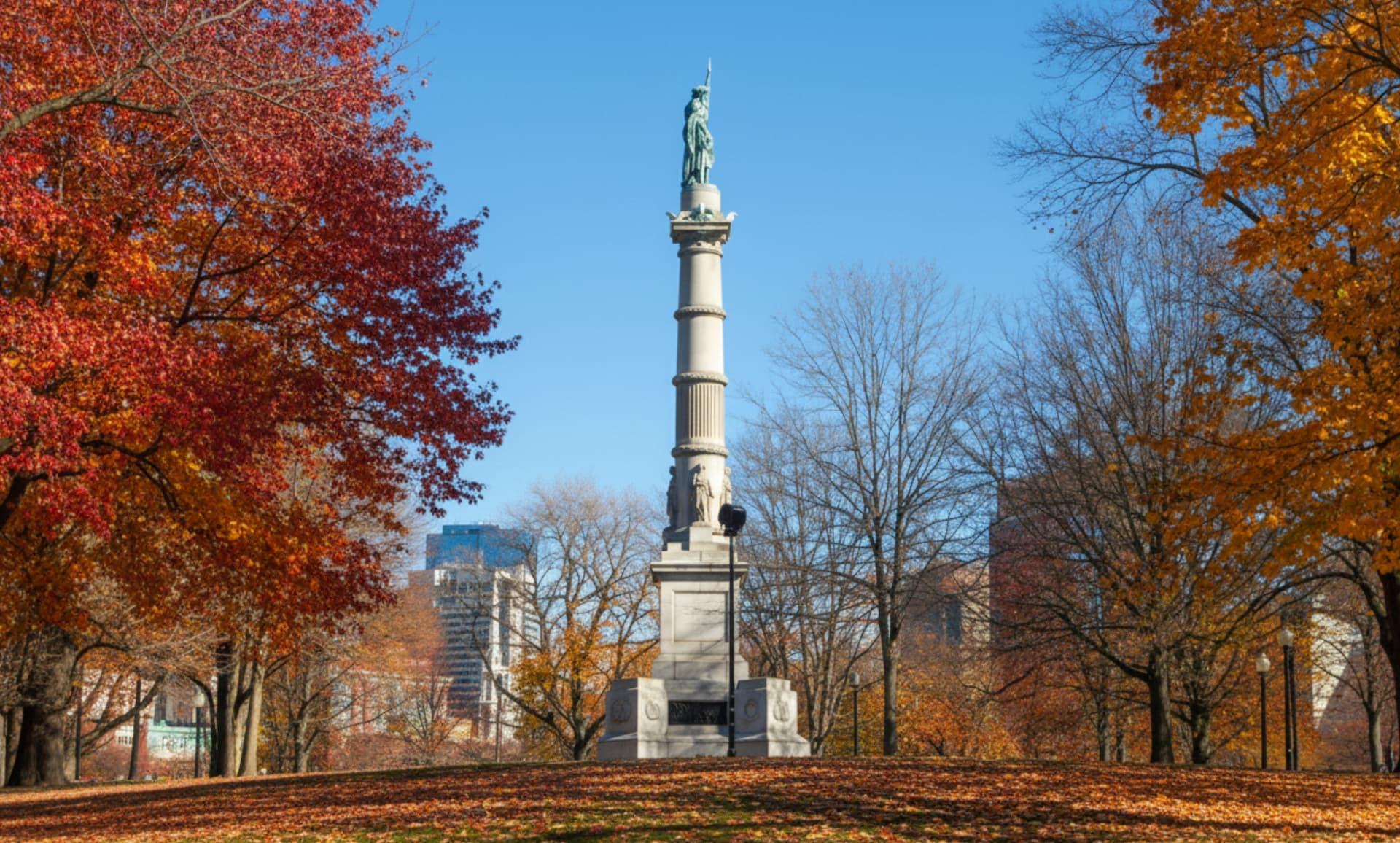
Boston Freedom Trail self guided walking tour with audio guide
2.5 hours17 stopsAudio guideStart any day, at your own paceTicket on your phone · 30-day refundThe Lion and Unicorn Above State Street
Perched atop the eastern roofline facing State Street, two prominent figures draw immediate attention: a gilded lion and a silver unicorn. In British heraldry, these royal emblems symbolized the authority of the British Crown over the Massachusetts Bay Colony.
During the American Revolution, these royal symbols became focal points of public defiance. On July 18, 1776, the Declaration of Independence was read aloud to Bostonians for the first time from the building's east balcony. Following the reading, an impassioned crowd climbed the building, tore down the lion and unicorn statues, and burned them in the street below. The figures standing on the roof today are 1882 replicas installed during a major restoration effort to return the landmark to its pre-Revolutionary appearance. Just beneath the balcony, an exterior clock made by clockmaker Simon Willard in 1831 continues to be wound by hand every week.
Revolutionary Sparks and the Boston Massacre
The Old State House was the stage for pivotal events leading up to the Revolutionary War. In 1761, inside the second-floor Council Chamber, attorney James Otis Jr. delivered an impassioned speech against the Writs of Assistance—blanket search warrants that allowed British customs agents to enter private premises without specified cause. John Adams later credited Otis's argument as the spark of the American Revolution. Inside the Representatives' Hall, the colonial government established what historians document as the first public viewing gallery in the Western world, granting regular citizens the ability to observe legislative debates.
Conflict reached violence on March 5, 1770, during the Boston Massacre. Directly outside the building's eastern facade, British sentries fired into an assembled crowd, killing five colonists and injuring six others. In the immediate aftermath, Lieutenant Governor Thomas Hutchinson addressed the crowd from the balcony to urge calm. Today, the event is marked on the street directly outside the building by a cobblestone circle with a brass ring and central star.
Preservation and Subterranean Transit
Following the transfer of state government to Beacon Hill, the Old State House served as Boston City Hall between 1830 and 1841 before transitioning to commercial use. By the late nineteenth century, commercial stalls and corporate signage covered the facade, and the building faced threats of demolition. In 1881, citizens founded The Bostonian Society to protect and restore the exterior.
Today, the site operates as a museum managed by Revolutionary Spaces and forms part of the Boston National Historical Park. Inside, restored chambers feature historical artifacts, including John Hancock's coat and preserved tea salvaged from the Boston Tea Party. Adding to the site's unique character, the colonial basement has functioned as an active public entrance for Boston's subway system since 1904, providing access to the MBTA Blue and Orange lines while vibrations from passing trains filter up through the historic wooden floorboards.
FAQ
Why are the lion and unicorn figures on the Old State House?
The gilded lion and silver unicorn were royal British heraldic symbols mounted atop the building during the colonial era. After the Declaration of Independence was read from the balcony in 1776, colonists pulled down the originals and burned them. The figures visible today are 1882 replicas.
What is the marker directly outside the eastern facade?
Directly outside the eastern facade of the Old State House, a cobblestone circle embedded with a brass ring marks the site of the Boston Massacre, which took place on March 5, 1770.
Is there a subway station inside the Old State House?
Yes. Since 1904, the basement of the Old State House has served as an active entrance to the MBTA State transit station, connecting commuters to the Blue and Orange subway lines.
More places in Boston
boston, united-states
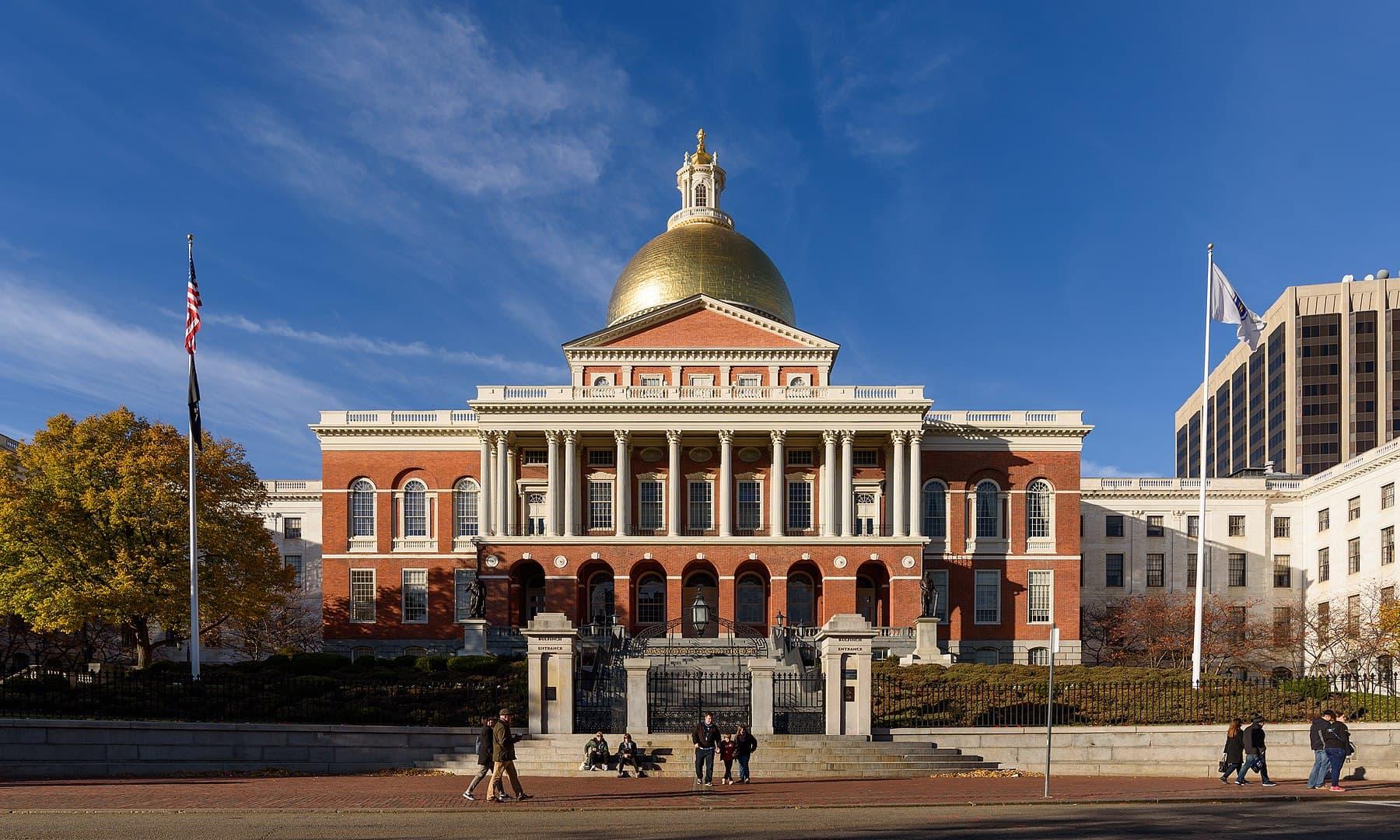
Massachusetts State House: the dome on Beacon Hill
Massachusetts State House: the dome on Beacon Hill
boston, united-states
Boston Common Visitor Center: where the trail begins
Boston Common Visitor Center: where the trail begins
boston, united-states
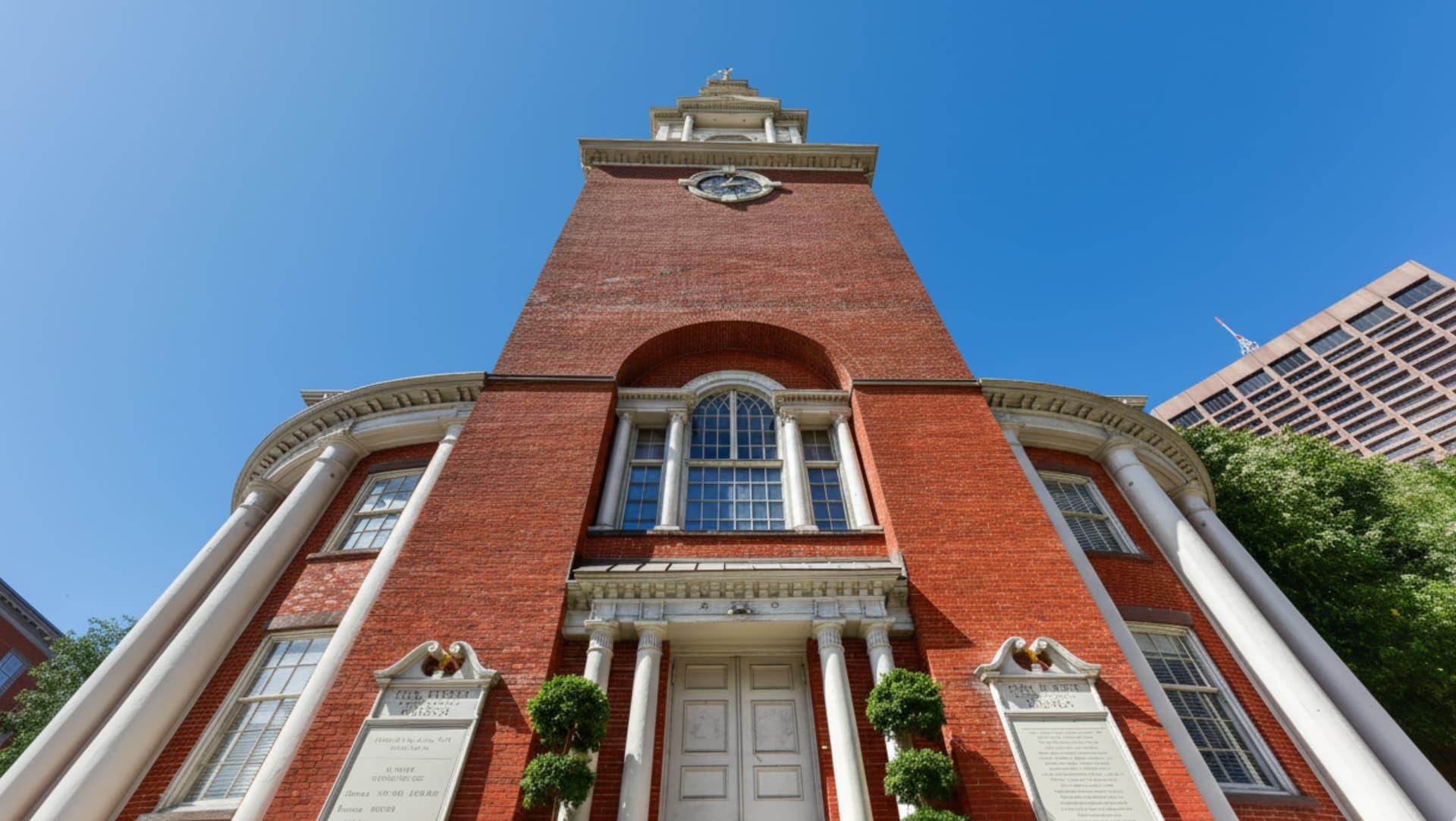
Park Street Church: the steeple on Brimstone Corner