Paul Revere House: Boston's Historic North End Home
First Period Architecture in North Square
Built circa 1680 at 19 North Square in Boston's North End, the Paul Revere House is the oldest surviving residential building in downtown Boston. It stands as the only 17th-century timber-framed domestic dwelling remaining in the downtown district, surrounded by later brick buildings and tenements. Long before Paul Revere took up residence, the parcel served as the Second Church of Boston parsonage, which was destroyed during the Great Fire of 1676. The earliest recorded owner of the newly built timber dwelling was a merchant named Robert Howard.
The structure is a classic example of First Period architecture, constructed with a post-and-beam heavy timber frame. Its layout incorporates an L-shaped plan with a rear kitchen ell, a gabled roofline, and a two-story overhang jetty. Remarkably, approximately 90 percent of the internal structural frame has survived more than three centuries of alterations, along with parts of the raftering, original foundation, floorboards, two interior doors, and three window frames.
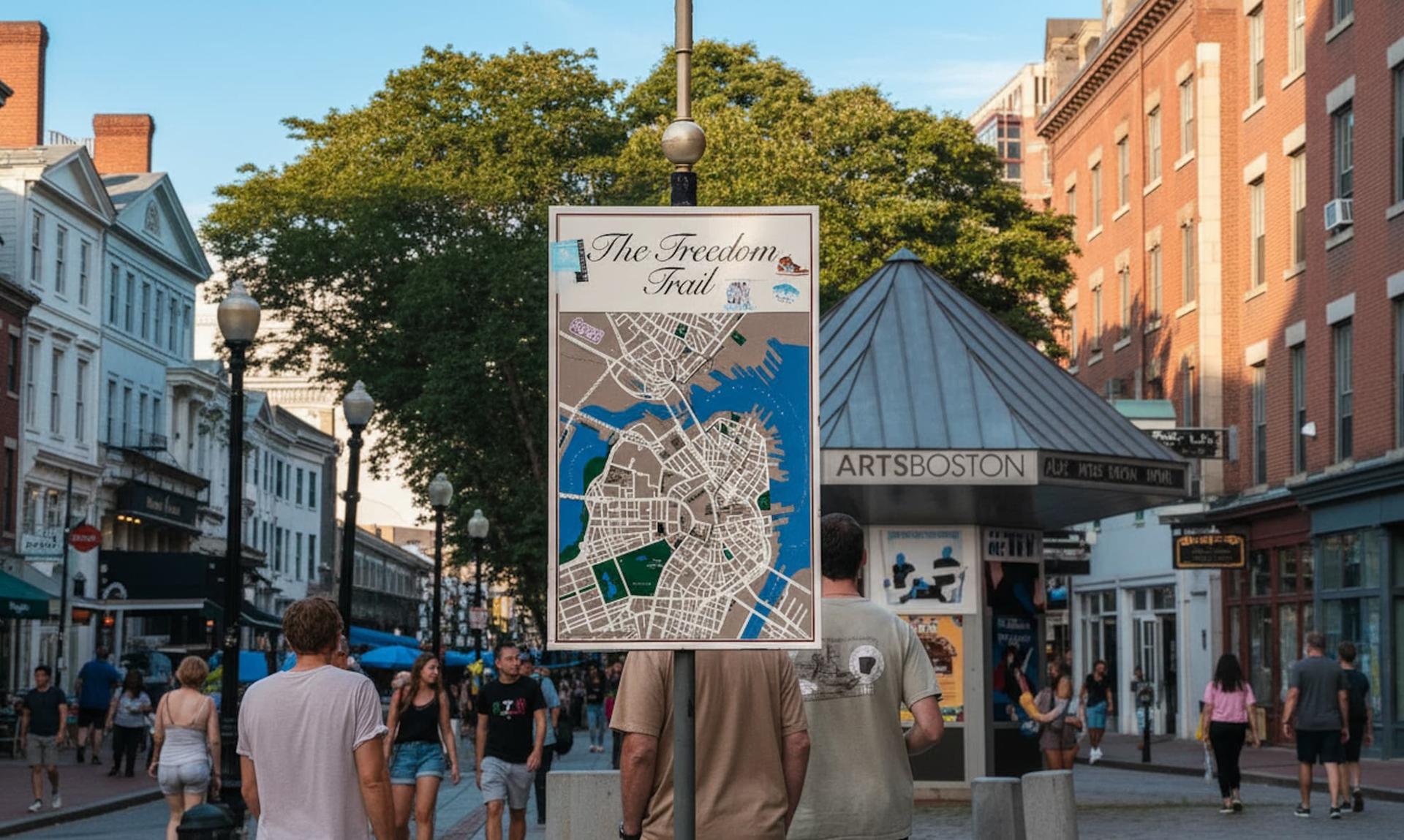
Boston Freedom Trail self guided walking tour with audio guide
2.5 hours17 stopsAudio guideStart any day, at your own paceTicket on your phone · 30-day refundThe Revere Era and the Midnight Ride
Paul Revere purchased the North Square property in 1770 and owned it until 1800. During the 1770s, the house accommodated Revere's expansive household, which included his mother Deborah, his first wife Sarah until her death in 1773, his second wife Rachel Walker, and several of his 16 children.
The house served as the home base from which Revere launched his historic midnight dispatch ride on the night of April 18, 1775. Setting out from the residence, Revere rode toward Lexington to warn Samuel Adams and John Hancock of advancing British troops. While folklore often depicts Revere shouting "The British are coming!", the operation was conducted covertly through occupied territory. Because Massachusetts colonists still considered themselves British subjects, contemporary records confirm Revere specifically warned that the "regulars" were marching.
Tenement Life and Historic Restoration
Following Revere's sale of the house in 1800, the property underwent substantial transformations. Throughout the 19th and early 20th centuries, the building served as a boarding house and tenement accommodating successive waves of Irish, Jewish, and Italian immigrants settling in the North End. The ground floor was adapted for commercial storefronts, operating at various times as a fruit market, a cigar shop, and a neighborhood bank.
Faced with imminent demolition in the early 20th century, the home was purchased in 1902 by Revere's great-grandson, John P. Reynolds Jr. The Paul Revere Memorial Association was formed to oversee a comprehensive restoration under architect Joseph Everett Chandler. Interestingly, Chandler chose not to preserve the building as it looked during the American Revolution. During the 18th century, an extra third story had been added; Chandler's restoration team deliberately removed this addition in 1907–1908 to return the exterior to its original circa 1680 Puritan appearance. The property reopened in April 1908 as one of the earliest historic house museums in the United States.
The Museum and Preserved Artifacts
Designated a National Historic Landmark in 1961 and listed on the National Register of Historic Places in 1966, the property serves as a partner site of Boston National Historical Park. It functions as the sole house museum situated along Boston's Freedom Trail, acting as a key landmark connecting Faneuil Hall and the Old North Church.
The interior of the house retains its 17th-century spatial arrangement, lacking central hallways and requiring movement directly from room to room. The low-ceilinged chambers showcase massive exposed hand-hewn timbers and oversized hearths. Exhibits throughout the period-furnished rooms include Revere family heirlooms, late 17th- and 18th-century furnishings, and silver pieces made directly in Revere's workshop, alongside documentation of his post-war industrial enterprises.
Outside, the paved brick courtyard contains major historical metalwork, including a 900-pound bronze church bell and a mortar cast by Paul Revere & Sons, as well as copper bolts manufactured by Revere's mill for the frigate USS Constitution. The adjacent Education and Visitor Center provides orientation galleries, as well as an elevator and second-floor walkway that offer wheelchair access to the upper floor of the historic home.
FAQ
Does the Paul Revere House look as it did during the American Revolution?
No. In the 18th century, a third story was added to the home. During the 1907–1908 restoration directed by architect Joseph Everett Chandler, this third level was removed to restore the exterior to its original circa 1680 First Period Puritan form.
How much of the original 17th-century building remains?
Approximately 90 percent of the internal heavy timber structural frame is original, along with portions of the rafters, foundation, floorboards, two doors, and three window frames.
What artifacts are on display in the museum and courtyard?
The house displays late 17th- and 18th-century furniture, Revere family heirlooms, and silver crafted by Revere. The courtyard features a 900-pound bronze bell and mortar cast by Paul Revere & Sons, alongside copper bolts made for the USS Constitution.
Did Paul Revere shout that the British were coming when leaving his home?
No. Revere's ride was a covert mission, and colonists at the time still considered themselves British. Historical accounts indicate that he warned residents that the "regulars" were out.
More places in Boston
boston, united-states
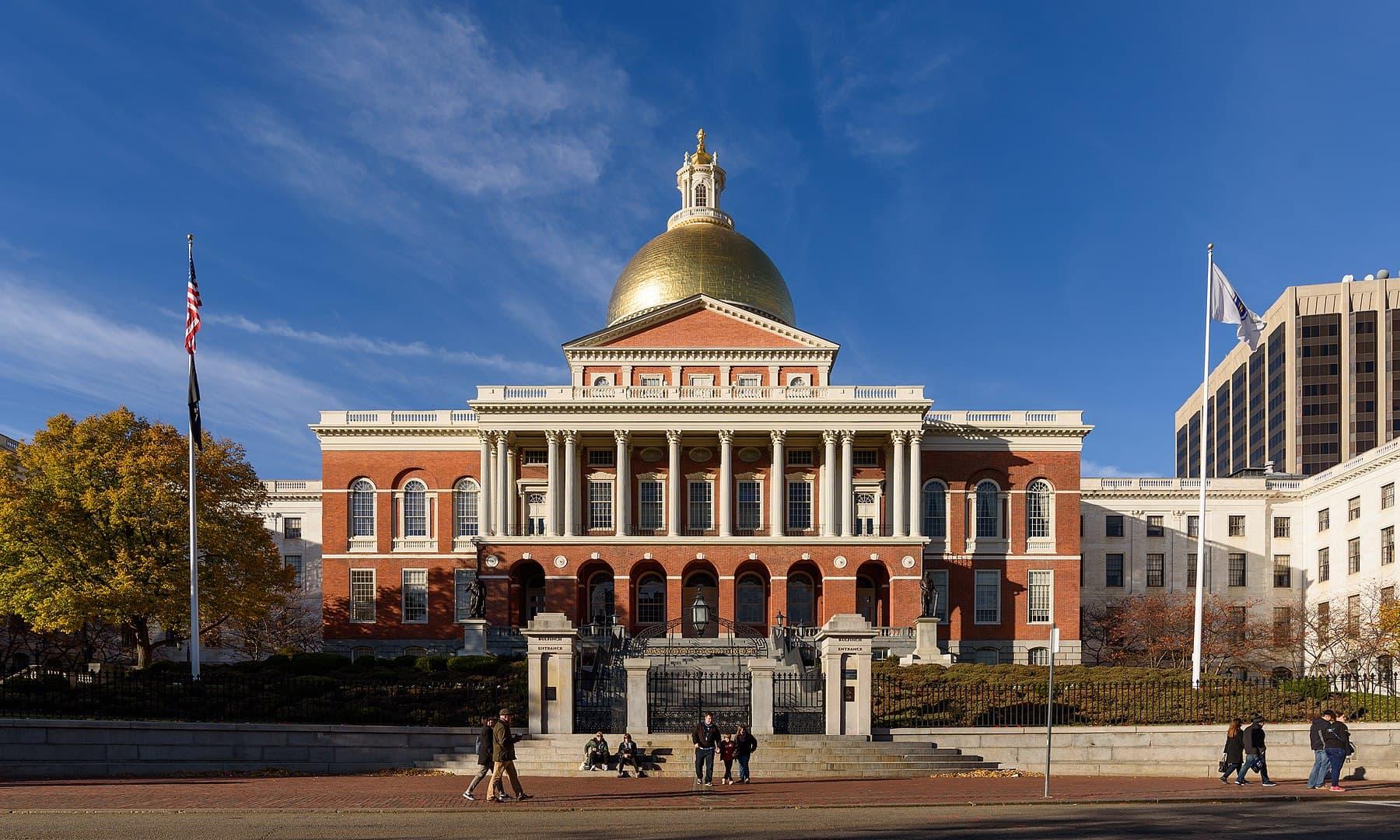
Massachusetts State House: the dome on Beacon Hill
Massachusetts State House: the dome on Beacon Hill
boston, united-states
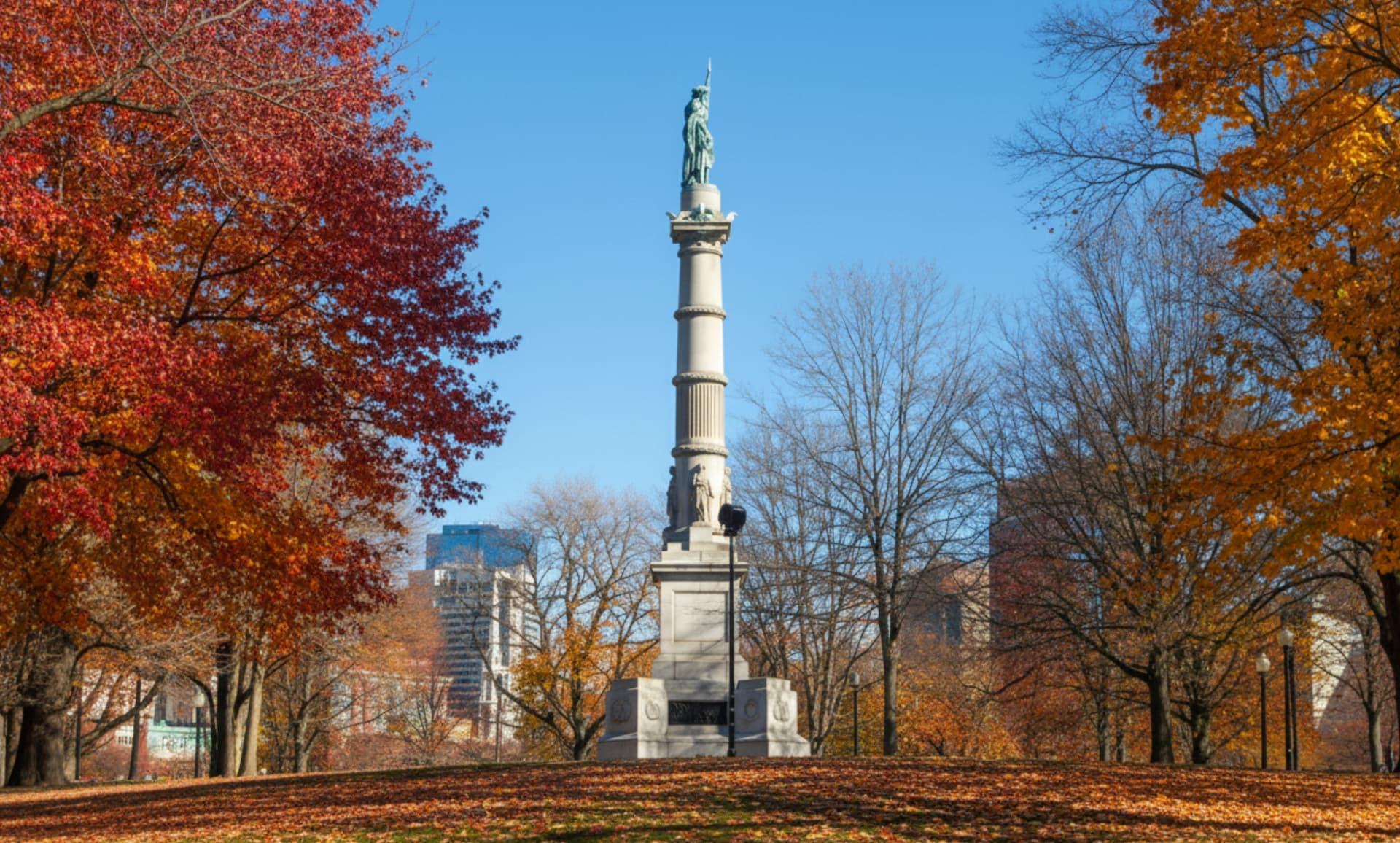
Boston Common Visitor Center: where the trail begins
Boston Common Visitor Center: where the trail begins
boston, united-states
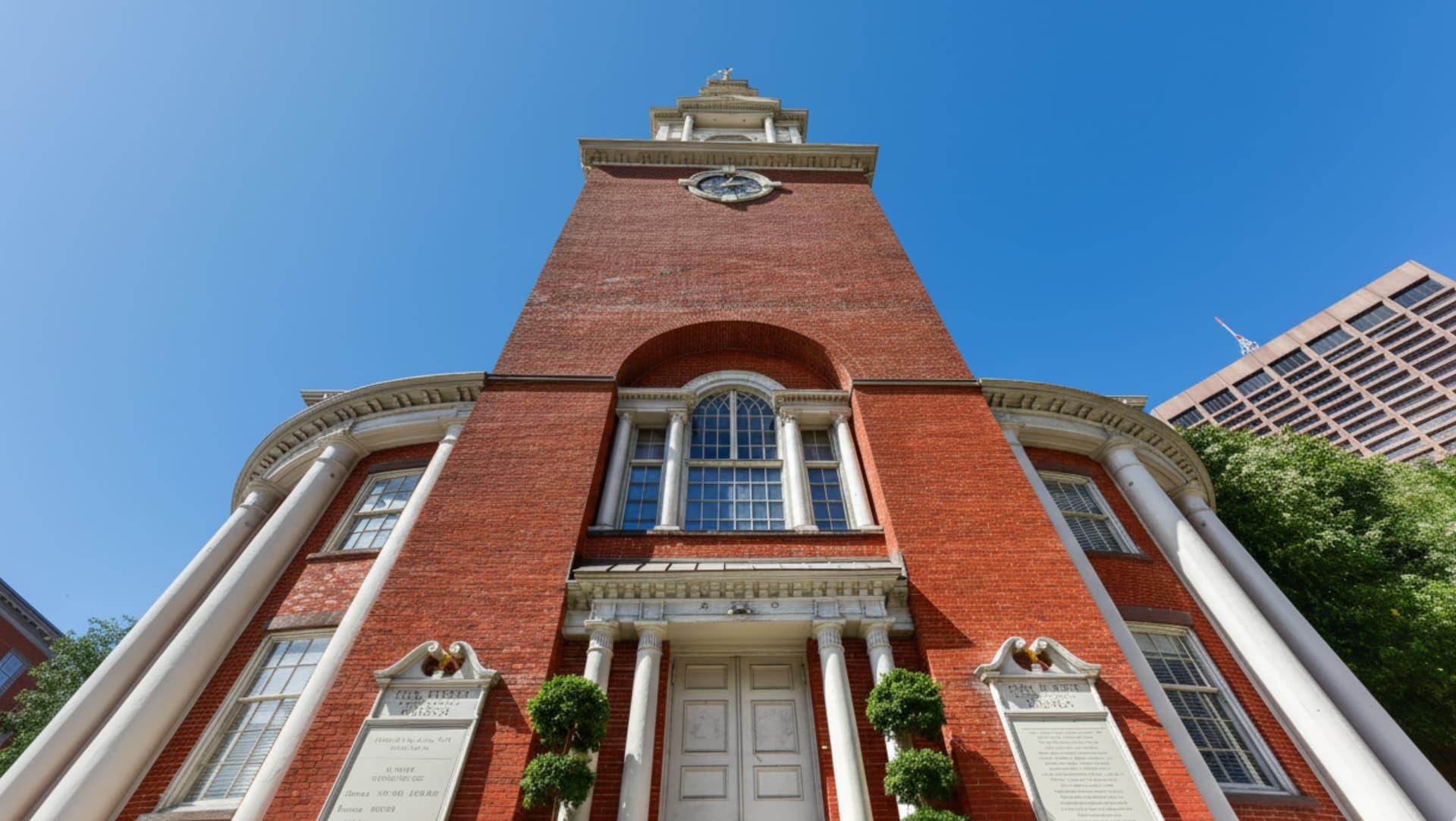
Park Street Church: the steeple on Brimstone Corner