Border Checks Inside Europe: What to Carry
Temporary controls, travel documents and EU entry systems, checked 31 August 2026.
Introduction
Checked on 31 August 2026. Schengen removes routine checks between participating countries, but countries can bring back temporary internal controls. Check the European Commission's live register: https://home-affairs.ec.europa.eu/policies/schengen/schengen-area/temporary-reintroduction-border-control_en before you leave.


Quick answer
As checked on 31 August 2026, 10 Schengen states have notified temporary internal border controls: Austria, Denmark, France, Germany, Italy, the Netherlands, Norway, Poland, Spain and Sweden. A notified control does not mean every passenger will be checked.
Carry a physical passport or valid national identity card if you are an EU, EEA or Swiss citizen. A driving licence is not a travel document. If you are visiting from the UK, United States, Canada, Australia or Brazil, carry your passport. Check any visa or residence document that applies to your stay.
The EU Entry/Exit System, or EES, is fully operational at external borders. ETIAS is not yet operating. Neither system removes the need to carry your travel document.
Where controls are in force
The following is the position in the Commission register on 31 August 2026. An end date is not a promise that checks will happen on every crossing.
- Germany: land borders with France, Luxembourg, Belgium, the Netherlands, Denmark, Austria, Switzerland, Czechia and Poland. The current period runs to 15 September 2026, followed by an already-notified period through 15 March 2027. Germany has repeatedly extended these controls.
- Spain: internal air and sea connections with Italy, notified through 7 September 2026. A further 15-day extension was reported on 31 August, but the new official order was not available in the permitted sources at the time of checking. Treat the extension as UNVERIFIED.
- Italy: internal air and sea connections with Spain run in the official register through 1 September 2026. The land border with Slovenia is notified through 18 December 2026. A further Spain-related extension was reported, but was UNVERIFIED at the time of checking.
- Denmark: land and sea borders with Germany, through 11 November 2026. Danish Police describes the operation as spot checks, and the measure has been repeatedly extended.
- Austria: land and river borders with Slovakia, plus land borders with Czechia, Hungary and Slovenia, through 15 September 2026. Austrian authorities describe the checks as non-systematic, targeted and risk-based.
- The Netherlands: land borders with Belgium and Germany, plus internal Schengen air borders, through 30 September 2026. The measure has been extended several times.
- Norway: ports with Schengen ferry links to Denmark, Germany and Sweden, through 11 November 2026. This period follows repeated extensions.
- Poland: land borders with Germany and Lithuania, through 1 October 2026. Poland says the checks have operated since 7 July 2025 and have been extended.
- Sweden: all internal land, air and sea borders, including the connection with Denmark, through 11 November 2026. Swedish Police says checks can be carried out but are not always done.
- France: internal land, air and sea borders with Belgium, Germany, Luxembourg, Switzerland, Spain and Italy, through 31 October 2026. France has used recurring temporary controls since 2015.
Slovenia's previous controls with Croatia and Hungary are not current in this register. Switzerland's special June G7 controls have also expired.
What to carry
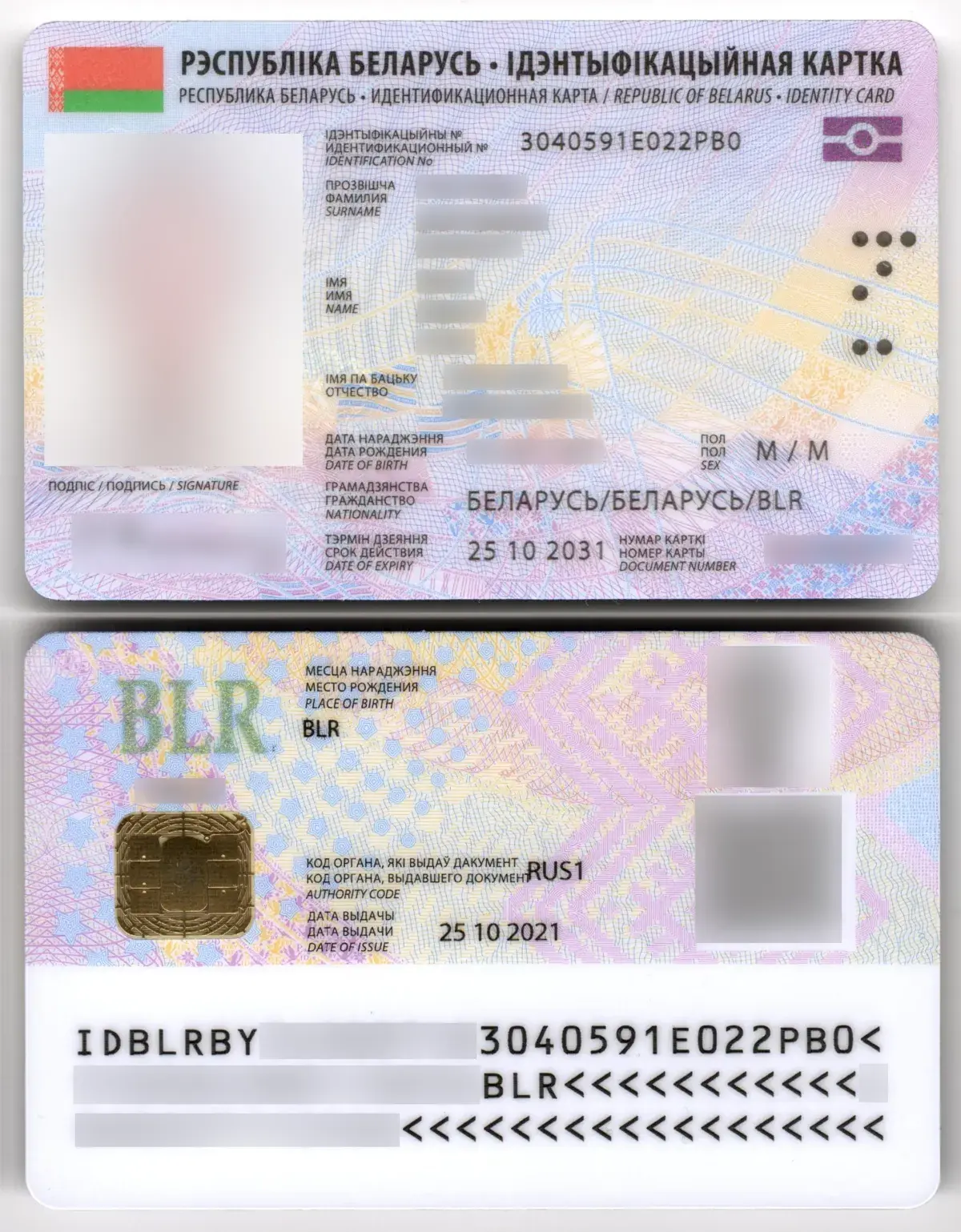
EU, EEA and Swiss citizens: carry a valid passport or national identity card. Keep the physical document with you. A phone image or driving licence is not a safe substitute.
UK citizens: ordinary visitors are third-country nationals for Schengen travel. Carry a valid passport. For a normal short stay, it must have been issued within the previous ten years and remain valid for at least three months after planned departure. Withdrawal Agreement residence cases can differ.
US, Canadian, Australian and Brazilian citizens: carry a valid passport. These nationalities are currently visa-exempt for ordinary short Schengen stays, subject to the 90/180-day rules. Carry a visa, residence permit or other supporting document if your status depends on one.
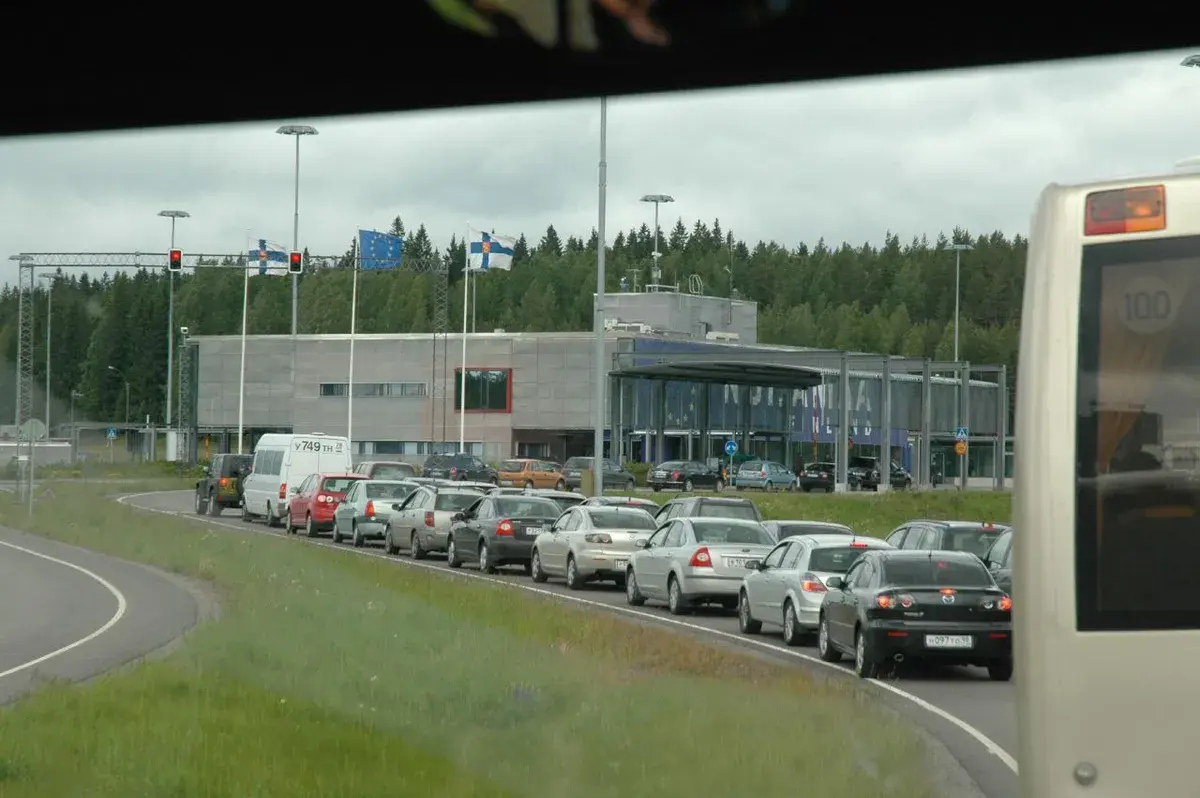
At a road crossing, officers can inspect documents and, where justified, a vehicle or baggage. On a train, checks may happen on board, at a station just inside the border or nearby. On a ferry, documents may be checked at the port, during boarding or after arrival. Sweden and Austria describe selective or risk-based checks, while Denmark refers to spot checks. Allow extra time.
The crossings that matter here
Copenhagen to Malmö: the relevant control is entry into Sweden from Denmark. Sweden's period runs from 12 May to 11 November 2026. An EU, EEA or Swiss day-tripper needs a passport or valid national identity card. A UK, US, Canadian, Australian or Brazilian visitor needs a passport. Swedish Police may check passengers after the train enters Sweden, but says this does not happen on every journey.
Görlitz to Zgorzelec: both sides currently have controls. Poland's German-border measure runs through 1 October 2026. Germany's current period is followed by a notification through 15 March 2027. The urban bridges remain open to pedestrians, who are not exempt. Carry a physical passport or national identity card where your nationality allows it. Poland says a mobile identity document is not sufficient.
Konstanz to Kreuzlingen: Switzerland has no current general temporary internal control against Germany in this register. Germany controls its land border with Switzerland, currently through 15 September and already notified through 15 March 2027. The practical concern is entry back into Germany. Crossing on foot remains possible, but it does not remove the document requirement. Separate Swiss customs and goods checks can also take place.

What is coming
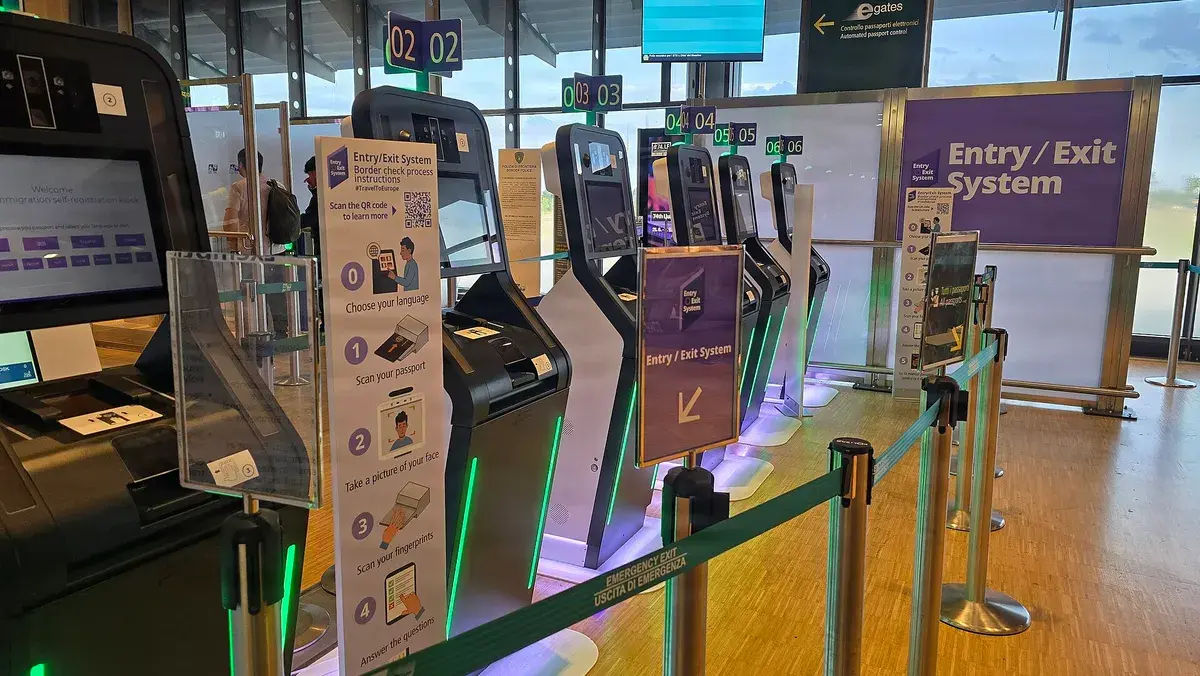
EES: the Entry/Exit System became fully operational at participating external border points on 10 April 2026, after staged introduction began on 12 October 2025. It registers relevant non-EU short-stay travellers, including visitors from the UK, US, Canada, Australia and Brazil, using passport details, facial images and fingerprints as required. It does not apply to EU, EEA or Swiss citizens and has no traveller application fee. EES applies at external borders, not at each internal crossing.
ETIAS: ETIAS is not operating on 31 August 2026, and applications are not being accepted. Operations are expected in the last quarter of 2026, with the exact date to be announced several months beforehand. Once active, it will be a pre-travel authorisation for visa-exempt nationals travelling to 30 participating European countries. The official fee is €20, not the older €7 figure. ETIAS will not replace a passport or guarantee entry.
FAQ
Do I need a passport for every internal Schengen crossing?
If you are an EU, EEA or Swiss citizen, a valid national identity card is generally an alternative to a passport. Visitors from the UK, US, Canada, Australia and Brazil should carry a passport. This was checked on 31 August 2026.
Will officers check every passenger?
Not always. Sweden says checks are not always carried out, Denmark describes spot checks and Austria describes targeted risk-based checks. Other crossings can involve stops on a train, ferry or at a station.
Is ETIAS required now?
No. ETIAS is not yet operating and no application can currently be submitted. Recheck the official ETIAS portal before a later trip.
Does EES apply between Schengen countries?
No. EES records external-border entries and exits. It does not create a new registration at each internal crossing.
Before you go
On 31 August 2026, temporary controls are active in 10 Schengen states, but dates and scope can change:
- Check the Commission's live register on the day you travel.
- Carry the physical passport or national identity card required for your nationality.
- Keep visa, residence and other supporting documents with you when relevant.
- Leave time for a possible document or baggage check.
- Recheck Germany especially carefully because its next notified period already begins on 16 September 2026.
Review this page quarterly and after any announced extension.