Berlin Explained: What It Is Known For, When to Go and What to See
Last updated: October 2026
Intro
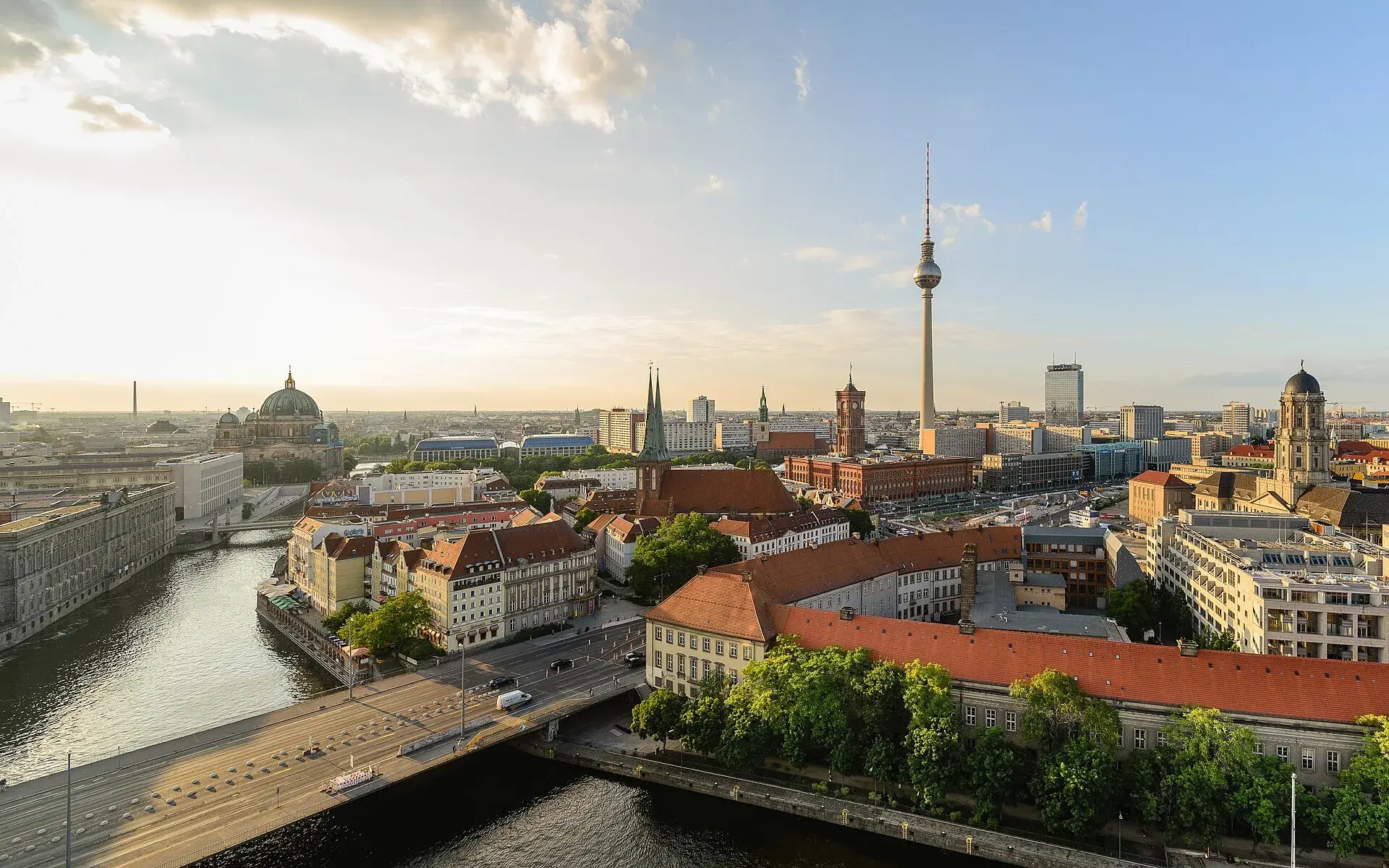
Berlin is known for 20th-century history you can stand in, a museum island, a film festival, techno and a city that never had one centre. That last point is why first visits go badly: Berlin is a set of districts, not a ring around a core, so it cannot be walked like Vienna or Paris. The freshest news for 2026 is that the Pergamon Museum is still closed and now has a reopening date of 4 June 2027, the Reichstag dome is shut for maintenance from 19 to 30 October 2026, and the Humboldt Forum charges €9 per exhibition. Prices below were checked in October 2026.
Ciceru runs one self-guided walk in Berlin, a €7 walk in the Ciceru app with a story and a quiz question at each of 11 stops and a free 500 MB global eSIM. It is about 4 km and 2 hours.

⚡ Quick answer
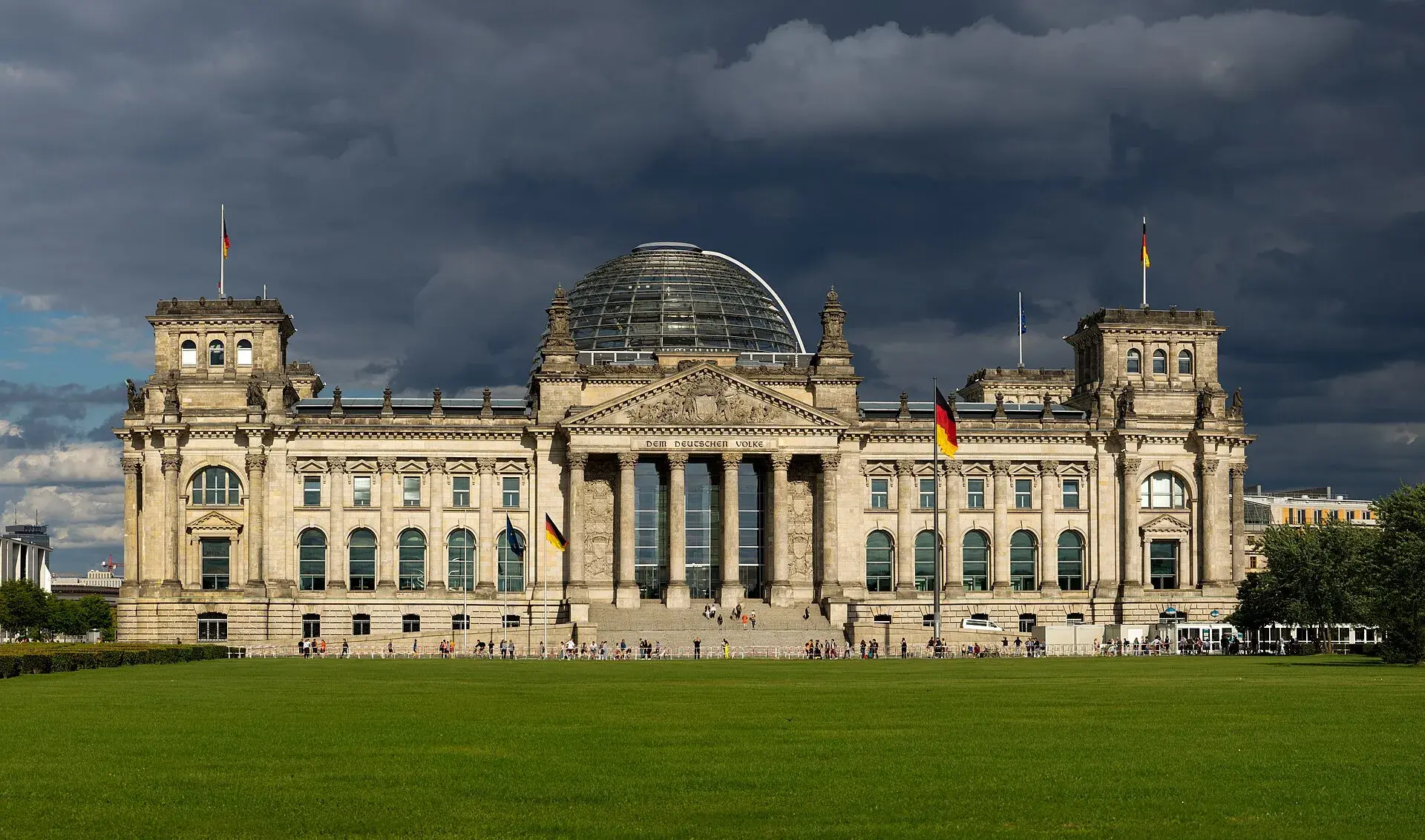
- What Berlin is known for: the Brandenburg Gate, the Reichstag, the Berlin Wall, the Memorial to the Murdered Jews of Europe, Museum Island, techno and a creative, unfinished feel
- Freshest changes: Pergamon Museum reopens 4 June 2027, Reichstag dome closed 19 to 30 October 2026, Humboldt Forum €9 per exhibition and closed Tuesdays, Museum Island day ticket €24
- Best time to go: May to September for light and warmth, with May, June and September the sweet spot; December for Christmas markets if you can take the cold
- Worst time: November to February for grey skies, about 41 hours of sunshine in the whole of December
- How many days: three full days; two if you pick one museum
🐻 What Berlin is actually known for
Berlin is known for being a city where the 20th century is on the street, not in a museum. The Wall, the Cold War border and the 1989 opening are all within a few kilometres of each other, and most of it is free to see. It is also a museum city (Museum Island is a UNESCO World Heritage Site), a film city, a running city and a nightlife city. What it is not known for, despite the postcards, is a tidy sightseeing core. Distances are big and the sights are scattered.
🧱 The short history that explains the layout
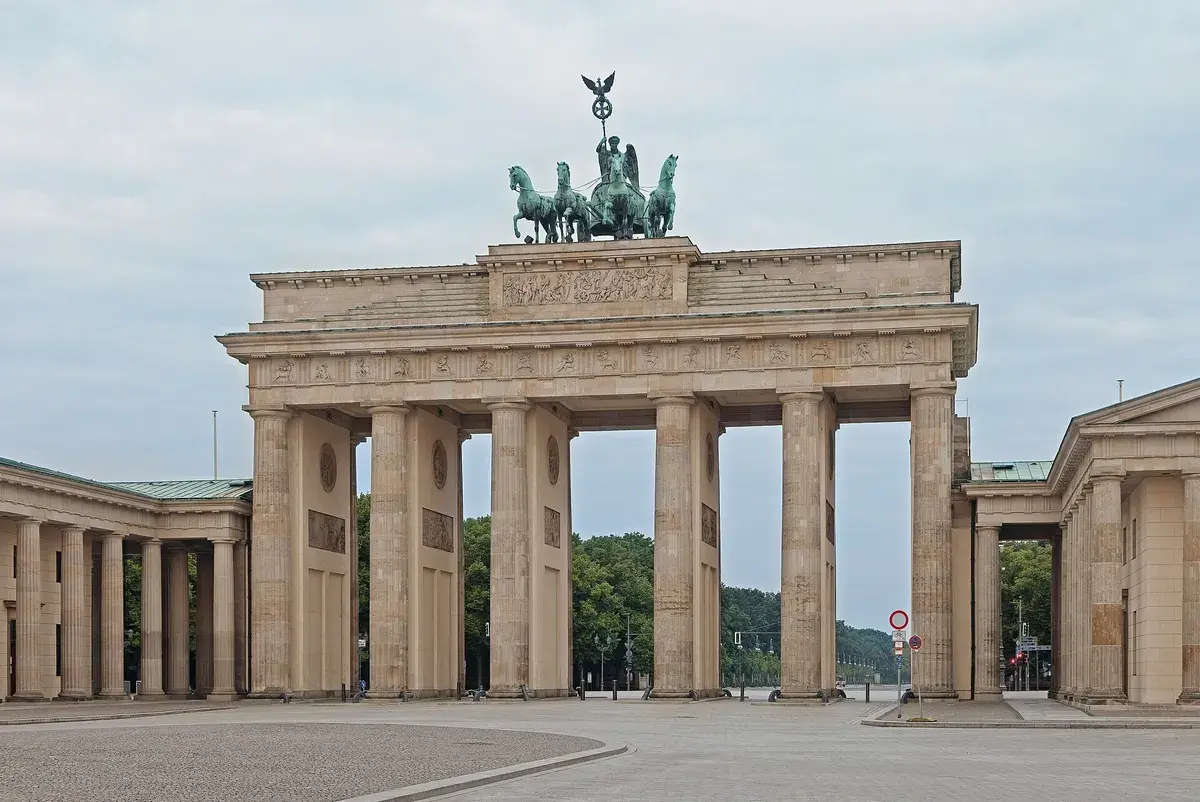
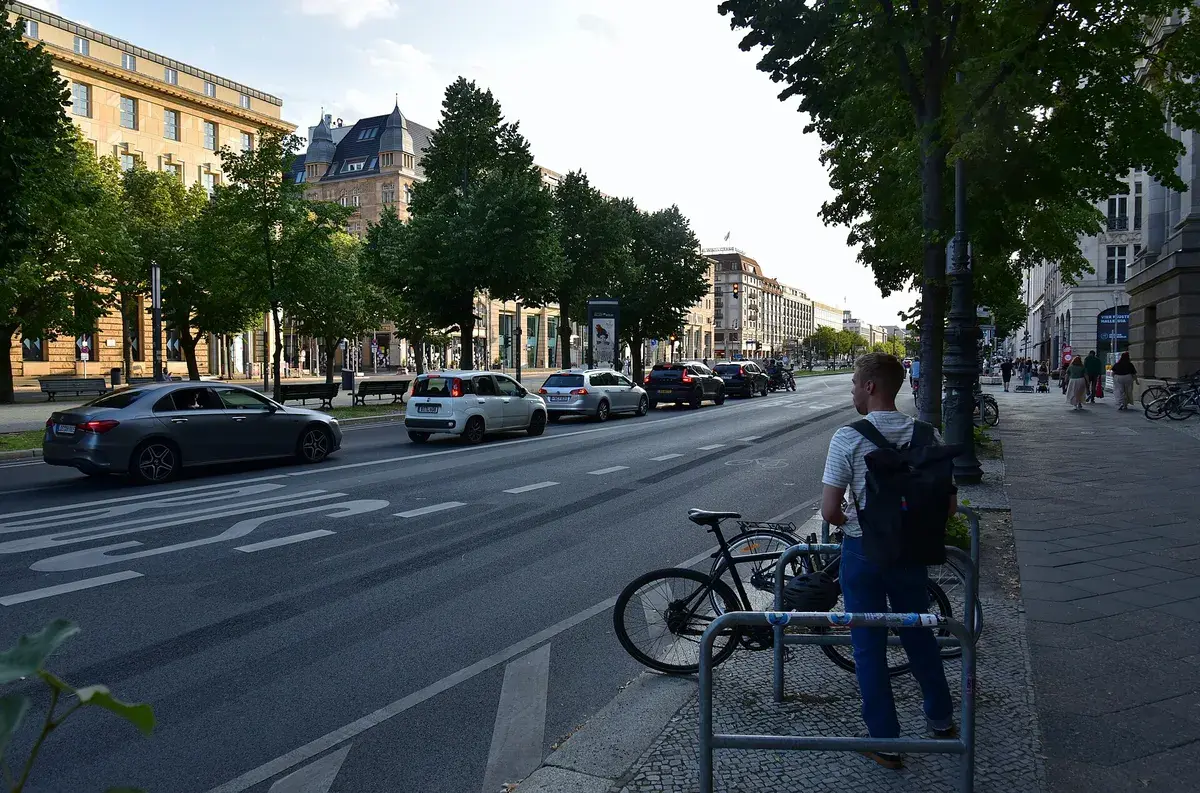
Berlin grew from separate towns. In 1709, Friedrich I merged five of them, Berlin, Cölln, Friedrichswerder, Dorotheenstadt and Friedrichstadt, into one capital of about 55,000 people. Unter den Linden runs west from the old centre to the Brandenburg Gate, built between 1788 and 1791.
Then came the split. The Wall went up on 13 August 1961 and stood for over 28 years until 9 November 1989. It ran for 156.4 km around West Berlin. The result was two city centres: the old one around Unter den Linden and Alexanderplatz in the east, and a new one around Zoo and Charlottenburg in the west. After reunification the Bundestag voted on 20 June 1991 to move to Berlin, and the Reichstag became its home.
The rule is simple: think in districts. Mitte is the old east centre and most of the famous sights. Kreuzberg and Friedrichshain are food, nightlife and the East Side Gallery. Prenzlauer Berg is the residential district north of Mitte. Charlottenburg is the old west centre, with the palace and the shopping boulevard. Plan one district per half-day, not a walk between them.
📍 The five places everyone goes
Brandenburg Gate 💶 free 🕐 always open. The gate is outdoors and unticketed, on Pariser Platz, with a Berlin tourist information centre in its south wing from 09:00 to 18:00 daily. Verdict: yes, because it costs nothing and sits on the walk to the Reichstag.
Reichstag dome 💶 free, but you must register 🕐 daily, with closures. Registration is online through the Bundestag's own booking page, and walk-up registration at the visitor service office near the building is possible with at least two hours' notice, if places remain. Bring photo ID if you are 16 or over. The dome is closed for maintenance from 19 to 30 October 2026, and on 24 December, and from 16:00 on 31 December. Verdict: worth it, but register ahead on the Bundestag's own site.
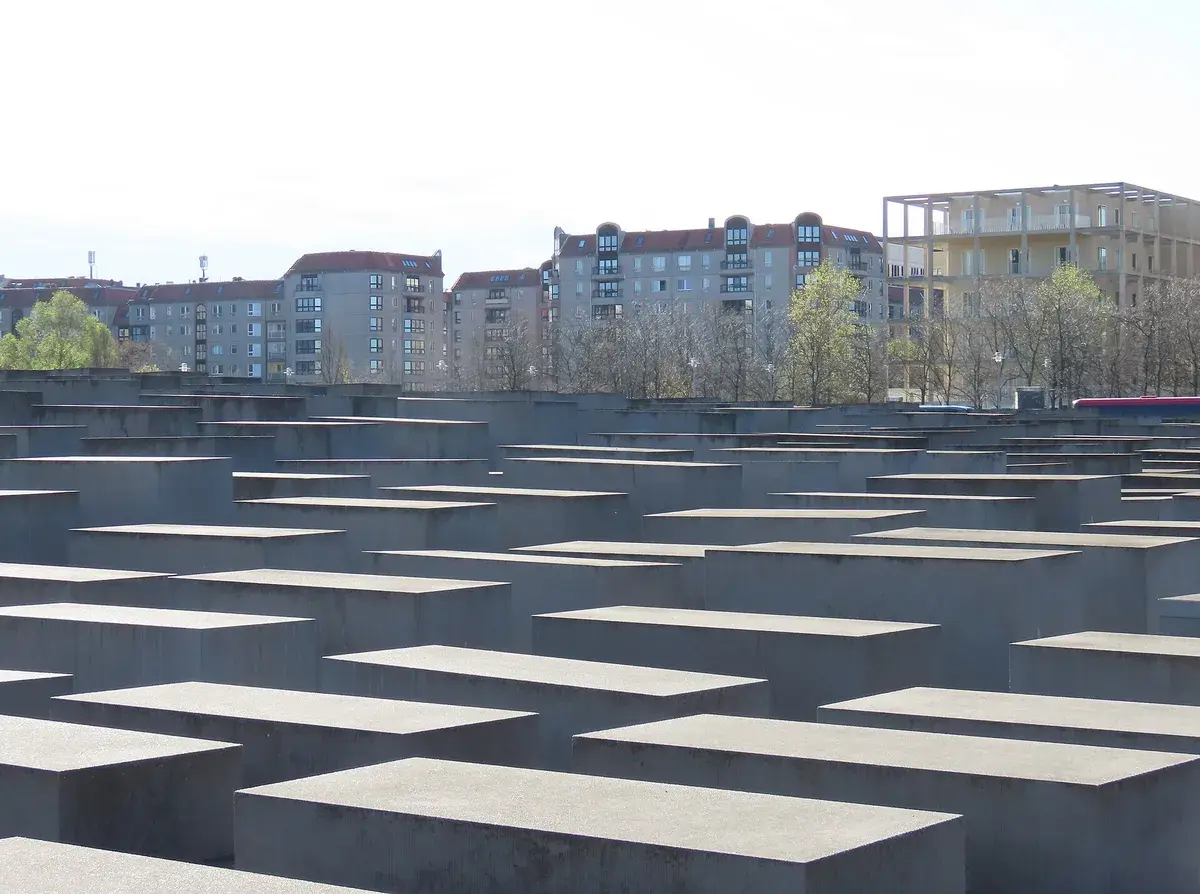
Memorial to the Murdered Jews of Europe 💶 free 🕐 field open 24 hours, information centre 10:00 to 18:00, closed Monday 📍 Cora-Berliner-Strasse 1. Verdict: yes. The field of concrete blocks is public and always open, and the underground information centre is free too. Allow an hour for the centre.
Museum Island 💶 Museumsinsel day ticket €24, free under 18 🕐 Neues Museum 10:00 to 18:00, closed Monday. Verdict: pick one museum, not five. The big change is that the Pergamon Museum is still closed. The Staatliche Museen zu Berlin say it reopens on 4 June 2027 with the Pergamon Altar back on show, and the Pergamon Panorama is open nearby meanwhile. Next door, the Humboldt Forum costs €9 per exhibition, €3 for the roof terrace, is closed Tuesdays and open 10:30 to 18:30 the rest of the week. The Palace Cellar and Sculpture Hall are free. The Berlin Cathedral costs €15 and includes the dome view, last entry 17:00.
East Side Gallery 💶 free 📍 Mühlenstrasse, Friedrichshain. A stretch of the former inner Wall, painted in 1990 by 118 artists from 21 countries. Verdict: yes, and it costs nothing, but it is an open street, so go early in the day. For the Wall as history rather than backdrop, the Berlin Wall Memorial below does it better.
Checkpoint Charlie is the real border crossing, but the Berlin Wall Foundation says a "Forum Checkpoint Charlie" is still being planned there, and the square now holds a temporary outdoor exhibition. Treat it as a five-minute stop.
🙈 Three places most visitors skip and shouldn't
- Berlin Wall Memorial 📍 Bernauer Strasse 111 to 119. Part of the Wall remains here, with an indoor exhibition, an outdoor exhibition along the street and a documentation tower. Free. The visitor and documentation centres are open 10:00 to 18:00, Tuesday to Sunday, and the outdoor exhibition 08:00 to 22:00 daily.
- Topography of Terror 📍 Niederkirchnerstrasse 8, near Potsdamer Platz. A documentation centre on Nazi terror. Free, indoor exhibition 10:00 to 20:00 daily, closed 24 and 31 December and 1 January.
- Tempelhofer Feld 📍 Tempelhof. A former airport, now a 303-hectare open space free to use, kept that way after a citizen referendum in 2014. It closes at 19:00 in some seasons, so check the hours for your date.
More that costs nothing is in Free Things to Do in Berlin.
🌦️ Weather month by month
Figures are from the Deutscher Wetterdienst (DWD, Germany's national met service) 1991 to 2020 normals for the Berlin-Tempelhof station. They are mean daily temperatures, day and night together, so afternoons run warmer than the number and nights colder. Precipitation in millimetres, sunshine in hours.
- January: 1.2°C, 48 mm, 51 hours
- February: 2.2°C, 36 mm, 74 hours
- March: 5.2°C, 41 mm, 124 hours
- April: 10.4°C, 29 mm, 192 hours
- May: 14.8°C, 52 mm, 224 hours
- June: 18.1°C, 58 mm, 230 hours
- July: 20.2°C, 72 mm, 237 hours
- August: 19.8°C, 58 mm, 221 hours
- September: 15.2°C, 47 mm, 167 hours
- October: 10.2°C, 44 mm, 115 hours
- November: 5.4°C, 42 mm, 55 hours
- December: 2.3°C, 44 mm, 41 hours
The year averages 10.4°C, 572 mm and about 1,736 hours of sun. These are long-term averages: in June 2026 the Holocaust memorial's information centre closed early on two forecast-heat days, so check a site's own page in a heatwave.
🗓️ Best and worst months
Best: May, June and September. Mean temperatures of 15°C to 18°C, long days and 167 to 230 hours of sun. July and August are warmest but also the peak weeks for crowds and queues.
Christmas markets: the official 2026 season starts on 22 November, with WeihnachtsZauber at Gendarmenmarkt running 23 November to 31 December 2026 and the Charlottenburg Palace market 23 November to 27 December.
Berlinale: the film festival is in February. Check berlinale.de for 2027 dates.
Marathon: the 2027 race is on 26 September and has a new sponsor name, the Generali Berlin-Marathon. Expect road closures that weekend.
Quietest: November to February. Plan around museums, and accept 41 to 74 hours of sun a month.
📅 How many days
Three full days is the sweet spot. Day one for Mitte, day two for the Wall sites, day three for one district of your choice, Kreuzberg for food or Charlottenburg for the palace. Two days works if you drop day three. A fourth day suits Tempelhofer Feld or a day trip.
🚶 A two-hour essentials walk
If you have two hours and one pair of shoes, stay on one axis. Start on Museum Island, walk west along Unter den Linden and end at the Brandenburg Gate. With more time, add the Memorial to the Murdered Jews of Europe and the Reichstag, both a few minutes from the gate.
Ciceru's Berlin Through the Ages follows a similar line in the app: €7, 4 km and about 2 hours, with 11 quiz stops from the Wappenbrunnen to the Soviet War Memorial. Other German cities are covered in self-guided city walks in Germany.
❓ FAQ
What is Berlin known for?
The Wall and Cold War history, the Brandenburg Gate and Reichstag, Museum Island, a film festival and techno. It has no single centre, so visit it by district.
What is the best month to visit Berlin?
May, June and September, with mean temperatures of 15°C to 18°C and 167 to 230 hours of sun a month. December works if you want the Christmas markets and can cope with about 41 hours of sunshine.
How many days do you need in Berlin?
Three full days for the main sights and the Wall sites. Two works if you choose one museum.
✅ Before you go
Register for the Reichstag dome on the Bundestag's own site and avoid 19 to 30 October 2026, plan around the Pergamon Museum being closed until 4 June 2027, and check museum hours, since many close on Monday and the Humboldt Forum on Tuesday. See Getting Around Berlin for transport and luggage, Berlin on a Budget for real daily costs, What to Eat in Berlin for dishes, Free Things to Do in Berlin for what costs nothing, and coworking spaces in Berlin. To walk the centre, try the Berlin Through the Ages walk, or see everything at ciceru.com/tours/germany/berlin.