Copenhagen Explained: What It Is Known For, When to Go and What to See
Last updated: October 2026
Intro
Copenhagen is known for design, bicycles, harbour life, pastries and a royal centre small enough to cross on foot in an afternoon. The freshest thing to know in 2026 is how little is fixed on the price side: Tivoli sells tickets by date and time of entry, so there is no single gate price, while the Christiansborg tower and the Royal Library, two of the best views in the city, still cost nothing. Prices below were checked in October 2026, in kroner (roughly 7.5 kroner to the euro).
Ciceru has one Copenhagen walk: about 3 km and 2.5 hours from Rådhuspladsen to Nyhavn, as a self-guided walk in the Ciceru app with a story and a quiz question at each of its 10 stops and a free 500 MB global eSIM. It costs €7, and the wider picture is on the Copenhagen page.

⚡ Quick answer
- Known for: design and cycling, the harbour and Nyhavn, Tivoli, the royal palaces, Danish pastry and a food scene that goes far beyond it
- Free, and good: the Christiansborg tower, the Royal Library (the Black Diamond), Kastellet
- Not free: Christiansborg's palace rooms (215 kroner online for the combination ticket), Rosenborg Castle, the Round Tower (60 kroner), Tivoli
- Best time to go: late May to September, with average temperatures of 12°C to 18°C and the longest days. Christmas in Tivoli is the winter exception
- Worst time: January and February, around 2.5°C on average, with the shortest days
- How many days: three is comfortable, two covers the centre
🚲 What Copenhagen is actually known for
Copenhagen is known for making ordinary life look considered: cycling as the normal way to get about, harbour baths where people swim in summer, and design as a national habit. It is also a royal city, with a palace on an island in the middle, a castle holding crown jewels and the royal family's Amalienborg on the waterfront. Food is the other half, from rye-bread sandwiches and bakery pastries to the New Nordic restaurants (the food guide covers what to order). The city is compact and flat, which is why it works so well on foot.
🏛️ The short history that explains the layout
Copenhagen began as a harbour town given to Bishop Absalon around 1160, and 800 years of royal history now sit on the island of Slotsholmen, where Christiansborg stands. The medieval core, the streets between Rådhuspladsen and Kongens Nytorv, grew around it.
Christian IV (crowned 1596) shaped the next layer. He added Nyboder for naval families and Christianshavn, a canal district modelled on Amsterdam, and founded the Kastellet fortress in 1626.
Fire and war cleared much of what was older. The 1728 fire burned about a third of the city, roughly 1,600 houses and five churches in four days. The 1795 fire destroyed about a quarter more. British bombardment in 1807 burned roughly 1,000 buildings. That is why the centre is a mix of 17th-century survivors and rebuilt streets, not one medieval maze.
The ramparts came down from 1868, and from 1872 the cleared ground became housing. Tivoli, which opened in 1843 on the edge of the old defences, is the best-known leftover of that edge. Today the walkable centre runs from Rådhuspladsen east along Strøget, the pedestrian shopping street, to Kongens Nytorv and Nyhavn, with Slotsholmen just south.
📍 The five places everyone goes
Nyhavn 📍 east of Kongens Nytorv 💶 free. A canal lined with 17th-century houses, where H. C. Andersen lived in three of them. Canal tours leave from here, and in December there is a Christmas market. Verdict: yes, for 20 minutes. Treat the terrace seats as a view you pay for, not a lunch, and compare menus on a side street first.
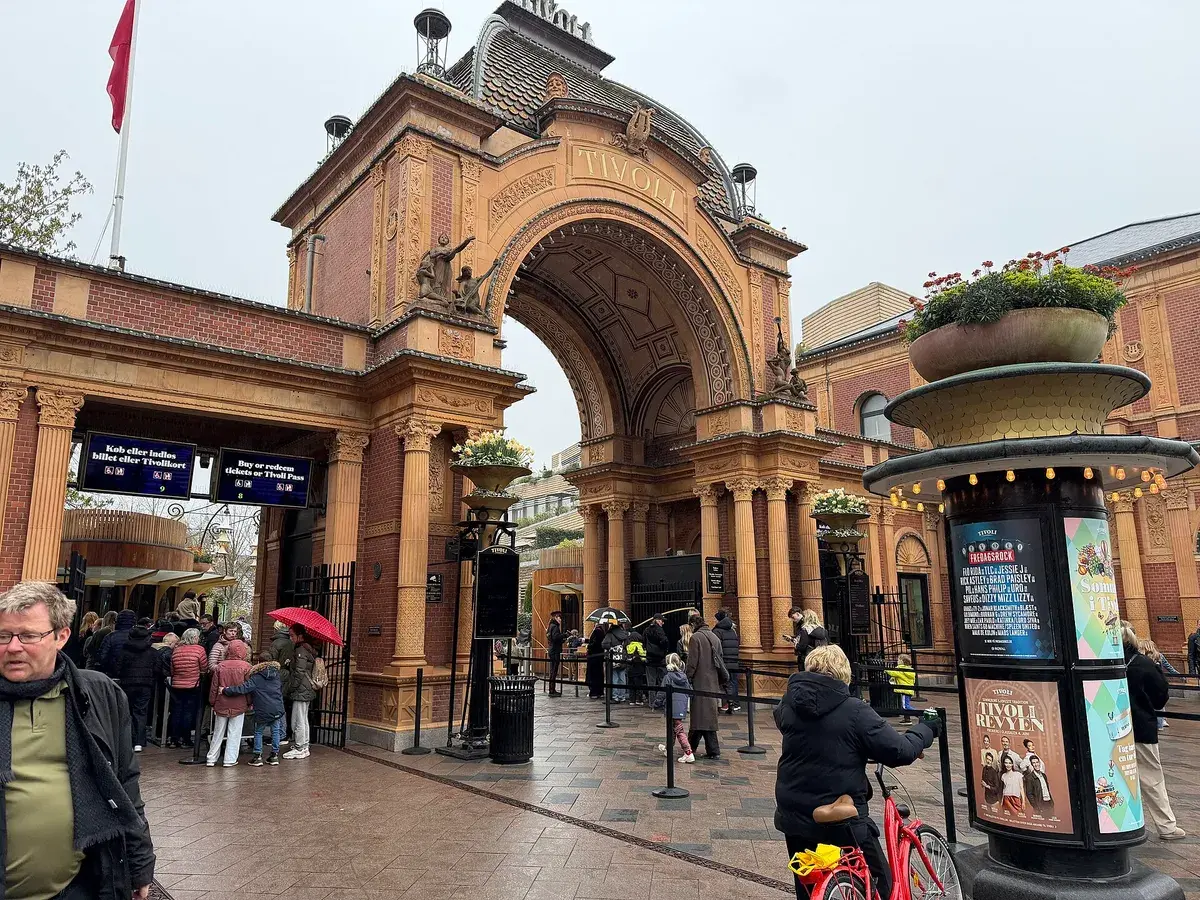
Tivoli 📍 in the centre 💶 varies. Tivoli says Entrance, Ride Pass and combined tickets vary by visit date and sometimes by time of entry, so check its visitor calendar for the day you want. Tivoli's own Halloween example shows an adult entrance at 200 kroner and a ride pass at 269, with the note that prices vary by date, so treat those as a guide, not a flat price. Season dates: Halloween 2 October to 1 November 2026, Christmas 13 November to 3 January, Easter 19 to 29 March 2027 and summer 30 March to 26 September 2027, so it is shut in between. Verdict: worth it once, for the setting more than the rides. Go in the evening.
The Little Mermaid 📍 Langelinie promenade 💶 free. A small statue by Edvard Eriksen on the harbour, a long way from the centre of town. Verdict: see it only as an add-on to a walk along the harbour and Kastellet, not as a trip of its own.
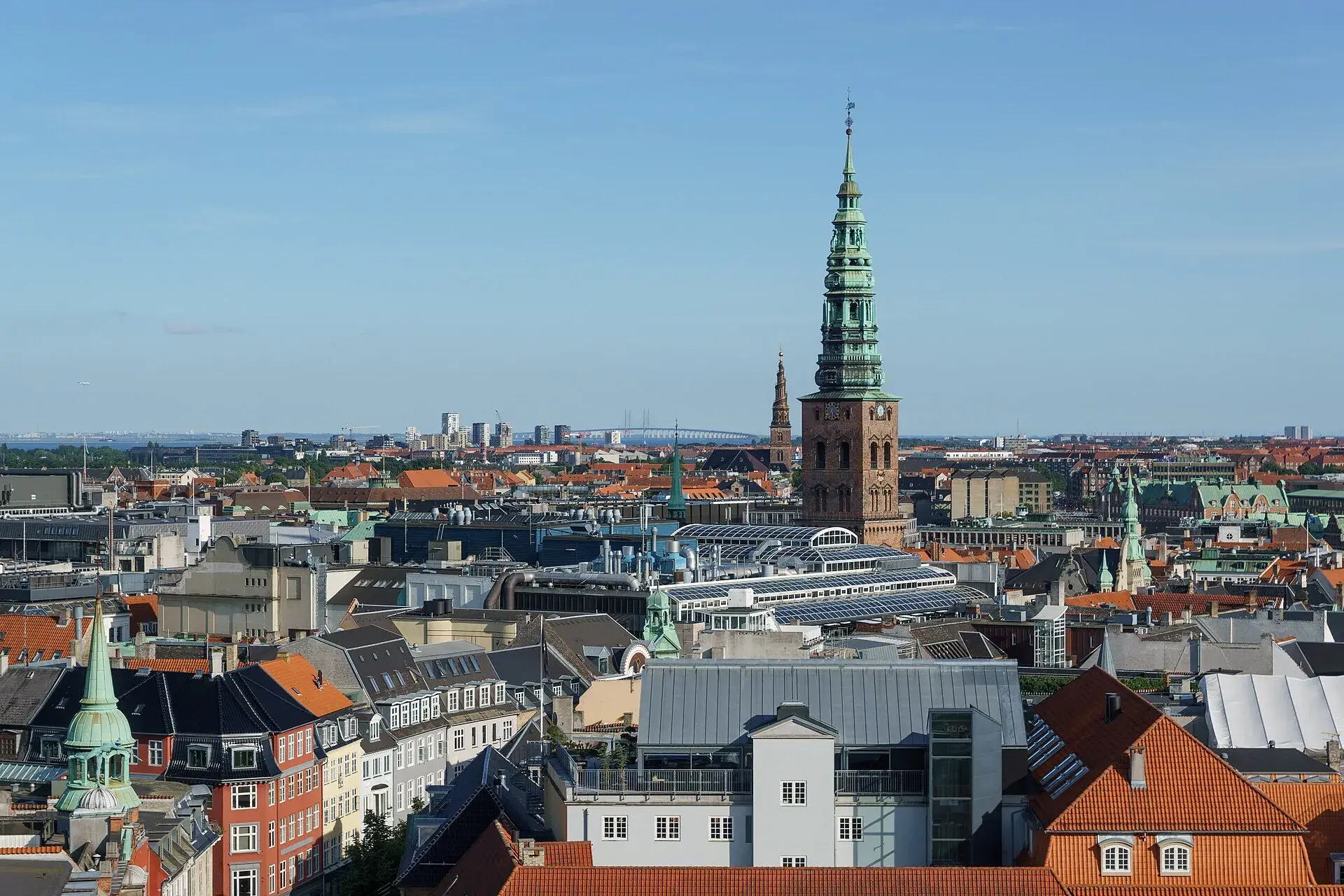
Christiansborg 📍 Slotsholmen 💶 combination ticket 225 kroner at the door, 215 online (students 150 and 140, under 18s free). Separate tickets cost 150 and 140 for the Royal Reception Rooms and 85 and 75 for each of the Ruins, Royal Kitchen and Royal Stables. 🕐 10:00 to 17:00 daily from 30 March to 1 November 2026, stables 13:30 to 16:00. The Royal Reception Rooms are closed 14 to 21 October 2026 and the whole palace on Monday 19 October, so check the day. Verdict: the tower is the free win, with a lift to a viewing platform. The national tourist board lists it as Tuesday to Saturday 11:00 to 21:00 and Sunday 11:00 to 17:30 in October, and warns of a queue because space at the top is limited. The Parliament's own page could not be read, so check ft.dk for hours.
Rosenborg Castle 📍 in the King's Garden 💶 140 kroner online or 150 at the door, per the castle's own ticket page, students 100. Under 18s are free but still need a ticket. 🕐 10:00 to 17:00 daily, then from 2 November to 23 December Tuesday to Sunday 10:00 to 16:00, closed Mondays. Verdict: yes, for the Treasury with its crown jewels. Buy online, because the castle says it can sell out on busy days.
For something cheaper with a view, the Round Tower costs 60 kroner (students 40, under 18s free) and is open Wednesday to Sunday 10:00 to 18:00 and Monday and Tuesday 10:00 to 21:00 from October to March. From April to September it is open daily 10:00 to 20:00.
🙈 Three places most visitors skip and shouldn't
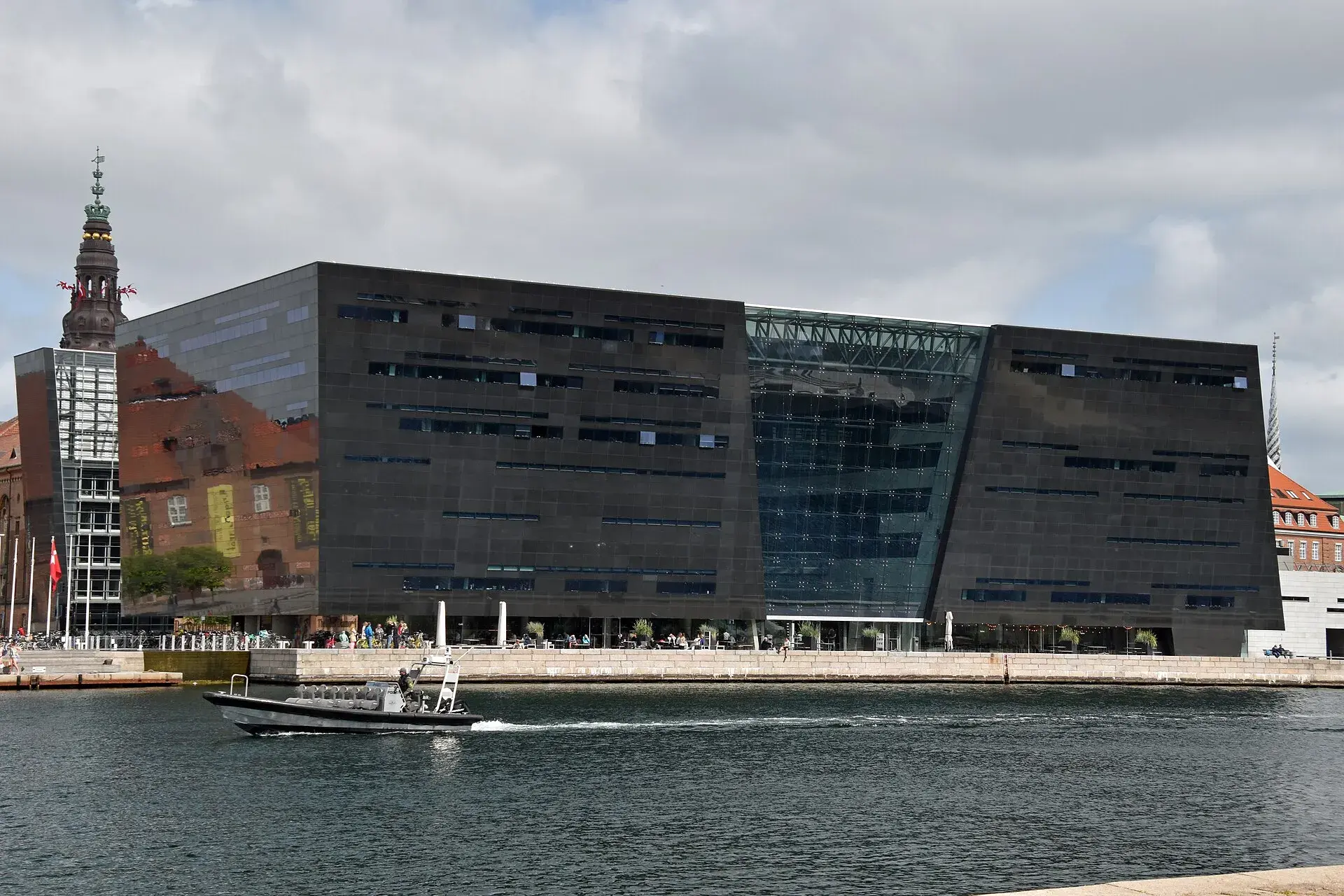
- The Royal Library, the Black Diamond. 📍 on the harbour, Slotsholmen 🕐 08:00 to 20:00 on weekdays (the live hours page showed 16:30 on Friday 9 October, so check the day), 09:00 to 18:00 on Saturdays and 10:00 to 16:00 on Sundays. Free for everyone, with exhibitions, reading rooms and a café with harbour views. Wi-Fi is through the KB-Guest network. For working there, see the coworking guide.
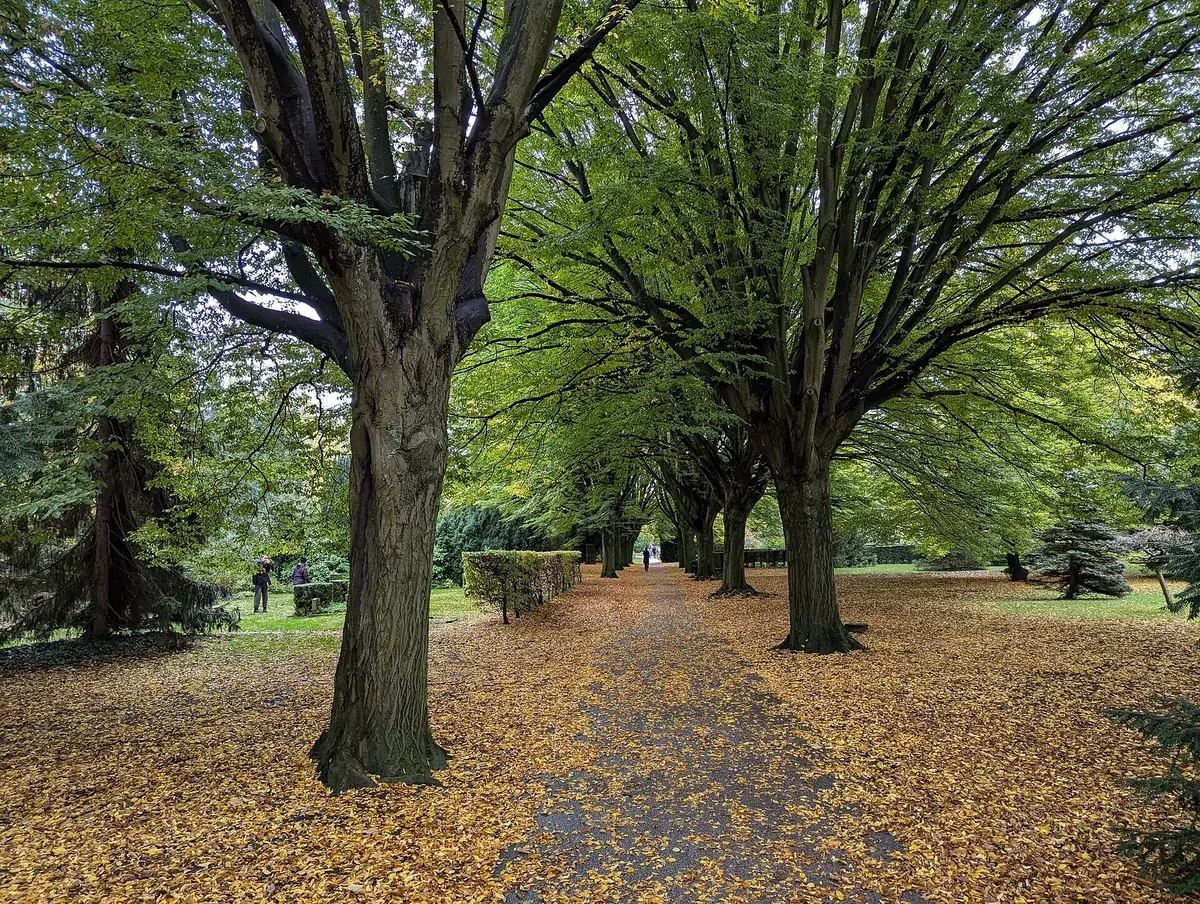
- Assistens Cemetery. 📍 Kapelvej 2, Nørrebro 🕐 07:00 to 19:00 daily in October. The graves of H. C. Andersen, Søren Kierkegaard, H. C. Ørsted and Niels Bohr, in a churchyard that locals use as a park.
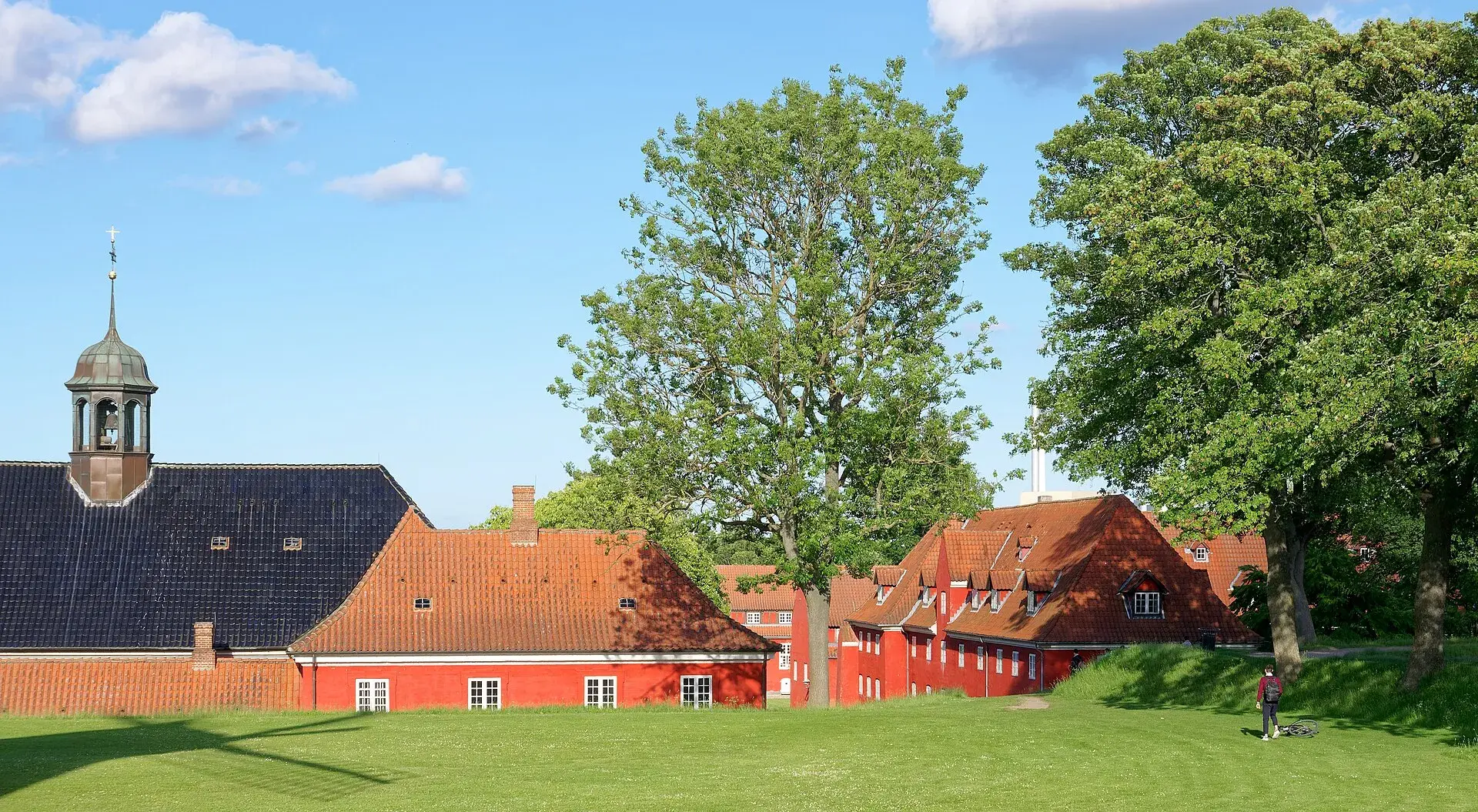
- Kastellet. 📍 on the edge of Østerbro, near Langelinie 🕐 06:00 to 22:00 in summer, 06:00 to 20:00 in winter. A fortress founded in 1626, free to walk around the ramparts, and still partly used as military barracks, so keep to the public areas.
More ideas that cost nothing are in Free Things to Do in Copenhagen.
🌦️ Weather month by month
DMI, the Danish Meteorological Institute, says it will publish its 1991 to 2020 climate normals for temperature and rain at the end of 2026. Until then, Visit Copenhagen publishes monthly average temperatures for the city, credited to DMI, with no period or method stated:
- January: 2.4°C
- February: 2.5°C
- March: 4.2°C
- April: 8.0°C
- May: 12.2°C
- June: 16.0°C
- July: 18.0°C
- August: 17.9°C
- September: 15.0°C
- October: 10.8°C
- November: 7.2°C
- December: 3.7°C
Afternoons will usually feel warmer and nights colder than these averages. Bring a light waterproof in any month. Daylight swings hard: roughly 7 hours in December and over 17 in June.
🗓️ Best and worst months
Best: late May to September. June to August average 16°C to 18°C, the harbour is open for swimming and the evenings last.
Christmas: Tivoli's Christmas season runs 13 November to 3 January, and Nyhavn has a Christmas market in December. Expect 3.7°C to 7.2°C and early dark.
Festivals: Roskilde Festival runs 26 June to 3 July 2027, in Roskilde, not in the city. The summer Copenhagen Jazz Festival is listed on jazz.dk, so check its dates before booking.
Worst: January and February, around 2.5°C, with Tivoli shut from 4 January to mid-March 2027 and the shortest days.
📅 How many days
Three days is comfortable. Day one: Strøget, the Round Tower and Nyhavn. Day two: Slotsholmen (the free tower, the Black Diamond, perhaps the palace rooms) and Rosenborg. Day three: Assistens Cemetery and Nørrebro, or Kastellet and the harbour. Two days covers the centre if you choose either Christiansborg or Rosenborg. One day works as a sampler, built around the walk below. For what three days really cost, see Copenhagen on a Budget.
🚶 A two-hour essentials walk
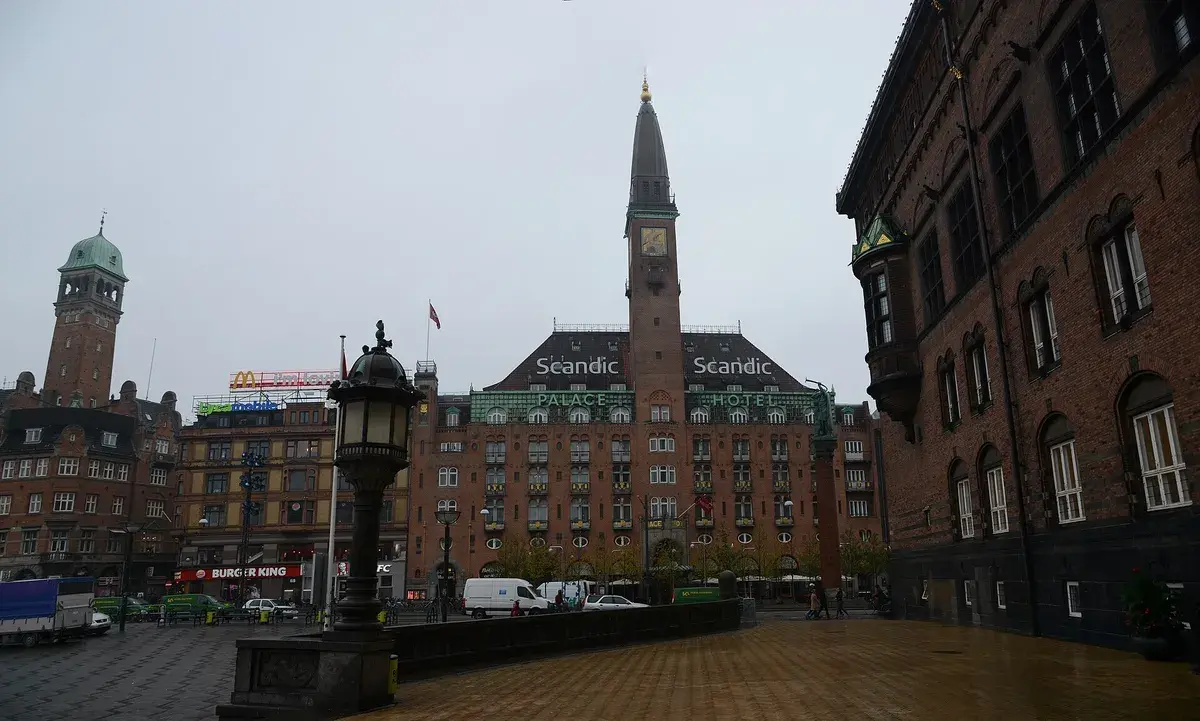
Start at Rådhuspladsen, the City Hall Square, and walk east along Strøget with no fixed plan, stopping where a side street looks good. Detour up Købmagergade for the Round Tower if you want a view, then continue to Kongens Nytorv and finish at Nyhavn.
The Ciceru Copenhagen walk covers the same start and finish with more stops, 3 km and about 2.5 hours. It is on the tour page for €7.
❓ FAQ
What is Copenhagen known for?
Design, cycling, Nyhavn and the harbour, Tivoli, the royal palaces and its food and pastry culture. It is compact, flat and easy to cross on foot.
What is the best month to visit Copenhagen?
Late May to September, when average temperatures run from 12°C to 18°C and the days are longest. Visit in late November or December if you want Tivoli's Christmas season and do not mind the dark.
How many days do you need in Copenhagen?
Three days for the centre, one royal sight and a neighbourhood or two. Two days is enough if you pick one royal sight.
✅ Before you go
Check Tivoli's visitor calendar for the day you want, book Rosenborg online, and confirm the Christiansborg tower's hours on the Parliament's page before you climb. For the practical side, see Getting Around Copenhagen for transport and luggage, Copenhagen on a Budget for daily costs, What to Eat in Copenhagen for dishes, Free Things to Do in Copenhagen for what costs nothing, and the coworking guide if you plan to work. To walk it, start with the Ciceru Copenhagen walk, or see the Copenhagen page.