What Is Closed in Germany? Sunday and 2027 Rules
Last updated: August 2026
Introduction
A short German city break can run into two closure patterns. Ordinary shops are usually closed on Sunday, while many museums close on Monday. A Sunday and Monday trip can put groceries out of reach first, then remove some museum options the next day. Public holidays make the answer less national than many guides suggest. Germany has nine nationwide holidays, but several more are set by states, municipalities or even one city. The rules and dates below were checked on 31 August 2026. Check exact local hours before travel.

Quick answer
On an ordinary Sunday, assume that supermarkets, shopping centres, clothing shops and electronics shops are closed. Restaurants, cafés, many museums, limited-hours bakeries, petrol stations, shops at qualifying railway stations and emergency pharmacies can still be available. Buy ordinary groceries on Saturday if possible.
On a public holiday, ordinary retail is generally closed in the states observing that holiday. Restaurants and cafés may open, public transport normally continues on a Sunday or holiday schedule, and museums decide their own holiday hours. A state border can change the answer completely.
Monday is the most common normal closing day for museums, especially art and municipal museums, but it is not a universal rule. In a verified sample of 15 prominent museums in 13 Ciceru German tour cities, 13 normally close on Monday. The Deutsches Museum in Munich opens daily, and the Bauhaus-Museum Weimar closes on Tuesday instead.
Why Sunday shopping is different in every state
Article 140 of the Basic Law, together with Article 139 of the Weimar Constitution, protects Sundays and state-recognised holidays as days of rest. See the constitutional text and Article 139, checked on 31 August 2026.
The retail detail is state law, not one current Germany-wide shop-opening code. The Federal Ministry of Labour and Social Affairs says the Länder received exclusive competence for shop closing after the federalism reform. Bavaria completed its own transition with the 2025 Bavarian Ladenschlussgesetz. The old federal Ladenschlussgesetz remains useful historical background, but it should not be presented as the operative uniform rule for all 16 states.

What can still be open on Sunday
Restaurants, cafés and bars are hospitality businesses rather than ordinary retail. They are not automatically closed by shop-opening law, although each business can choose its own weekly closing day. Check the individual venue rather than assuming every restaurant trades.
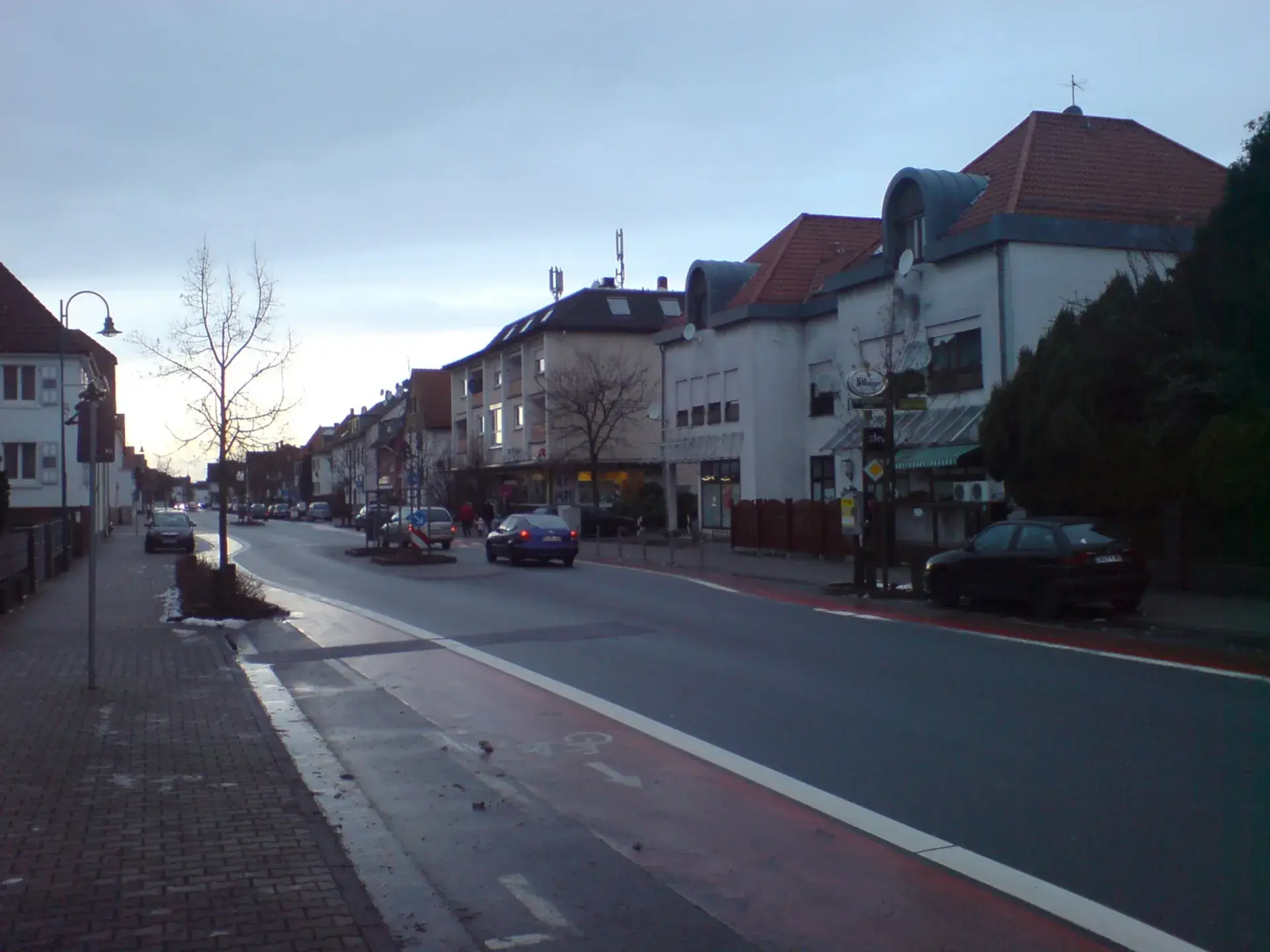
Bakeries are a useful Sunday fallback, but “three hours on Sunday morning” is not a safe national rule. Bavaria expressly allows a three-hour bakery window somewhere between 08:00 and 18:00 under Art. 3 of its Ladenschlussgesetz. In North Rhine-Westphalia, qualifying bakery and confectionery shops may open for five hours under the NRW opening-hours law.
Railway stations and airports can contain Sunday-open shops or supermarkets. The exception covers qualifying transport hubs and permitted goods, not every branch near a station. Use a station shop as a backup for drinks, snacks and basic food, not as a promise of a full supermarket.
Petrol stations generally keep trading for fuel and limited travel or convenience needs. Their Sunday exception does not turn the forecourt shop into an unrestricted supermarket. Prices can also be higher than in an ordinary grocery branch.
Pharmacies use a rotating emergency service, the Apotheken-Notdienst. The official Aponet search uses data from the German pharmacists' organisations and covers weekends, nights and public holidays. The nearest pharmacy on duty changes by place and date, so search the destination rather than saving a generic branch address.
Museums, cinemas and other leisure venues are not automatically closed by Sunday retail rules. Cultural venues often choose Sunday as an opening day and Monday as their weekly closing day. Their own visitor page is the authority.
The Monday museum warning
“Museums close on Monday in Germany” is an overstatement. Monday is the most common normal closing day in the checked sample, but the exceptions are important for a short trip.
The 13 normal Monday closures included major venues in Munich, Frankfurt, Hamburg, Leipzig, Nuremberg, Stuttgart, Aachen, Bremen, Cologne, Münster, Görlitz, Goslar and Speyer. Their official visitor information and LWL opening-hours page were checked on 31 August 2026.
The two regular Monday openings were the Deutsches Museum, normally open daily from 09:00 to 17:00, and the Bauhaus-Museum Weimar, which normally closes on Tuesday instead.
Public holidays can override the normal weekly schedule. Museum Ludwig and MdbK Leipzig state that public-holiday Mondays can open, while the Historisches Museum der Pfalz in Speyer can open on public-holiday Mondays and some school-holiday Mondays. Kunsthalle Bremen lists Easter Monday, 29 March 2027, as open, and Germanisches Nationalmuseum has also opened Easter Monday and Whit Monday in its published holiday calendar. Check the museum's holiday notice, not just the weekday.

Germany's 2027 public holidays
These nine dates apply throughout Germany. The BMAS national holiday information and Rhineland-Palatinate's official calendar were checked on 31 August 2026.
- Friday 1 January: New Year's Day.
- Friday 26 March: Good Friday.
- Monday 29 March: Easter Monday.
- Saturday 1 May: Labour Day.
- Thursday 6 May: Ascension Day.
- Monday 17 May: Whit Monday.
- Sunday 3 October: German Unity Day.
- Saturday 25 December: Christmas Day.
- Sunday 26 December: Second Christmas Day.
Regional dates that can catch visitors out include:
- Wednesday 6 January, Epiphany: Baden-Württemberg, Bavaria and Saxony-Anhalt. Hesse and Rhineland-Palatinate do not observe it as a state holiday.
- Monday 8 March, International Women's Day: Berlin and Mecklenburg-Vorpommern. For most of Germany it is an ordinary Monday.
- Sunday 28 March, Easter Sunday, and Sunday 16 May, Whit Sunday: Brandenburg explicitly classifies both as statutory holidays. The practical retail effect is limited because both are already Sundays.
- Thursday 27 May, Corpus Christi: Baden-Württemberg, Bavaria, Hesse, North Rhine-Westphalia, Rhineland-Palatinate and Saarland. It also applies in specified areas of Saxony and Thuringia, not to either state as a whole. The Rhineland-Palatinate ministry page and the Saxon statute explain the territorial limits.
- Sunday 8 August, Augsburg Peace Festival: Augsburg city only. This is a city-level holiday under Bavaria's Feiertagsgesetz, not a holiday for Bavaria as a whole.
- Sunday 15 August, Assumption: Saarland statewide, and only predominantly Catholic municipalities in Bavaria. The Bavarian classification can differ between neighbouring municipalities.
- Monday 20 September, World Children's Day: Thuringia only. In 2027 it is a Monday, so ordinary shops close there while nearby states can have a normal Monday.
- Sunday 31 October, Reformation Day: Brandenburg, Bremen, Hamburg, Mecklenburg-Vorpommern, Lower Saxony, Saxony, Saxony-Anhalt, Schleswig-Holstein and Thuringia.
- Monday 1 November, All Saints' Day: Baden-Württemberg, Bavaria, North Rhine-Westphalia, Rhineland-Palatinate and Saarland. It is a significant 2027 border trap because it falls on a Monday.
- Wednesday 17 November, Day of Prayer and Repentance: Saxony only. It is a weekday closure in Saxony, not a nationwide holiday.
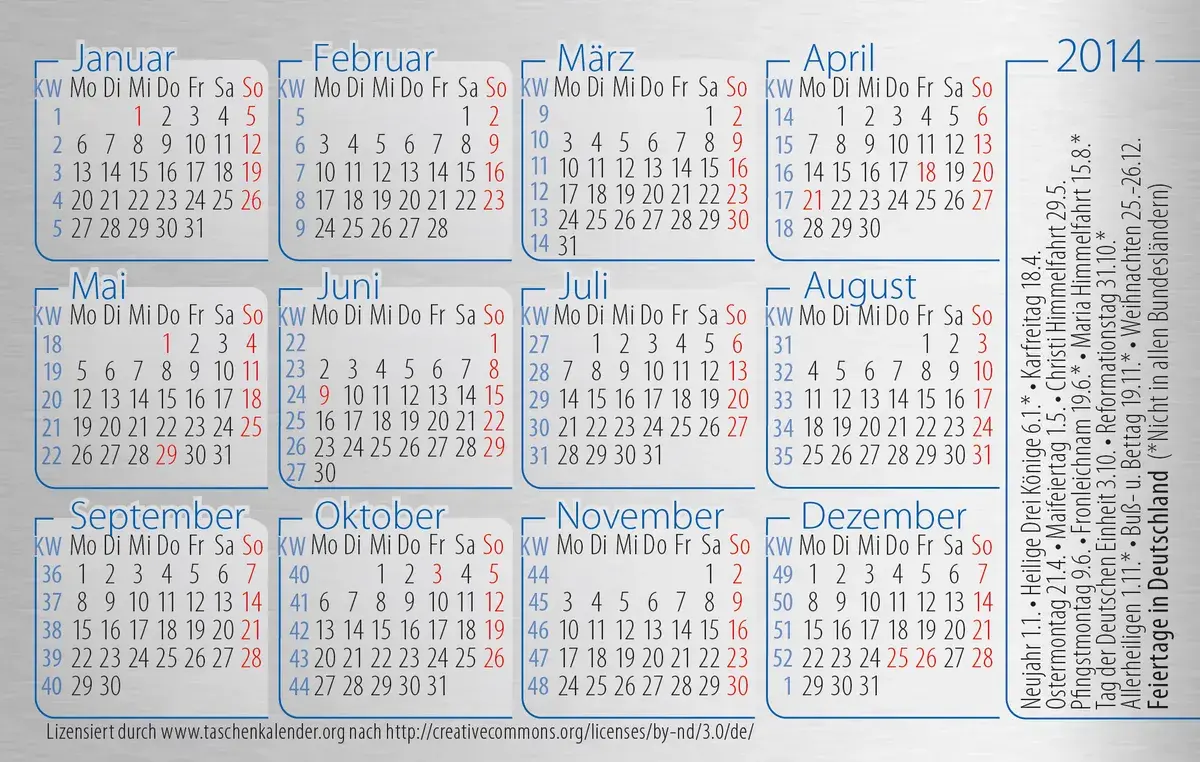
Verkaufsoffene Sonntage are local, not national
A Verkaufsoffener Sonntag is a legally permitted local Sunday opening, usually linked to a public event or another recognised public-interest reason. The municipality or other local authority designates the date under the relevant state act. Dates can be challenged, withdrawn or changed.
There is no reliable national number. The checked examples show why:
- Baden-Württemberg permits a maximum of three per municipality under the IHK Rhein-Neckar summary.
- Bavaria permits up to four event-related Sundays or holidays, with five continuous hours between 10:00 and 18:00 under Art. 6 of the Bavarian law. Advent Sundays in December are excluded from this ordinary event mechanism.
- Brandenburg permits up to six, normally between 13:00 and 20:00, under its opening-hours law.
- North Rhine-Westphalia permits up to eight non-consecutive openings with a public-interest justification.
- Saxony has up to four municipality-wide openings plus narrower regional-event provisions.
- Lower Saxony's current guidance distinguishes six municipality-wide openings, normally no more than four in one local area, and up to eight for recognised excursion resorts. See the IHK Osnabrück guidance.
Do not rely on a fixed national list of 2027 dates. Search the official city or municipal website for “[city] verkaufsoffener Sonntag 2027”, then check the ordinance or event notice.
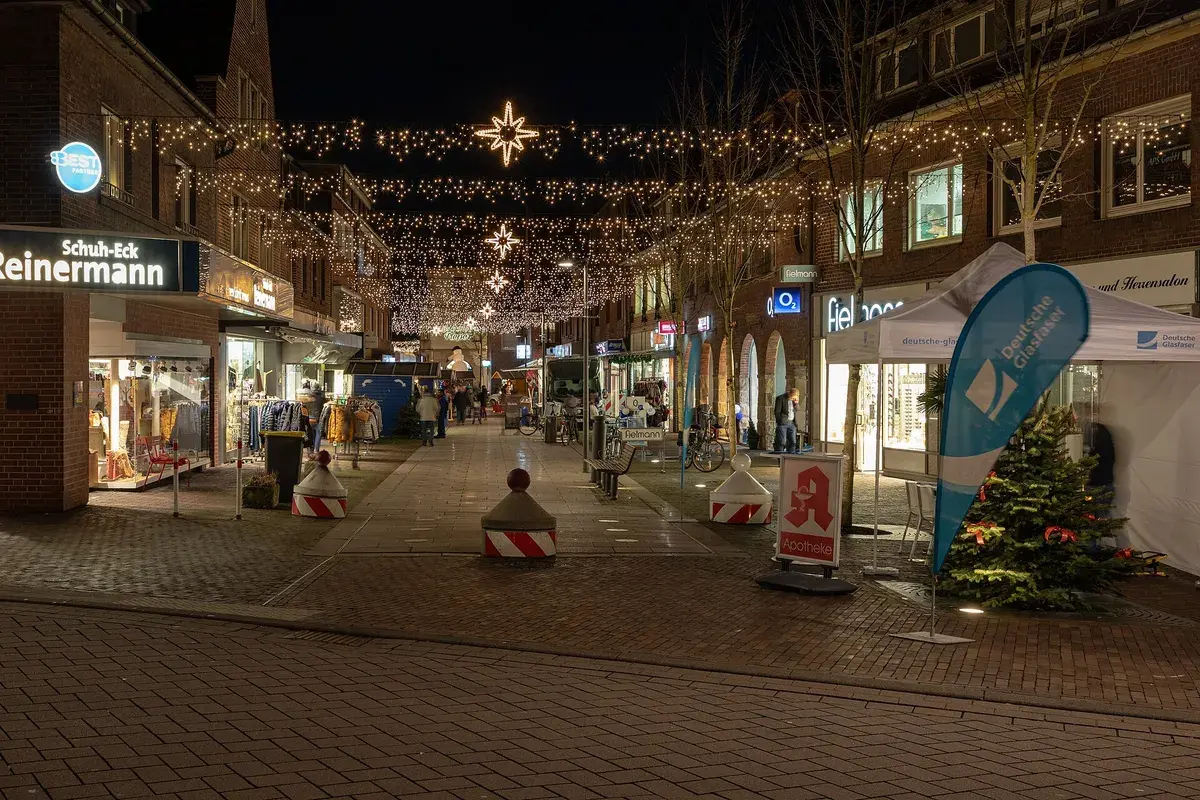
Quiet days and the dance-ban problem
There is no single national timetable for restrictions on dancing and public entertainment. State law can affect nightlife without requiring restaurants to close.
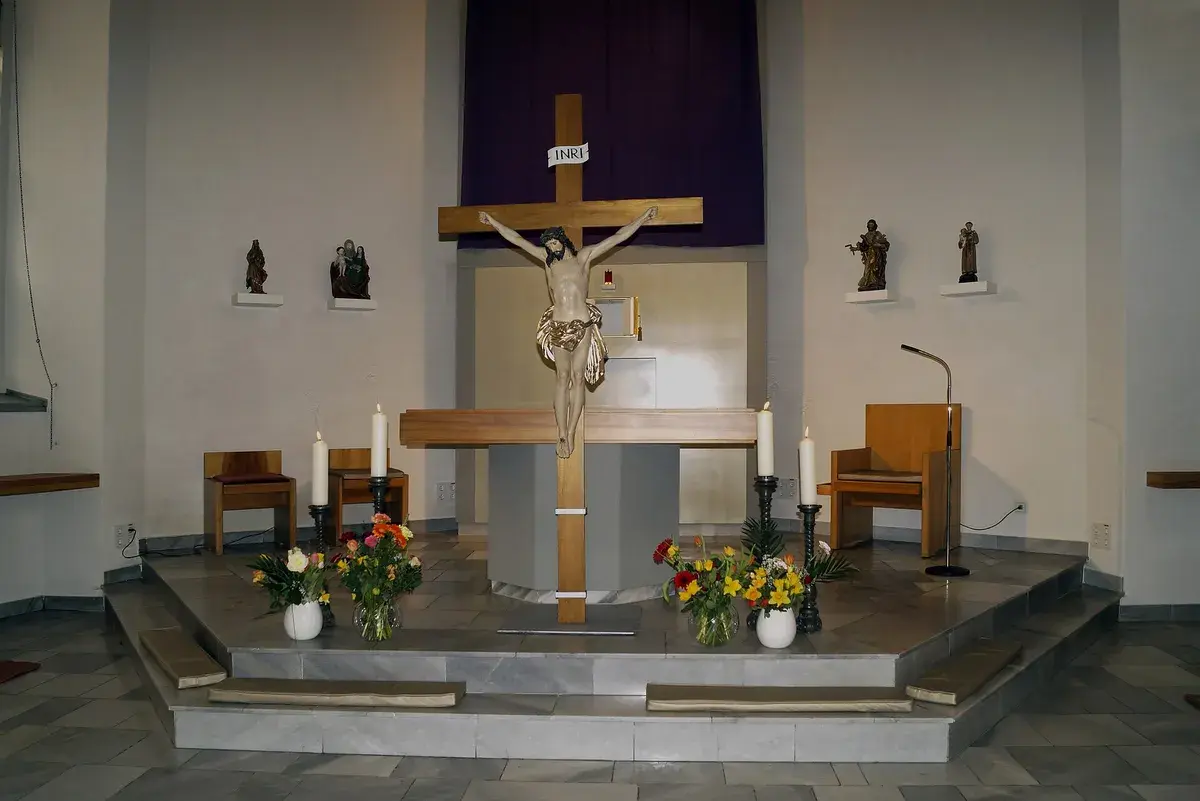
North Rhine-Westphalia applies stronger restrictions on days including Good Friday, All Saints, Volkstrauertag and Totensonntag. Good Friday has the strongest limits, including dancing, certain entertainment events and some film screenings, with restrictions extending until 06:00 the following day. Public dancing is also prohibited from 18:00 on Maundy Thursday under the NRW Feiertagsgesetz.
Bavaria's stille Tage include Ash Wednesday, Maundy Thursday, Good Friday, Holy Saturday, All Saints, Volkstrauertag, Totensonntag, Buß- und Bettag and Christmas Eve. Public entertainment must preserve the serious character of the day. Good Friday also restricts sport and musical performance in licensed drinking premises under the Bavarian Feiertagsgesetz.
A restaurant may still serve dinner, but a nightclub, public dance, concert or entertainment programme can be cancelled, altered or barred during protected hours. Check Good Friday against the state's law and venue announcement.
What to do in each case
An ordinary Sunday
Buy groceries on Saturday. On Sunday, use a limited-hours bakery, station or airport retail, petrol-station shop, restaurant or café. Search Aponet for an emergency pharmacy. Expect public transport to run, but on a Sunday pattern rather than a weekday commuter pattern. Deutsche Bahn's journey planner and timetable-symbol guide identify Sunday and general-holiday services. Local buses, trams and metros publish their own schedules.
A regional public holiday
First identify the state, municipality or city where the accommodation and shop are located. On Monday 1 November 2027, ordinary shops are holiday-closed in Baden-Württemberg, Bavaria, NRW, Rhineland-Palatinate and Saarland, while a neighbouring state can have a normal Monday. Food comes from gastronomy and the local Sunday and holiday exceptions. Museums may open despite a Monday closure or may publish a special closure. Public transport usually follows the local Sunday or holiday pattern.
A nationwide public holiday
Ascension Day on Thursday 6 May 2027 is a useful example. Ordinary retail closes nationwide, while restaurants and cafés can trade. Emergency pharmacy cover continues. Museums decide their own holiday hours, so check the venue. Trains, buses, trams and metros continue, but weekday commuter frequency is not guaranteed. Use the local operator or DB Navigator before departure.
FAQ
Are shops closed every Sunday in Germany?
Ordinary retail is broadly closed, but exemptions differ by state. Bakeries, transport hubs, petrol stations, emergency pharmacies, restaurants and some special local openings can still serve visitors.
Can a supermarket open on a Sunday?
An ordinary supermarket branch usually cannot open as normal. A qualifying station or airport shop may be open under a transport-hub exception, and a municipality can authorise a local shopping Sunday under its state law.
Are museums closed on Monday?
Monday is the most common normal closing day in the checked sample, not a universal rule. The Deutsches Museum opens daily, Bauhaus-Museum Weimar closes Tuesday, and public-holiday Mondays can have special hours.
Is 1 November 2027 a holiday everywhere?
No. All Saints' Day is a public holiday in Baden-Württemberg, Bavaria, North Rhine-Westphalia, Rhineland-Palatinate and Saarland. Nearby states can have an ordinary Monday.
Where can the 2027 shopping Sundays be found?
On the official city or municipal website. Search the city name with “verkaufsoffener Sonntag 2027” and confirm the current local notice.
Before you go
- Buy ordinary groceries before Sunday or a public holiday.
- Check the state and, for some holidays, the municipality.
- Verify bakery, station-shop and petrol-station hours for the exact location.
- Check the museum's own page for Monday and public-holiday exceptions.
- Search the Aponet emergency-pharmacy rota if medicine is needed.
- Expect Sunday or holiday public transport, not a normal weekday frequency.
- Check Good Friday and other quiet-day rules before booking nightlife.
- Treat any nationwide number of Verkaufsoffene Sonntage as a warning sign.