Hallstatt World Heritage Museum: History & Artifacts
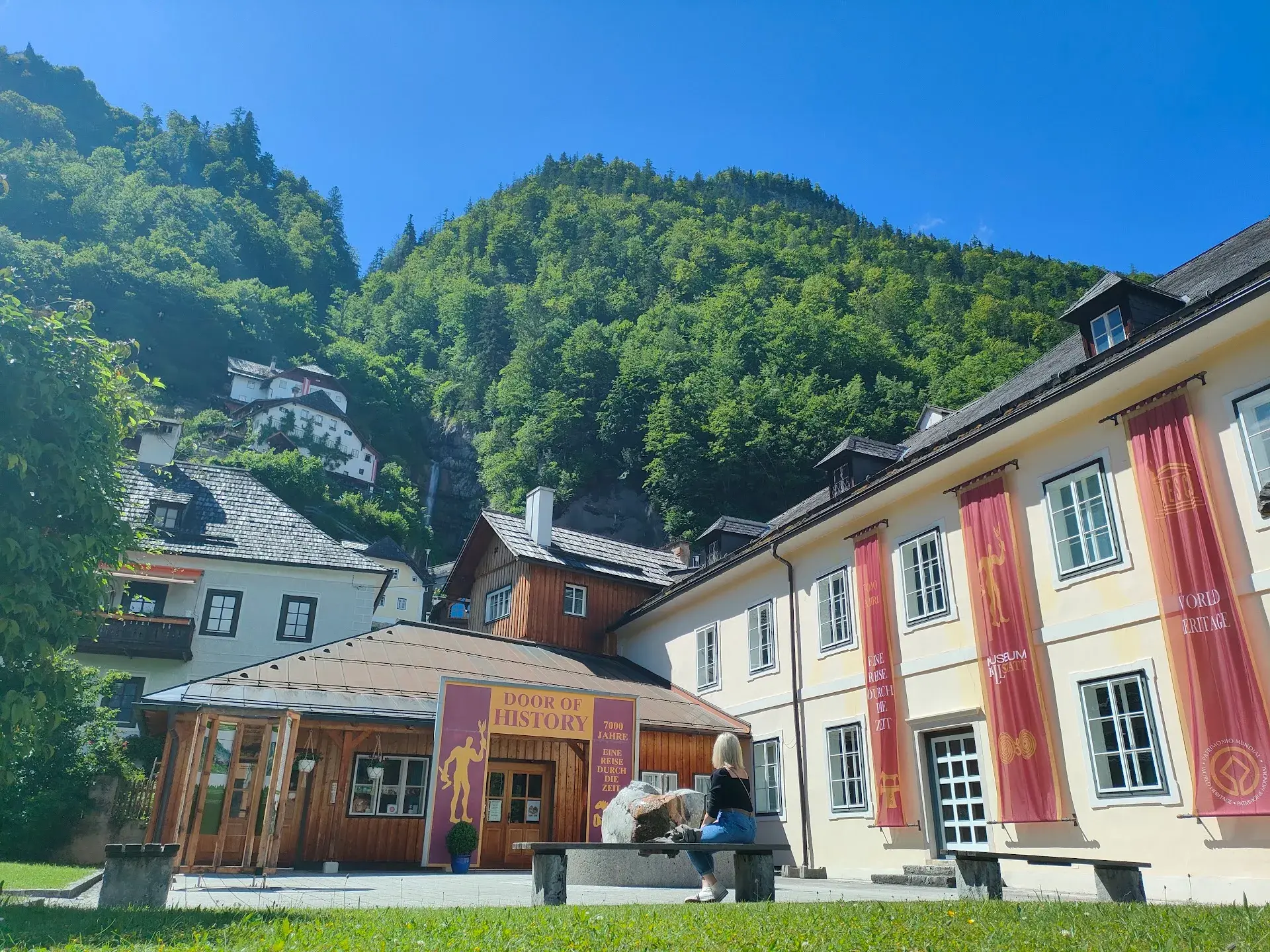
Situated on Seestraße in Hallstatt, Upper Austria, the Welterbemuseum Hallstatt (also known as Museum Hallstatt) documents more than 7,000 years of regional settlement and industry. Located along the pedestrian thoroughfare connecting the ferry landing to the market square, the museum occupies a listed former Catholic rectory. The institution presents the archaeological record and civic history that explain how an isolated alpine lakeside settlement developed enduring international trade and influence through rock-salt mining.
Origins of Museum Hallstatt
The museum owes its existence to local preservation efforts in the late 19th century. In 1884, residents formed the Musealverein (Museum Association) to halt the widespread private sale and dispersal of prehistoric artifacts uncovered in the surrounding valley. Because imperial institutions in Vienna claimed many high-value discoveries, the association sought to retain a representative collection within Hallstatt itself.
A dedicated municipal museum opened in 1898 to commemorate Emperor Franz Joseph I's 50th jubilee. In 2002, the facility underwent extensive redevelopment, reopening as a modern multimedia World Heritage museum. Today, it operates year-round, offering self-guided exhibitions with bilingual German and English interpretive texts and multimedia presentations.
The Prehistoric Necropolis and the Hallstatt Period
The core of the museum's archaeological holdings traces back to 1846, when Johann Georg Ramsauer, director of the local state salt mine, discovered an extensive prehistoric cemetery in the high valley above the town. Over a span of 17 years, Ramsauer methodically documented nearly 1,000 graves. The excavations uncovered an array of grave goods, including weapons, bronze vessels, amber, and intricate gold jewelry.
These discoveries proved so significant to European archaeology that in 1874, Swedish archaeologist Hans Hildebrand designated the European Early Iron Age as the "Hallstatt Period." The distinctive material culture uncovered in the alpine valley transformed the village into the type-site for an entire era spanning approximately 800 to 450 BC.
Salt Preservation and Rare Organic Artifacts
Beyond metalwork and jewelry, the museum features rare organic artifacts that rarely survive in prehistoric archaeological contexts. Within the mountain's ancient mine galleries, the drying, antiseptic salt chambers prevented bacterial decay, preserving perishable tools and clothing for millennia.
Exhibits feature rawhide backpacks, bast fibers, leather satchels, and wooden tools that retain their original structural details. The galleries also include reconstructions of the affluent "Salt Lords' Graves," illustrating the social stratification fueled by the salt trade, as well as an authentic open-hearth kitchen reflecting local domestic life.
Regional Evolution and the Lost Salt Mummy
The museum also records significant events in Hallstatt's broader municipal development. Displays detail the construction of the industrial brine pipeline to Ebensee in 1595 and examine the destructive town fire of 1750, which reshaped the village's architectural layout.
The historical record also notes unusual encounters with the mountain's preservative environment. In 1734, miners discovered a fully mummified prehistoric body preserved intact by salt. However, local clergy viewed the corpse with suspicion and buried it in the churchyard, where the saline-preserved remains rapidly dissolved in the soil.
FAQ
Why was the Hallstatt World Heritage Museum created?
The museum was founded in 1884 by the local Musealverein to prevent the dispersal and private sale of prehistoric artifacts discovered in the nearby salt mines and necropolis.
Why is the Early Iron Age known as the Hallstatt Period?
In 1874, Swedish archaeologist Hans Hildebrand named the European Early Iron Age (approximately 800–450 BC) after Hallstatt because the extensive grave goods found there defined the era's material culture.
What happened to the mummified miner discovered in Hallstatt in 1734?
After miners discovered an intact, salt-mummified prehistoric corpse in 1734, local clergy viewed the body with suspicion and buried it in the churchyard, causing the saline-preserved remains to dissolve.
Discover Hallstatt like never before
Dive into Hallstatt hidden stories and secret spots with Ciceru interactive tours.
Explore tour
Audioguide
Quizzes
Maps
Solo
Couples
Groups & families

© Photo by VIP via Google Maps · Google Places