Vienna's Freyung: Birth of the Christkindlmarkt
The Historic Cradle of Vienna's Christmas Markets
The Freyung is a triangular public square situated in Vienna’s Innere Stadt, enclosed by historic architecture including the Schottenstift (Benedictine Scottish Abbey) and aristocratic residences like Palais Daun-Kinsky and Palais Harrach. While seasonal trading fairs such as the medieval Thomasmarkt took place across Vienna in earlier eras, the Freyung holds a foundational place in the city's holiday history. In 1722, written municipal records first documented a dedicated holiday fair on the square: the Nikolo-, Weihnachts- und Krippenmarkt (Saint Nicholas, Christmas, and Nativity Market), which featured 108 wooden stalls.
The square's origins date to the mid-twelfth century. Between 1155 and 1158, Duke Heinrich II Jasomirgott invited Hiberno-Scottish Benedictine monks to establish an abbey outside Vienna’s old Roman fortification walls. The term Freyung derives from the medieval asylum privilege, or Freiung, granted to the Schottenstift. Under this status, the abbey grounds were exempt from municipal court jurisdiction, granting legal sanctuary to fugitives.
The Evolution and Relocation of the Holiday Trade
By the eighteenth century, the seasonal market on the abbey grounds had become a hub for gingerbread bakers (Lebzelter) and nativity carvers. However, the space was also used for routine daily and weekly produce trading. Overcrowding led to ongoing friction between regular food merchants and more than 130 holiday vendors competing for limited ground.
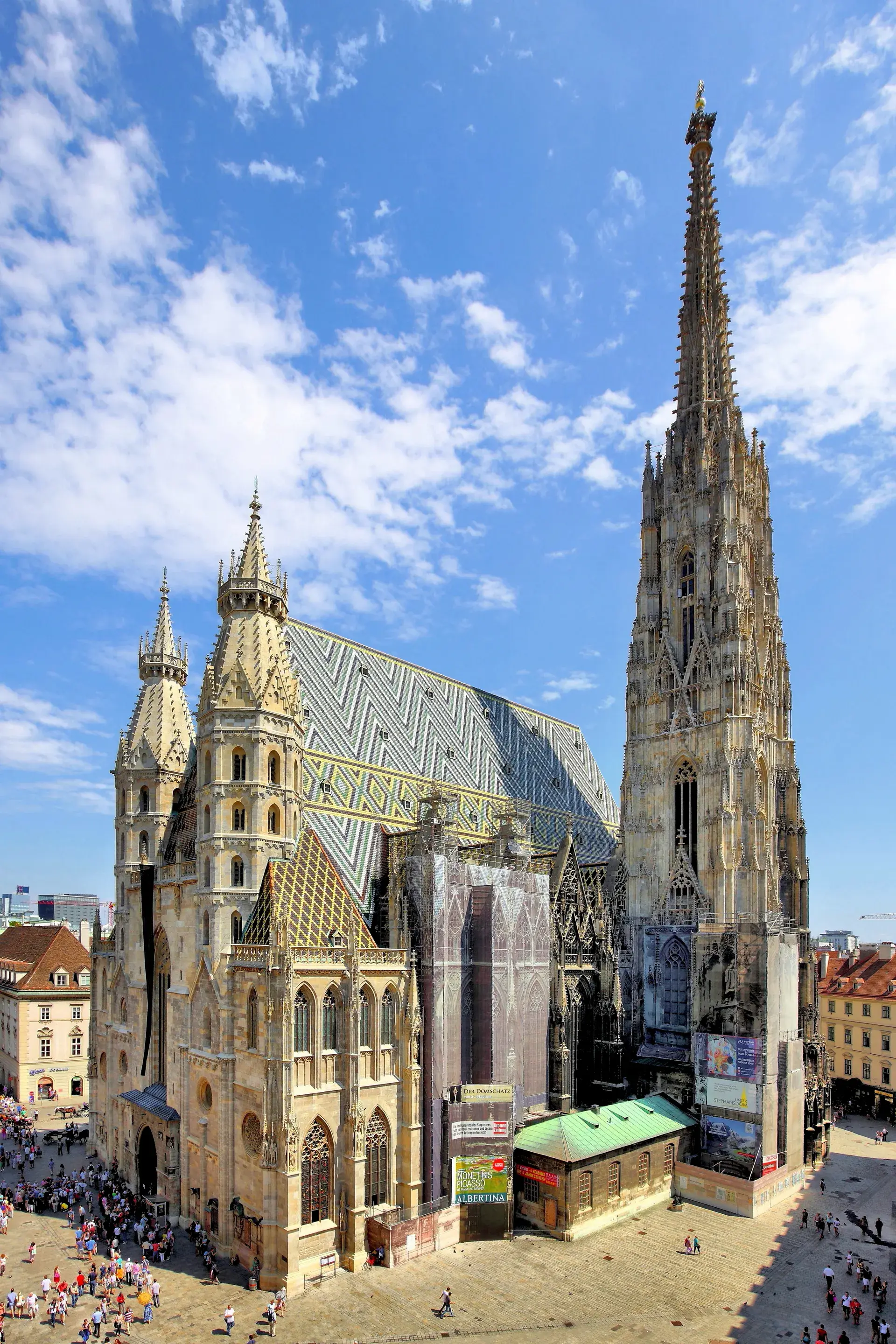
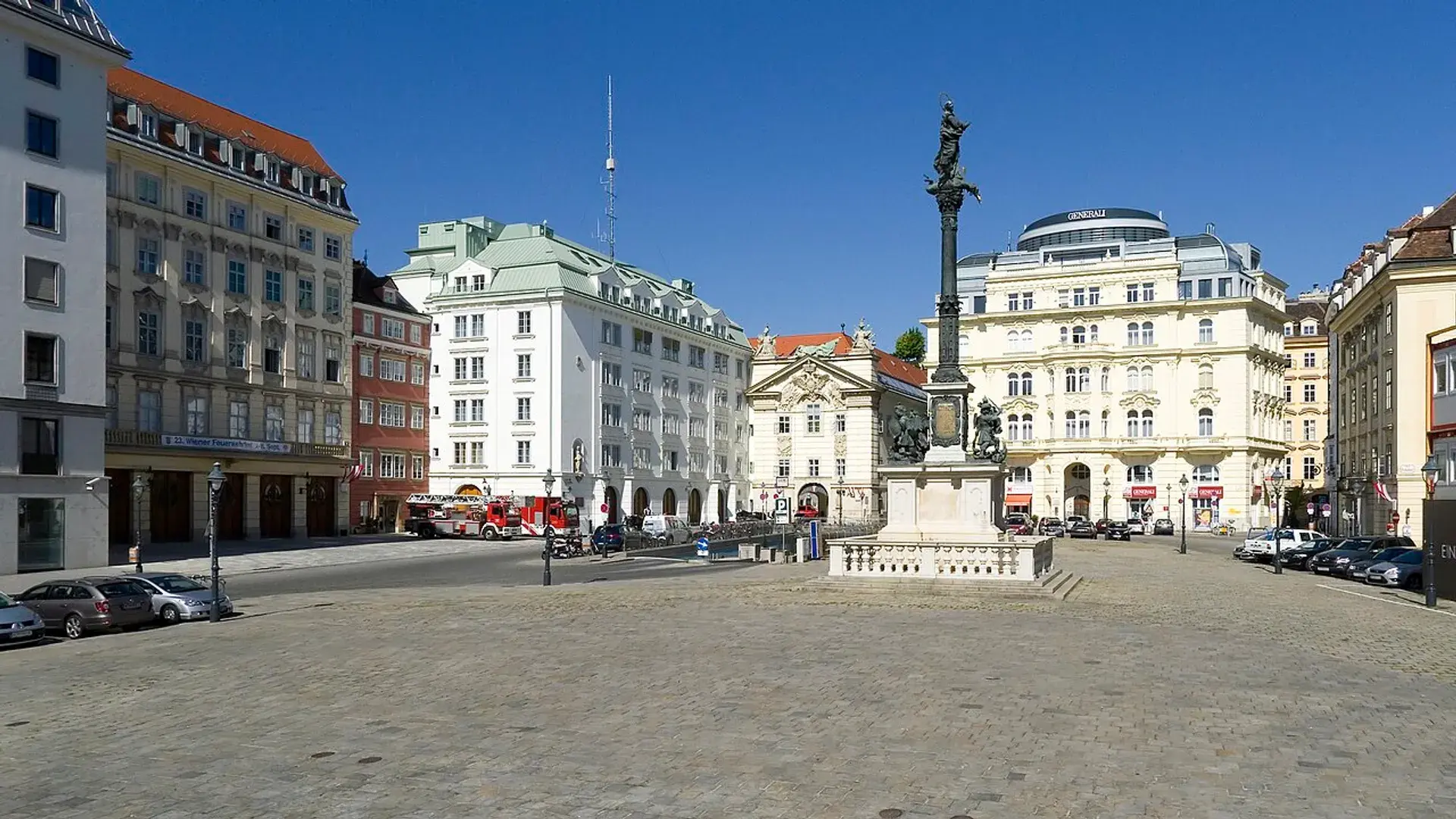
In 1842, municipal authorities permanently addressed the spatial dispute by shifting the official Advent market to the larger nearby square, Am Hof. Over the next century and a half, Vienna's primary Christmas market moved across numerous venues, including Stephansplatz, the Neubaugürtel, and the Messepalast (now the MuseumsQuartier), before establishing its large commercial presence on the Rathausplatz in 1975.
Holiday trading returned to its historic home on the Freyung in 1989. The Altwiener Christkindlmarkt (Old Viennese Christmas Market), originally established at Michaelerplatz in 1987, moved to the square to offer a craft-focused, traditional alternative to larger commercial events.
The Modern Altwiener Christkindlmarkt
Today, the Altwiener Christkindlmarkt operates annually from mid-November through December 23, housing between 55 and 60 wooden market stalls. The square is framed by the twin belfries of the Schottenkirche, while the scents of pine boughs, cinnamon, orange peel, and mulled wine drift around copper punch cauldrons.
The market emphasizes traditional craftsmanship rather than mass-produced holiday goods. Offerings include hand-blown glass ornaments, ceramics, wood carvings, nativity scenes, and regional seasonal specialties such as Kletzenbrot (spiced dried-fruit bread). Alongside the holiday stalls, an organic farmers' market (Biobauernmarkt) operates within the square. The market schedule also includes daily live cultural programming, featuring alpine brass ensembles (Turmbläser), folk choirs, and traditional children's puppet performances.
Art and Curiosities on the Freyung
The square features notable artistic and architectural landmarks alongside its stalls. Mounted along the rear exterior of the wooden huts facing the street is Austria's Longest Nativity Scene (Längste Krippe Österreichs). Measuring approximately 46 meters in length, this continuous painted wooden frieze was created by artist Dorothea Neudorfer, reproducing an 1830 Nativity cycle by the painter Josef Ritter von Führich.
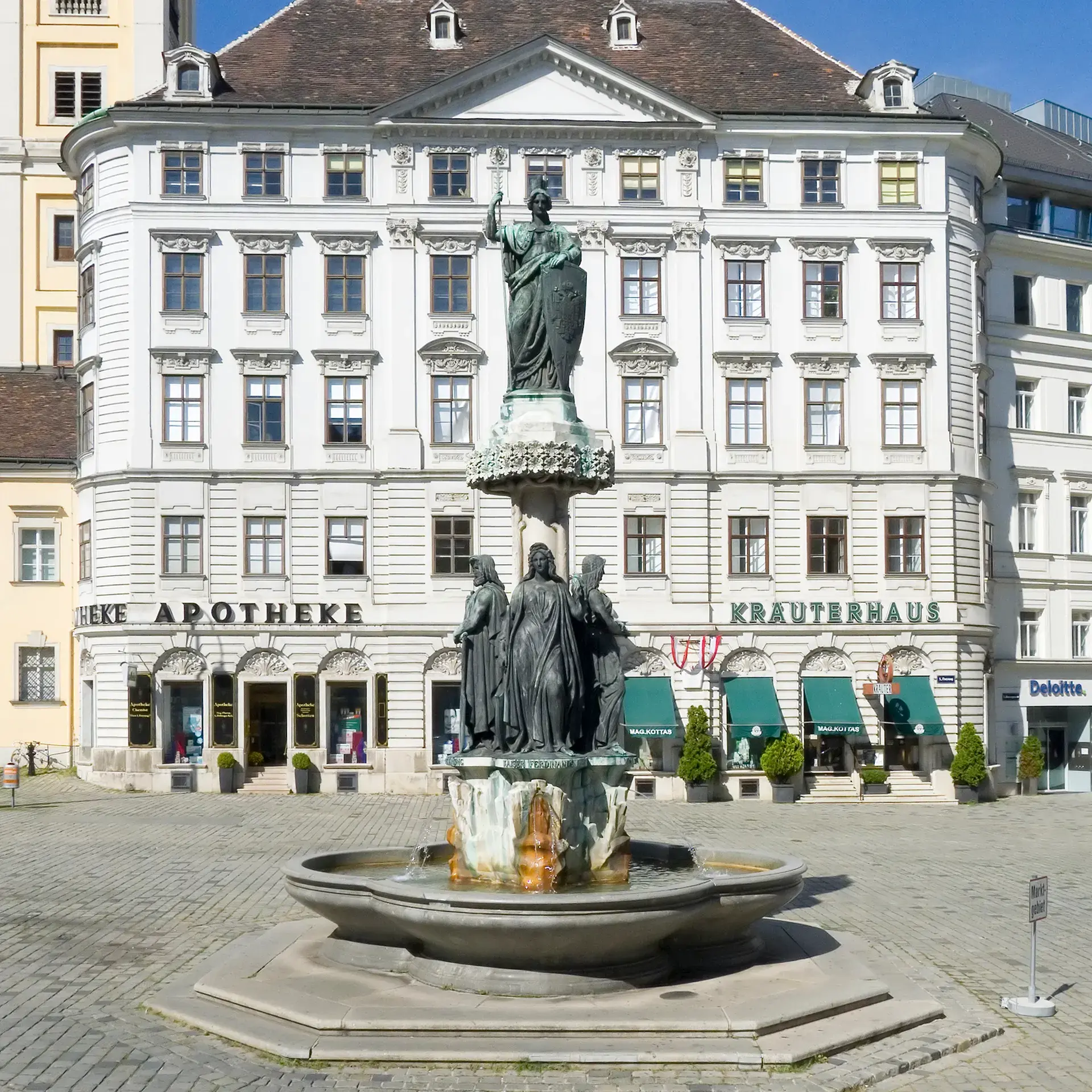
At the center of the square stands the Austriabrunnen, a fountain erected in 1846 by sculptor Ludwig Schwanthaler. It features an allegorical bronze figure of Austria standing above personifications of four primary rivers associated with the Habsburg domains: the Danube, Elbe, Vistula, and Po. A local urban legend long held that Schwanthaler used the hollow figures to smuggle cigars from his Munich foundry into Vienna, though modern technical restorations revealed that the statues were entirely empty.
FAQ
When was the first Christmas market recorded at the Freyung?
The first documented seasonal market on the Freyung took place in 1722, when historical records noted 108 wooden stalls participating in the Nikolo-, Weihnachts- und Krippenmarkt.
What is the origin of the name Freyung?
The name originates from the medieval asylum privilege (Freiung) granted to the Benedictine Schottenstift, which provided fugitives sanctuary from the municipal court's legal jurisdiction.
Why was the Christmas market relocated from the Freyung in the 19th century?
Due to space conflicts between routine daily produce vendors and more than 130 seasonal holiday merchants, city authorities moved the market to the larger Am Hof square in 1842.
What is Austria's Longest Nativity Scene?
Austria's Longest Nativity Scene is a 46-meter-long wooden frieze mounted on the back of the market stalls facing the street, painted by Dorothea Neudorfer after an 1830 work by Josef Ritter von Führich.