Rathausplatz Christmas Market: Vienna's Festive Heart
An Accidental Home on the Ringstraße
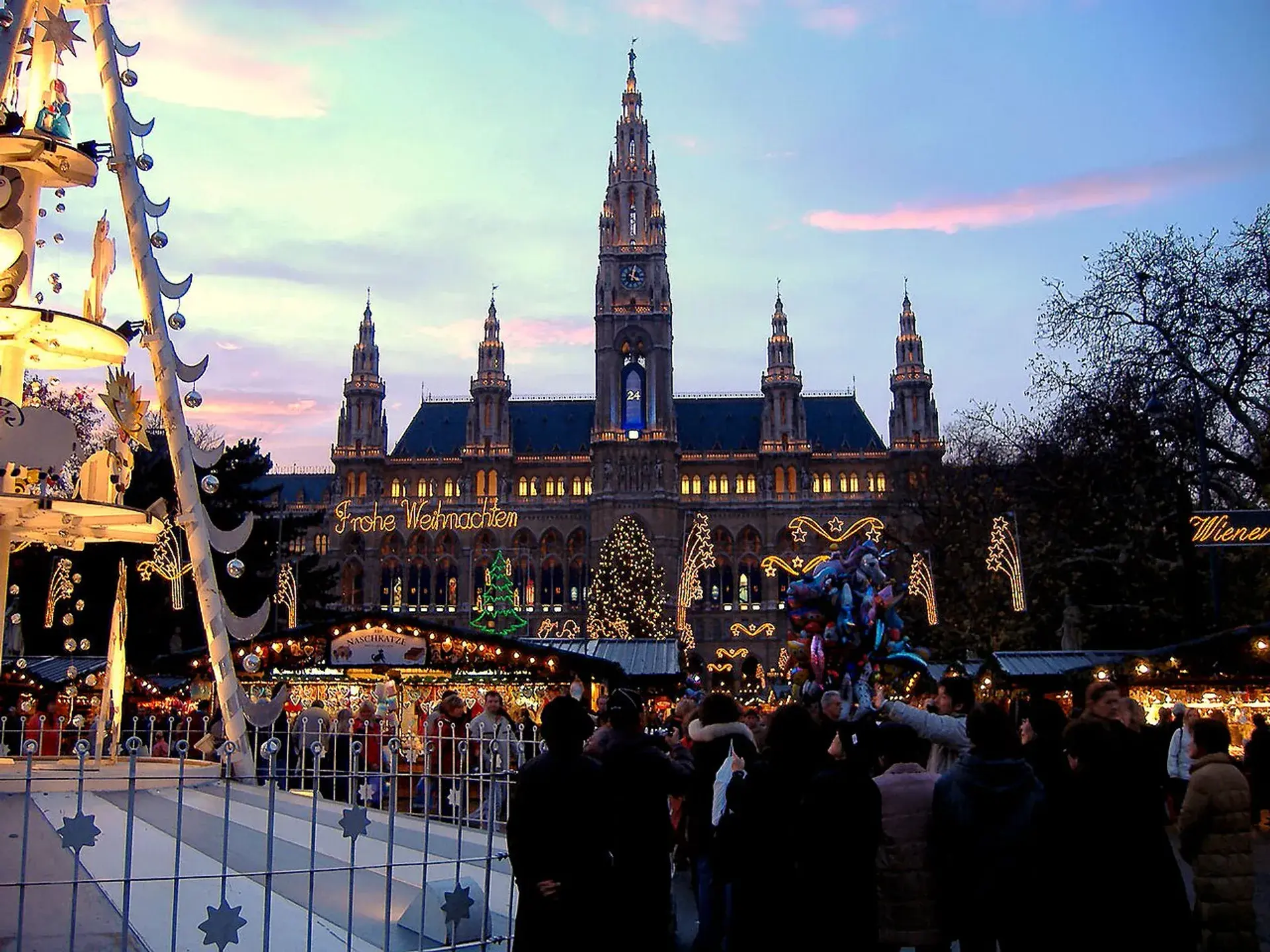
The Wiener Christkindlmarkt am Rathausplatz is Austria's largest and most famous seasonal market, welcoming between two and three million visitors each year. Situated in Vienna's 1st District along the Ringstraße, the market occupies the grand square directly in front of the neo-Gothic Vienna City Hall (Wiener Rathaus), designed by architect Friedrich von Schmidt and completed between 1872 and 1883 with a central tower reaching nearly 100 metres.
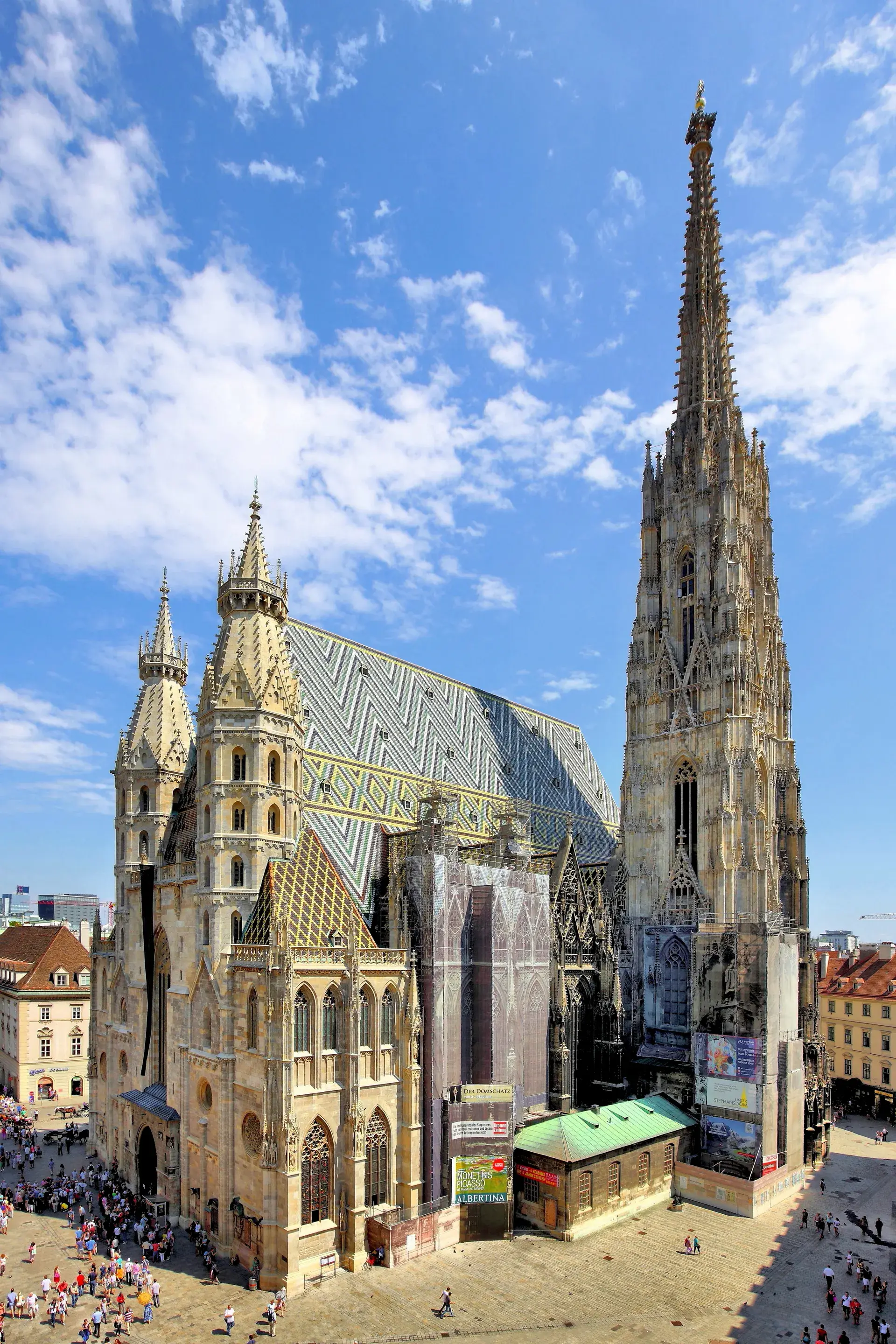
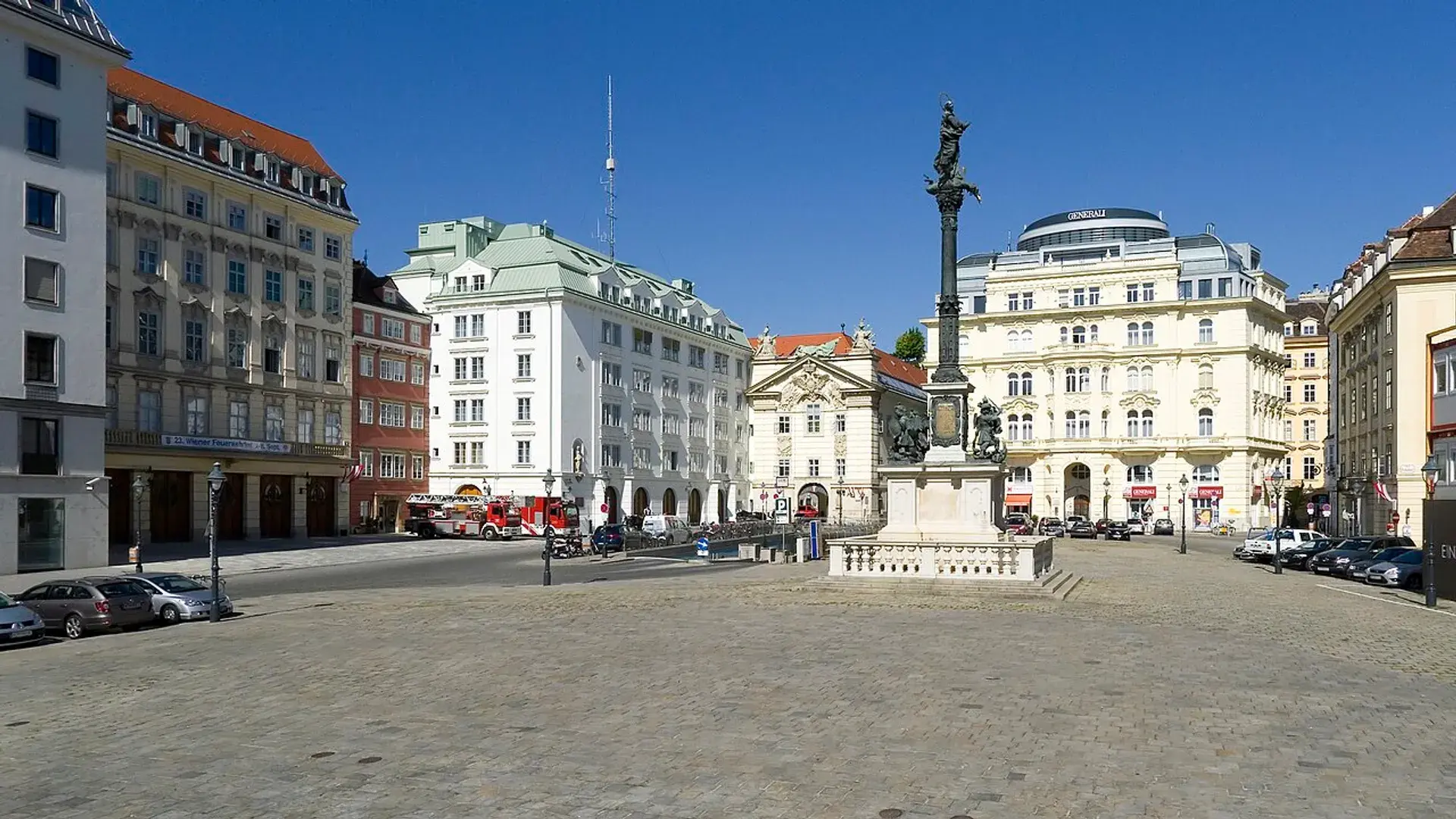
Despite its defining association with City Hall, the market's presence at this location was originally unintended. The event is the institutional descendant of Vienna's municipal Christkindlmarkt, first documented on the Freyung in 1722 under the name Nikolo-, Weihnachts- und Krippenmarkt. Over the centuries, the market shifted to Am Hof in the 1840s, to Stephansplatz in 1918, and later to the Messepalast.
In November 1975, Mayor Leopold Gratz relocated the market to Rathausplatz as a temporary measure while an underground parking garage was being excavated at the Messepalast. The sweeping backdrop of City Hall and the surrounding parklands proved exceptionally popular with the public, prompting the municipal government to make the arrangement permanent.
Crafts, Cuisine, and Stalls
The Wiener Christkindlmarkt operates annually from mid-November through December 26, opening daily from morning until late evening. The grounds accommodate approximately 100 stalls operating under municipal criteria that prioritize regional and organic goods. Vendors offer traditional gifts, such as hand-carved wooden toys, blown glass ornaments, and artisanal crafts.
Culinary offerings center on traditional winter fare. Food stands serve roasted chestnuts (Maroni), warm yeast dumplings (Buchteln), and gingerbread. Steaming mugs of spiced Glühwein and rum-infused Punsch are staples of the market, served in collectible dated ceramic mugs bearing City Hall motifs that patrons can keep or return for a deposit. Brass fanfares regularly sound from the Rathaus balcony, adding festive music to the bustling market square.
Rathauspark and the Wiener Eistraum
In 1986, the city expanded the celebration into the adjacent parklands under the Wiener Adventzauber initiative. This turned the market from a simple collection of stalls into a sprawling winter landscape featuring seasonal illumination, carousels, and family attractions.
A central feature of this expanded footprint is the Wiener Eistraum, which weaves ice-skating trails through the mature trees of Rathauspark. The sound of skate blades on ice paths combines with the aromas of wood smoke and roasting almonds, integrating active outdoor recreation directly into the historic market experience.
Cherished Traditions and the Herzerlbaum
Several distinctive customs define the market at Rathausplatz. One of the most famous is the Herzerlbaum (Tree of Hearts), a large London plane tree in Rathauspark decorated with roughly 200 illuminated red hearts. In 2016, the tree was temporarily dismantled during a contractor dispute. Following intense public outcry, the city formally reinstated it in 2018. Each evening at dusk, an illuminated heart glides along an overhead cable from the Rathaus tower to light up the tree. The area beneath the branches is officially designated as the "Bussiplatz" (kissing place), serving as a favored photography spot.
Another enduring element is the monumental central Christmas tree, which typically stands around 30 metres tall. Since 1959, a different Austrian federal province has gifted this tree to the capital each year. This tradition predates the Christmas market's arrival at Rathausplatz by 16 years, connecting the modern civic market to broader national heritage.
FAQ
When is the Rathausplatz Christmas market open?
The market operates annually from mid-November through December 26, welcoming visitors daily from morning until late evening.
Why was the Christkindlmarkt moved to Rathausplatz?
In November 1975, the market was moved to Rathausplatz merely as a temporary stopgap due to underground parking garage construction at the Messepalast. It proved so successful that the city made the location permanent.
What is the Herzerlbaum?
The Herzerlbaum, or Tree of Hearts, is a park tree adorned with around 200 glowing red hearts. At dusk, an illuminated heart glides down a cable from the City Hall tower to light the display, which marks a gathering and photo spot known as the Bussiplatz.
Where does the central Christmas tree come from?
Each year since 1959, a different Austrian federal province has donated the roughly 30-metre-tall tree placed in front of Vienna City Hall.