Notre Dame du Sablon: Brussels Gothic Masterpiece
An Architectural Anchor in Upper Brussels
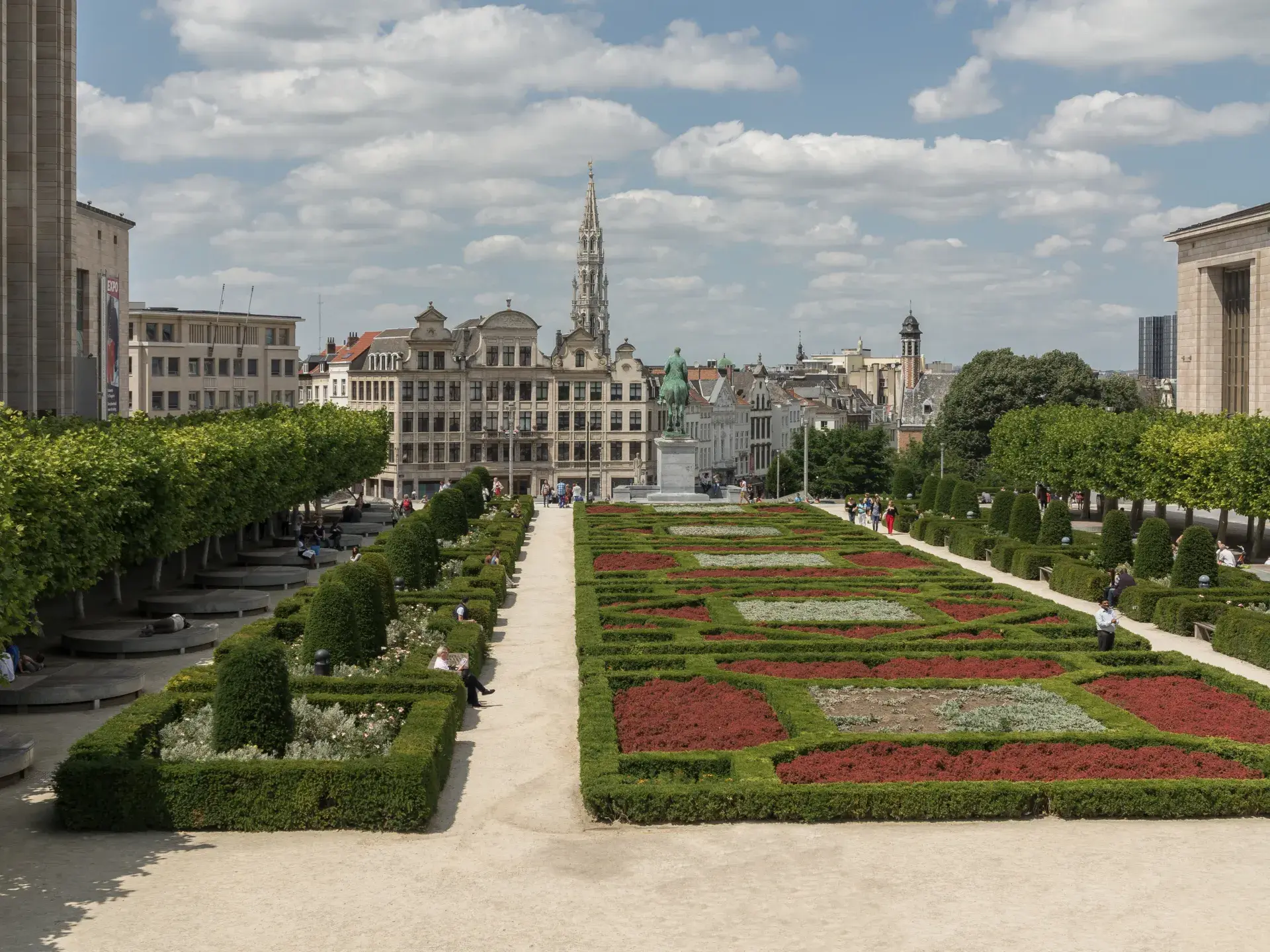
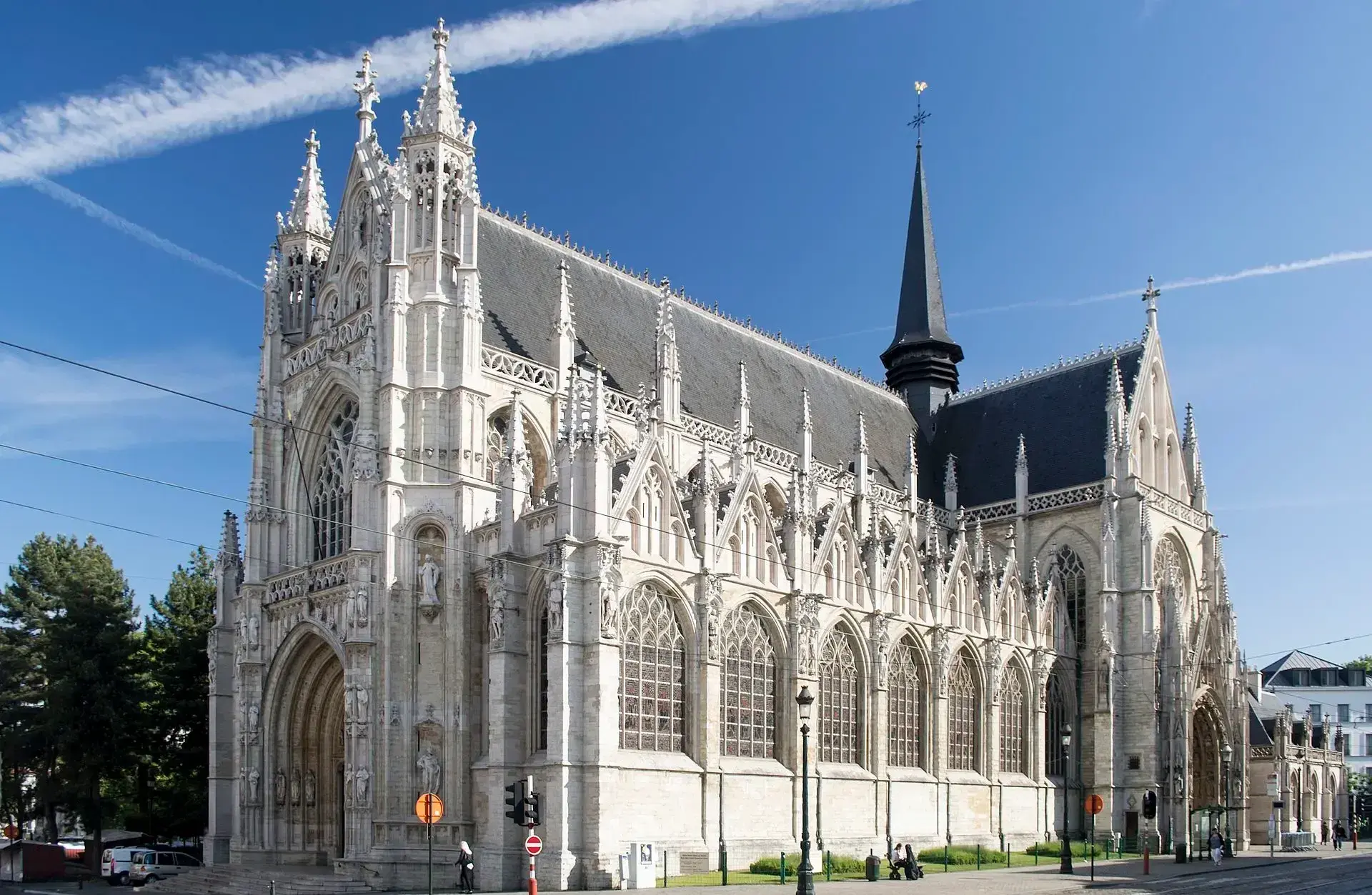
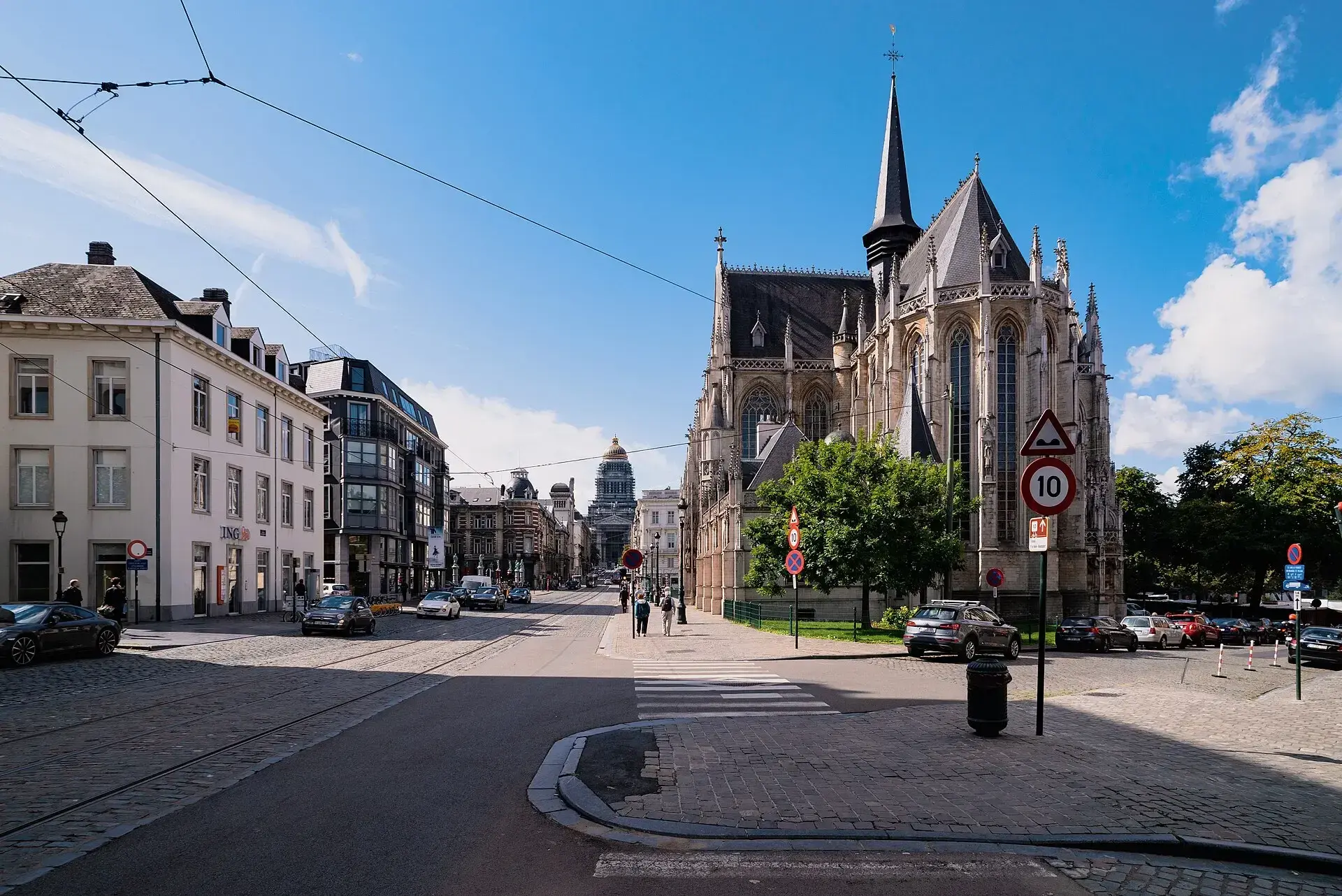
Rising above Rue de la Régence in Brussels's Upper Town, the Church of Our Lady of Victories at the Sablon (Église Notre-Dame des Victoires au Sablon in French, Onze-Lieve-Vrouw ter Zege op de Zavelkerk in Dutch) stands as one of Belgium's premier examples of Brabantine Gothic architecture. Commonly known as Notre Dame du Sablon, this monument serves as a central link between the Royal Quarter—encompassing Place Royale, Coudenberg Palace, and Mont des Arts—and the colossal Palais de Justice. Designated a protected historic monument in 1936, the church sits directly across from the Square du Petit Sablon, bordered by 48 bronze statues celebrating Brussels's historical craft guilds, and faces the Place du Grand Sablon.
Built primarily from pale Gobertange limestone quarried in Walloon Brabant, the structure features late Flamboyant Gothic detailing on its exterior, complemented by seventeenth-century High Baroque additions and nineteenth-century Neo-Gothic restorations.
Brussels walking tour with audio and quizzes: Grand Place and Sablon
2 hours10 stopsAudio guideStart any day, at your own paceTicket on your phone · 30-day refundGuild Origins and the Legend of the Ommegang
The origins of the church date back to approximately 1304, when the site was a sandy clearing outside Brussels's first city wall. The Guild of Crossbowmen (Grand Serment des Arbalétriers) established a modest wooden chapel on the plot to honor the Virgin Mary.
According to Brussels tradition, the site's fortunes shifted dramatically in 1348 after a local woman named Beatrijs Soetkens experienced a vision instructing her to bring a wooden Madonna statue from Antwerp to Brussels. Pious local folklore recounts that her vessel navigated upstream without oars or sails before being formally received by Duke John III of Brabant and entrusted to the crossbowmen. The resulting influx of pilgrims prompted the guild and local benefactors to replace the small chapel with a grand stone hall church, constructed across the fifteenth and sixteenth centuries with the nave completed in the late 1400s.
The annual procession organized by the crossbowmen to carry the venerated statue grew into the historic Ommegang pageant, which was formalized in 1549 in the presence of Holy Roman Emperor Charles V. Although the original medieval statue was lost during sixteenth-century religious conflicts, a replacement statue donated by Archduchess Isabella of Spain remains venerated inside today.
Distinctive Brabantine Gothic Interiors
Stepping inside from the busy cobblestones and tramway along Rue de la Régence reveals an immediate acoustic hush beneath soaring ribbed vaults. Eleven massive stained-glass windows, measuring between 14 and 15 meters in height, encircle the choir and central nave. On bright days, sunlight streams through these panels, projecting red, blue, and gold tones across the pale limestone interior.
The church's architecture contains a striking structural anomaly: the Gothic columns supporting the nave omit traditional carved capitals. Instead, the vertical stone ribs rise continuously from the floor straight into the vaulted ceiling without interruption. The vertical lines are punctuated only by statues of the Apostles, which rest on brackets mounted along the column shafts.
The Thurn und Taxis Funerary Chapels
During the era of the Habsburgs and the Spanish Netherlands, Notre Dame du Sablon became a prestigious resting place for prominent aristocratic families. Among its most notable patrons was the Thurn und Taxis dynasty, renowned for founding the early European postal network.
In the seventeenth century, the family commissioned lavish High Baroque funerary chapels flanking the choir. The Saint Ursula Chapel, designed by sculptor and architect Lucas Faydherbe, features intricate allegorical sculptures, white marble emblems of mortality, and the family crypt, creating a bold Baroque counterpoint to the surrounding medieval Gothic stone.
Practical Details for Visitors
Notre Dame du Sablon functions as an active Roman Catholic parish church under the Archdiocese of Mechelen–Brussels. The building is open daily to both worshippers and visitors, with free general admission.
In addition to daily services, the church maintains its historic ties to Brussels's civic traditions. Each year in early summer, hundreds of costumed participants gather at Notre Dame du Sablon as the official starting assembly point for the historical Ommegang procession before marching toward the Grand-Place.
FAQ
What is the official name of Notre Dame du Sablon?
The church is officially named the Church of Our Lady of Victories at the Sablon (Église Notre-Dame des Victoires au Sablon in French and Onze-Lieve-Vrouw ter Zege op de Zavelkerk in Dutch).
What architectural styles can be seen at Notre Dame du Sablon?
The church is built primarily in the Brabantine Gothic style with late Flamboyant Gothic exterior elements, complemented by seventeenth-century High Baroque funerary chapels and nineteenth-century Neo-Gothic restoration work.
How is the church connected to the Brussels Ommegang?
The Ommegang originated from the Guild of Crossbowmen's fourteenth-century procession carrying a venerated Marian statue around the church grounds. Today, the church serves as the annual starting assembly point for participants in the pageant.
Is there an admission fee to enter Notre Dame du Sablon?
No, Notre Dame du Sablon is an active Catholic parish church and is open daily to worshippers and visitors with free general admission.