Jajce Clock Tower (Sahat Kula): History & Facts
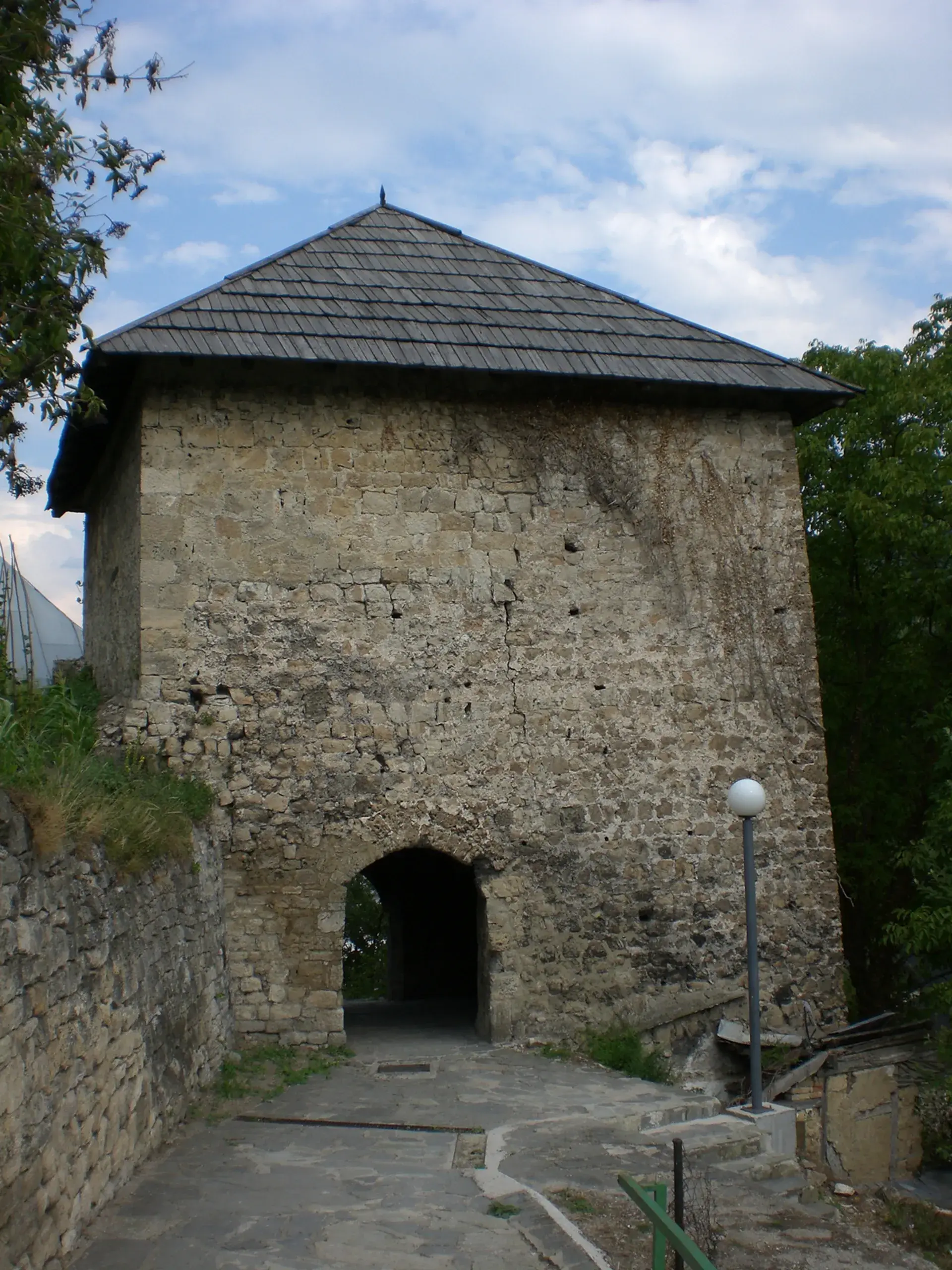
The Clock Tower in Jajce, known as Sahat Kula, stands as a prominent landmark with a history that reflects the city's layered past. Uniquely among many clock towers in Bosnia and Herzegovina, it was not originally built for timekeeping. Instead, its story begins as a robust medieval gate tower, or kapi-kula, an integral part of the Jajce fortress.
Medieval Origins as a Fortress Gate
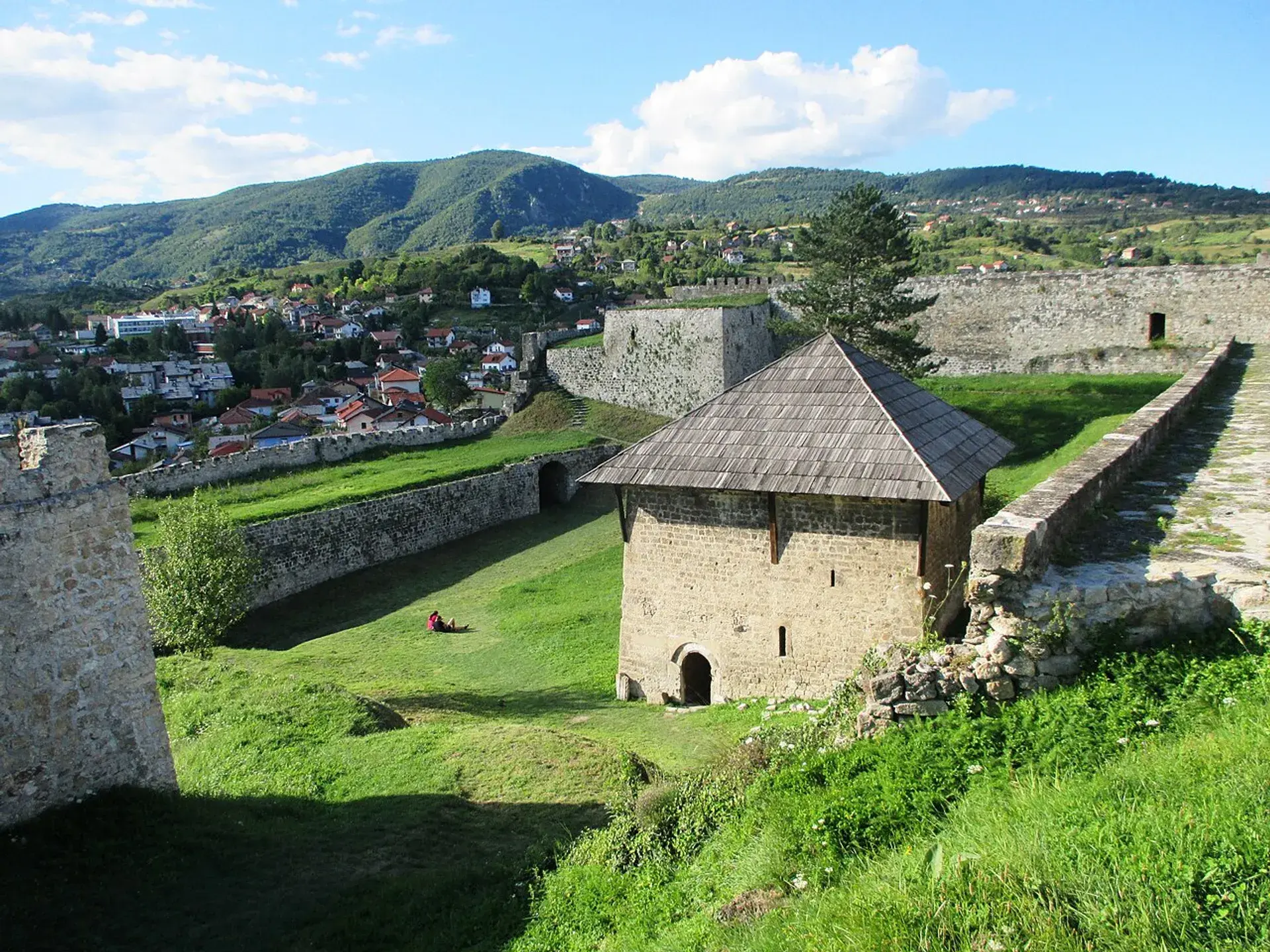
Constructed as a protruding gate tower for the fortress, the structure likely dates back to the reign of Hrvoje Vukčić Hrvatinić, before 1416. Its primary purpose was defensive, a fact reflected in its formidable architecture. The tower has an irregular rectangular base, measuring 10.50 by 9.00 meters, with walls built from broken stone and hydraulic lime mortar. These walls are remarkably thick, reaching up to 3.50 meters in some sections, underscoring its original military function.
Ottoman Transformation
A significant transformation occurred during the Ottoman period. In the second half of the 18th century, a clock mechanism was installed, converting the defensive gate into a public timepiece. This adaptation is widely believed to have been promoted by Muhamed Prozorak, a respected Bosnian astronomer who resided in Jajce. A Dizdar, an Ottoman fortress commander, reportedly acquired the clock, and the local Šeherćehajić family was entrusted with its maintenance.
Later History and Restoration
The tower's function as a public clock came to an end in 1878. During this year, Austro-Hungarian soldiers removed the clock and its bell, reportedly under the mistaken belief that the bell belonged to a church. For a period, the tower fell silent.
In more recent times, the tower has been the subject of preservation efforts. A restoration project funded by the Swedish International Development Cooperation Agency (Sida) and carried out by Cultural Heritage Without Borders included roof repairs and the removal of vegetation, ensuring the structure's stability.
The Tower Today
Currently, the Clock Tower is a key historical landmark and a popular sightseeing spot within Jajce's Upper Town. It serves as an entrance building to the Jajce fortress, integrating it into the larger historical site. Its presence is a tangible link to the city's evolution from a medieval royal capital to an important Ottoman urban center and beyond.
FAQ
Was the Jajce Clock Tower always a clock tower?
No, it was originally a medieval gate tower (kapi-kula) for the Jajce fortress, likely built before 1416. It was adapted into a clock tower (Sahat-kula) in the latter half of the 18th century.
When was the clock added to the tower?
The clock mechanism was installed during the Ottoman period, in the second half of the 18th century. The astronomer Muhamed Prozorak is believed to have influenced this addition.
What happened to the original clock?
In 1878, Austro-Hungarian soldiers removed the clock and bell from the tower. They reportedly believed the bell belonged to a church, and this act ended the tower's function as a public clock for a period.
What is the tower's current purpose?
Today, the Clock Tower functions as a major historical landmark, a sightseeing attraction, and an entrance building to the Jajce fortress.