Jajce Fortress: Royal Capital of Medieval Bosnia
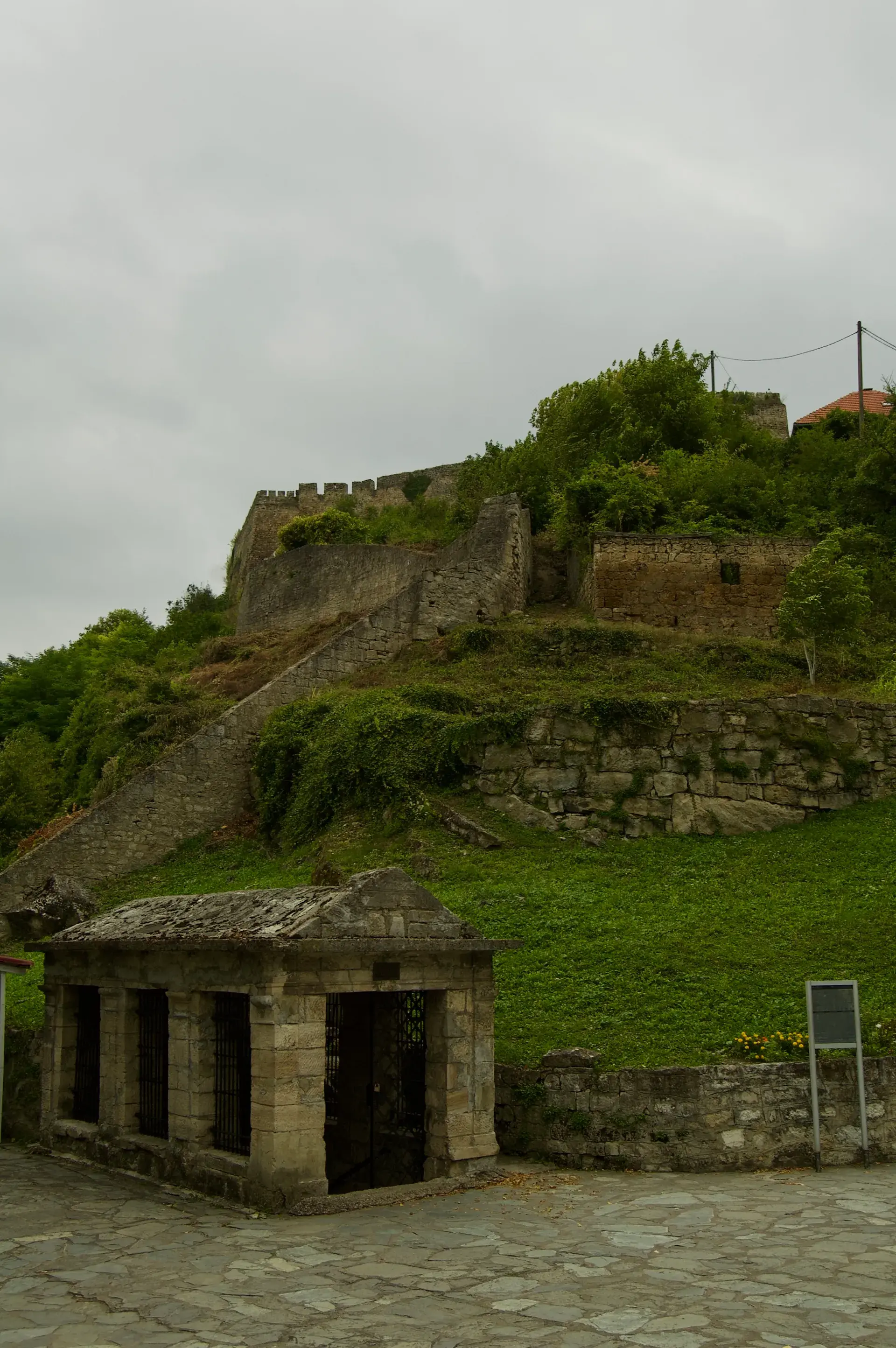
Perched 470 meters above sea level on Hum hill, Jajce Fortress stands as a powerful symbol of Bosnia's medieval kingdom. This citadel was the ultimate seat of power, the royal court from which Bosnian kings projected their authority. Its strategic location at the confluence of the Pliva and Vrbas rivers made it a critical defensive stronghold for centuries.
A Storied History
The fortress was first constructed in the late 13th and early 14th centuries, with its first known written mention dating to 1396. Its primary builder was Hrvoje Vukčić Hrvatinić, the Grand Duke of Bosnia and Duke of Split, who also commissioned the nearby Jajce Catacombs as his mausoleum. The city's name, Jajce, is thought to derive from the egg-like shape of the hill it occupies. Over time, the fortress evolved, incorporating Gothic and Renaissance architectural elements through expansions by Hungarian kings and the Ottomans.
The Royal Capital and Ottoman Conflict
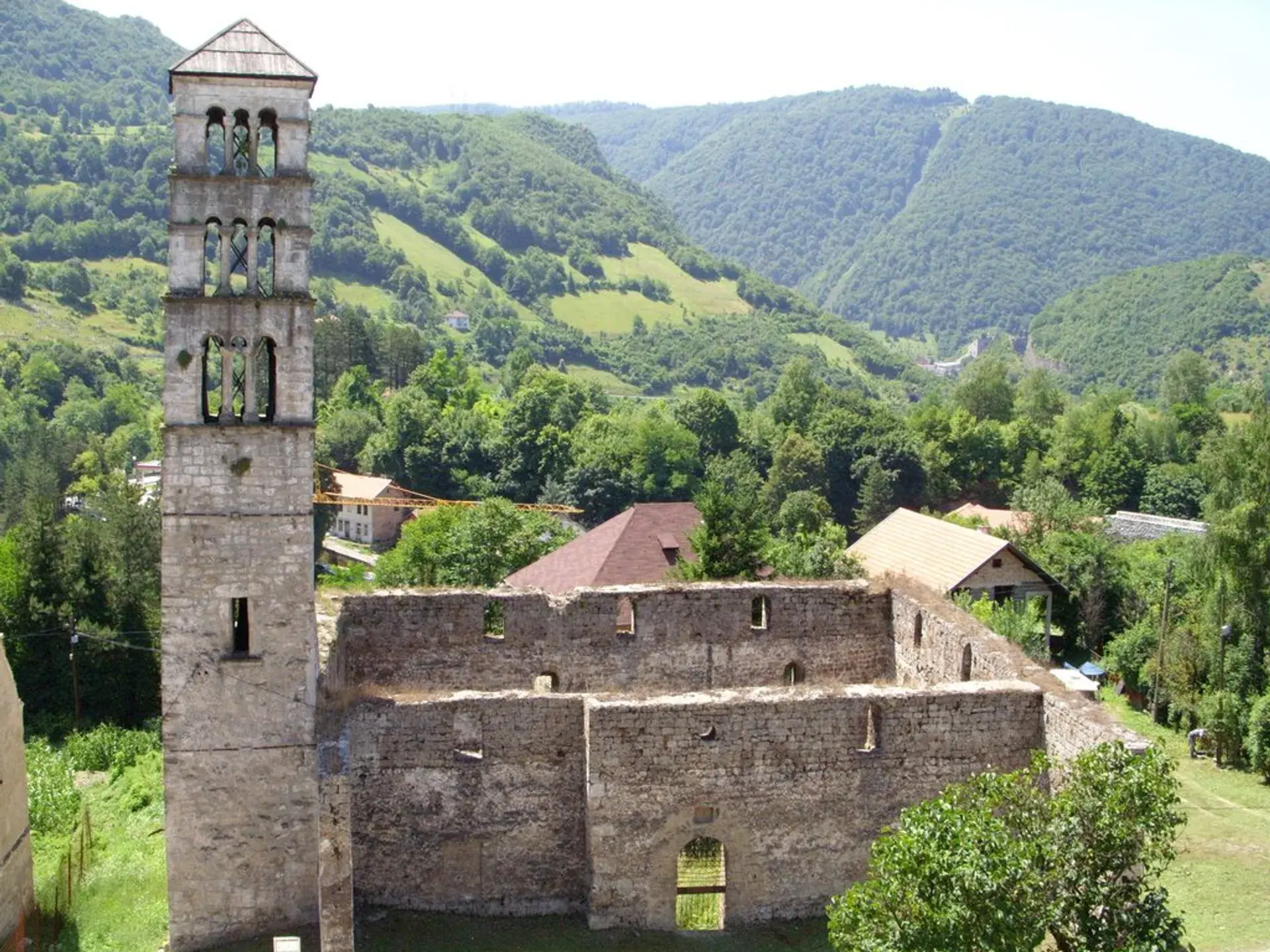
Jajce's political significance soared in 1421 when it became the capital of the Kingdom of Bosnia. A defining moment in its history occurred in 1461 when Stjepan Tomašević, the last Bosnian king, was crowned within the walls of Saint Mary's Church. His reign was short-lived. In 1463, the Ottomans, led by Sultan Mehmed II, besieged the town and executed the king.
Despite the fall of the kingdom, Hungarian King Matthias Corvinus recaptured Jajce later that same year, establishing the Banovina of Jajce. This transformed the city into a crucial border stronghold against Ottoman expansion. For nearly six decades, the fortress resisted numerous sieges, remarkably holding out as the last bastion of independent Bosnia. It finally fell to the Ottomans in 1527 or 1528.
Architectural Highlights
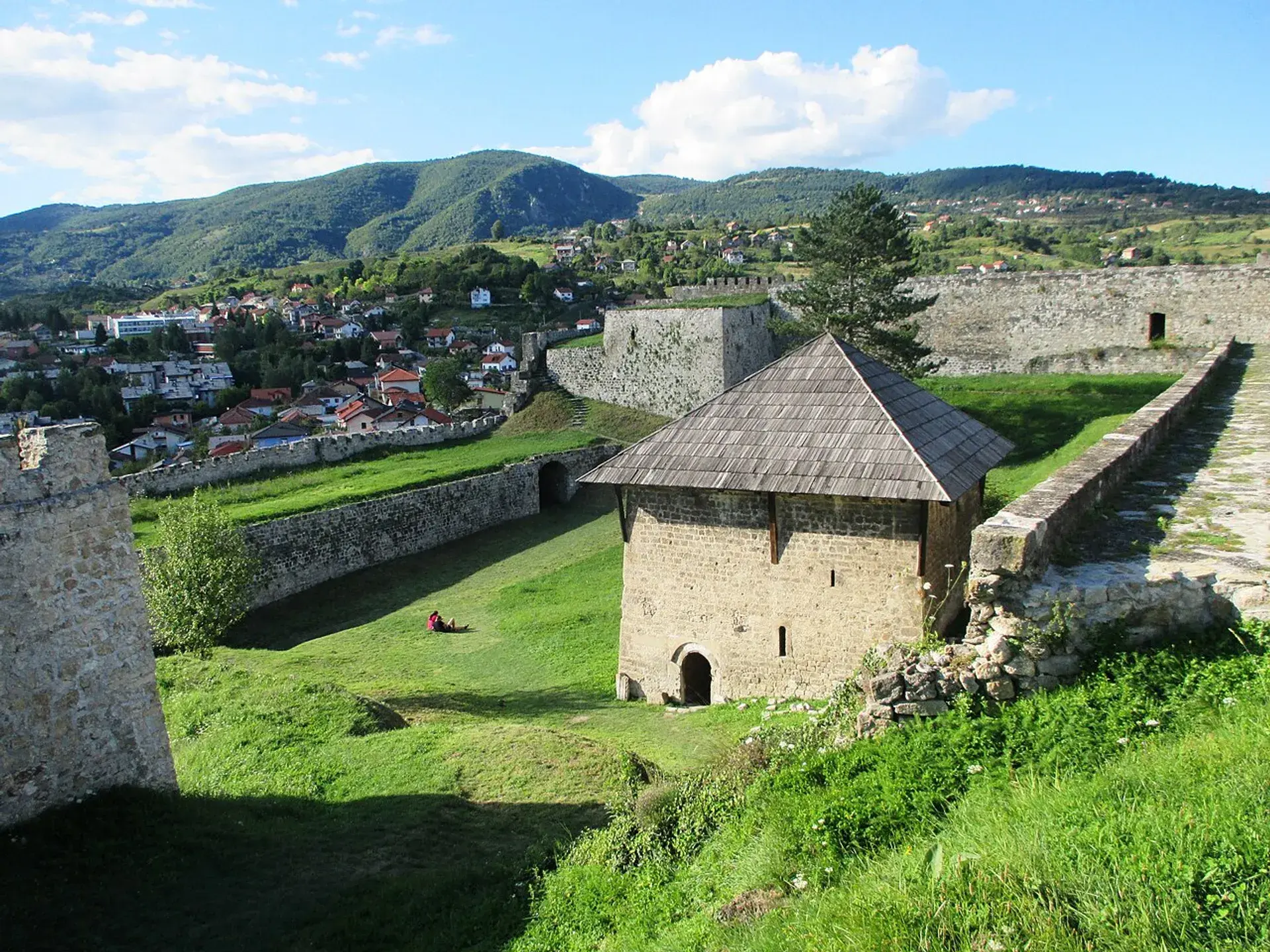
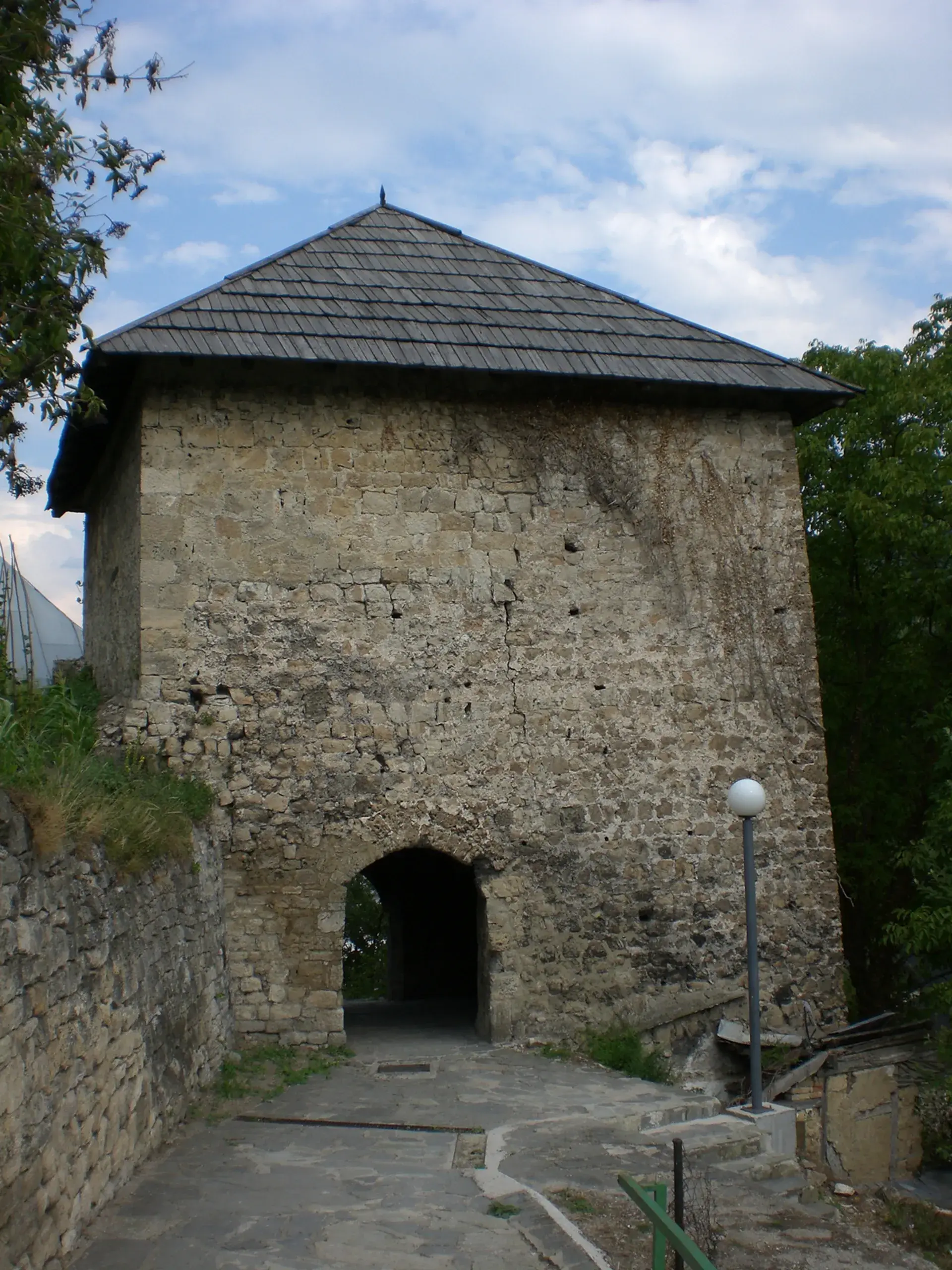
The walled city of Jajce is protected by approximately 1,300 meters of defensive walls, which enclose an area of about 11,200 square meters. The main portal to the citadel proudly displays the coat of arms of the royal Kotromanić dynasty, a clear marker of its regal past. Later additions to the fortress include a gunpowder magazine built by the Ottomans.
In a remarkable discovery in 2022, archaeologists unearthed a previously hidden medieval chapel beneath the fortress. The chapel contains valuable frescoes that depict Bosnian nobility, offering a new window into the site's past.
The Fortress Today
Today, Jajce Fortress is designated as a National Monument of Bosnia and Herzegovina and is a major cultural attraction. It is open year-round for visitors to explore its walls, towers, and gates. The fortress offers stunning panoramic views of the town below, including the famous Pliva Waterfall.
The site also serves as a contemporary public stage. During the summer, it hosts knights' tournaments that reenact historical battles, and at night, light shows project historical scenes onto its ancient walls. The interior courtyard is mostly a grassy plateau with a few dilapidated buildings, a wooden pillory, and a bench, allowing the massive walls to remain the primary focus.
FAQ
When was Jajce Fortress built?
Construction on Jajce Fortress began in the late 13th and early 14th centuries. Its first mention in written sources dates to 1396, and its primary builder was Hrvoje Vukčić Hrvatinić, the Grand Duke of Bosnia.
Why is Jajce Fortress historically significant?
Jajce Fortress was the royal capital of the medieval Kingdom of Bosnia. It was where the last Bosnian king, Stjepan Tomašević, was crowned in 1461 and executed in 1463. It was also the last Bosnian town to fall to the Ottoman Empire, holding out until 1527 or 1528.
What can visitors see at Jajce Fortress?
Visitors can explore the fortress walls, towers, and gates, which provide panoramic views of Jajce and the Pliva Waterfall. The main portal features the coat of arms of the royal Kotromanić dynasty. The fortress also hosts cultural events like knights' tournaments.
What is the Walled City of Jajce?
The Walled City of Jajce encompasses the fortress and is protected by around 1,300 meters (4,300 ft) of defensive walls. The entire enclosed area covers approximately 11,200 square meters (121,000 sq ft).