Church of St. John the Baptist in Konjic | History & Art
Architectural Heritage and Design
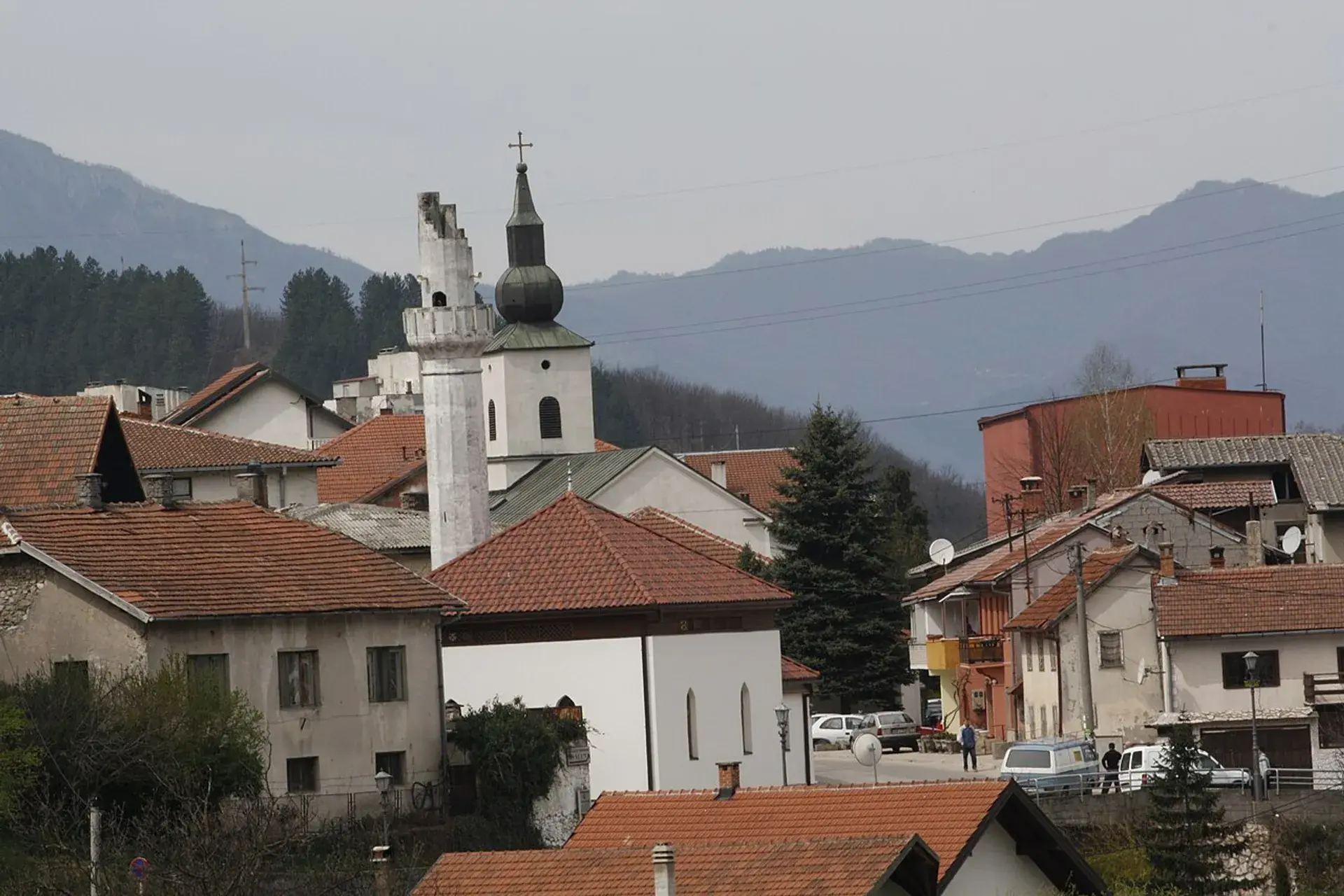
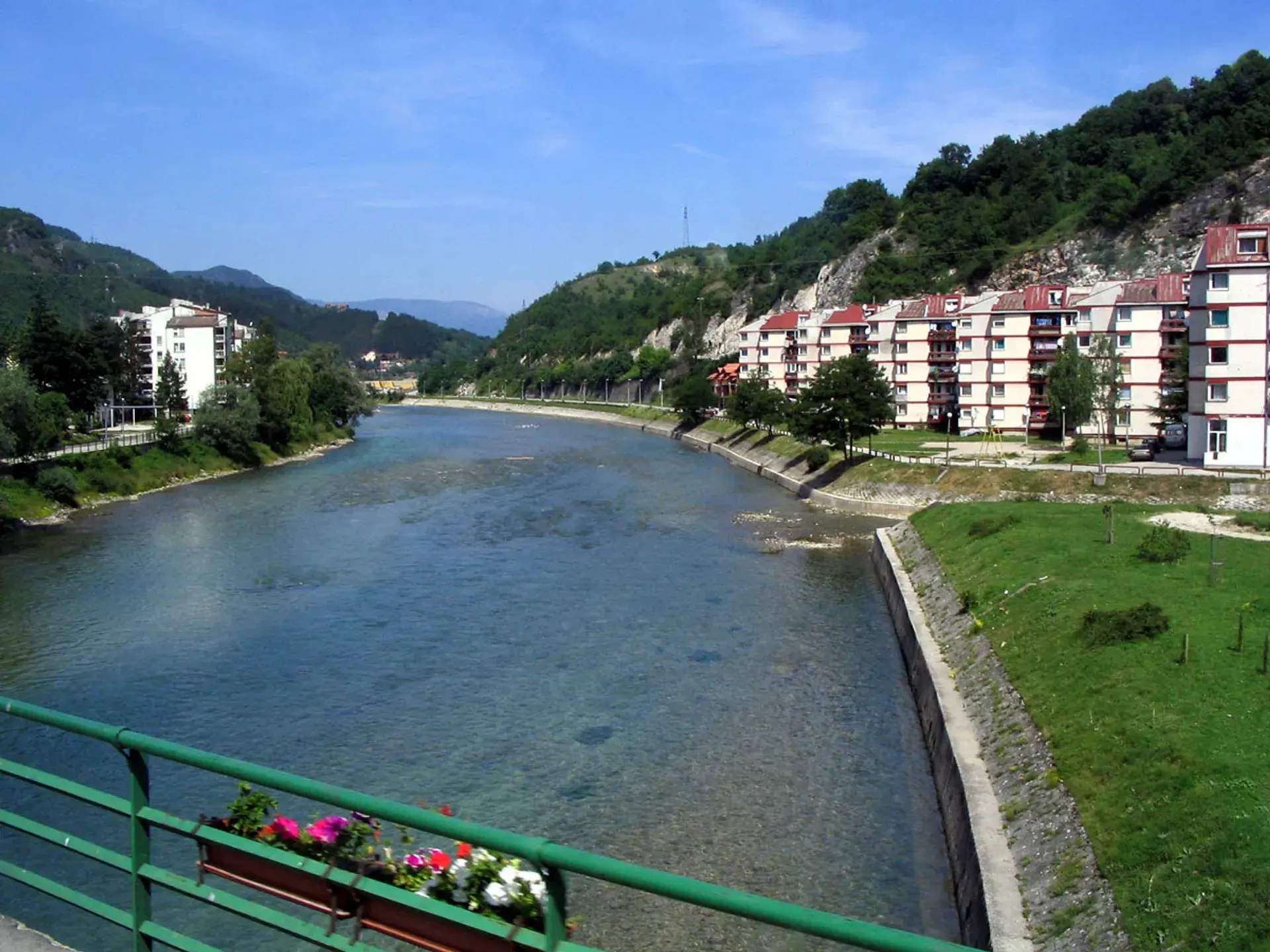
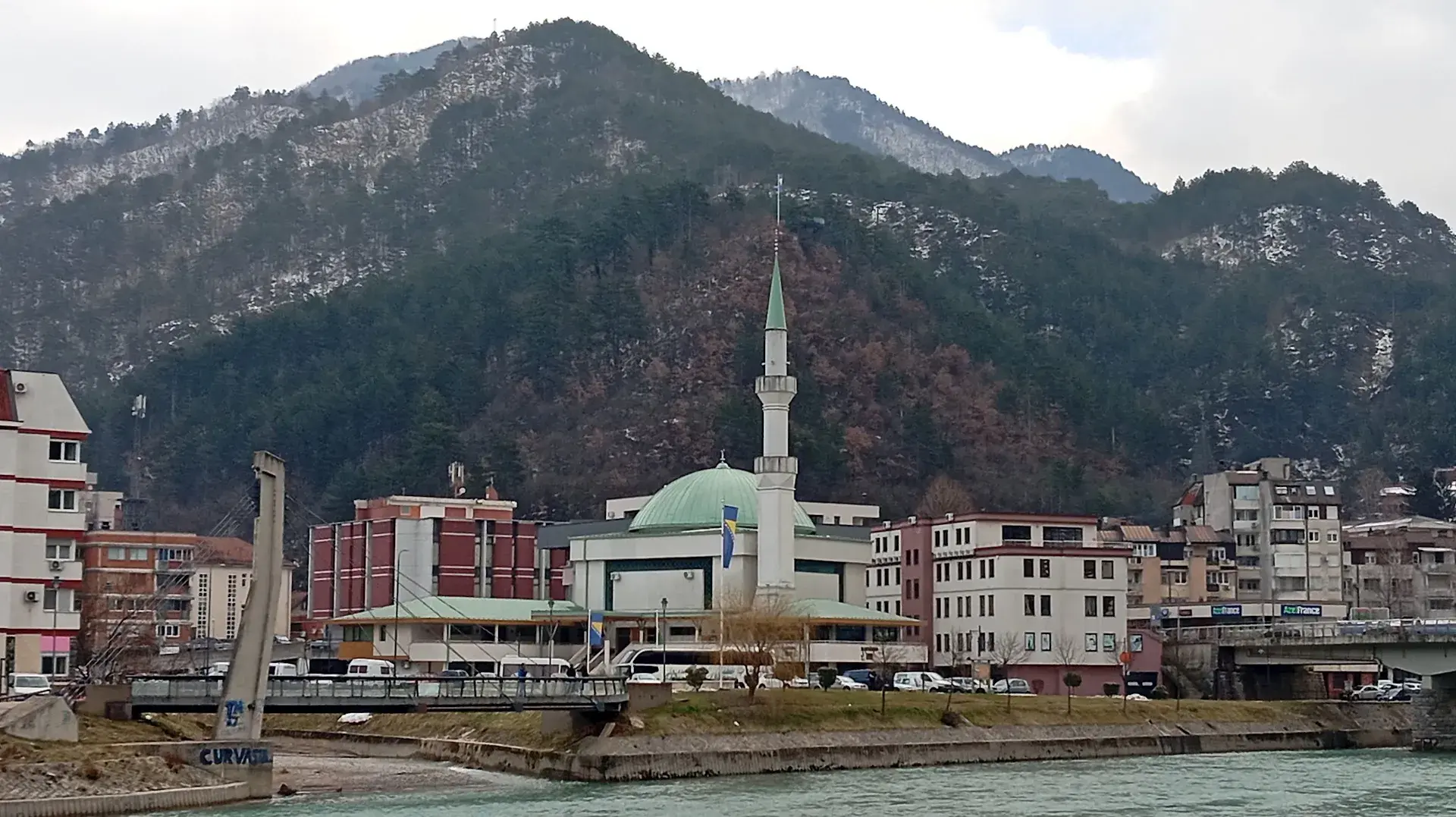
The Church of St. John the Baptist and Franciscan Monastery (Franjevački samostan i crkva sv. Ivana Krstitelja) stands at Omladinska 1 in Konjic, situated on the right bank of the Neretva River at the foot of Vrtaljica hill. Positioned along the main corridor linking the historic Old Bridge with newer parts of the city, its bell tower forms an integral part of Konjic’s multi-faith skyline alongside historic Ottoman-era minarets. In May 2006, the entire ensemble was designated a National Monument of Bosnia and Herzegovina.
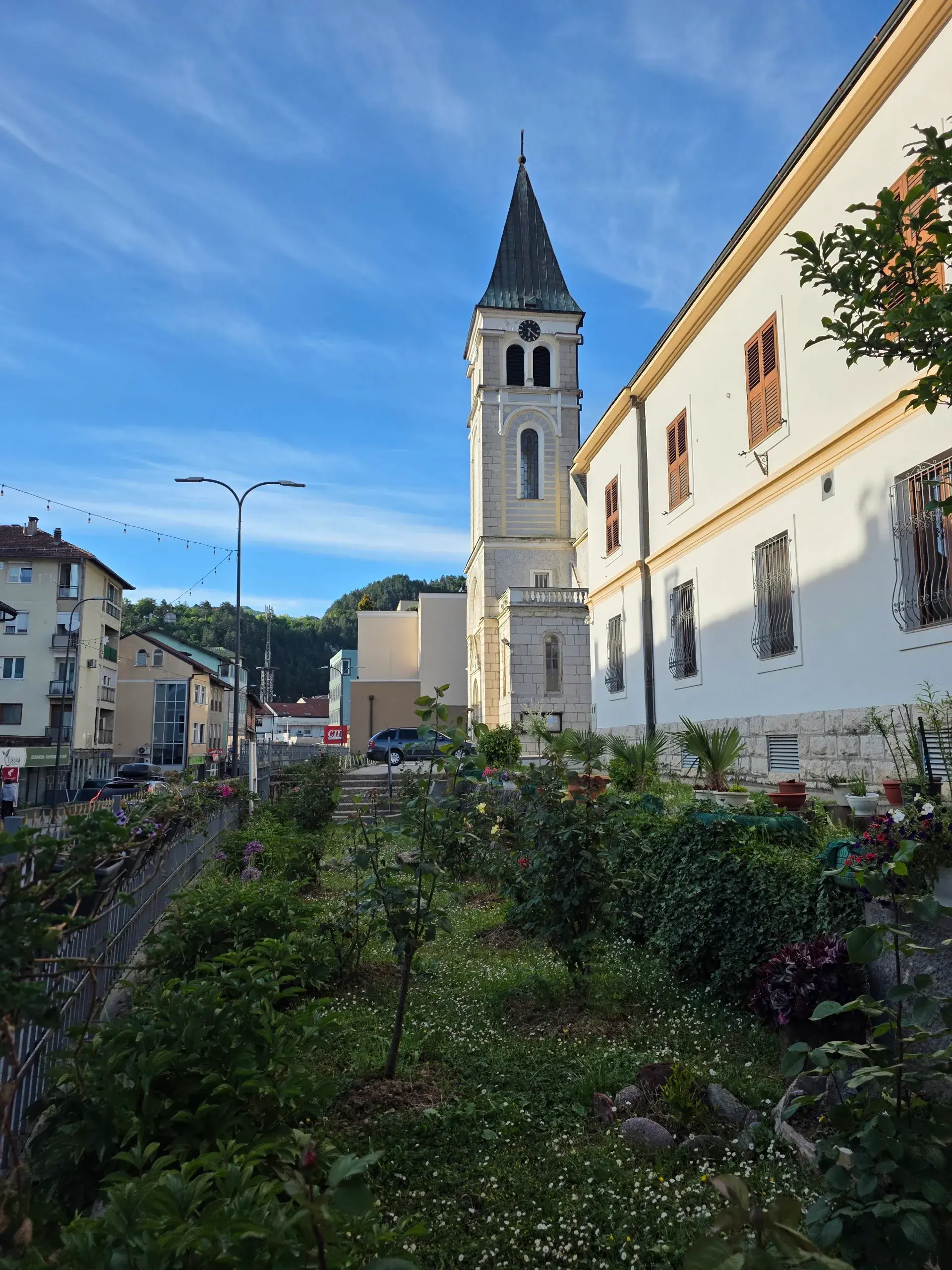
The complex showcases Historicist Neo-Romanesque architecture designed in 1893 by the prominent Austro-Hungarian architect Josip Vancaš. Although built to a somewhat simplified plan compared to Vancaš's initial proposals, the church nave measures approximately 40 meters long by 10 meters wide. Construction of the nave occurred between 1895 and 1897, while the interior decorative work was completed in 1909. The distinctive bell tower and steeple were finished later, in 1919. The street-facing facade is distinguished by dressed stone, decorative cornice tiers, and arched apertures, contrasting with the smooth, white-plastered finish of the exterior side walls.
The Franciscan Legacy in Konjic
The Franciscan presence in Konjic dates back to the mid-14th century, when an early friary and church were founded in the area. That original complex stood until 1524, when Ottoman forces destroyed it during regional anti-Catholic measures. The only known surviving artifact from that medieval friary is a statue of St. Catherine, which was preserved and relocated to the Franciscan friary in Kreševo.
Following the establishment of Austro-Hungarian administration in 1878, the local Catholic community reorganized and initiated plans for the modern downtown sanctuary. The complex expanded over the decades: an adjoining friary was built between 1939 and 1940, and three multi-purpose catechism halls enclosing a central courtyard were added in 1969. The site also weathered political upheavals. In 1945, Yugoslav authorities nationalized the monastery building for municipal use and temporary housing. The first floor was returned to the friars in 1955, and complete control was restored in 1969.
War Damage and the Steeple Clock
During the 1992–1995 war in Bosnia and Herzegovina, the church and its tower suffered significant damage from direct artillery shelling. Postwar preservation efforts restored the complex, including a 2001 project led by restorer Mario Veknić that conserved the 1909 ceiling frescoes originally created by the artist Nikolić.
The church steeple features a prominent clock that holds a unique place in local history. Donated in 1968 by Petar Dika, an emigrant from Konjic who moved to the United States, the clock ran continuously for over two decades. On May 18, 1992, an artillery shell struck the bell tower, stopping the mechanism. After extensive repairs, the clock began ticking again on May 18, 2000—exactly eight years to the day after it had been halted.
Basement Museum and Sacred Collections
Today, the church remains an active parish center within the Franciscan Province of the Assumption of the Blessed Virgin Mary, hosting regular liturgies and serving as the guardian’s residence. Beneath the monastery is an 800-square-meter basement gallery and museum open to visitors.
The museum houses a diverse collection of cultural and religious items. Highlights include traditional Konjic carved furniture that illustrates the historic ties between the Franciscan order and the city's famed woodcarving craftsmanship. The treasury contains sacred art, rare books, ethnographic artifacts, and a gilded chalice created in 1758 by goldsmith Josip Vasiljević. The gallery also exhibits modern Yugoslav-era artworks, featuring pieces by prominent artists such as Edo Murtić, Ivan Lacković Croata, and Lazar Drljača.
FAQ
Who designed the Church of St. John the Baptist in Konjic?
The church was designed in 1893 by Austro-Hungarian architect Josip Vancaš in a Historicist Neo-Romanesque style.
What happened to the church steeple clock during the war?
Donated in 1968 by emigrant Petar Dika, the clock was struck by an artillery shell and stopped on May 18, 1992. Following repairs, it resumed running exactly eight years later on May 18, 2000.
What artifacts are displayed in the monastery museum?
The 800-square-meter basement museum contains traditional Konjic woodcarvings, sacred art, rare books, modern artworks by figures such as Edo Murtić and Lazar Drljača, and a 1758 gilded chalice made by Josip Vasiljević.
Discover Konjic like never before
Dive into Konjic hidden stories and secret spots with Ciceru interactive tours.
Explore tour
Audioguide
Quizzes
Maps
Solo
Couples
Groups & families

© Photo by Admir Avdić via Google Maps · Google Places