Crkva Svetog Vasilija Velikog in Konjic
History and Austro-Hungarian Foundations
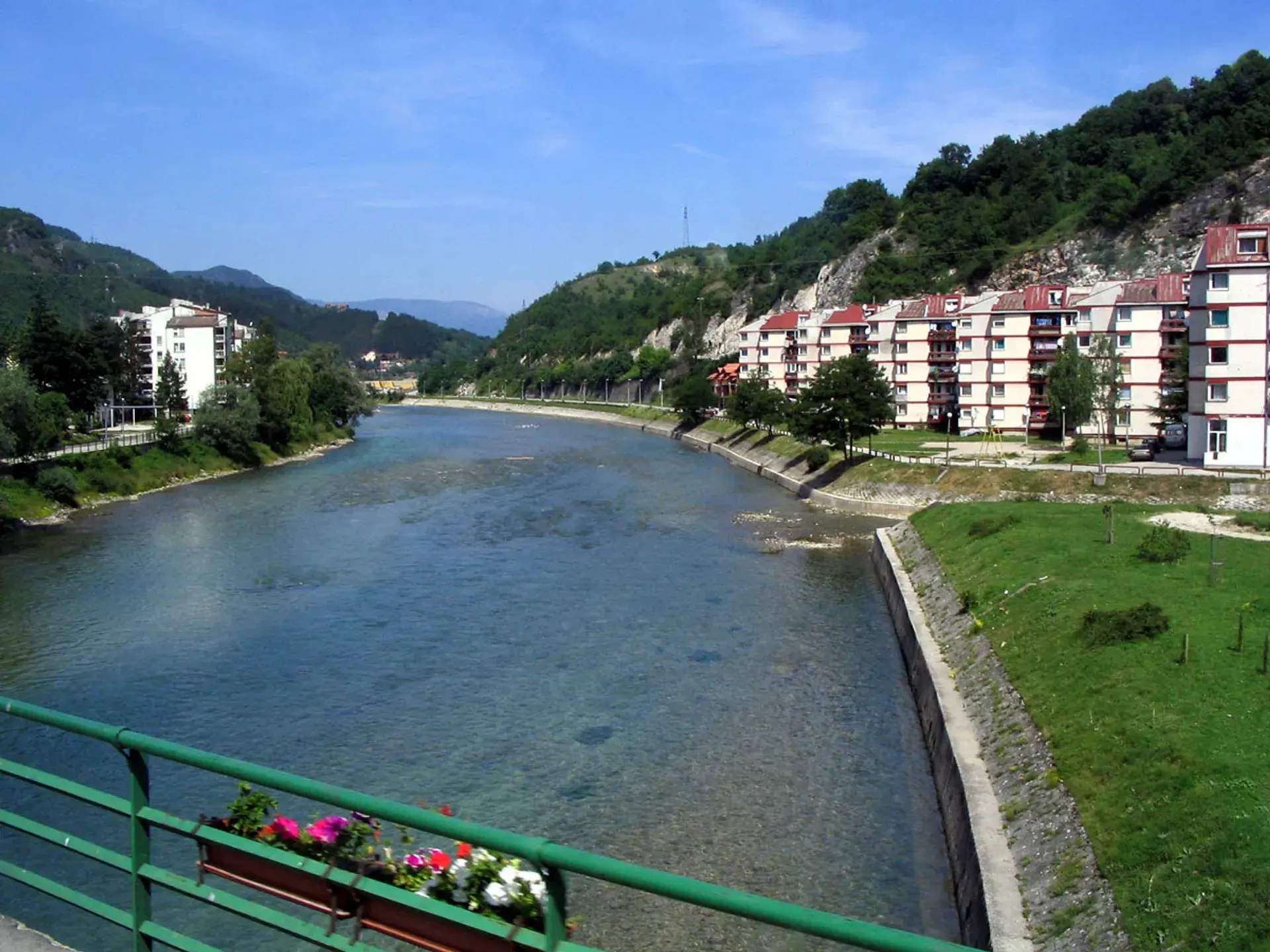
The Church of Saint Basil the Great (Crkva svetog Vasilija Velikog) stands on the Varda hillside in Konjic, overlooking the right bank of the Neretva River. Following the 1878 Austro-Hungarian occupation, Konjic experienced urban growth among its merchant and civil service population. To accommodate the expanding Orthodox community, construction of a dedicated town church began in 1885. This development, recorded in the regional newspaper Sarajevski list, replaced the local community's earlier reliance on the parish center in nearby Čelebići.
Work concluded on October 26, 1886. The church belongs to the Parish of Konjic within the Serbian Orthodox Eparchy of Zahumlje and Herzegovina and the Littoral, serving as an important ecclesiastical anchor for the area.
Architectural Form and Setting
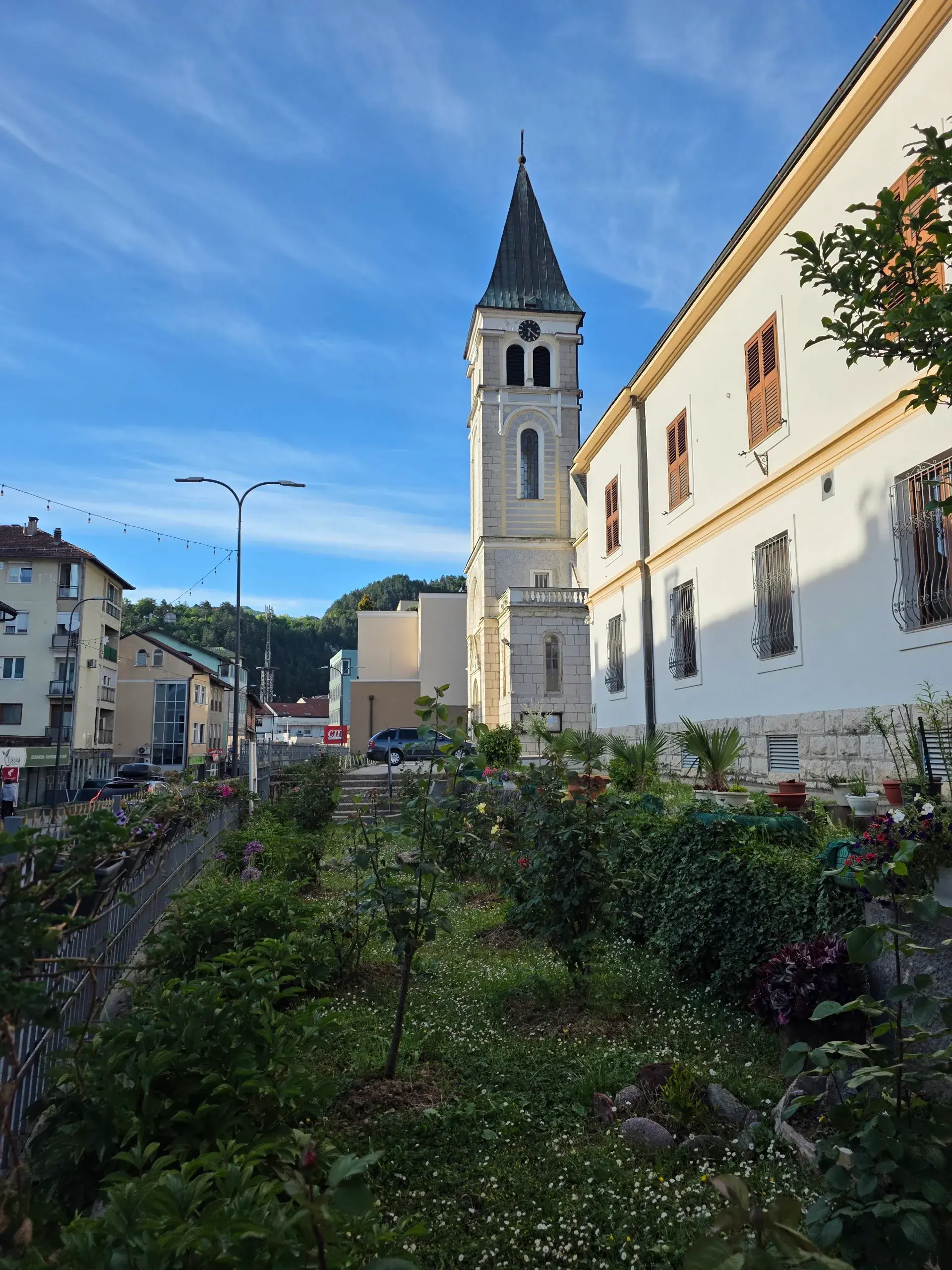
Architecturally, the building is a single-nave stone church measuring 9.0 by 18.0 meters. It is oriented along an east–west axis, featuring a semicircular apse on the eastern end and a bell tower rising directly above the western entrance. The exterior presents austere, unadorned plastered walls set beneath a gabled roof.
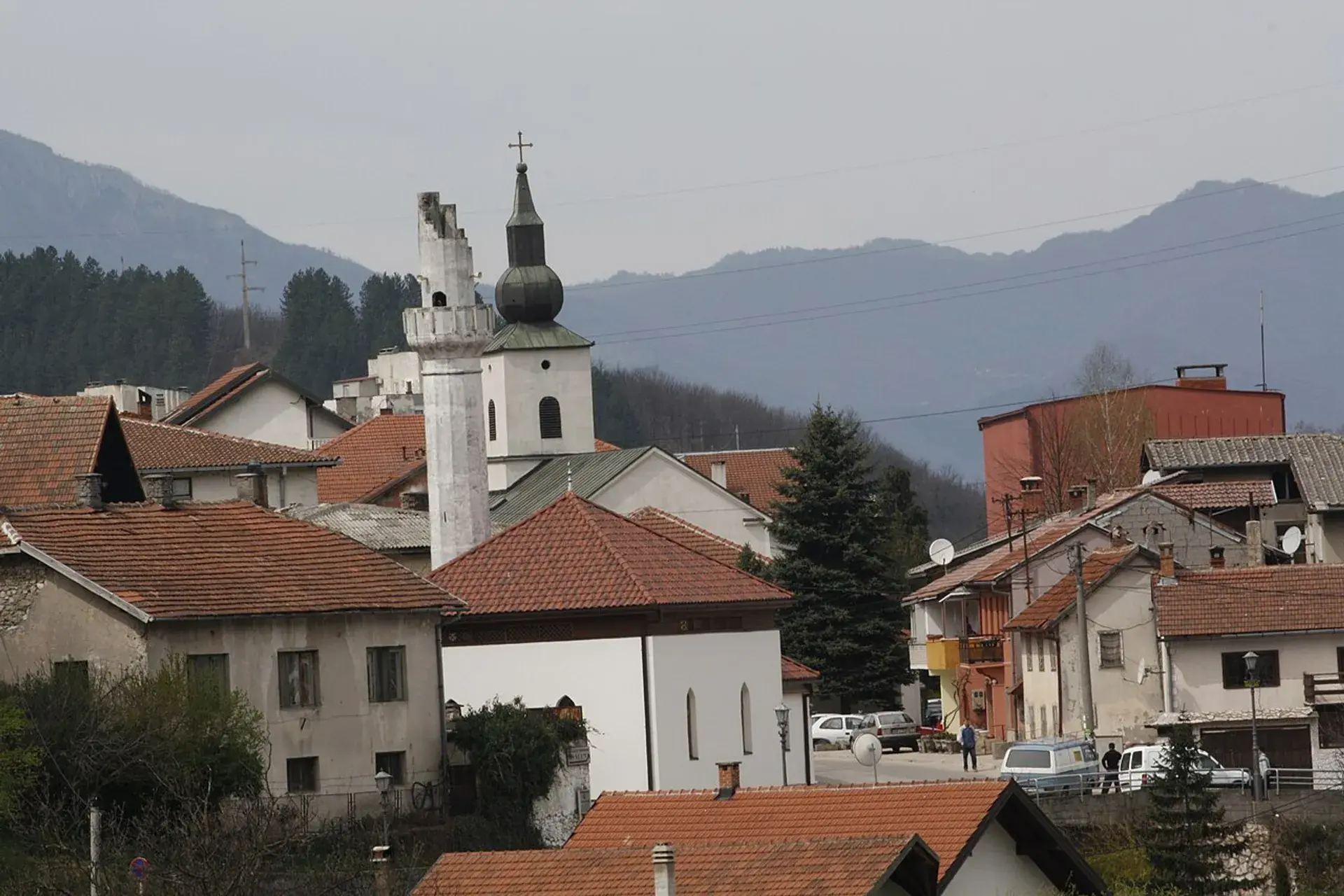
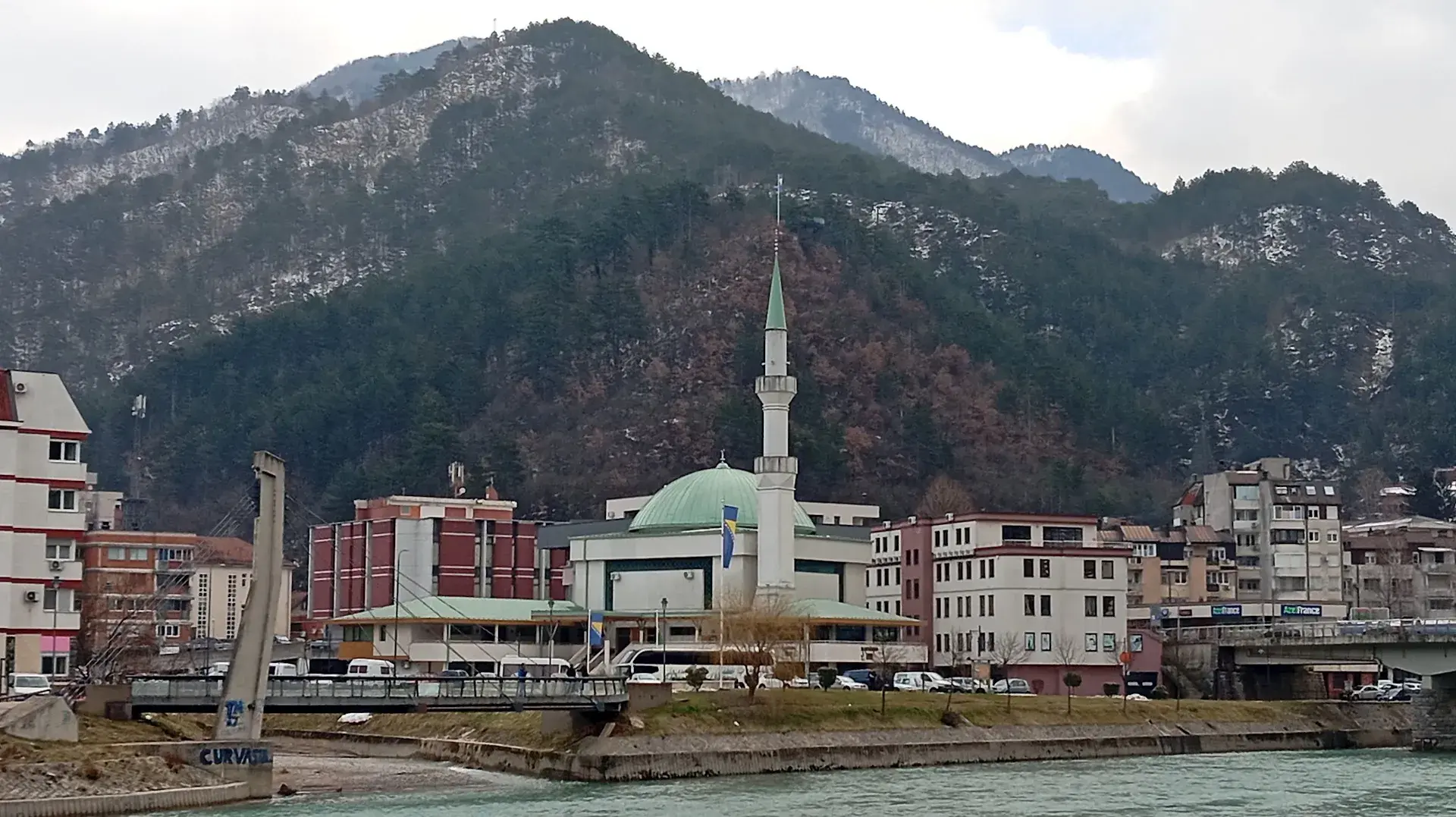
In November 2007, the Commission to Preserve National Monuments designated the church a National Monument of Bosnia and Herzegovina. The building stands in close physical proximity to the 17th-century Varda Mosque. Because of the hillside topography, the soundscape of the neighborhood frequently blends the church bells with the Islamic call to prayer, while the adjacent bell tower and minaret form a recognized visual symbol of Konjic's multiconfessional history.
The 1925 Iconostasis and Interfaith Craftsmanship
One of the most notable aspects of the church interior is its connection to local artisan traditions. In 1925, a wooden iconostasis was installed in the sanctuary. It was hand-carved by two prominent local Muslim master woodcarvers, Sulejman Hadžizukić and Salko Alagić, integrating Konjic's famed decorative woodcarving craft into the Orthodox sanctuary.
Historical parish inventories also recorded distinctive iconographic pieces. Notably, a 1929 icon painted by artist Sreto Domić depicted the Byzantine Slavic evangelizers Saints Cyril and Methodius dressed in Franciscan monastic habits.
Post-War Restoration and Current Use
During the 1992–1995 war, the church was desecrated and suffered severe structural damage, which resulted in the loss of its historical interior fittings and original painted icons. Systematic restoration began after 2000 through financial support from municipal funds, diaspora donations, and local parishioners. These efforts rebuilt the roof, restored the masonry and flooring, added heating, and renovated the exterior courtyard stairs and boundary walls.
The church remains an active parish temple for Konjic's Orthodox community. Following the post-war decline of the local population, Divine Liturgies are held periodically on major Christian feast days and during the patronal feast (Slava) in January rather than on a daily schedule.
FAQ
When was Crkva Svetog Vasilija Velikog constructed?
Construction began in 1885 and was completed on October 26, 1886, during the era of Austro-Hungarian administration.
Who carved the church's wooden iconostasis?
The 1925 wooden iconostasis was carved by two local Muslim master woodcarvers, Sulejman Hadžizukić and Salko Alagić.
What is the landmark's official heritage status?
The church was designated a National Monument of Bosnia and Herzegovina in November 2007.
Are religious services held daily at the church?
No, Divine Liturgies are held periodically, focusing primarily on major Christian feast days and the patronal feast (Slava) in January.