Muzej Drvorezbarstva: Konjic Woodcarving Museum
The Living Heritage of Konjic Woodcarving
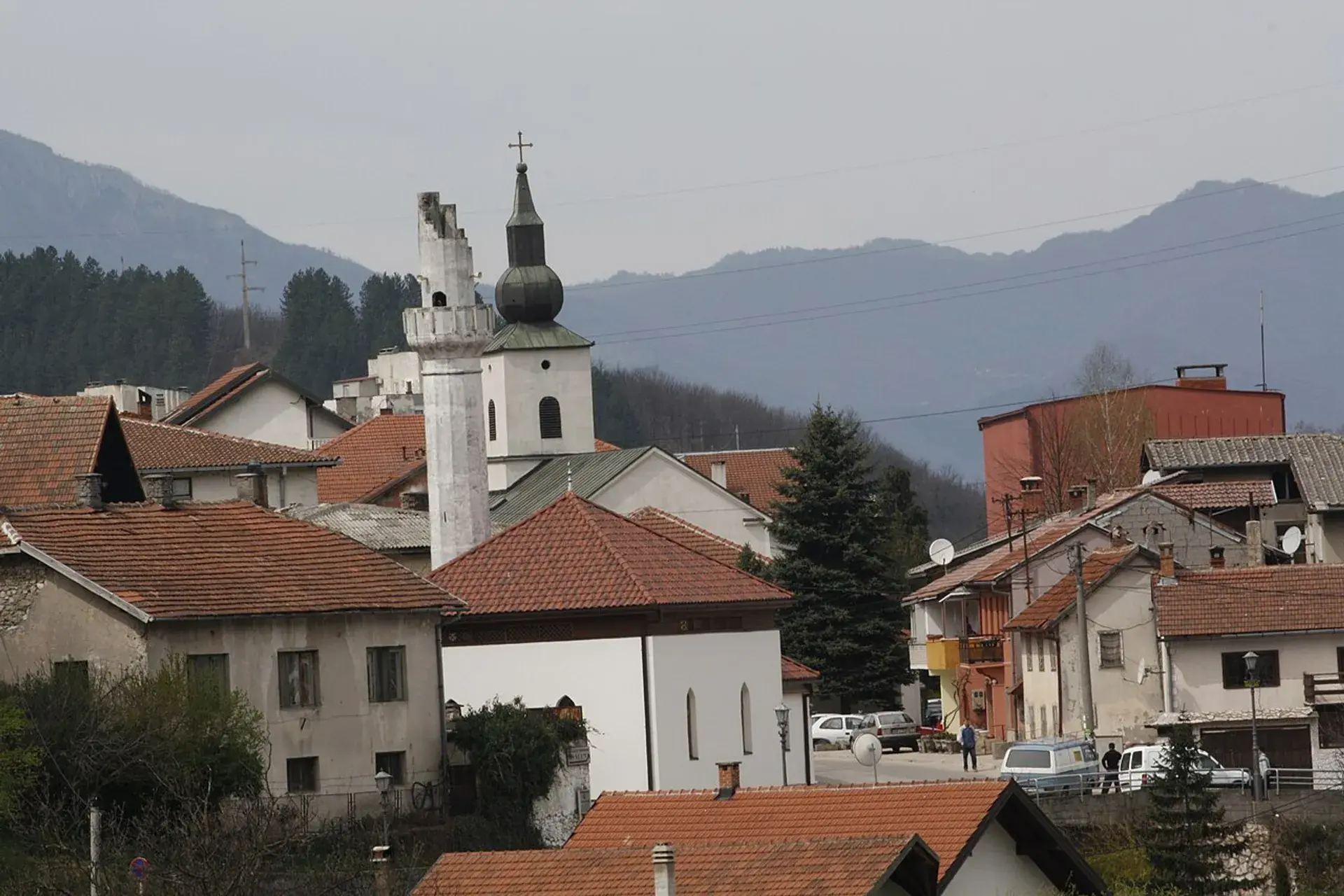
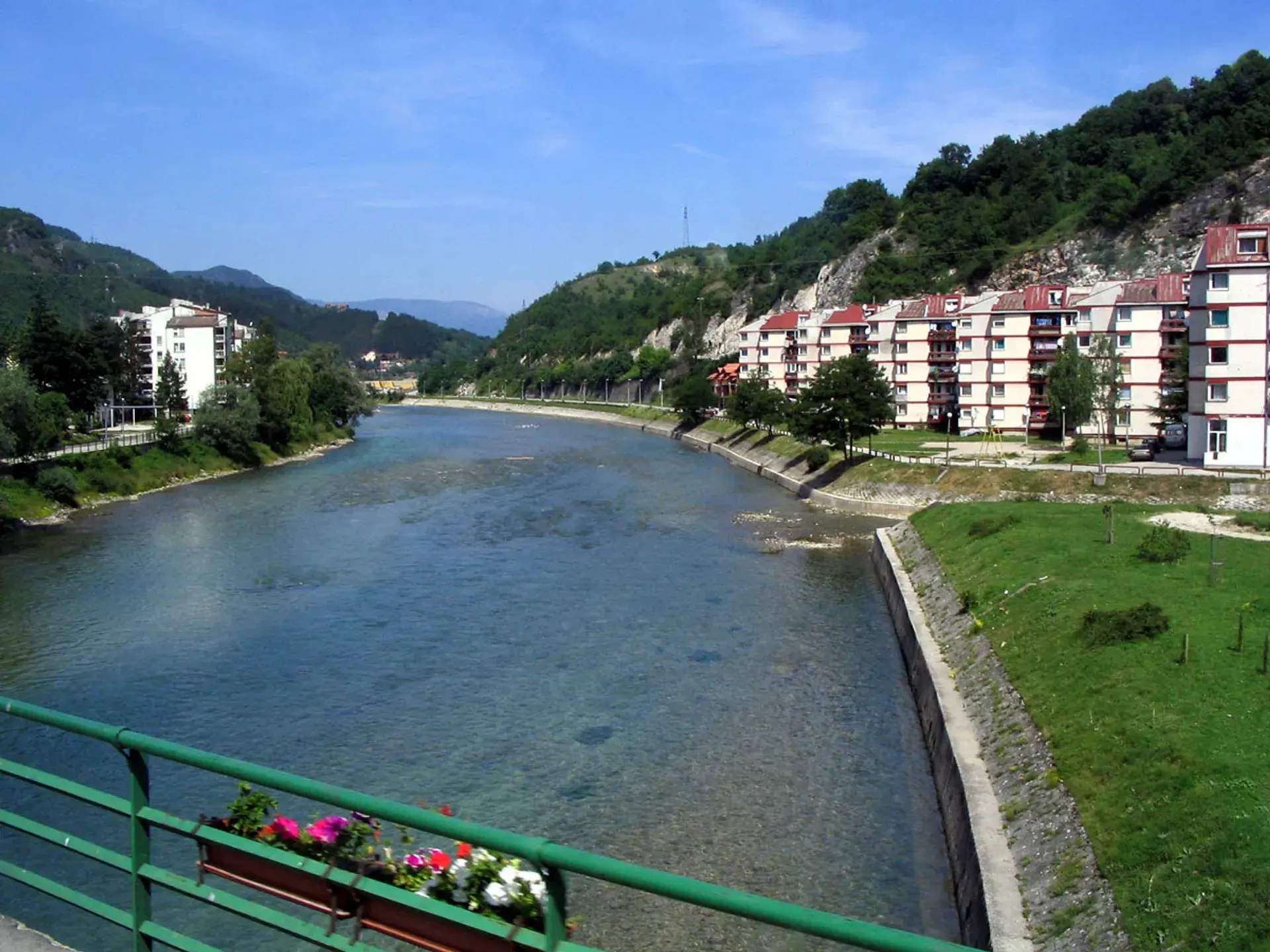
Located on Varda Street in Konjic, the Woodcarving Museum (Muzej drvorezbarstva) celebrates the town's position as the primary woodcarving center of Bosnia and Herzegovina. The institution was established by the Nikšić family and opened to the public on June 12, 2019, operating alongside the Zanat furniture workshop and showroom. Within the town, the museum forms a major cultural landmark alongside the 17th-century Old Stone Bridge (Stara Ćuprija) and the Cold War-era subterranean command bunker (ARK D-0).
The museum was created to document and safeguard the local carving technique, which gained global recognition in December 2017 when it was inscribed on the UNESCO Representative List of the Intangible Cultural Heritage of Humanity. In 2022, the institution received widespread international acclaim, winning both the Živa Award for Best Slavic Museum from the Forum of Slavic Cultures and the Luigi Micheletti Award from the European Museum Academy.
Parametric Architecture and Interior Spaces
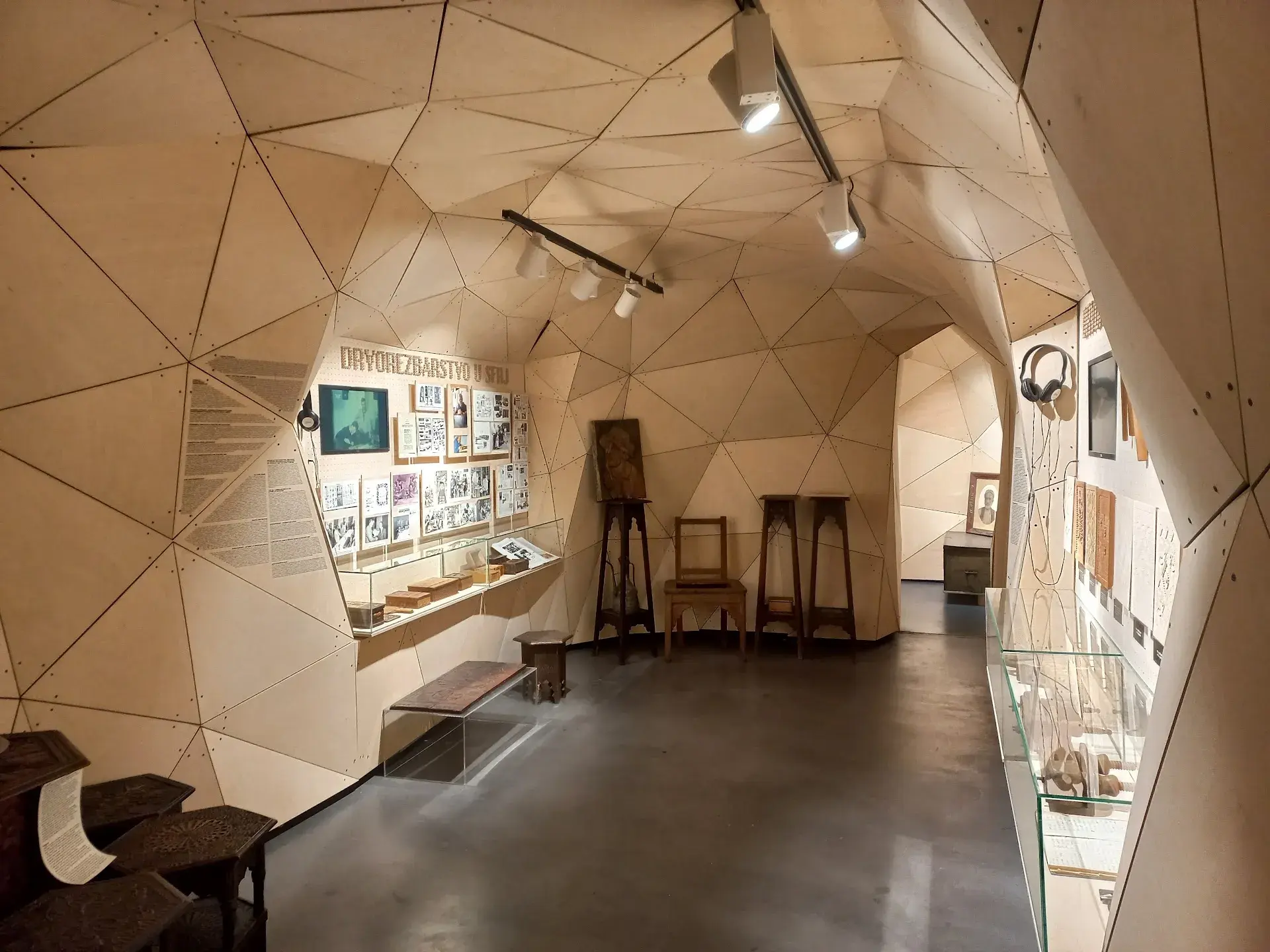
The interior of the museum was designed by architect Emir Salkić of normal arhitektura. Employing parametric timber construction, the layout is organized as a wooden spatial tunnel or wormhole lined with geometric paneling.
Beyond its architectural framework, the facility functions across multiple interconnected zones. In addition to the main permanent exhibition galleries, the building houses an "Ideas Factory" dedicated to design and product development, a showroom displaying contemporary furniture, and a memorial area honoring master craftsman Besim Nikšić (1953–2024).
Historical Evolution and Survival
Woodcarving in Konjic shifted into an organized commercial trade during the late 19th century under Austro-Hungarian administration. Early exposure came in part from German travel writer Heinrich Renner, whose published accounts brought attention to the town's carved dowry chests (sehare). The craft was quickly formalized through vocational schools opened in Sarajevo in 1879 and Konjic in 1881. Konjic carvers soon reached international audiences, with Ilija Arapović exhibiting works at the 1896 Millennium Exhibition in Budapest. Pioneer Abdulah Gane Nikšić helped open export channels to European markets, and his eldest son officially registered an independent family carving enterprise in 1919.
While more than 30 carving workshops operated in Konjic prior to World War II, post-war socialist nationalization and bans on private enterprise forced almost all of them out of business. Only two family lineages managed continuous operation: the Nikšić and Mulić families. These workshops survived the era partly by fulfilling state commissions, creating hand-carved presentation boxes and furnishings for Yugoslav President Josip Broz Tito. Decades later, the Mulić workshop carved the ceremonial liturgical chair used by Pope John Paul II during his 1997 visit to Sarajevo. In 2015, Orhan and Adem Nikšić co-founded the brand Zanat, uniting traditional carving chisels with modern international design.
Collections and Traditional Craftsmanship
The museum archives and exhibits historical furnishings, specialized antique carving tools, and original documents dating from the Ottoman period to modern times. Its oldest artifact on display is a 19th-century dowry chest preserved within the Nikšić family over four maternal generations. Another focal feature is a circular memorial installation constructed from roughly 200 traditional three-legged low stools (hoklice), each engraved with the name of an artisan who sustained the craft lineage.
Visitors to the museum can also observe active craftsmanship inside a dedicated demonstration workshop. Artisans use handheld chisels struck by wooden mallets to hand-carve raw timbers of walnut, maple, oak, and cherry. Konjic carvers traditionalize their surface patterns into four foundational styles: bosanska (Bosnian), carigradska (Constantinople style), orijentalna (Arabesque), and duborez (deep relief).
FAQ
When did the Woodcarving Museum in Konjic open?
The museum was founded by the Nikšić family and opened to the public on June 12, 2019.
What international recognition has the museum received?
In 2022, the museum won the Živa Award for Best Slavic Museum and the Luigi Micheletti Award from the European Museum Academy.
What are the four traditional motifs of Konjic woodcarving?
Konjic carvers categorize their motifs into bosanska (Bosnian), carigradska (Constantinople style), orijentalna (Arabesque), and duborez (deep relief).
What is the memorial stool installation inside the museum?
The museum features a circular memorial room constructed from roughly 200 traditional three-legged low stools (hoklice), each engraved with the name of a local woodcarver who helped preserve the lineage of the craft.
Discover Konjic like never before
Dive into Konjic hidden stories and secret spots with Ciceru interactive tours.
Explore tour
Audioguide
Quizzes
Maps
Solo
Couples
Groups & families

© Photo by Adis Kulin via Google Maps · Google Places