Repovačka Mosque: Konjic's Historic Landmark
Architectural Form and the Rare Left-Sided Minaret
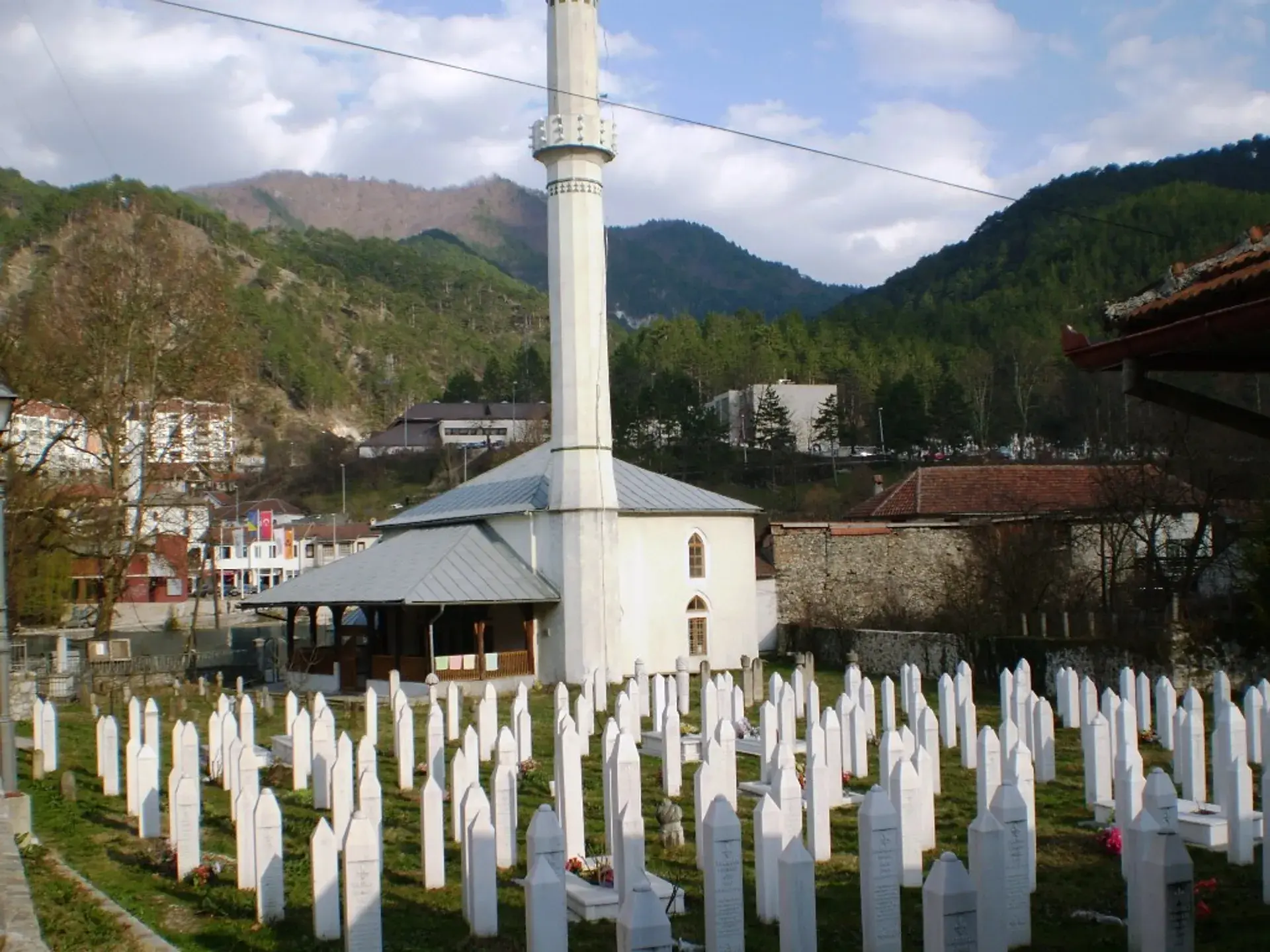
Repovačka Mosque (Repovačka džamija) is a classical single-space stone sanctuary situated on an elevated plateau along the right bank of the Neretva River in Konjic. Measuring approximately 10.55 by 11.16 meters, the stone structure is topped by a four-pitched roof traditionally covered with stone slabs. Its entrance is fronted by an open wooden-columned porch (trijem) lined with stone benches (sofe).
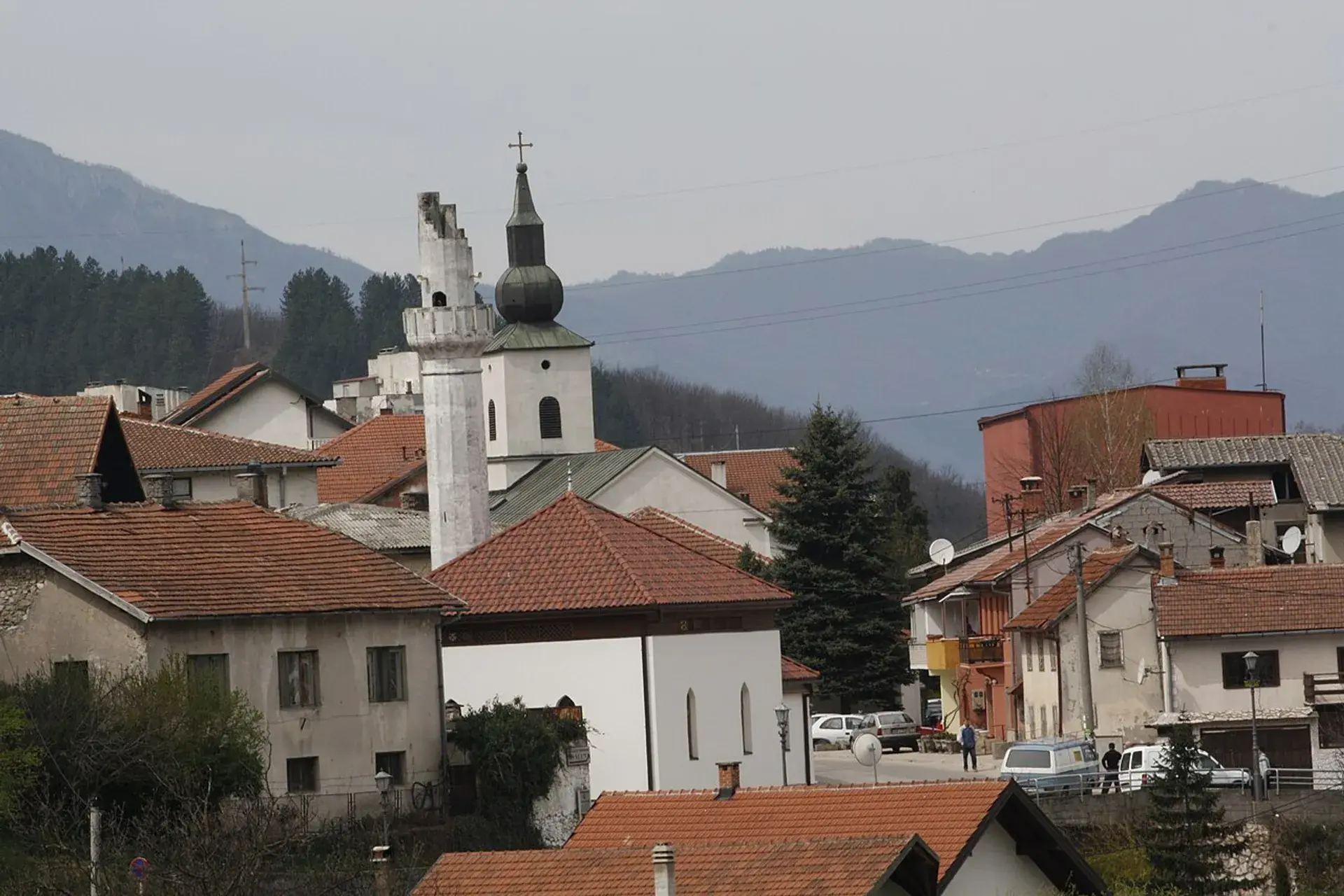
The complex is notable for its decagonal minaret, constructed from whitewashed travertine (sedra) and rising roughly 19 meters high. Topped by an unadorned stone balcony (šerefe) and a conical roof with a copper finial, the minaret deviates distinctly from standard Ottoman architectural conventions. While traditional Ottoman mosques position the minaret on the right flank, Repovačka’s tower stands on the left (northeastern) side. Furthermore, access to its internal spiral stone staircase begins directly inside the prayer hall beneath the wooden women's gallery (mahfil), rather than from an exterior doorway.
Origins and the Ottoman Endowment
The mosque dates to the late 16th century, generally placed between 1565 and 1579, with archival studies frequently citing 1574 or 1579. It was endowed by Hudaverdi Mehmed-čauš (also documented as Muhamed-beg, son of Alija), a high-ranking Ottoman officer from the notable local Repovac bey family, from whom the structure derives its name.
Funded with an initial endowment of 140,000 silver dirhams, the building served as the primary Islamic focal point for the urban settlement expanding along the right bank of the Neretva. Sitting directly across the river from Konjic's historic bazaar (Stara čaršija) and major left-bank religious sites, the mosque established an architectural anchor at the western foot of the town's Old Stone Bridge (Stara Ćuprija).
Centuries of Reassignment, Desecration, and Restoration
Following the 1878 Austro-Hungarian occupation of Bosnia and Herzegovina, Repovačka Mosque was removed from religious service and repurposed as a military and commercial warehouse. It returned to congregational worship in 1924 after a restoration that replaced the original stone floor with wooden planks. However, the interruption of religious life resumed in 1943 when German troops seized the mosque to store military supplies.
Under the post-World War II Yugoslav administration, the interior continued to function as general storage. During this era, the sacred cemetery (harem) surrounding the mosque was stripped of its traditional stone markers (nišani), flattened, and used as the municipal livestock trading market. The mosque was re-consecrated and reopened for worship in 1990. During the 1992–1995 war, artillery shells struck the roof and exterior stone walls. These damages were subsequently repaired, and in September 2007, the Commission to Preserve National Monuments designated the mosque complex a National Monument of Bosnia and Herzegovina.
Modern Status and Urban Setting
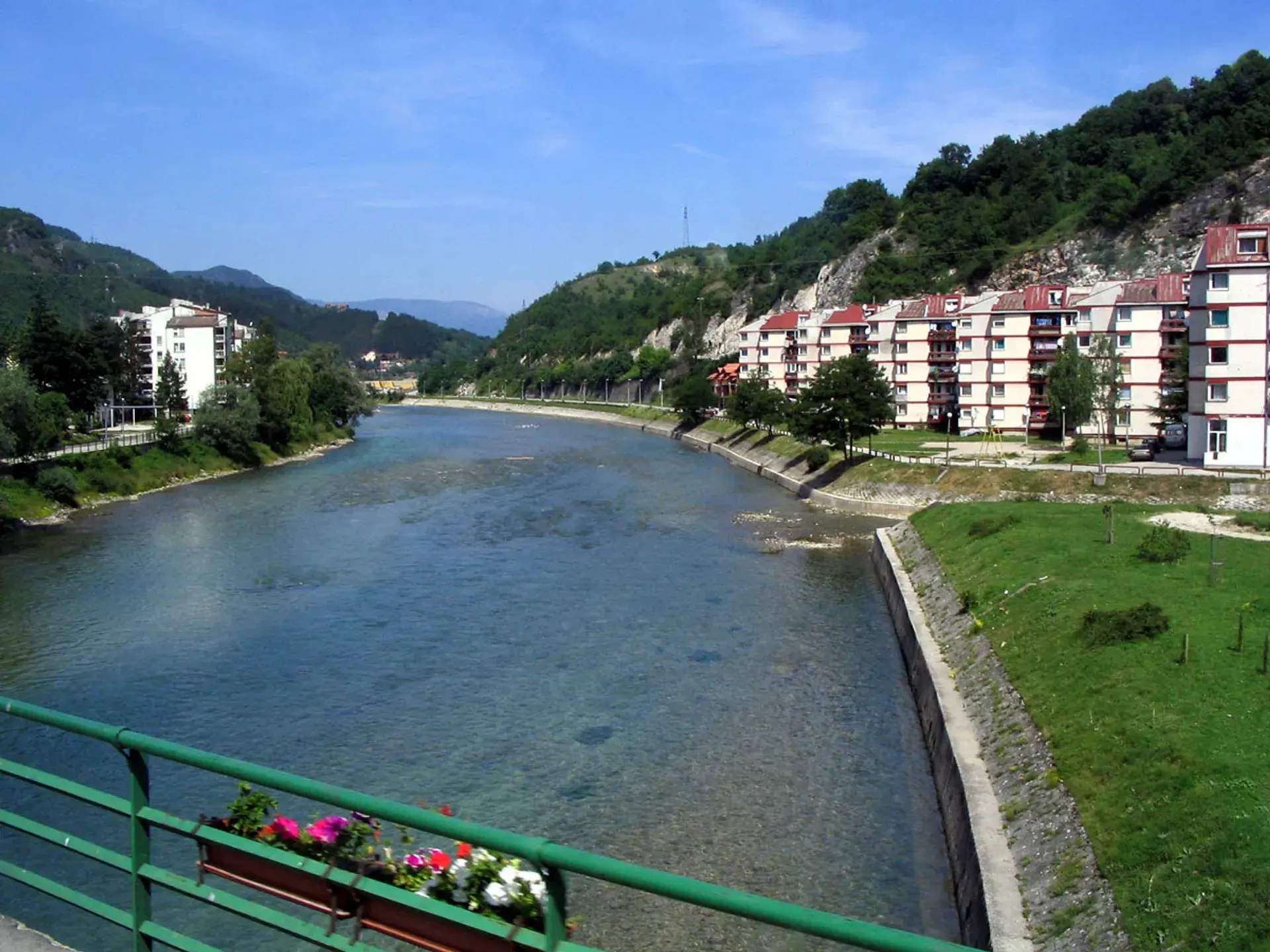
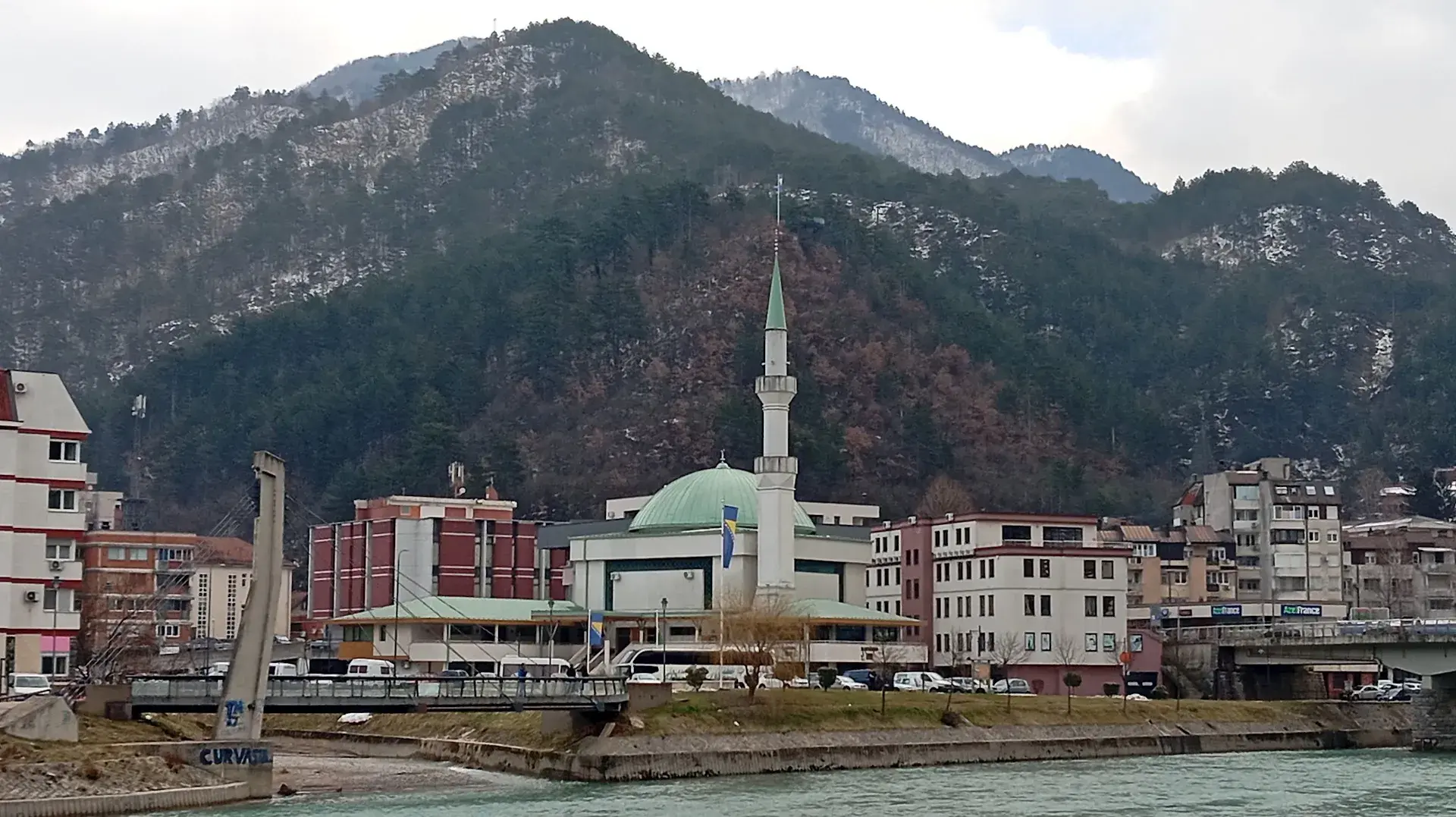
Today, Repovačka Mosque operates as an active neighborhood prayer house (džemat) governed by the Islamic Community of Konjic (Medžlis Islamske zajednice Konjic). Situated above Maršala Tita Street, the site offers an expansive view over the stone arches of the Neretva crossing and the crags of Prenj Mountain, retaining its place as an integral landmark within Konjic's historic river corridor.
FAQ
What makes the minaret of Repovačka Mosque unique?
Unlike standard Ottoman mosques where the minaret is built on the right flank, Repovačka Mosque features a 19-meter decagonal minaret located on the left (northeastern) side. Additionally, its internal spiral staircase is accessed from inside the prayer hall beneath the women's gallery rather than through an external doorway.
When was Repovačka Mosque established?
The mosque was founded in the late 16th century, between 1565 and 1579, by Ottoman officer Hudaverdi Mehmed-čauš of the local Repovac family.
How was the mosque site used in the 20th century?
The mosque served as a military supply depot during World War II and a general warehouse under the post-war Yugoslav government. During this post-war period, the surrounding cemetery was cleared of gravestones and utilized as a municipal livestock market until the building was restored for worship in 1990.