Zavičajni Muzej Konjic: Heritage & History
An Anchor in Konjic's Old Town
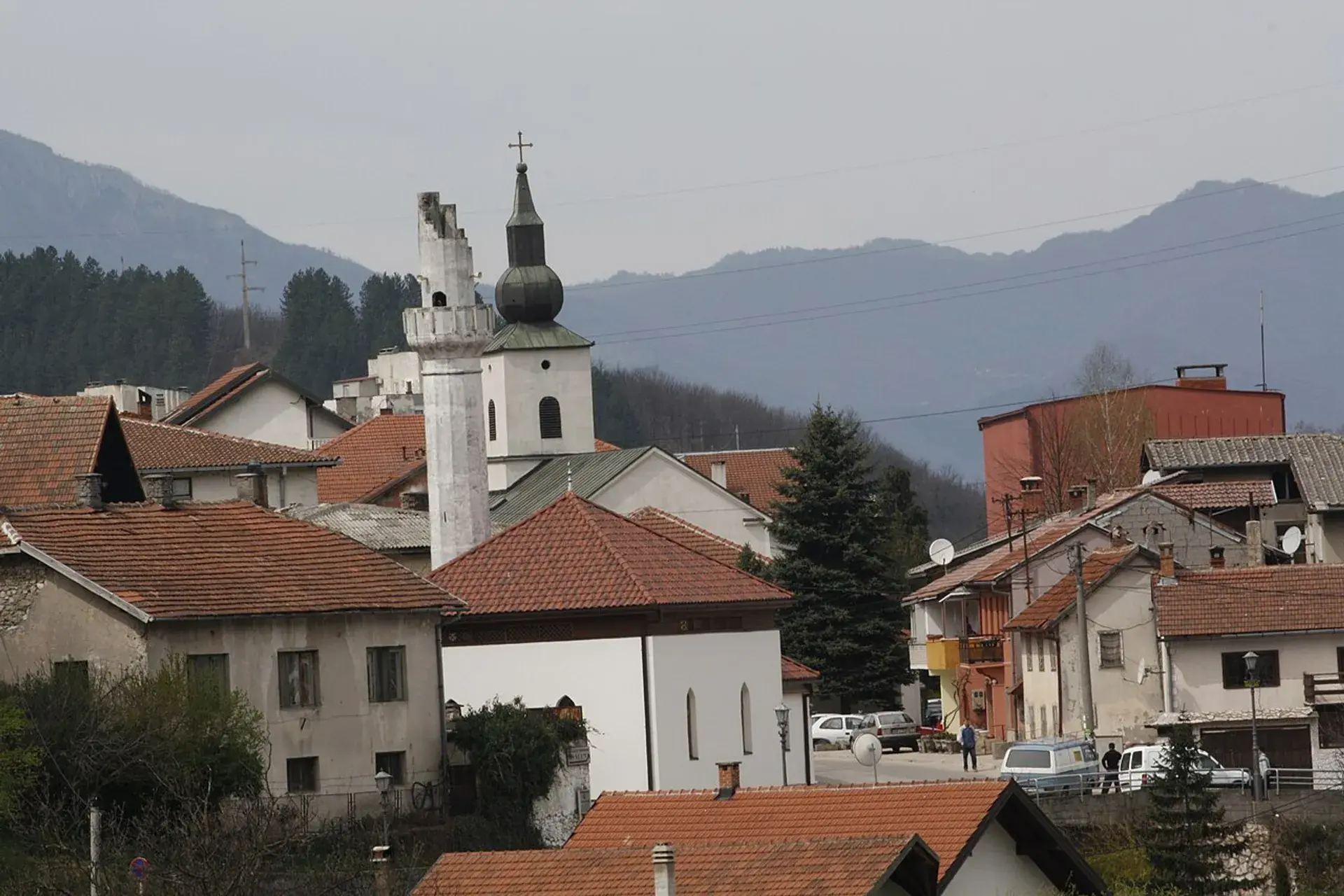
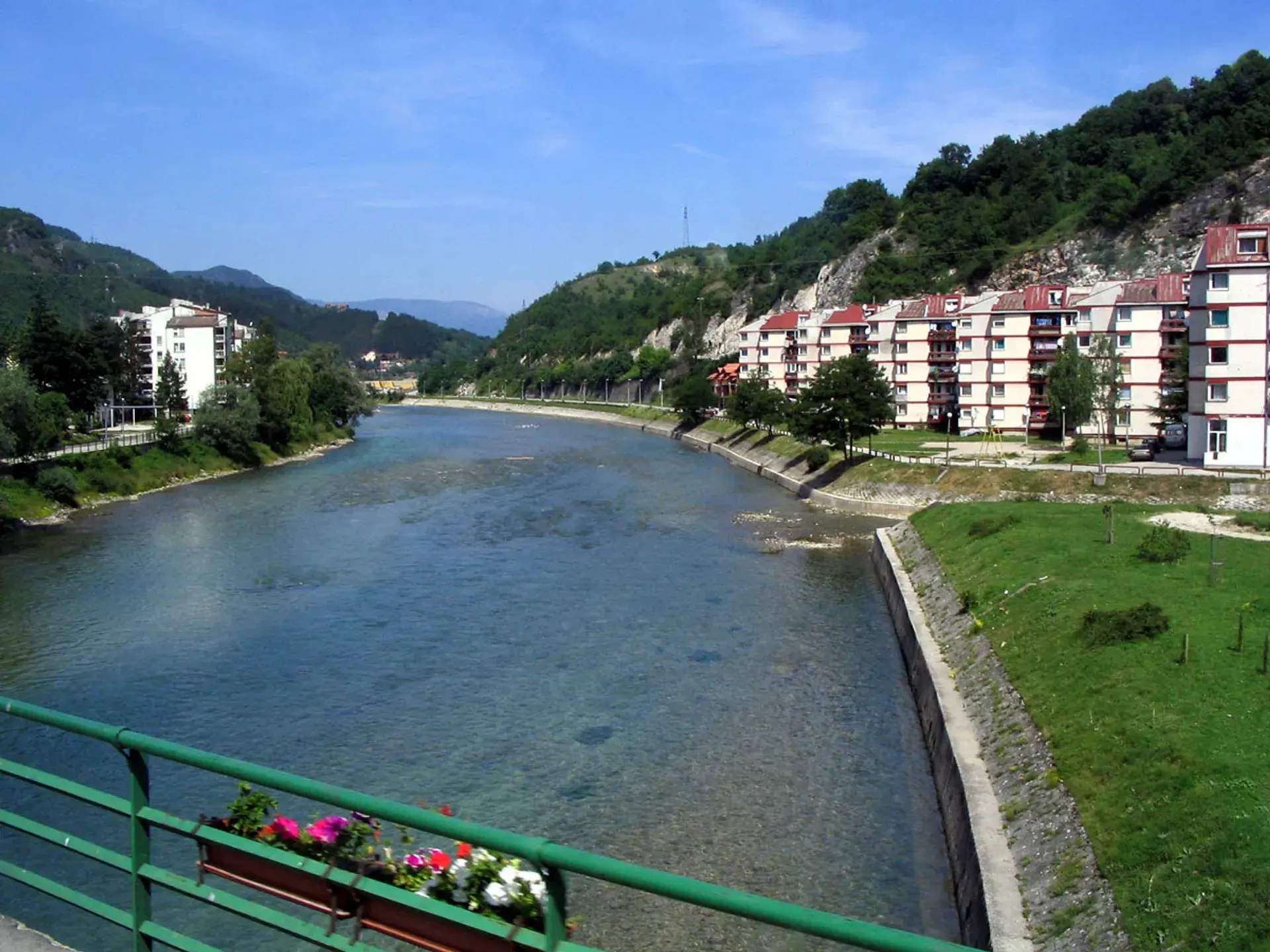
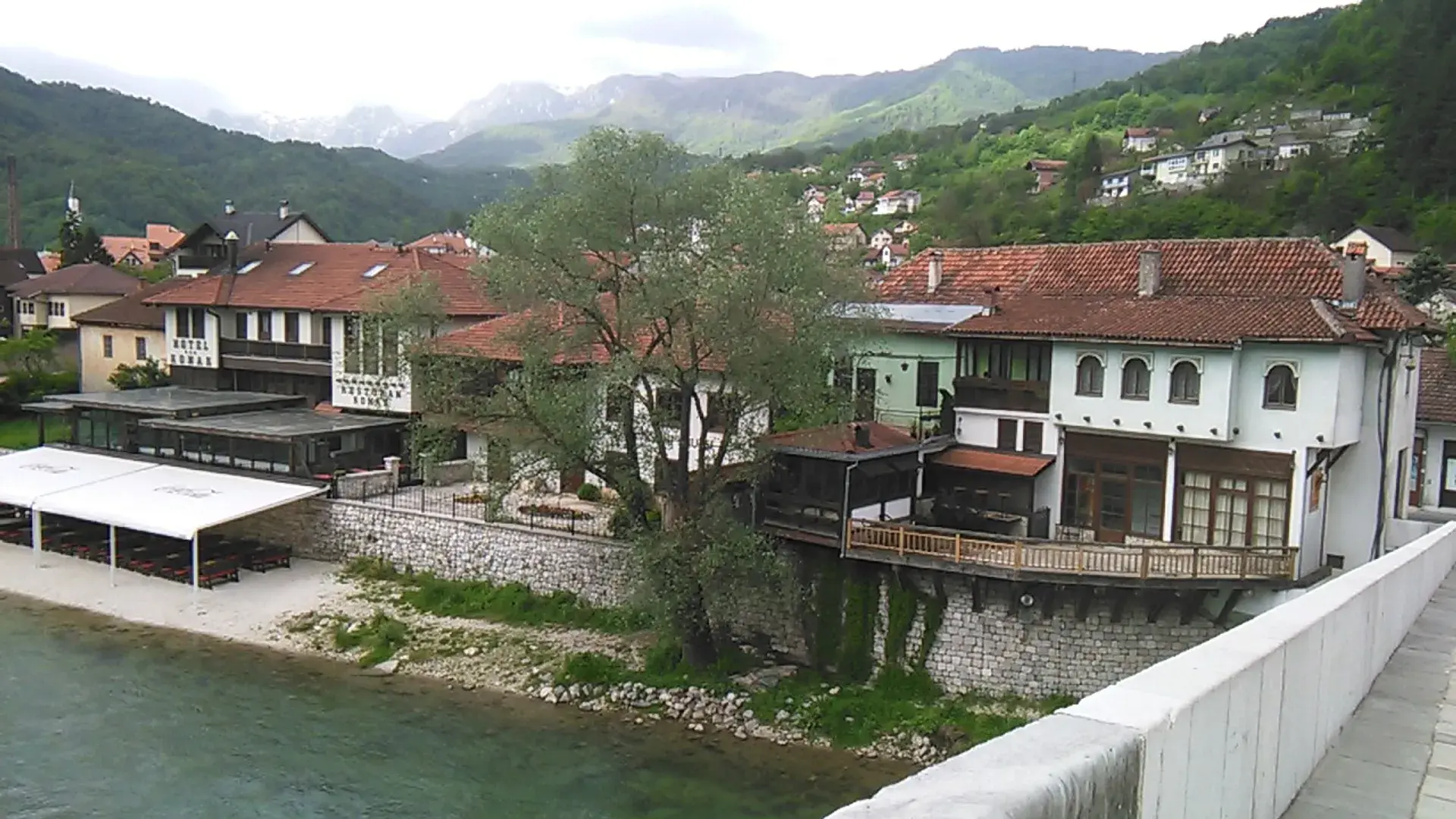
Zavičajni muzej Konjic (Konjic Heritage Museum) serves as the primary regional cultural repository for the municipality of Konjic. Operating as a dedicated department of the public cultural institution Javna ustanova Narodni univerzitet Konjic, the museum sits in the historic quarter (Stara čaršija) on the left bank of the Neretva River. Positioned directly beside the southern abutment of the reconstructed Ottoman Old Bridge (Stari most), the institution marks the entry point into the pedestrian lanes of the old town.
While an initiative to establish a town museum was initially raised in 1974, the institution officially opened its doors in March 2011. Its adaptation and outfitting were completed with municipal funding alongside contributions from the Kingdom of the Netherlands, USAID, and SIDA.
A Building of Many Eras
The structure housing the museum reflects key transitional eras in Konjic's architectural and civic history. During the Ottoman period, the property originally formed part of a roadside inn or caravanserai (han). Under Austro-Hungarian administration, the building was converted into a municipal workshop dedicated to Konjic's traditional woodcarving trade. Later, during the Yugoslav era, the site functioned as the town fire station (Vatrogasni dom) before its eventual renovation into a modern museum facility.
Archaeological and Ethnographic Holdings
The museum’s permanent exhibitions encompass regional archaeology and ethnography. The archaeological section covers prehistoric, Roman, and medieval periods. A primary highlight connects to an ancient Roman sanctuary (Mithraeum) discovered at Repovica in 1897. This site, dedicated to the mystery god Mithras, yielded an inscribed relief dating to the reign of Emperor Decius and his sons (249–251 CE).
Other notable items include a replica of the medieval stone judge's chair (sudačka stolica) from Bukovica, representing the regional tradition where community elders adjudicated local disputes from single-block stone seats. The collection also preserves an authentic Rub'tahta, a traditional quarter-circle astronomical quadrant plate used in Islamic astronomy for celestial calculations and solar timekeeping.
The ethnographic department presents regional domestic life from the late 19th and early 20th centuries, illustrating local customs, textile production, and lifestyle patterns from the surrounding Neretva basin.
Preserving Konjic Woodcarving and Literary Legacy
Given the building's former role as a craft workshop, the museum maintains a strong connection to Konjic’s UNESCO-recognized woodcarving tradition. Displays of intricately carved interior elements introduce the craft's history to visitors before they encounter active woodcarving ateliers located throughout the town.
The institution also oversees an art gallery, a specialized library containing works by regional writers, and an external annex: the birthplace of Zulfikar "Zuko" Džumhur (1920–1989). Located nearby, the preserved home of the acclaimed Yugoslav painter, caricaturist, and travel writer exhibits his manuscripts, clothing, and Konjic wood-carved furnishings.
Cultural Hub and Seasonal Operations
Beyond permanent exhibits, the museum functions as a civic cultural center, hosting temporary art displays, historical lectures, book launches, and craft preservation workshops, including educational sessions on traditional woodcarving.
The museum is open to visitors throughout the year. It maintains peak season hours from April through October with weekday and weekend access, followed by reduced weekday operating hours during the winter months.
FAQ
When did Zavičajni muzej Konjic officially open?
Although the initiative to establish the museum began in 1974, it officially opened to the public in March 2011 following extensive renovations.
What historical functions did the museum building serve in the past?
The structure served as an Ottoman caravanserai (inn), an Austro-Hungarian woodcarving workshop, and a Yugoslav fire station before being converted into the heritage museum.
What is the Mithraic artifact documented at the museum?
The archaeological department documents a Roman sanctuary (Mithraeum) discovered in Repovica in 1897, featuring an inscribed relief dedicated to Mithras dating from 249–251 CE.
What is the Zuko Džumhur annex?
The museum manages the nearby birthplace of Yugoslav travel writer, caricaturist, and painter Zulfikar 'Zuko' Džumhur, displaying his personal manuscripts, garments, and traditional carved furniture.
Discover Konjic like never before
Dive into Konjic hidden stories and secret spots with Ciceru interactive tours.
Explore tour
Audioguide
Quizzes
Maps
Solo
Couples
Groups & families

© Photo by Memsudin Gadžo via Google Maps · Google Places