Plava Voda: Travnik's Historic Blue Water Springs
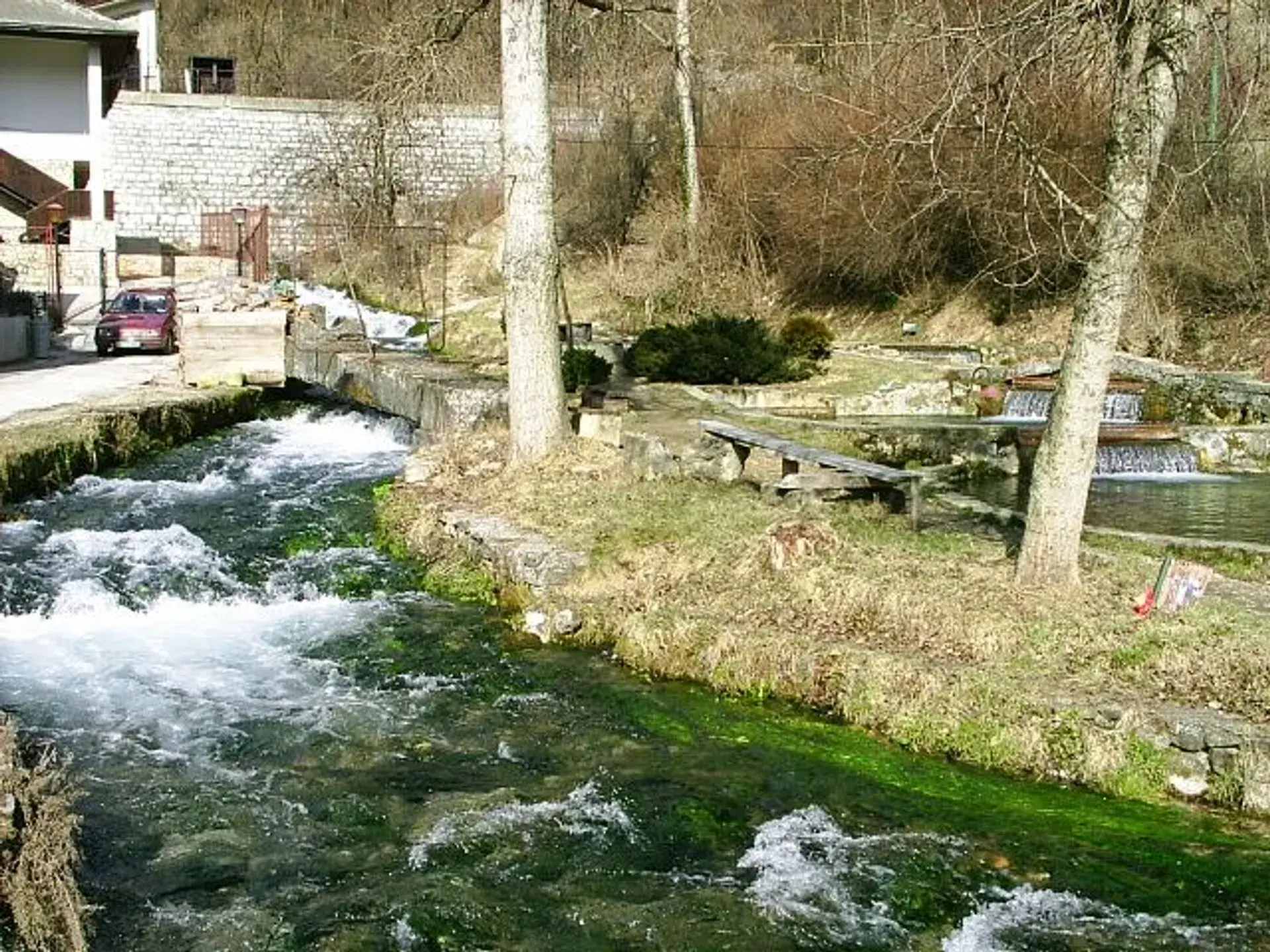
In the heart of Travnik's Old Town (Ćaršija), just below the historic castle, lies Plava Voda, or Blue Water. This large karst spring emerges from the base of Vlašić mountain, forming a river that flows for about 350 meters before joining the Lašva River. Formed by tectonic movements millions of years ago, the cultural landscape surrounding Plava Voda was declared a national monument of Bosnia and Herzegovina on April 26, 2013.
A Historic Engine of Travnik
For centuries, the vigorous flow of Plava Voda was a vital resource for Travnik's industry. Its power turned numerous water mills and operated wooden poles that crushed oak bark, a crucial ingredient for the tanning process in the city's many tanneries. The area's industrial significance reached a new height in 1906 when the Czech company Franjo Krizik built a dam and a small hydroelectric plant. This installation provided Travnik with its first electricity, making it one of the earliest electrified cities in the former Yugoslavia.
A Muse for Writers and Royalty
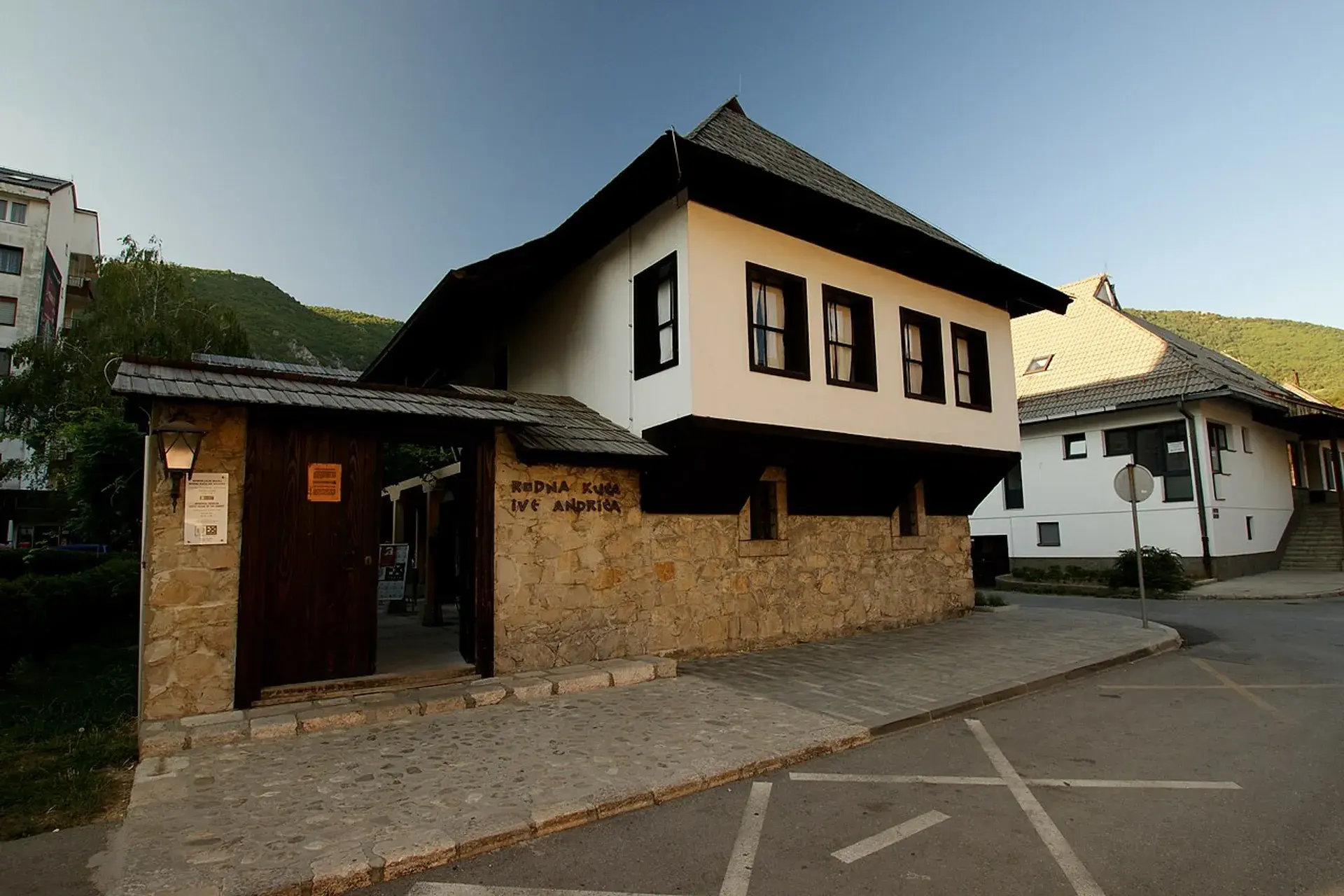
Plava Voda holds a special place in cultural history, largely due to the Lutvina kahva café situated by its waters. The café gained international fame after being featured as the opening and closing setting of 'Bosnian Chronicle,' a novel by Nobel laureate Ivo Andrić that vividly portrays 19th-century life in Travnik. The site also has a royal connection. On June 18, 1887, Austrian Archduke and Crown Prince Rudolf visited the café, famously paying for his coffee with a golden ducat. The coin was preserved and displayed in the establishment, which also became known as 'Rudolf's Tavern'.
The Heart of Travnik Today
Plava Voda continues to serve as Travnik's primary source of potable water. It has evolved into a vibrant and popular recreational destination for both locals and tourists. The area along the spring's course is lined with cafes and restaurants, offering a relaxing atmosphere to enjoy traditional Bosnian coffee and cuisine. Pedestrian walkways and benches invite leisurely strolls, though there are local concerns that future development could diminish the spring's natural appeal.
FAQ
What is the significance of Plava Voda in Travnik?
Plava Voda is a large karst spring and national monument. It has served as Travnik's main water source, powered early industry and a pioneering hydroelectric plant, and is now a popular recreational area.
Who are the famous people associated with Plava Voda?
Nobel Prize-winning author Ivo Andrić featured the local Lutvina kahva café in his novel 'Bosnian Chronicle,' and Austrian Archduke Rudolf visited the same café in 1887, leaving behind a golden ducat.
How did Plava Voda contribute to Travnik's early industry?
The spring's strong flow historically powered numerous water mills and equipment used to crush oak bark for Travnik's many leather tanneries. In 1906, it was harnessed to power a hydroelectric plant, bringing electricity to the city.