Kuća Konzula: Travnik's Literary & Diplomatic History
The 'Kuća Konzula,' or 'House of the Consuls,' is not a single physical building in Travnik but a historical concept representing a pivotal era in the city's past. This period, known as the 'Consular Times,' is famously preserved not in stone, but in the pages of a Nobel Prize-winning novel by local author Ivo Andrić.
A Diplomatic Capital
From 1699 to 1850, Travnik served as the administrative and diplomatic capital of the Ottoman Bosnian province. The seat of power was relocated here from Sarajevo after Prince Eugene of Savoy's forces burned the traditional capital. This move established Travnik as a key strategic and governmental center on the western frontier of the Ottoman Empire, and it became the home of the Bosnian viziers. Over its history, the city produced a remarkable 77 Grand Viziers for the Ottoman Empire.
The Consular Times
During the Napoleonic Wars, Travnik's geopolitical importance grew. France established a consulate in the city around 1806, followed by Austria-Hungary in 1807. The period of this active foreign consular presence, lasting from approximately 1806 to 1814, is known as the 'Consular Times.' This introduced a unique cosmopolitan atmosphere to the mountain town, fostering complex political and social interactions between the diplomatic missions and local inhabitants.
Immortalized in Literature
This fascinating era was vividly chronicled by Travnik-born author Ivo Andrić in his novel 'Bosnian Chronicle' (also known as 'The Days of the Consuls'). The book, which contributed to Andrić receiving the Nobel Prize in Literature in 1961, explores the cultural clashes and daily lives in Travnik between 1807 and 1814. It features characters inspired by historical figures, such as the French diplomat Pierre David, who appears as the character Jean Daville.
Preserving the Legacy
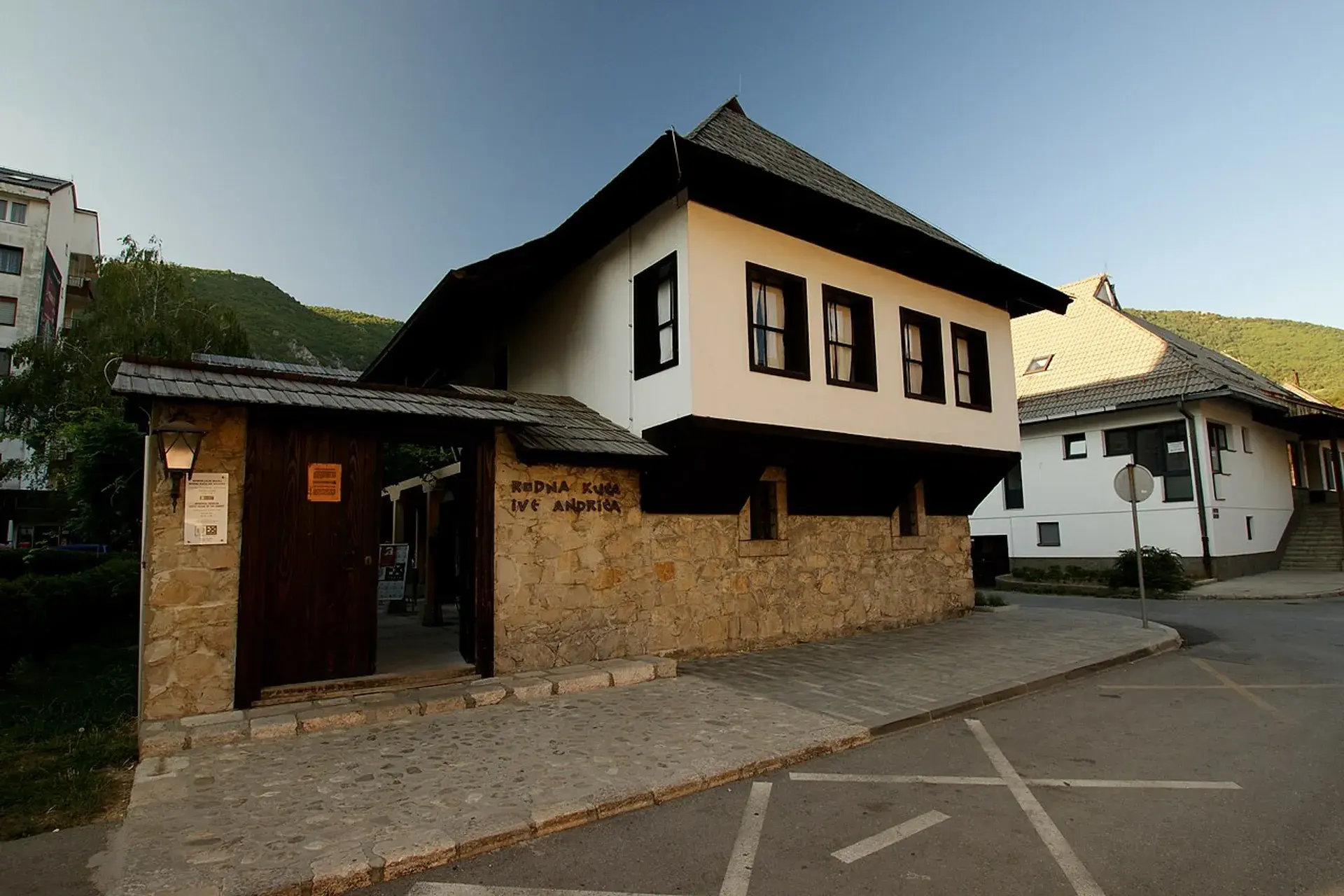
While no specific building is designated as the 'House of the Consuls,' the city's diplomatic history is interpreted through its cultural institutions. The Regional Museum of Travnik features 'The Travnik Chronicles Room,' which provides an overview of the period with displays like facsimiles of reports from the French and Austrian consulates. Additionally, the birthplace of Ivo Andrić has been converted into a memorial museum that highlights his life and literary works, including his renowned novel about the consular era. In a nod to this shared history, France has expressed intentions to re-establish a diplomatic presence in the city.
FAQ
Is there a real 'House of the Consuls' building in Travnik?
No, there is no single building known as the 'House of the Consuls.' The term refers to the historical period from roughly 1806 to 1814 when foreign consulates operated in Travnik, which was then the Ottoman capital.
Why was Travnik an important city?
From 1699 to 1850, Travnik was the capital of the Ottoman Bosnian province, making it a significant administrative, strategic, and diplomatic center. It was the seat of the Bosnian viziers and produced 77 Grand Viziers for the Ottoman Empire.
What is the connection between Travnik and Nobel Prize winner Ivo Andrić?
Ivo Andrić was born in Travnik. His Nobel Prize-winning novel, 'Bosnian Chronicle,' is set in Travnik and vividly portrays the city's 'Consular Times,' when French and Austrian consulates were present.
Where can you learn about the 'Consular Times' in Travnik?
The history of this era is preserved in two key locations: the Regional Museum of Travnik, which has a dedicated 'Travnik Chronicles Room,' and the Ivo Andrić Memorial Museum, located in his birthplace.