Donja Čaršija: Travnik's Historic Ottoman Market
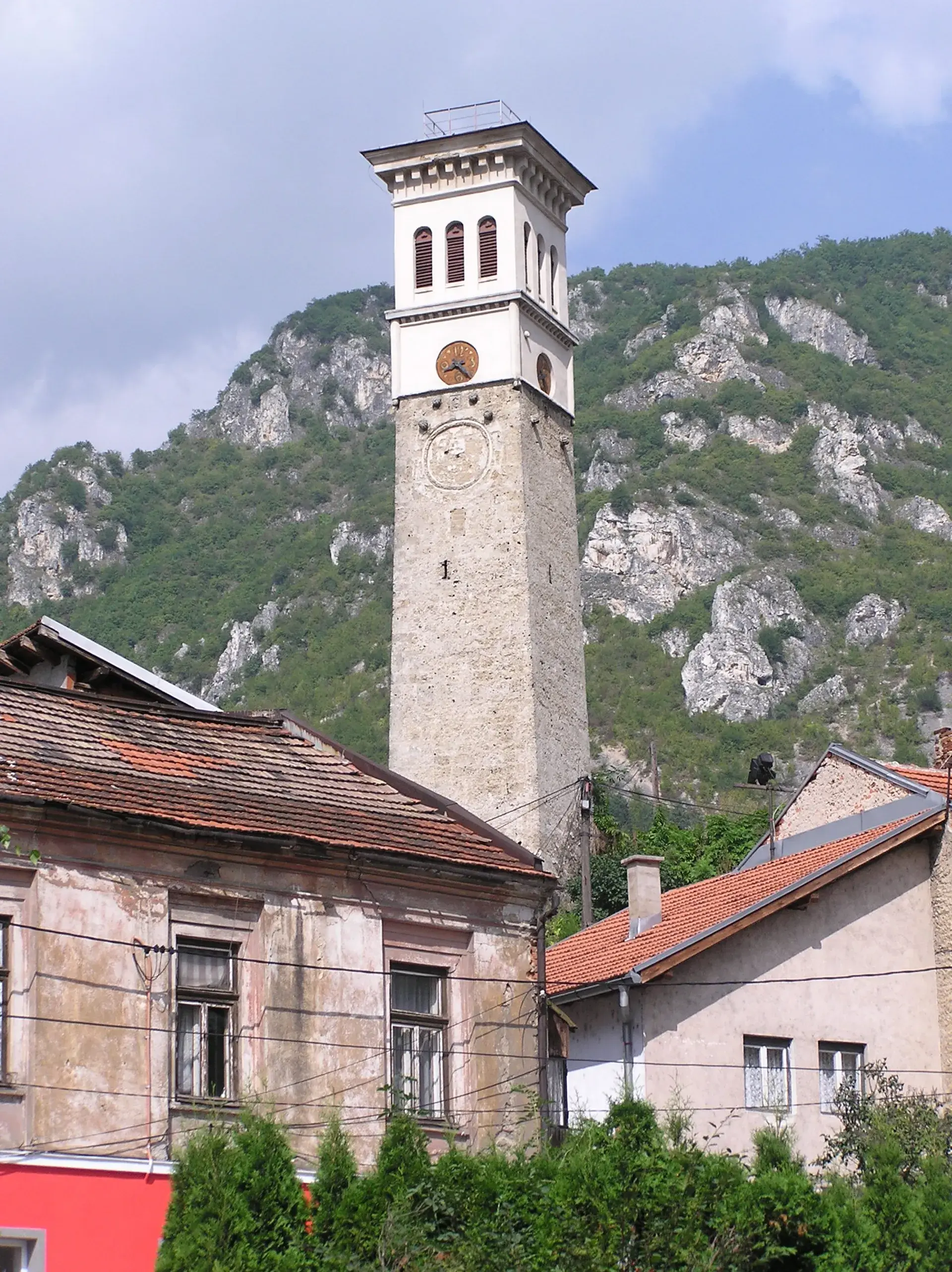
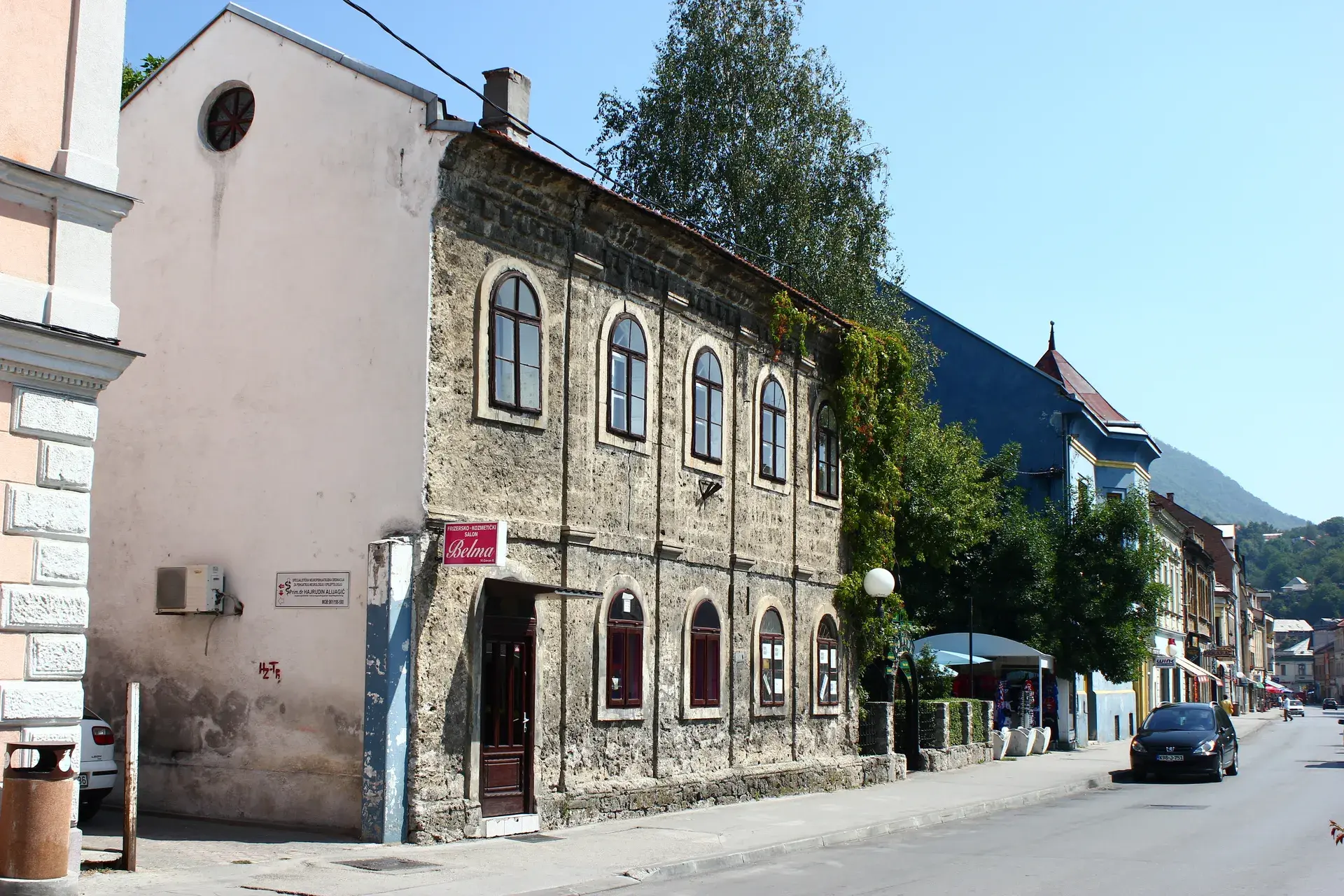
Donja Čaršija, also known as the Lower Market or Lower Bazaar, is the historic commercial heart of Travnik's Old Town. Dating back to the early 15th century, this area embodies the town's enduring spirit as a center for trade and craft, with an architectural style that reflects its deep Ottoman-era roots.
The Viziers' Capital
Travnik's prominence, and that of its bazaar, grew exponentially after it became the capital of the Bosnian Eyalet in 1699. This decision was made after Austrian forces sacked Sarajevo, making it temporarily unfit to govern. For the next 150 years, until 1851, Travnik served as the residence for 77 Ottoman viziers, and Donja Čaršija thrived as the economic engine of this administrative center. Some of these powerful rulers, including the notoriously strict Hafiz Ali Jalaluddin-Pasha, are buried in mausoleums (turbes) within the town.
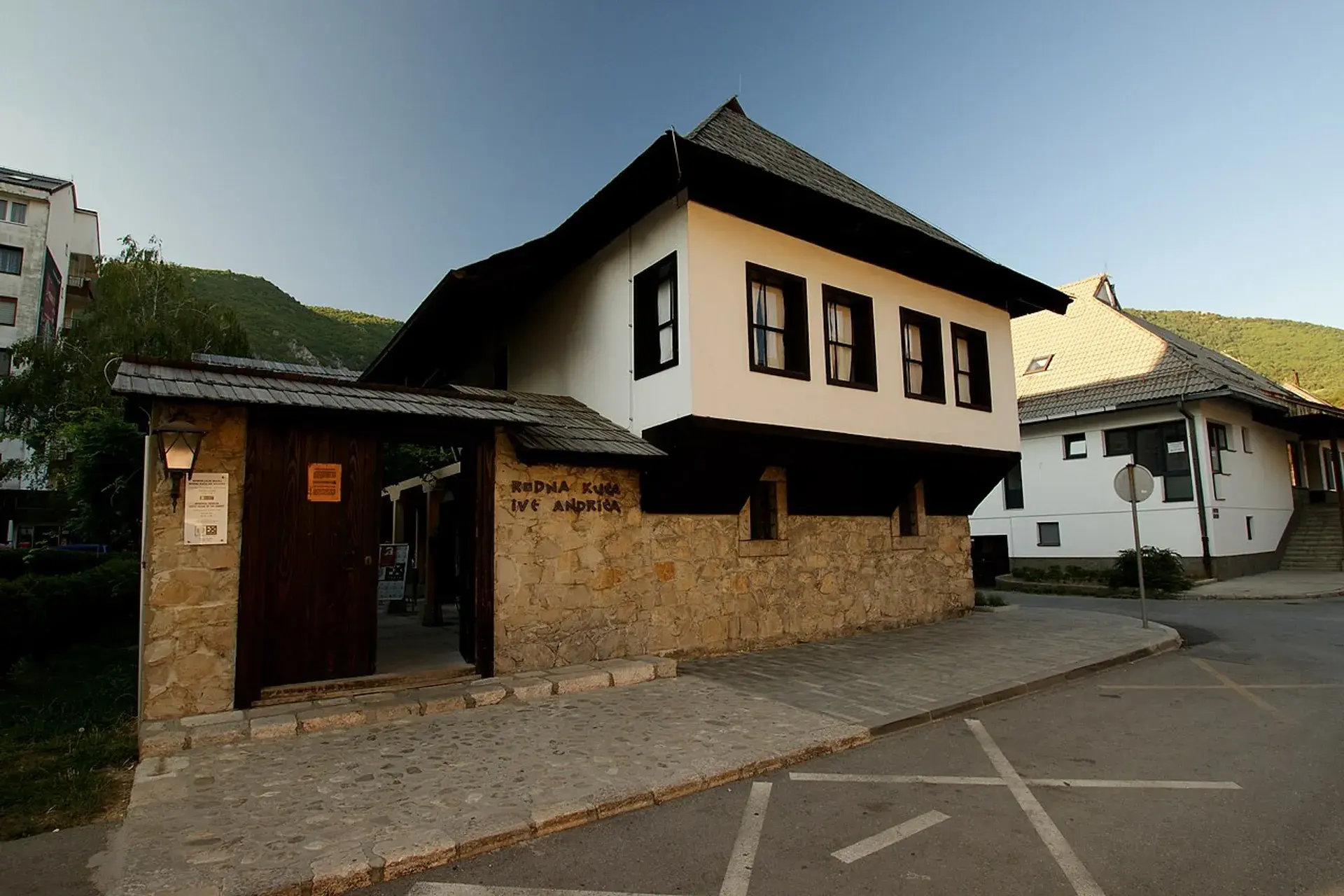
During the Napoleonic period from 1806 to 1814, the presence of French and Austrian consulates briefly turned Travnik into a cosmopolitan hub. This unique era was famously captured by Nobel laureate Ivo Andrić in his novel 'Bosnian Chronicle', immortalizing the daily life and atmosphere of the bazaar on the world stage.
The Great Fire of 1903
A catastrophic event reshaped Donja Čaršija on September 3, 1903. A great fire, reportedly ignited by a spark from a locomotive, devastated the town. The blaze destroyed over 500 houses, eight mosques, and a Jewish synagogue, leaving around 3,000 people homeless. The subsequent reconstruction, which occurred under the Austro-Hungarian administration that began in 1878, introduced elements of Western European urban design, creating the blend of styles visible today.
Donja Čaršija Today
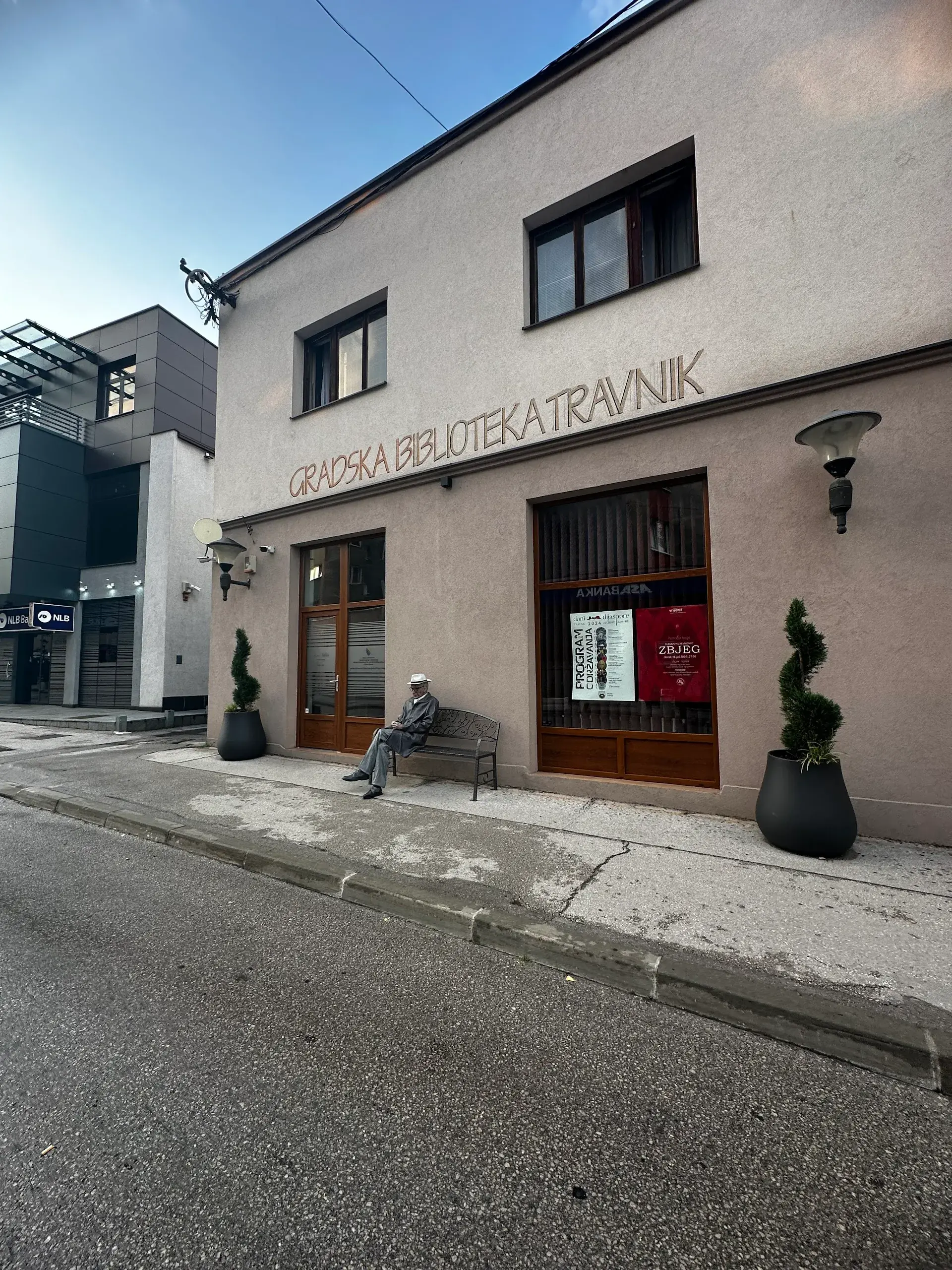
Today, Donja Čaršija continues its legacy as a bustling city center and Travnik's main market. Its cobblestone streets are lined with historic buildings housing traditional shops, restaurants, and cafes. Visitors can find local crafts at shops like 'ZVEKIR' or fresh produce at the 'Zelena Pijaca'.
The area is also a culinary destination, renowned for its 'ćevabdžinice' serving the local specialty, 'Travnički ćevapi'. These grilled meat sausages are distinct from other regional varieties, being smaller and fattier. Coffee shops such as 'Vezirov Dućan' maintain the tradition of serving Bosnian coffee. Recent investments have seen the reconstruction of pedestrian zones, further enhancing the bazaar's role as a central gathering place.
FAQ
Why was Travnik historically important?
Travnik was historically significant as it served as the capital of the Bosnian Eyalet and the residence of 77 Ottoman viziers from 1699 to 1851, making it a key administrative and economic center.
What happened to Donja Čaršija in 1903?
On September 3, 1903, a major fire, reportedly started by a spark from a locomotive, destroyed a large part of Travnik, including Donja Čaršija. The fire consumed over 500 houses, eight mosques, and a synagogue.
What is special about Travnički ćevapi?
Travnički ćevapi, a local specialty found in Donja Čaršija, are distinct from other regional versions. They are typically smaller and fattier than the Sarajevo style and are traditionally served with raw onion and somun bread.
Which famous author wrote about Travnik?
Nobel Prize-winning author Ivo Andrić vividly depicted life in Travnik and its bazaar during the Napoleonic era in his novel 'Bosnian Chronicle' (also known as 'The Travnik Chronicle'). His birthplace in Travnik is now a memorial museum.