Plava Voda: Travnik's Historic Blue Spring
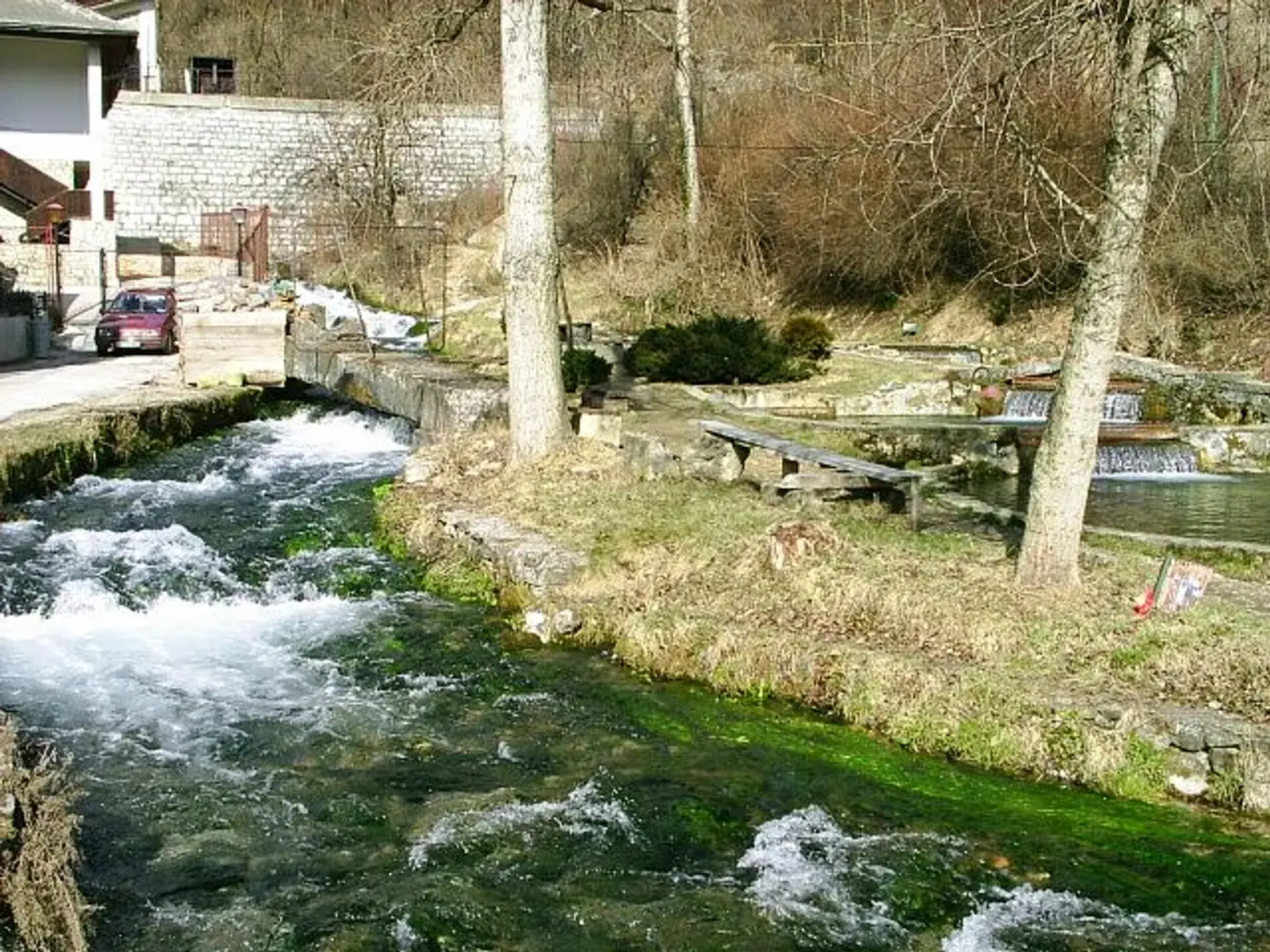
In the heart of Travnik's Old Town, at the foot of Vlašić mountain and beneath the city's castle, lies Plava Voda, or the blue spring. This powerful karst spring emerges from a large slit in the rock, forming a short, eponymous river of remarkably clear water. The cultural landscape of Plava Voda was declared a National Monument of Bosnia and Herzegovina in 2013.
The river created by the spring flows for only 350 meters before joining the Lašva River. Today, the area is a popular destination for locals and tourists, lined with cafes and restaurants offering traditional Bosnian cuisine. It serves as a serene spot for leisurely walks, photography, and relaxation, while also remaining Travnik's primary source of potable water.
A Hub of History and Industry
For centuries, Plava Voda was fundamental to Travnik's development. Its strong flow powered numerous water mills and was essential for local tanneries, which used wooden poles in the water to process oak bark. The spring's role in the city's industrialization was cemented in 1906 with the establishment of a small hydroelectric power plant.
Built by the Czech company Franjo Krizik, this dam and power plant generated Travnik's first electricity, a milestone that predated electrification in many other cities across the former Yugoslavia.
Cultural and Literary Significance
Plava Voda is deeply woven into Travnik's cultural fabric. The area is home to Lutvina Kahva, a historic cafe dating to the 19th century. This cafe holds a unique place in history due to a visit from Archduke Rudolf, the Austro-Hungarian Crown Prince, on June 18, 1887. He famously paid for his coffee with a ducat, which was preserved along with the coffee set and displayed, leading the cafe to also be known as 'Rudolf's Tavern'.
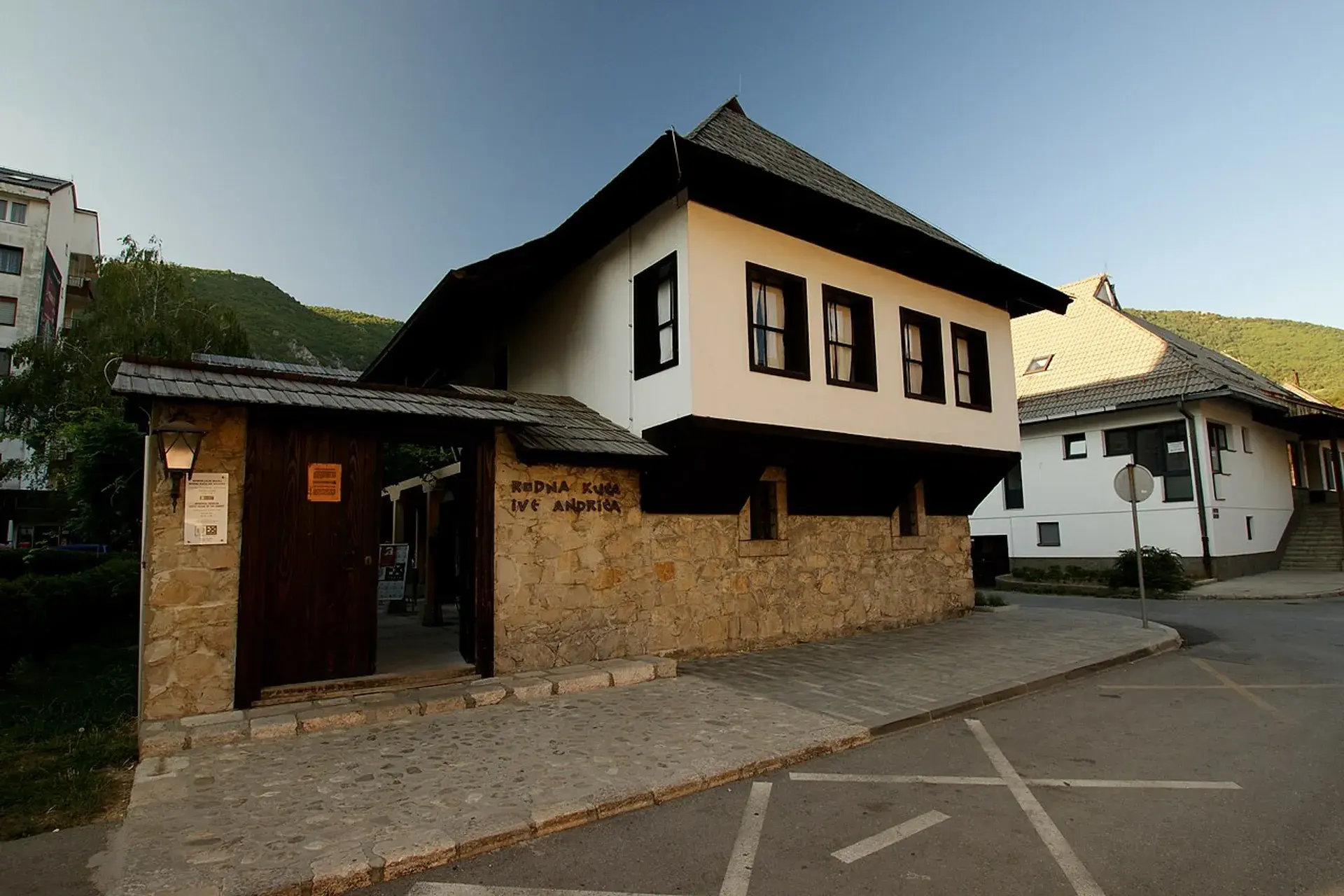
The site also has strong literary connections through Nobel Prize-winning author Ivo Andrić. His novel 'Bosnian Chronicle' ('Travnička hronika') begins and ends at Lutvina Kahva. Adding to the area's historical depth is the monumental tomb (turbe) of Mufti Mehmed efendija and his wife Ajiša, located behind the cafe.
Plava Voda Today
Plava Voda continues to be a vibrant center of life in Travnik. The river acts as a spawning ground for salmonid fish species like brown trout and contains two fish farm basins. The area is a beloved gathering spot, and a new luxury hotel designed by architect Amir Vuk Zec is under construction, aiming to blend modern luxury with Bosnian tradition.
While the spring is a cherished natural and cultural asset, there are ongoing discussions and concerns about a regional water supply project that could potentially impact the spring's natural discharge.
FAQ
What is Plava Voda?
Plava Voda, or the blue spring, is a large karst spring located in Travnik's Old Town. It forms a 350-meter-long river and is a designated National Monument of Bosnia and Herzegovina.
Why is the Lutvina Kahva cafe at Plava Voda famous?
Lutvina Kahva is a historic 19th-century cafe known for being featured in Ivo Andrić's novel 'Bosnian Chronicle' and for a famous visit in 1887 by Archduke Rudolf of Austria-Hungary, who paid for his coffee with a gold ducat.
Did Plava Voda generate electricity?
Yes, in 1906, a small hydroelectric power plant was established at Plava Voda. It was built by a Czech company and provided the city of Travnik with its first electrical power.