Regional Ethnographic Museum Plovdiv: History & Facts
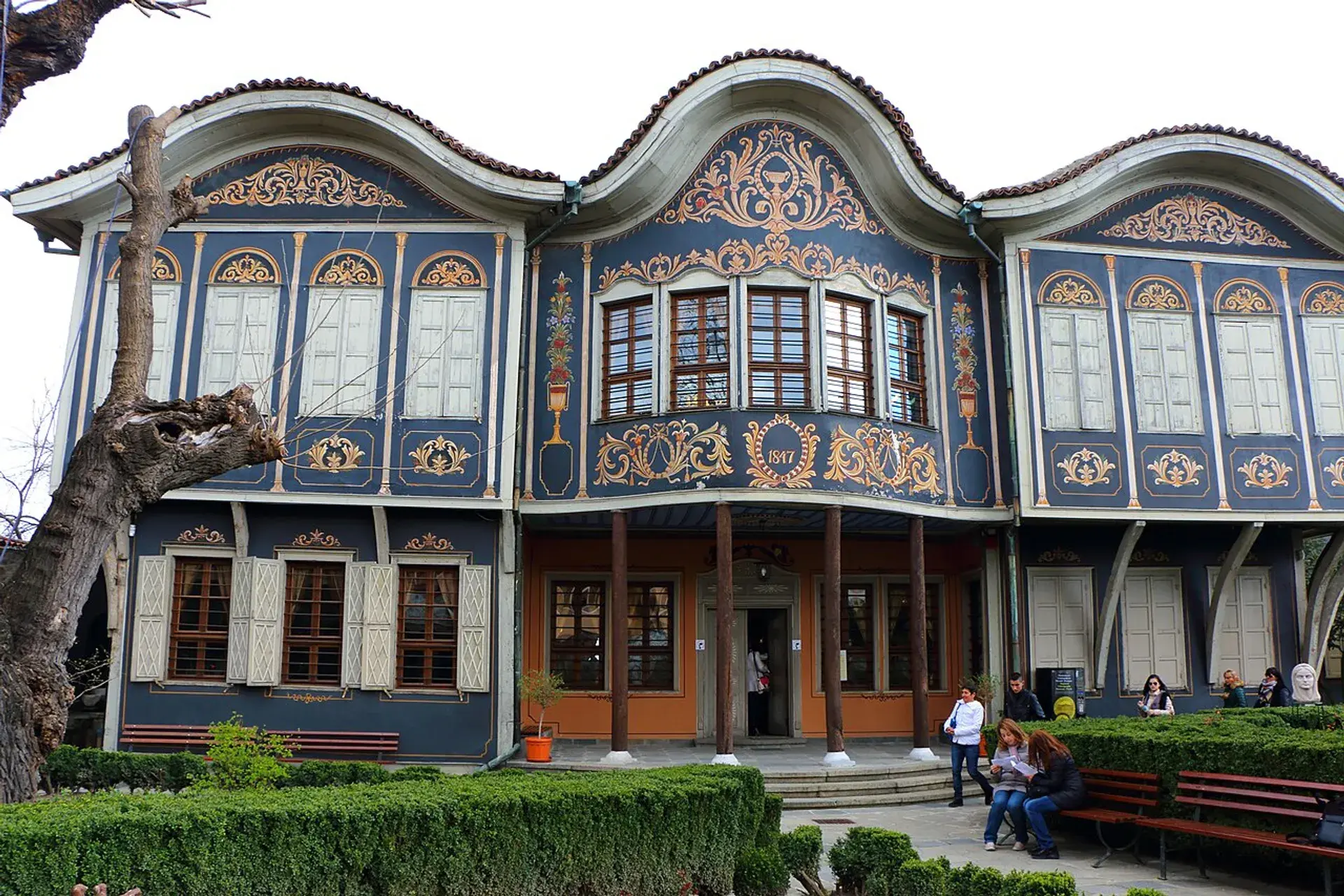
Gaze up at the magnificent 19th-century Revival architecture and ornate wooden bays of the Regional Ethnographic Museum Plovdiv. Located in the city's Old Town reserve near the ancient eastern gate, Hisar Kapiya, this institution is the second-largest specialized ethnographic museum in Bulgaria. It is housed in the renowned Kuyumdzhioglu House, a striking 1847 mansion built for the wealthy textile merchant Argir Hristov Kuyumdzhioglu.
A Masterpiece of Plovdiv Baroque
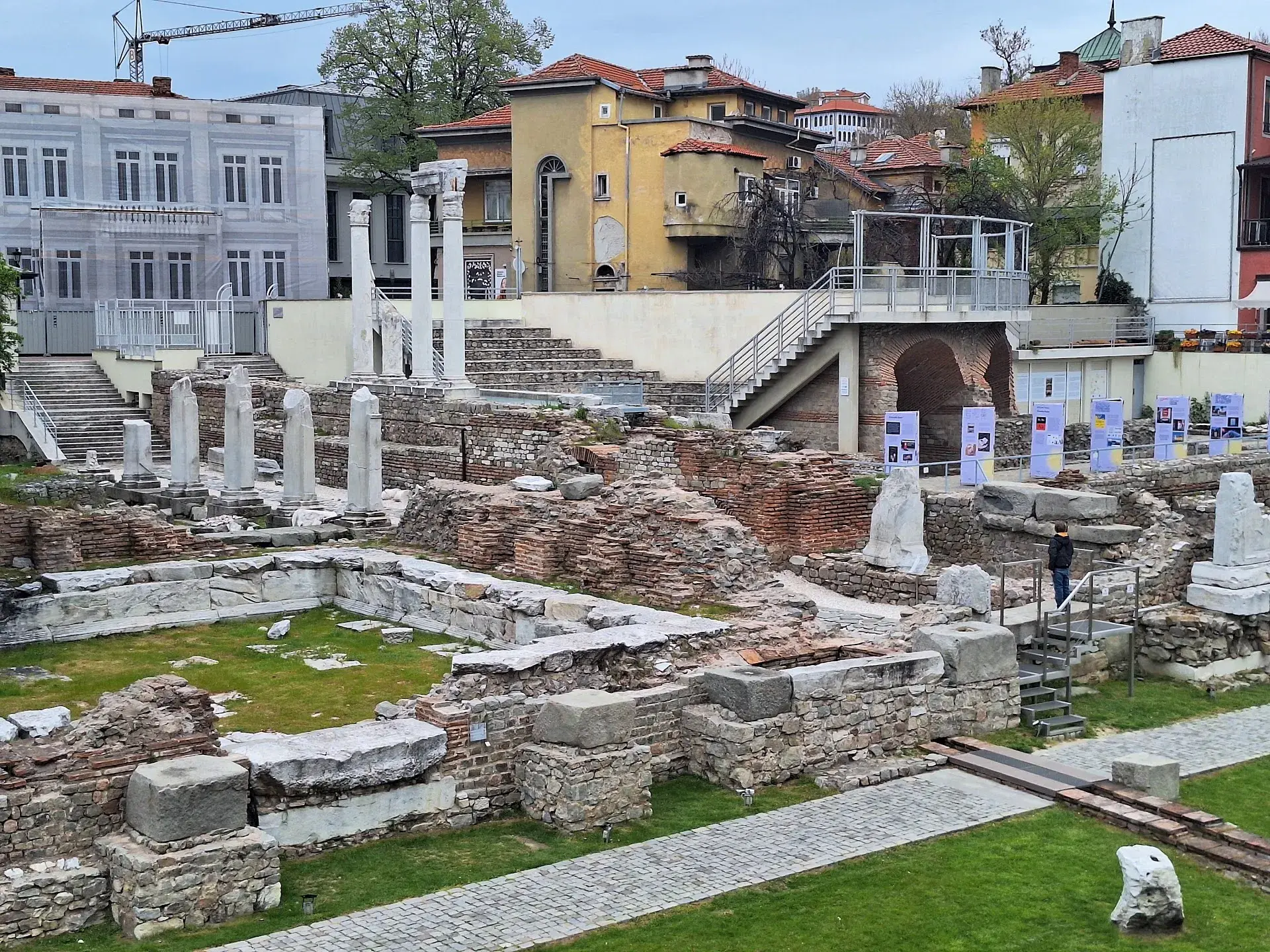
Designed by master builder Hadzhi Georgi Stanchovski, the symmetrical mansion is a premier example of mid-19th-century Bulgarian National Revival architecture, often referred to as Plovdiv Baroque. The building brilliantly utilizes the natural hillside slope, standing two stories high on its western courtyard side and four stories high on the east. Remarkably, the four-story eastern wall rests directly upon the stone foundations of Plovdiv's ancient Roman and medieval fortified city walls.
The exterior features a distinctively curved western upper facade that billows outward above the entrance portico. This undulating wave mimics the shape of a traditional wooden shoulder yoke, or kobilitsa. Inside, the grand scale continues with two massive reception parlours and 12 rooms, each boasting a uniquely carved wooden ceiling. The mansion features over 130 glass windows, an extraordinary design choice meant to showcase the original owner's immense wealth while flooding the intricately carved salons with natural light.
From Aristocratic Mansion to Vinegar Factory
The Kuyumdzhioglu House was commissioned at the height of Plovdiv's Revival-era economic boom. However, following Bulgaria's liberation in 1878, Argir Kuyumdzhioglu relocated to Vienna. His heirs rented out the sprawling property, leading to a surprisingly industrial chapter in the building's history.
Despite its grand appearance, the landmark mansion functioned at various points as a girls' boarding school, a hat factory, a flour warehouse, and a working vinegar factory. In 1930, a tobacco merchant purchased the estate with the intent of converting it into a tobacco warehouse, but financial troubles led to the property being auctioned. The mansion was finally saved in 1938 when Plovdiv Mayor Bozhidar Zdravkov spearheaded preservation efforts, officially opening it as a Municipal House-Museum in 1943.
Preserving Bulgarian Heritage
Today, the historic building operates as a National Monument of Culture. The Regional Ethnographic Museum holds over 40,000 artifacts detailing the region's rich cultural history. Its permanent exhibitions are divided into comprehensive sections displaying agriculture, traditional crafts like coppersmithing and pottery, regional textiles, period furniture, musical instruments, and ritual art.
Beyond its indoor displays, the museum remains an active cultural hub in Plovdiv. The courtyard and the grand interior salons frequently host folk and chamber music concerts, craft demonstrations, and seasonal cultural festivals, keeping the traditions of the Bulgarian National Revival alive.
FAQ
Who built the mansion that houses the Regional Ethnographic Museum Plovdiv?
The mansion, known as the Kuyumdzhioglu House, was designed and constructed in 1847 by master builder Hadzhi Georgi Stanchovski for wealthy textile merchant Argir Hristov Kuyumdzhioglu.
How many artifacts are in the Regional Ethnographic Museum Plovdiv?
The museum is Bulgaria's second-largest specialized ethnographic museum, holding a collection of over 40,000 artifacts related to agriculture, crafts, textiles, and ritual art.
What was the Kuyumdzhioglu House used for before becoming a museum?
After the original owner moved to Vienna in 1878, the mansion served several unexpected roles, including a girls' boarding school, a hat factory, a flour warehouse, and a working vinegar factory.