Mackenzie House: Home of Toronto's Rebel Mayor
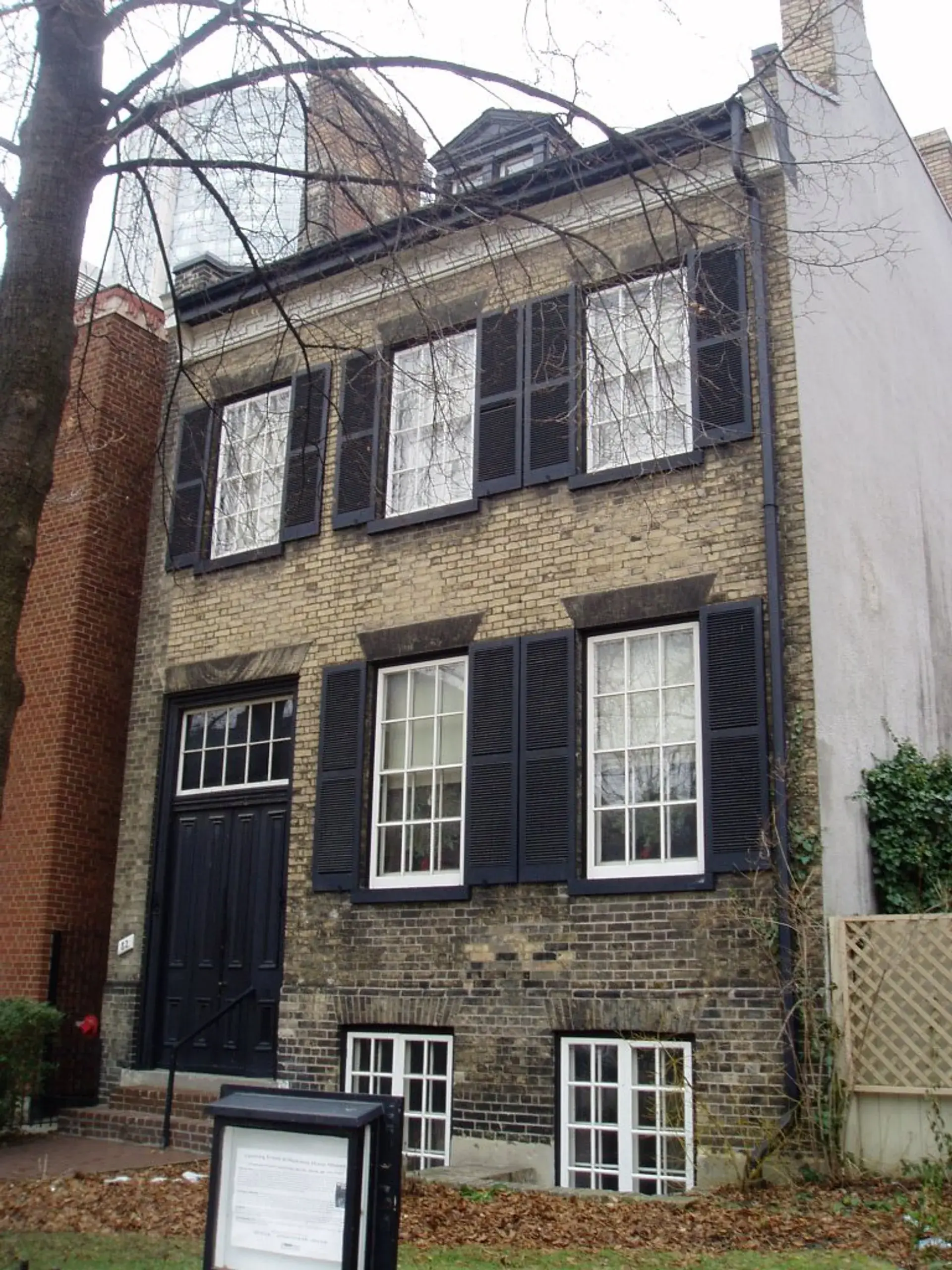
Mackenzie House is a three-storey brick townhouse in Toronto, primarily known as the final residence of William Lyon Mackenzie, the city's first mayor and a central figure in the 1837 Upper Canada Rebellion. Built in 1858 in the Georgian or Greek Revival style, the house stands as a significant monument to Toronto's political and social history.
A Home for a Rebel
In 1859, after years of political activism and journalistic endeavors that left him in poor health and financial difficulty, William Lyon Mackenzie moved into this home. The house was purchased for him by a group of friends and political supporters who raised over $7,000. Mackenzie, a Scottish-Canadian journalist and politician, had served as Toronto's first mayor in 1834 and was the leader of the ill-fated 1837 rebellion, during which a 1,000-pound reward was placed on his head. He lived in the house until his death in 1861.
After his death, his wife Isabel Baxter Mackenzie continued to reside there. The house was seized for debt in 1864, but she was able to repurchase it in 1868 with funds provided by the Ontario Legislature.
Preservation and Museum Status
The house narrowly avoided demolition in 1936 when surrounding row houses were torn down. Its preservation was largely due to the influence of Mackenzie's grandson, William Lyon Mackenzie King, who was the Prime Minister of Canada at the time. The building was converted into a historic house museum in the 1950s or 1960s and is now operated by the City of Toronto. A one-storey addition was built in 1967 to house a print shop and gift shop. Despite a flood in 2021, the house remains open for guided tours amid ongoing restoration.
Life in the 1860s
Today, Mackenzie House offers visitors a glimpse into urban Victorian life in the 1860s. The museum interprets the evolution of democratic institutions through Mackenzie's life as a writer, publisher, and politician. A key feature is a recreated 19th-century print shop with an operational 1845 printing press. The sounds of the machinery and the scent of ink offer a sensory connection to Mackenzie's profession. The museum's programming also highlights the legacy of other activists, such as Mary Ann Shadd Cary, the first Black woman to publish a newspaper in North America.
The Ghostly Hoax
When the house was donated to the city in 1960, the official inventory famously included "one ghost." This led to a televised exorcism performed by an Anglican Archdeacon. However, the Mackenzie Homestead Foundation, which was responsible for the restoration, later admitted to the Toronto Daily Star that the ghost stories were a "ghastly hoax" created for publicity. Despite this debunking, tales of hauntings, including a "long-faced woman" and the sounds of the printing press operating on its own, continue to be associated with the house.
Unique Artifacts
Among the few original artifacts from Mackenzie's time is his personal bible. The grounds also hold a piece of history from another landmark: the side panels of the Memorial Arch that once stood at the Honeymoon Bridge in Niagara Falls. The panels were moved to Mackenzie House in 1974 after the arch was dismantled.
FAQ
Who was William Lyon Mackenzie?
William Lyon Mackenzie was a Scottish-Canadian journalist, politician, and reformer. He served as the first mayor of Toronto in 1834 and was the leader of the 1837 Upper Canada Rebellion, which sought democratic reforms.
Is Mackenzie House really haunted?
In 1960, the foundation restoring the house admitted that the ghost stories were a publicity hoax. Despite this, tales of hauntings persist, and the story of the "ghost" is part of the house's unique history.
What can you see at the Mackenzie House museum?
The museum features rooms restored to a 1860s Victorian style, a recreated 19th-century print shop with a working 1845 press, and historical artifacts, including William Lyon Mackenzie's personal bible.
Why is Mackenzie House historically significant?
Mackenzie House is significant as the final home of William Lyon Mackenzie, a key figure in Canadian democracy. The museum interprets Toronto's 19th-century history and the fight for responsible government.