Dubrovnik Old Port: History of Ragusa's Harbour
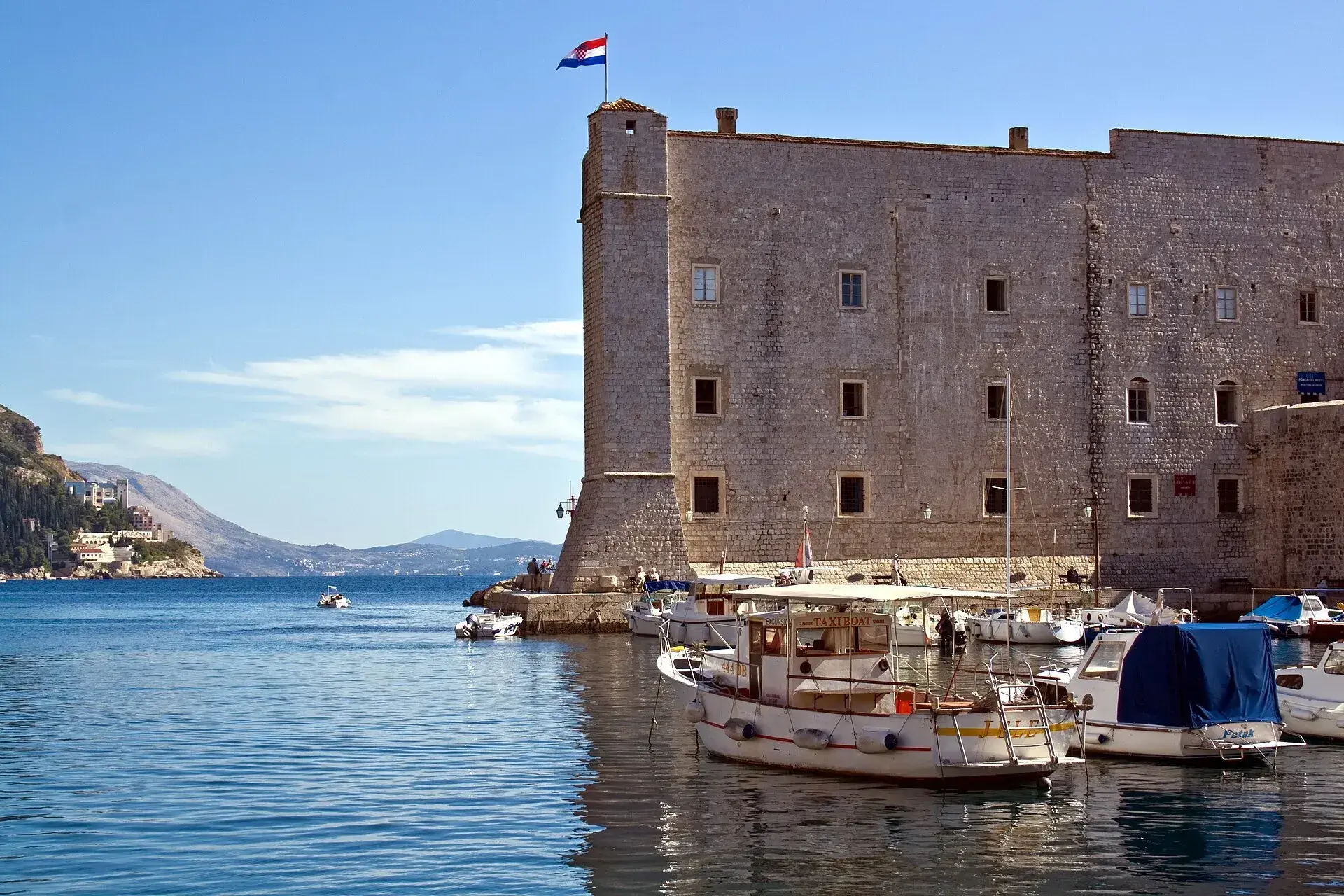
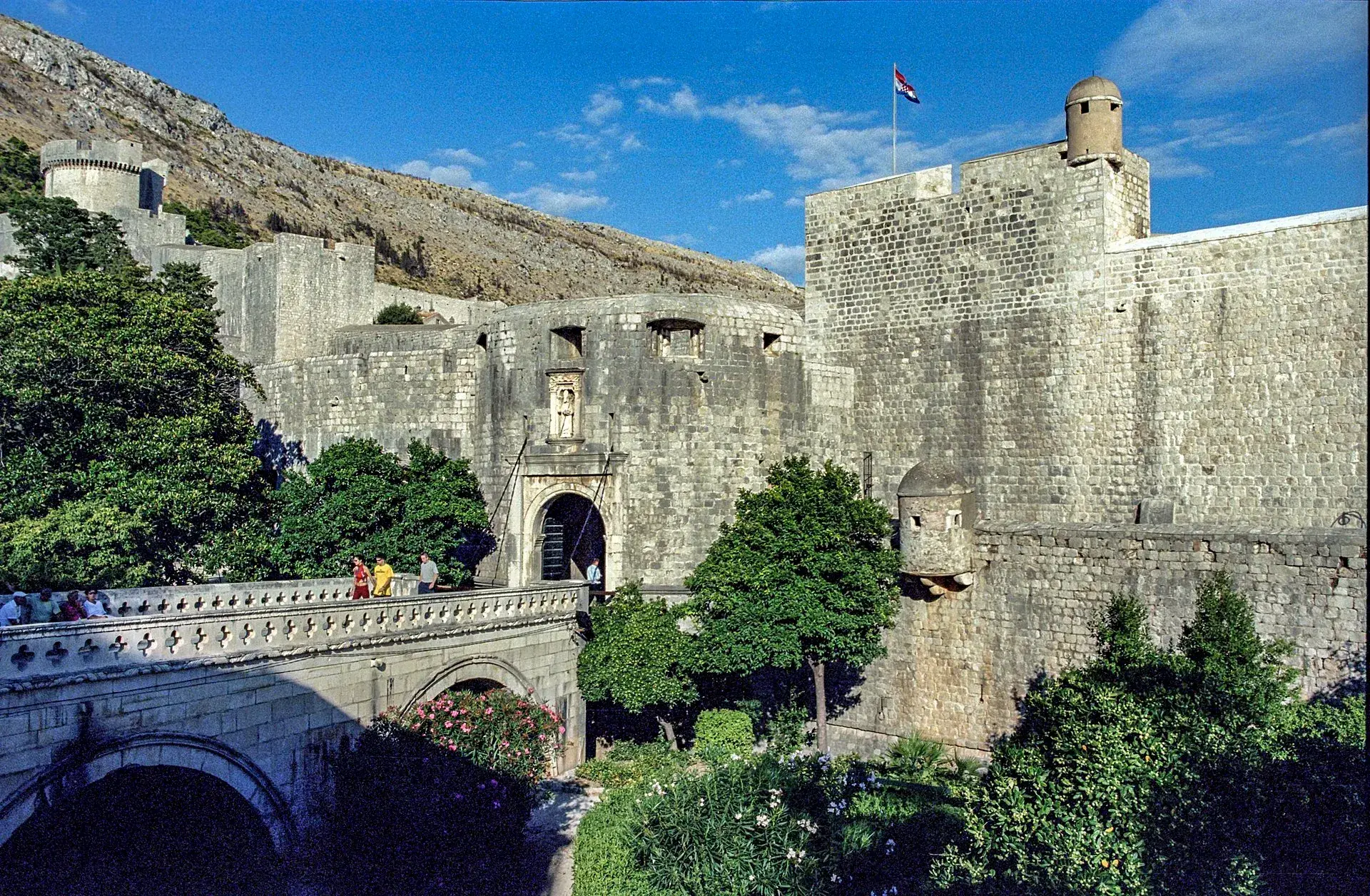
Located on the eastern perimeter of Dubrovnik's Old Town within the city fortifications, the Old Port served as the economic and maritime heart of the Republic of Ragusa. Positioned directly behind Luža Square and the Rector’s Palace along the route to the Ploče Gate, this historic basin was the engine that financed the city's civic and religious architecture. Transitioning from the enclosed stone alleys and gate tunnels of the Old Town into the port reveals an open harbor filled with sea breezes, water lapping against medieval ramparts, and rows of moored wooden boats.
Engineering and Maritime Defenses
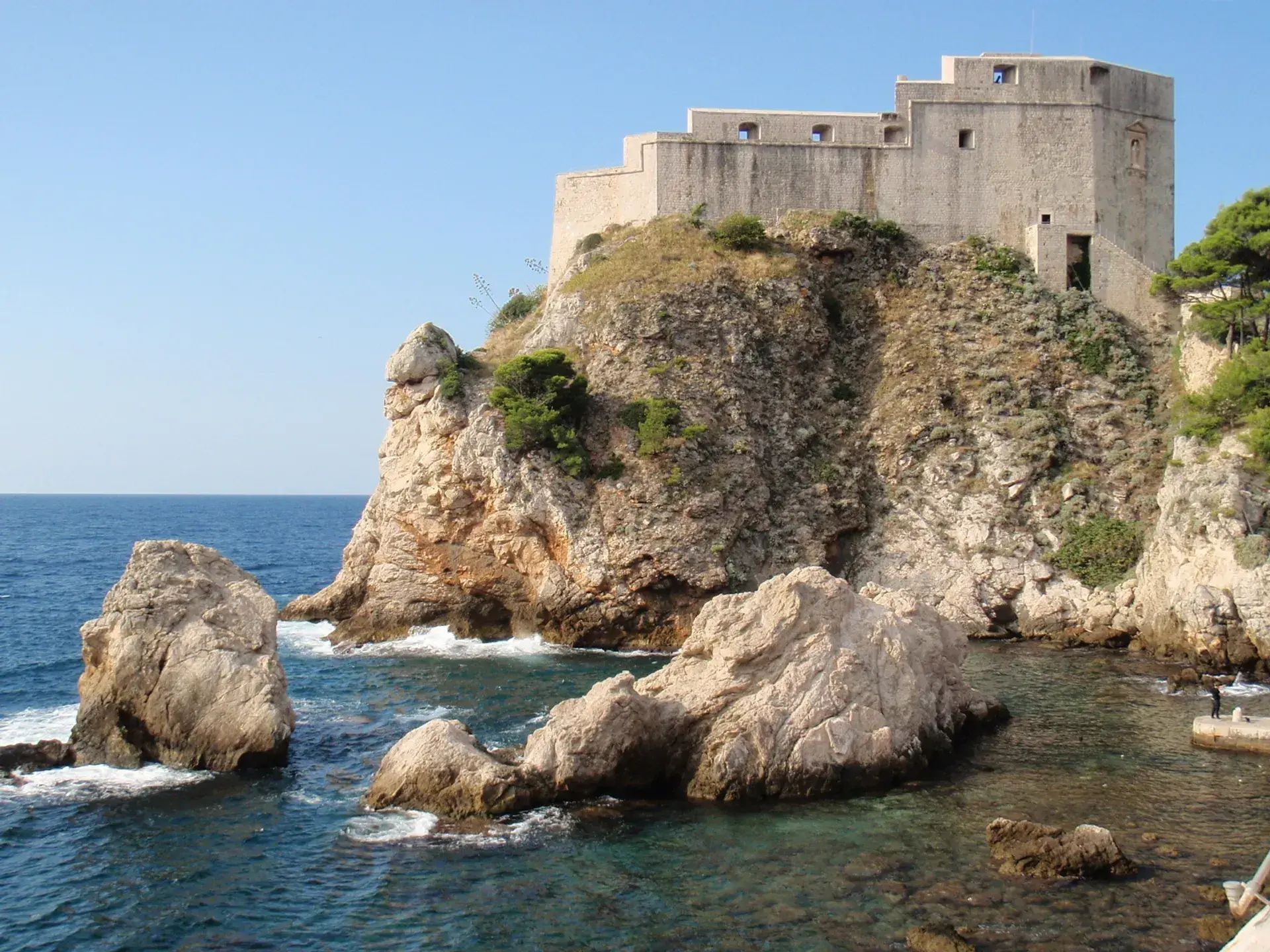
Much of the defensive and structural framework of the Old Port was designed in the late 15th century by Ragusan master builder and engineer Paskoje Miličević. The harbor is anchored to the south by St. John Fortress and bounded to the north by St. Luke Fort and Revelin Fortress. Access to the quays from within the city walls was regulated by fortified gateways, including the Fish Market Gate from 1381 and the Gate of Ponta from 1476.
To counter powerful swells generated by the southeasterly jugo wind, Miličević designed and constructed the Kaše breakwater between 1484 and 1487. The structure took its name from kašete, the wooden crates or caissons used in its construction. Miličević laid the underwater foundation without draining the harbor entrance by sinking large timber caissons filled with stone blocks and pozzolana-lime concrete directly into the sea.
The Kaše breakwater also reduced the span across the harbor mouth, bolstering the port's nocturnal defenses. Starting in the 14th century, an iron chain was stretched each evening between the Tower on Muo and St. Luke's Tower via a dedicated winch house. Pulled taut, the chain formed a barrier capable of snapping the keels of invading ships.
Shipyards and Republic Arsenals
The Old Port served as the central shipyard for the Ragusan merchant fleet and state navy. Flanking the basin are the Large and Small Arsenals. First built in the late 12th century and expanded in the 15th century, the Large Arsenal was tasked with outfitting and repairing state galleys under strict confidentiality. Its wide, vaulted archways were routinely walled shut when work was complete to guard maritime secrets from rival powers.
The layout established under Miličević around 1500 became a core symbol of the city. It matches the miniature model of Dubrovnik held in the hand of Saint Blaise depicted in the famous triptych painting by Nikola Božidarević.
The Modern Public Waterfront
Today, the Old Port is a free and open public space. The protected basin functions as a mooring harbor for local recreational craft and traditional wooden vessels. It also serves as the primary terminal for passenger boats running to the nearby Lokrum Island nature reserve, as well as water shuttles to Cavtat and Mlini.
The historic infrastructure surrounding the water now accommodates civic and cultural institutions. The vaulted Large Arsenal houses the City Café (Gradska Kavana) and the Marin Držić Theatre. Within St. John Fortress, visitors can access the Dubrovnik Aquarium on the ground floor and the Maritime Museum on the upper levels. Along the outer edge, the 1873 Porporela breakwater provides a public walking path. At its far point stands a carved stone mooring bollard featuring an Adriatic wind rose and the inscription Znanje, Vjera, Srčanost ("Knowledge, Faith, Prowess"), paying tribute to the republic's seafarers.
FAQ
Is the Old Port in Dubrovnik free to visit?
Yes, the Old Port and its waterfront quays, including the Porporela breakwater, are completely free, open public spaces.
What boat connections run from the Old Port?
The Old Port is the main departure hub for the passenger ferry to Lokrum Island, as well as coastal boat shuttles to Cavtat and Mlini.
How was the Old Port protected against enemy ships?
The harbor was guarded by St. John Fortress, St. Luke Fort, and Revelin Fortress. At night, a heavy iron chain operated by a winch system was drawn taut across the harbor mouth to block entry and snap hostile hulls.
What modern facilities are located inside the historic port buildings?
The Large Arsenal now houses the City Café (Gradska Kavana) and the Marin Držić Theatre, while St. John Fortress contains the Dubrovnik Aquarium and the Maritime Museum.