Pile Gate: Dubrovnik’s Historic Western Entrance
Architecture of the Double-Gate Complex
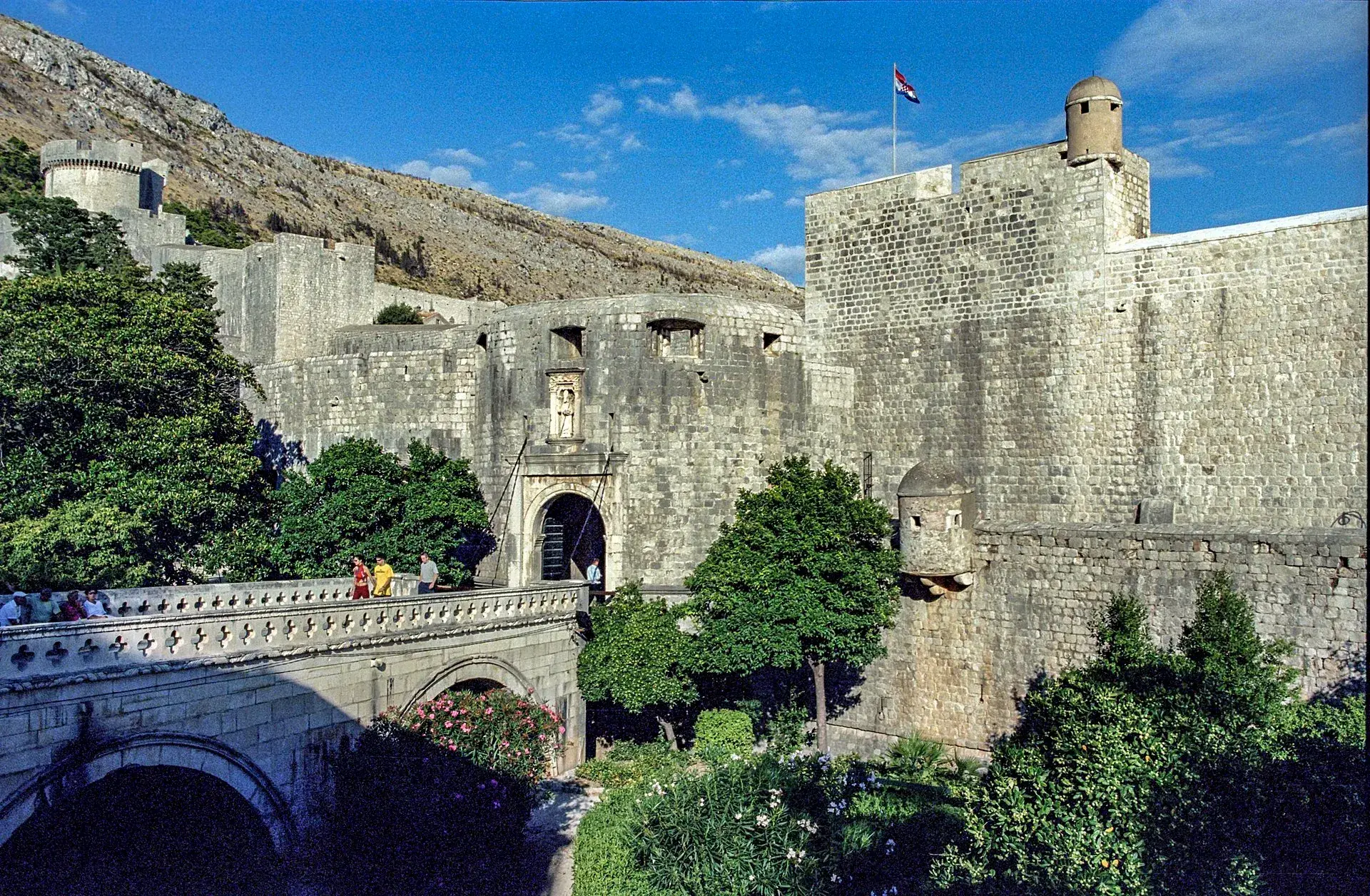
Pile Gate, known locally as Vrata od Pila, serves as the primary western landward entrance to Dubrovnik's historic center. The structure was engineered as a fortified double-gate defensive complex comprising an outer gate, an inner gate, a fortified corridor, and a causeway crossing a deep dry moat.
The inner gate features a pointed Gothic arch built in 1460, replacing a fortified passage recorded on the site as far back as the 13th century. The outer gate consists of a Renaissance arch built into a semicircular defensive bastion. The approach bridge was constructed in 1471 by chief engineer Paskoje Miličević, combining stationary stone arches with a wooden drawbridge section. Sockets, pulleys, and iron counterweight chains from the original hoisting mechanism remain visible flanking the outer archway.
The Nightly Drawbridge Protocol and Republic Defenses
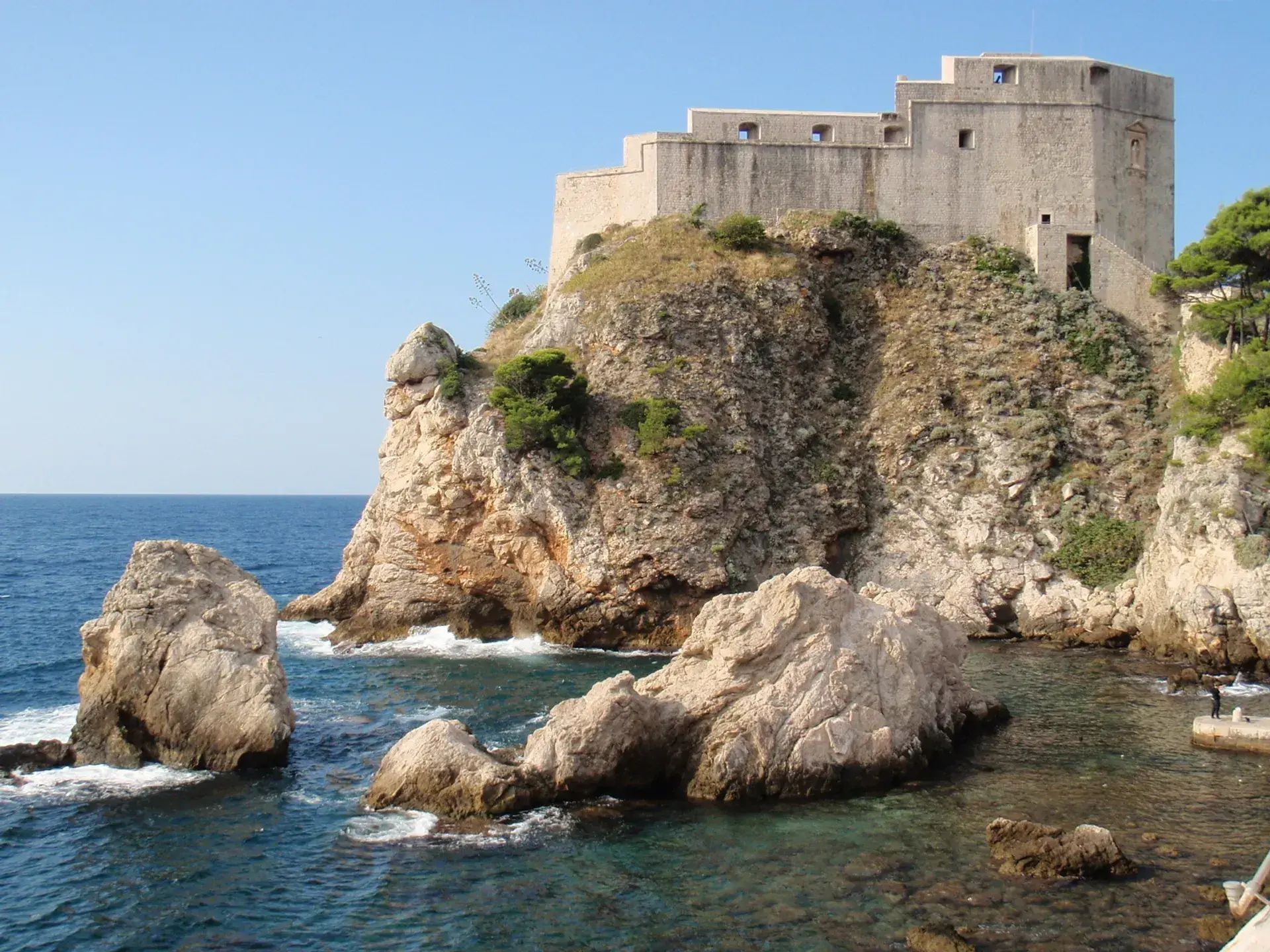
Positioned between Fort Bokar and the western city ramparts—with Fort Lovrijenac situated on an isolated rock just to the west—Pile Gate served as the chief landward defense of the Republic of Ragusa. The complex operated under strict civic protocols designed to safeguard the city-state from external threats.
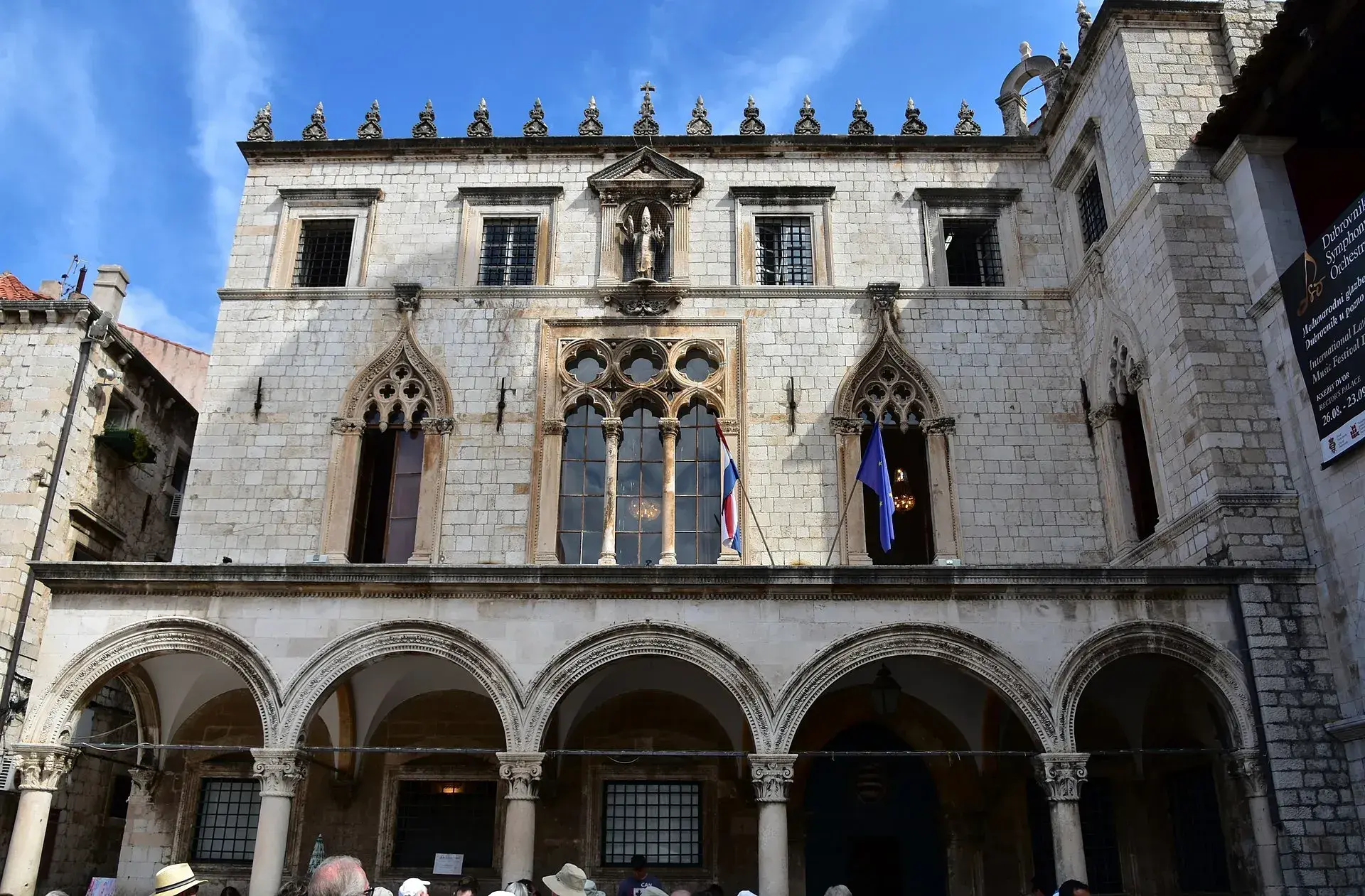
Every evening at a designated hour, the wooden drawbridge was raised to seal the city until dawn. The keys to the gate were formally surrendered to the Rector at the Rector's Palace for overnight safekeeping before being returned to the gatekeepers in the morning. This era of independence ended in May 1806, when Napoleonic troops under General Lauriston marched through Pile Gate, bringing a close to the Republic's sovereignty. Later, during 19th-century Austrian administration, an outer barbican and an iron lattice gate (rašćelo) were removed to accommodate traffic.
Sculptures of Saint Blaise and Linguistic Origins
The name Pile does not originate from Slavic or Latin terms, but stems from the medieval Greek word pylai, meaning "gates."
Niches positioned above both the outer and inner portals display carvings of Dubrovnik's patron saint, Saint Blaise (Sveti Vlaho). The statue above the inner gateway is a 20th-century sculpture created by Croatian artist Ivan Meštrović. Over the entrance, Saint Blaise is depicted holding an architectural model of Dubrovnik, documenting the urban layout of the city as it existed before the devastating 1667 earthquake.
Modern Portal to the Old Town
Pile Gate is a free, open public space connecting the transportation hub at Pile Square directly to the Stradun. Inside the inner gate, an informational cartographic plaque maps the structural damage, fires, and artillery impacts sustained during the 1991–1992 Siege of Dubrovnik.
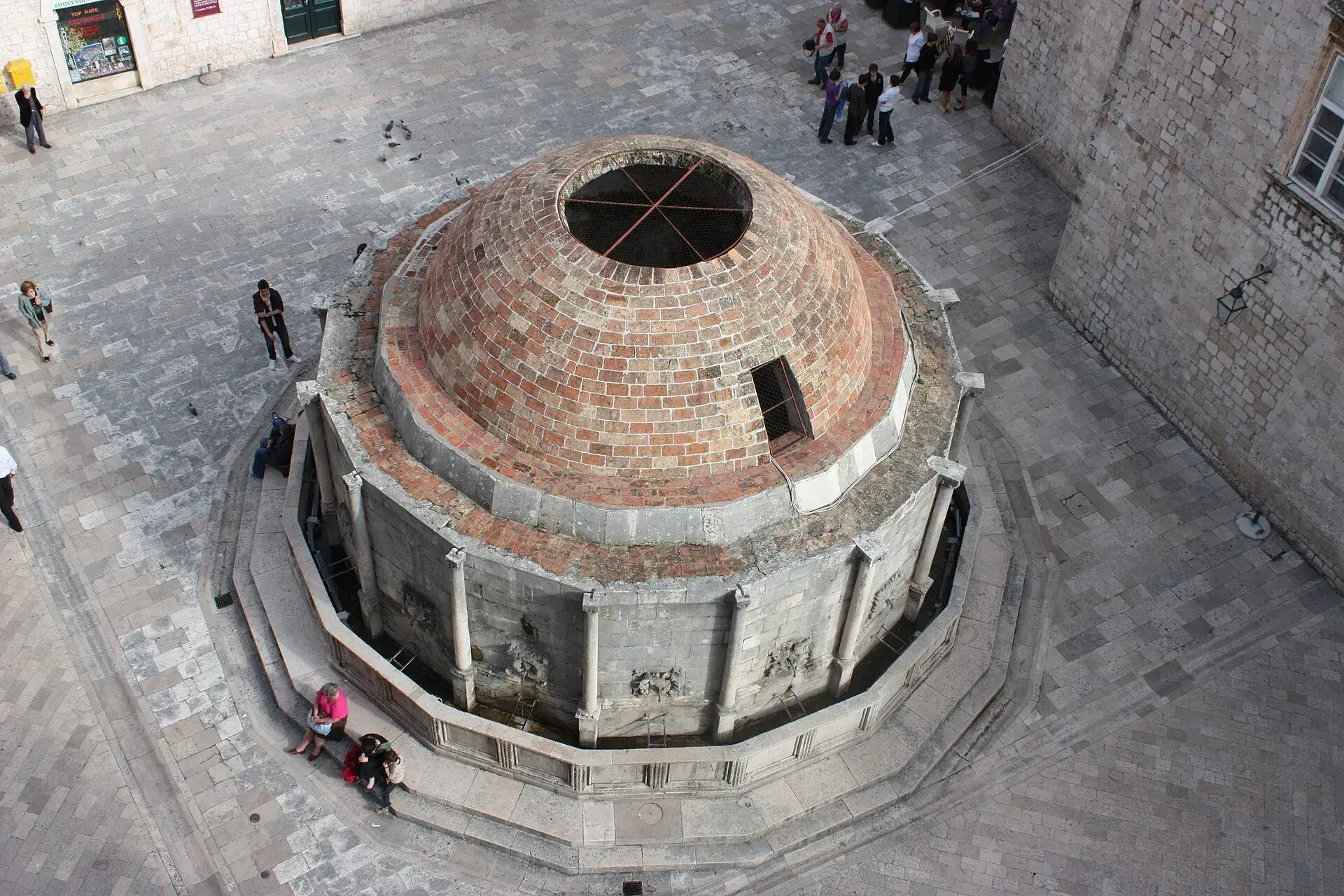
The passage through the gate transitions from the vehicle terminal outside into the vehicle-free limestone streets of the historic core. Immediately inside the portal, directly across from the Great Onofrio's Fountain, stands the main entrance stairway providing access to the elevated City Walls circuit. The stone bridge and gate complex were also utilized as filming locations for King's Landing in the television series Game of Thrones.
FAQ
Why was the bridge at Pile Gate raised every night?
During the Republic of Ragusa, the drawbridge was raised each evening for defensive security, and the city keys were taken to the Rector at the Rector's Palace for safekeeping until morning.
What is depicted in the statue of Saint Blaise above the gate?
The statue shows Dubrovnik's patron saint holding an architectural model of the city that illustrates its skyline before the 1667 earthquake.
Where is the entrance to the Dubrovnik City Walls located relative to Pile Gate?
The primary entrance to the elevated City Walls circuit is located just inside Pile Gate, directly across from the Great Onofrio's Fountain.