Egon Schiele Art Centrum: Český Krumlov Guide
A Scandalous Stay and Sudden Departure
In May 1911, Austrian Expressionist painter Egon Schiele arrived in Český Krumlov from Vienna. The town held deep maternal roots for Schiele, as his mother, Marie Soukupová, was born and raised there. Accompanied by his seventeen-year-old partner and primary model, Wally Neuzil, Schiele sought inspiration in the town's river bends and medieval streets.
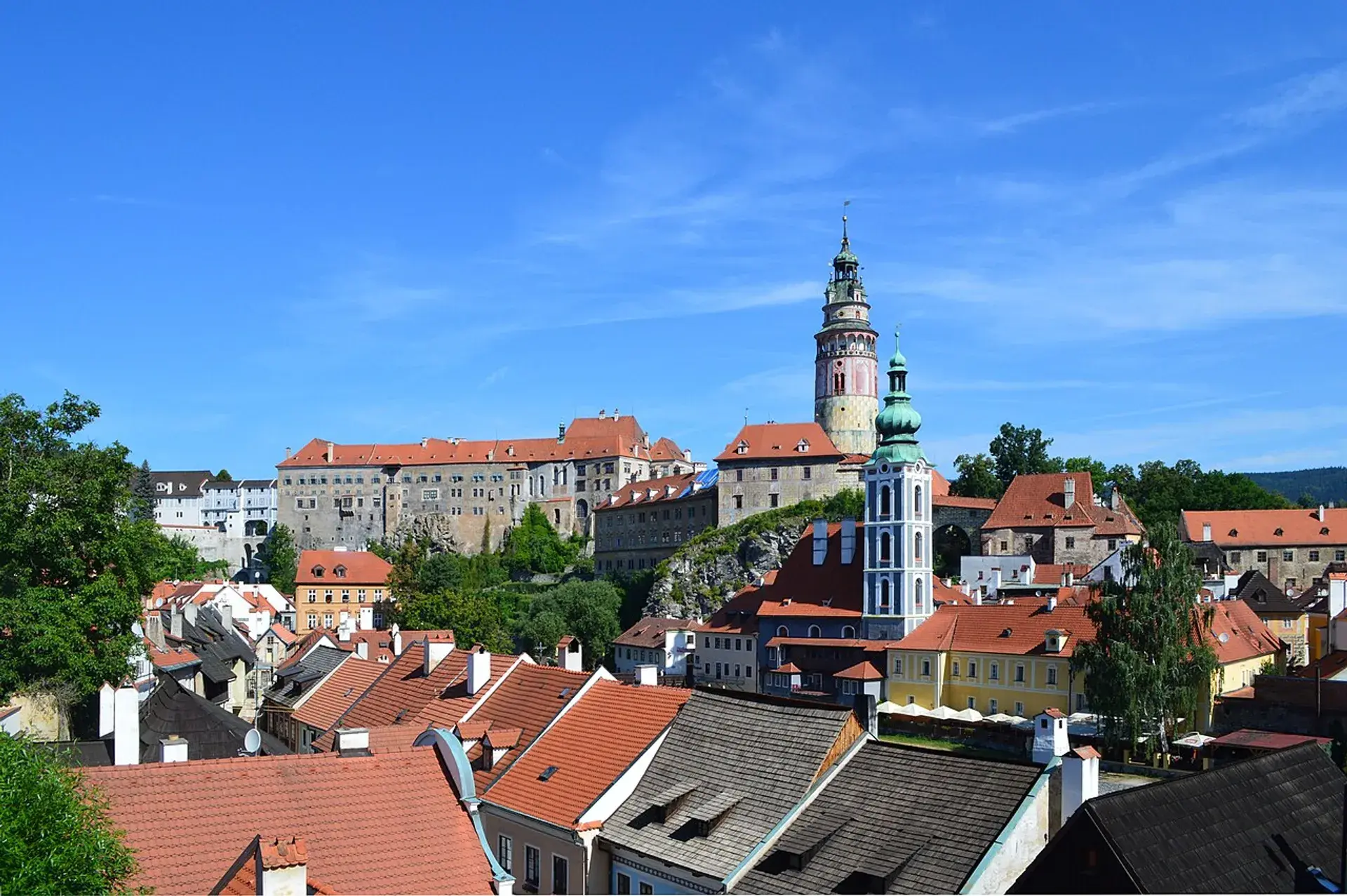
His presence quickly encountered resistance from conservative locals, who took issue with the unmarried couple's bohemian lifestyle. Tensions intensified amid rumours that Schiele was using local teenage girls as models for nude sketches. Facing mounting hostility, Schiele and Neuzil were effectively driven out of town that same summer. Despite their swift eviction, Český Krumlov’s winding alleyways and rooftops left a lasting imprint on Schiele's art, inspiring significant melancholic townscapes and his renowned "Dead City" canvases.
From Rejection to Cultural Embrace
Decades after driving Schiele away, Český Krumlov reevaluated its relationship with the artist. Rather than remaining an unwelcome outcast, Schiele was eventually embraced as one of the town's central cultural figures.
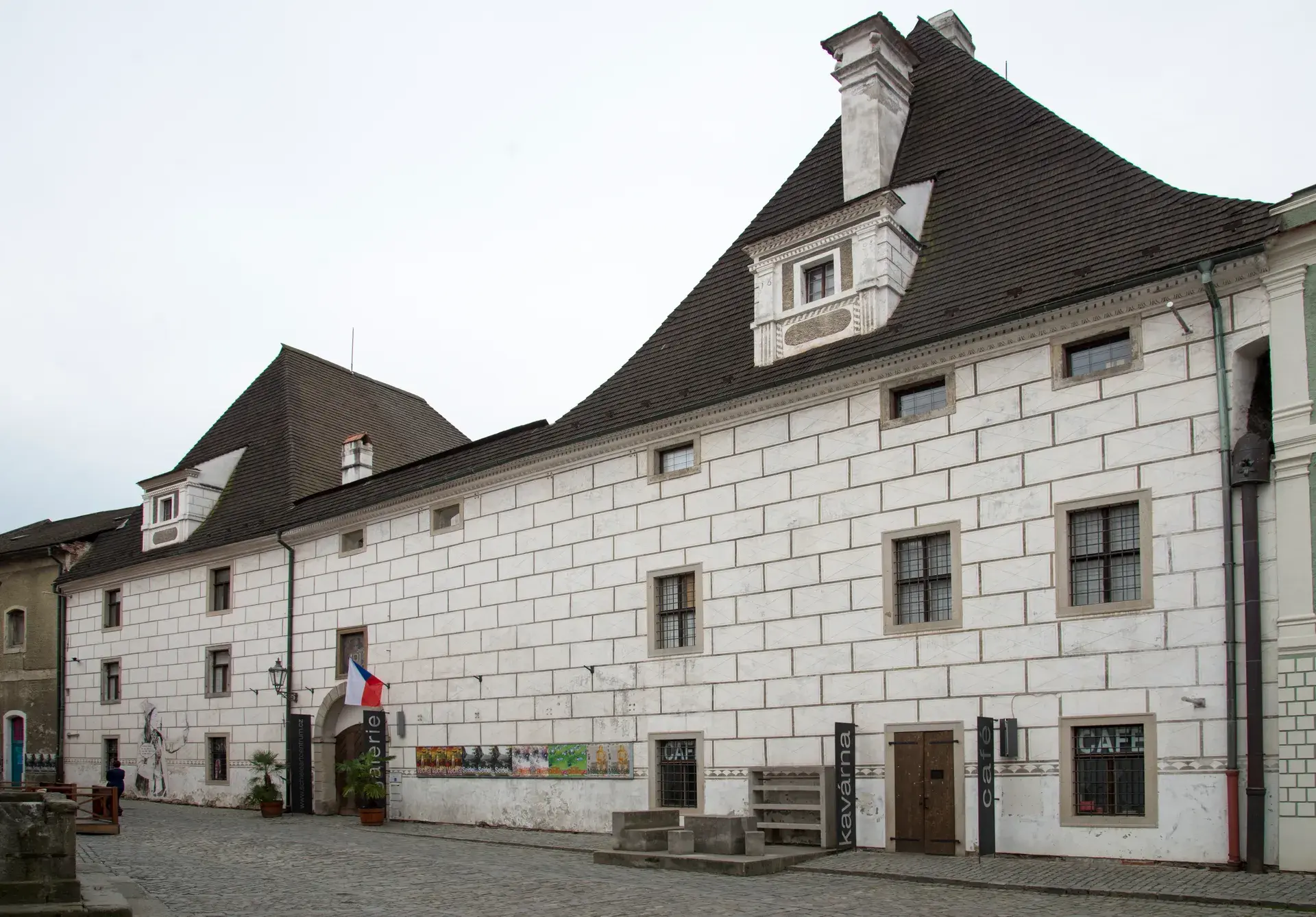
Founded in 1992 and opened in 1993, the Egon Schiele Art Centrum now commemorates his life and artistic output. Located on Široká Street in the historic Inner Town, the complex functions as a key contemporary art venue connecting the central market square to the riverbank, offering a stark contrast to the aristocratic Gothic, Renaissance, and Baroque landmarks found across the Vltava River.
The Historic Brewery Building
The cultural center is housed in a former municipal brewery constructed between 1605 and 1608 by master masons Hans Hasa and Dominik Cometa. The structure exemplifies Renaissance civic architecture, highlighted by thick masonry, decorative sgraffito exterior walls, and open wooden courtyard galleries.
Due to the building's proximity to the Vltava River's water table, the original builders could not dig a cellar without the risk of flooding. As a result, freshly brewed beer had to be dispatched immediately to local taverns until off-site storage was arranged beneath the town hall in 1705.
Exhibitions and Artist Facilities
Today, the heavy Renaissance brewery spaces house an extensive permanent exhibition dedicated to Schiele. The collection includes original drawings, watercolors, graphic prints, personal correspondence, period photographs, family trees, and pieces of the artist's own furniture.
Alongside the permanent collection, the center presents rotating exhibitions of twentieth- and twenty-first-century modern art by Czech and international figures, including exhibitions featuring artists such as Luděk Rathouský and Lois Fasching. The facility also functions as an active creative hub, offering residential studios for visiting European artists, a traditional café serving regional specialties, and an on-site museum shop.
FAQ
Why was Egon Schiele forced out of Český Krumlov in 1911?
Conservative residents objected to his unmarried cohabitation with Wally Neuzil and were troubled by rumours that he was using local teenage girls as models for sketches.
What building houses the Egon Schiele Art Centrum?
The center is housed in a former municipal brewery built between 1605 and 1608 by master masons Hans Hasa and Dominik Cometa.
What is on display in the permanent exhibition?
The permanent exhibition features original drawings, watercolors, graphic prints, personal letters, family trees, period photographs, and original furniture belonging to Egon Schiele.