St Mary Magdalene's Church in Karlovy Vary
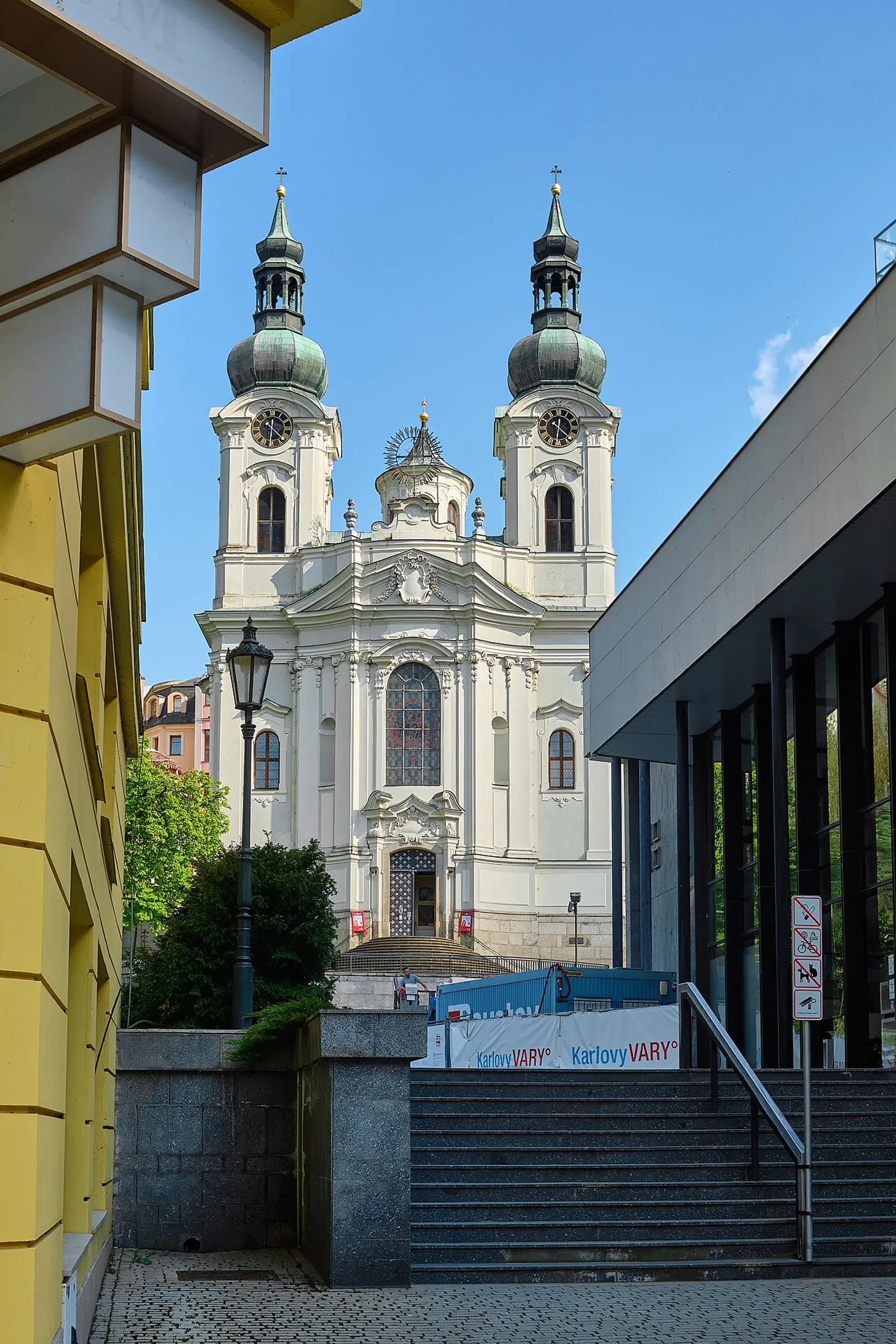
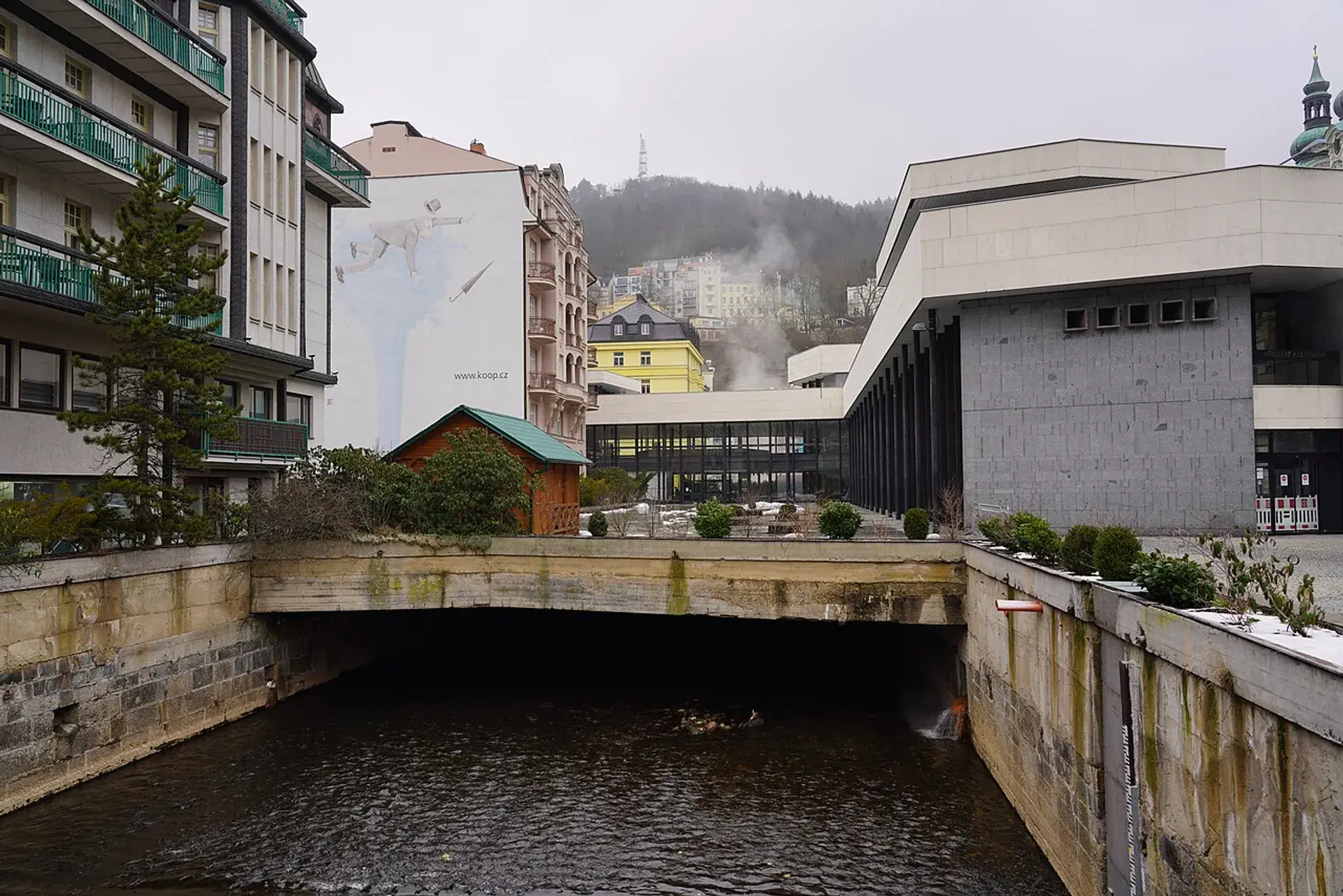
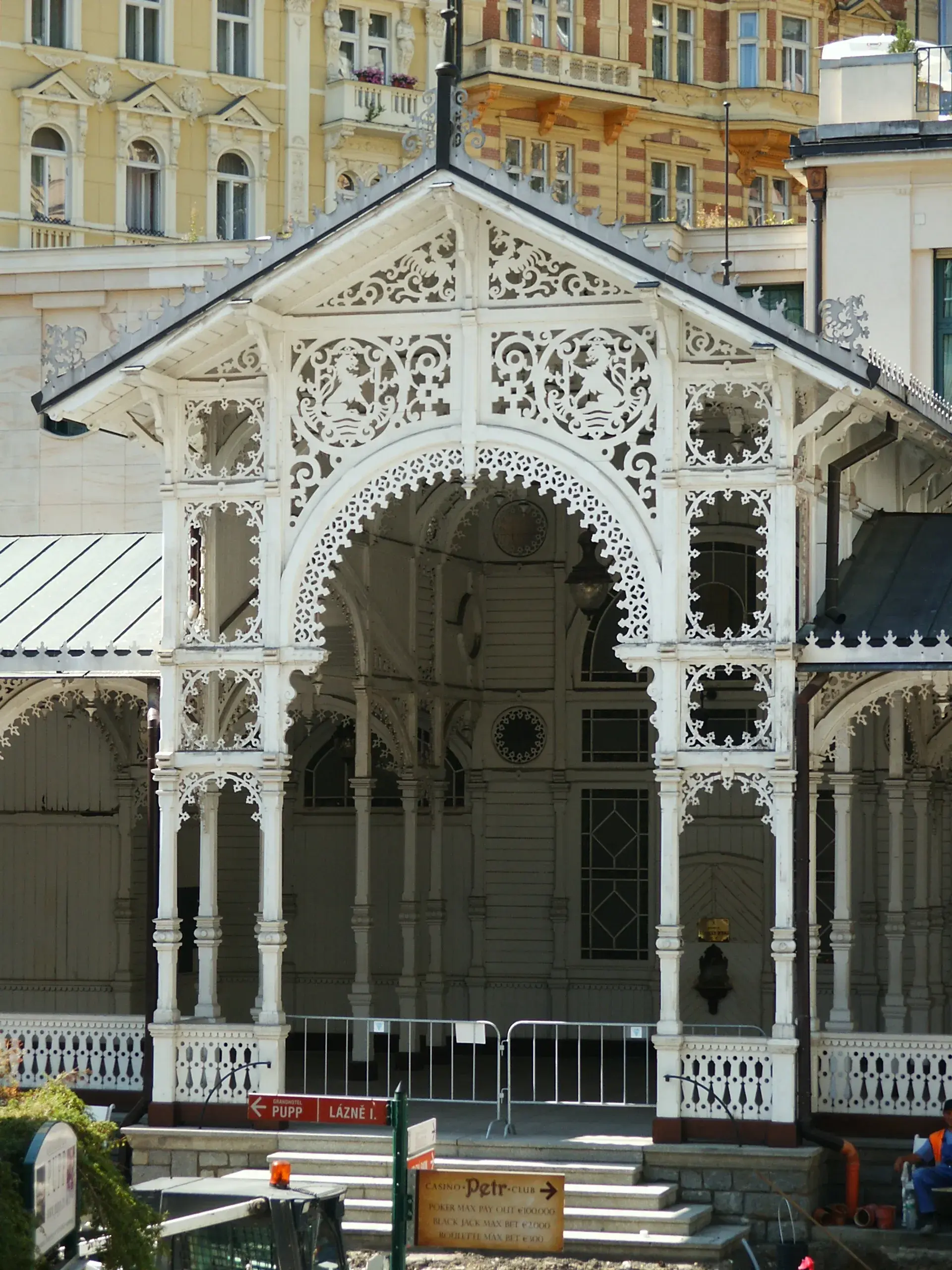
Perched on an elevated terrace directly above the Hot Spring (Vřídlo) Colonnade, the Church of St Mary Magdalene (Kostel svaté Máří Magdalény) stands as one of the defining landmarks of Karlovy Vary. Roughly 100 meters from the town's famed thermal geyser, the Roman Catholic sanctuary provides an 18th-century High Baroque architectural anchor above the Teplá River valley, offering a striking counterpoint to the predominantly 19th-century Neo-Renaissance and Belle Époque colonnades below.
Architecture and Geothermal Engineering
Designed by the celebrated Czech Baroque architect Kilián Ignác Dientzenhofer, the church was built between 1733 and 1736, following the laying of its foundation stone on April 27, 1733. The structure was consecrated around 1736–1737 and was declared a National Cultural Monument of the Czech Republic in 2010.
Erecting a monumental stone church on steep bedrock immediately adjacent to the boiling underground channels of the Vřídlo geyser presented severe structural challenges. Builders had to implement specialized foundation engineering to anchor the heavy masonry against the valley's subterranean heat and thermal waters. The finished design features a dynamic elliptical ground plan flanked by radiating chapels and niches, crowned by a green central dome and twin-towered spires.
From Medieval Origins to Baroque Splendor
The present structure replaced a 14th-century Gothic parish church that had undergone Renaissance modifications in 1518. After suffering recurring damage from municipal fires—most notably in 1604—and decades of structural decay, the medieval church was demolished in the 1730s to make way for a grander edifice suited to Karlovy Vary's rising profile as an international spa destination.
Despite the complete Baroque reconstruction, elements of the original church were preserved. Carved medieval Gothic sculptures, including a Gothic Madonna from the 14th-century sanctuary, remain preserved and on display inside the High Baroque interior alongside later furnishings.
The Subterranean Crypt and Aragonite Altar
Beneath the sanctuary lies an extensive subterranean crypt and ossuary with a distinct history. The medieval cemetery that once surrounded the church was decommissioned in 1784 under the sanitary reforms of Emperor Joseph II. Skeletal remains were exhumed and carefully transferred into the crypt below the church floor. Historically, access to these chambers included a concealed trapdoor hidden beneath a sliding stone slab.
During the 18th century, the crypt briefly served as a municipal mortuary. This arrangement ended after spa visitors complained about funeral wagons transporting deceased townspeople past their accommodation windows, prompting authorities to move mortuary operations elsewhere.
One of the most unusual artistic features of the crypt is the Holy Sepulchre altar. Rather than using conventional quarried stone, sculptors fashioned the altar directly from local thermal mineral deposits: vřídlovec (aragonite sinter) and hrachovec (pisolite, or pea stone). This unique work physically binds Karlovy Vary's geothermal hydrology to the sacred art of the sanctuary.
Cultural Life and Visitor Access
St Mary Magdalene's Church remains an active Roman Catholic parish hosting regular Holy Masses. The elliptical dome creates remarkable natural acoustics, making the sanctuary a frequent venue for year-round classical and organ music performances featuring leading Czech soloists.
The underground crypt and ossuary are accessible via guided tours that operate daily from May through September, with evening tours scheduled during the annual Karlovy Vary International Film Festival. Outside the main season, visits can be arranged by reservation. Ticketing and tour arrangements are managed through the information desk located in the adjacent Hot Spring Colonnade.
FAQ
Who designed St Mary Magdalene's Church in Karlovy Vary?
The church was designed by the prominent Czech Baroque architect Kilián Ignác Dientzenhofer. Construction began in 1733 and was largely completed by 1736.
What makes the altar in the underground crypt unique?
The Holy Sepulchre altar in the crypt is carved from local thermal spring deposits—specifically vřídlovec (aragonite sinter) and hrachovec (pisolite)—integrating the valley's geothermal mineral formations directly into religious artwork.
How can visitors tour the crypt and ossuary?
Guided tours of the crypt run daily from May through September, with extended evening tours during the Karlovy Vary International Film Festival and visits by reservation during the off-season. Tickets are handled at the information desk inside the neighboring Hot Spring Colonnade.