Kiasma: Helsinki's Contemporary Art Museum
The Museum of Contemporary Art Kiasma stands as Finland's national institution for modern and contemporary artistic expression. Located at Mannerheiminaukio 2 in central Helsinki, the museum operates as one of three branches of the Finnish National Gallery, alongside the Ateneum Art Museum and the Sinebrychoff Art Museum. Established in its dedicated building in May 1998, Kiasma serves as an architectural bridge between classic civic monuments and contemporary cultural landmarks.
Architecture and Sculpted Northern Light
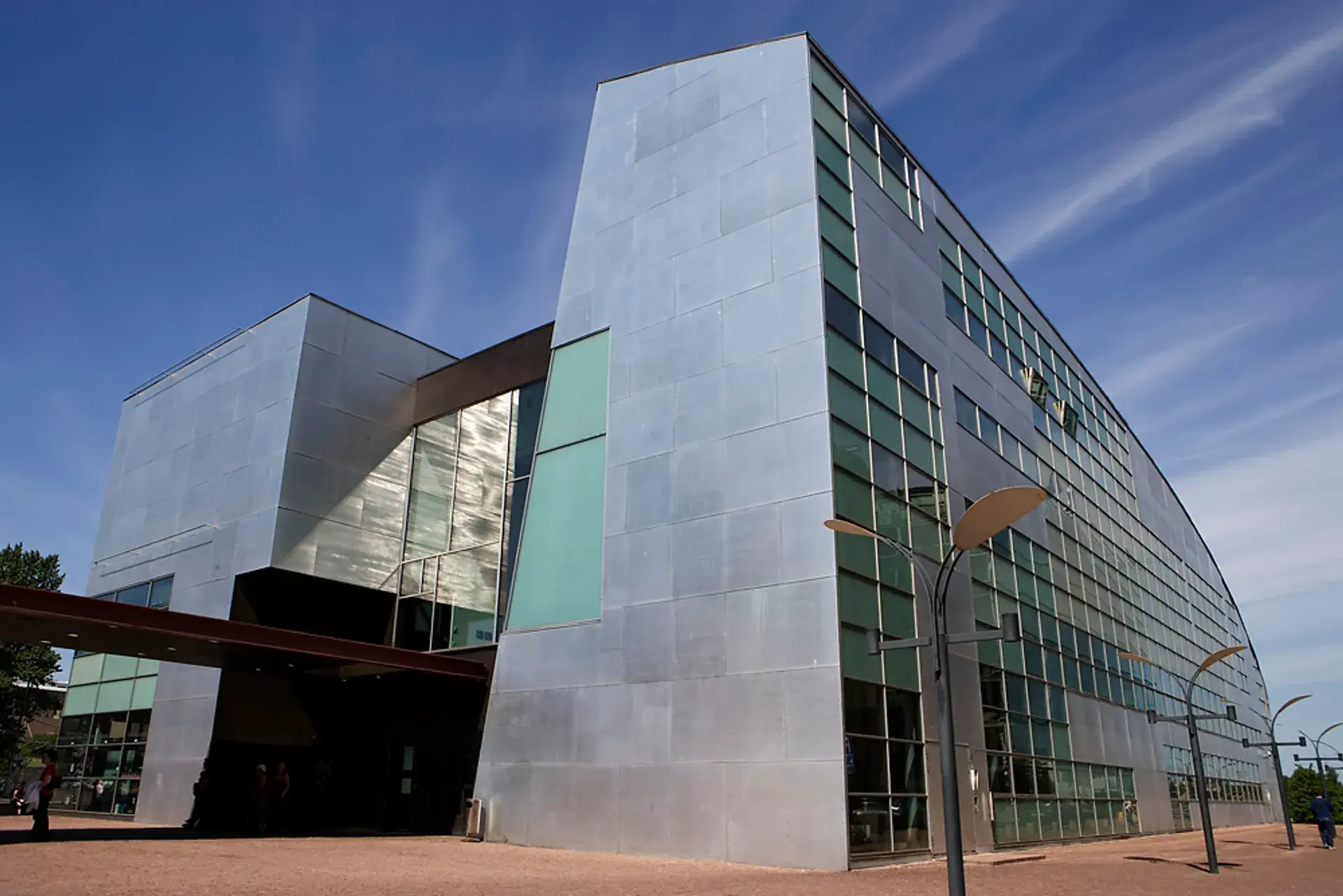
Designed by American architect Steven Holl, the museum's structure spans approximately 12,000 square meters across five levels. Holl's competition entry was originally titled Chiasma, a term transliterated into Finnish as Kiasma. The word draws from the Greek root for an intersection or crossing—such as the optic chiasm where nerves cross in the human brain—symbolizing the meeting point of art, culture, and urban life.
The building features 25 gallery spaces linked by gently inclining concrete and terrazzo ramps, walkways, and stairs rather than traditional enclosed staircases. A defining element of Holl’s design is the manipulation of natural illumination. Curved ceilings, horizontal skylights, and frosted glass walls are configured to scoop Helsinki's low-angle northern daylight directly into the interior, producing shifting, soft illumination throughout the galleries as the day progresses.
The Path from Competition to Controversy
The creation of Kiasma began in 1992 when the Finnish Ministry of Education announced an architectural competition to provide a specialized venue for contemporary collections previously housed within the Ateneum. Holl's design was selected in 1993 from a field of 516 submissions.
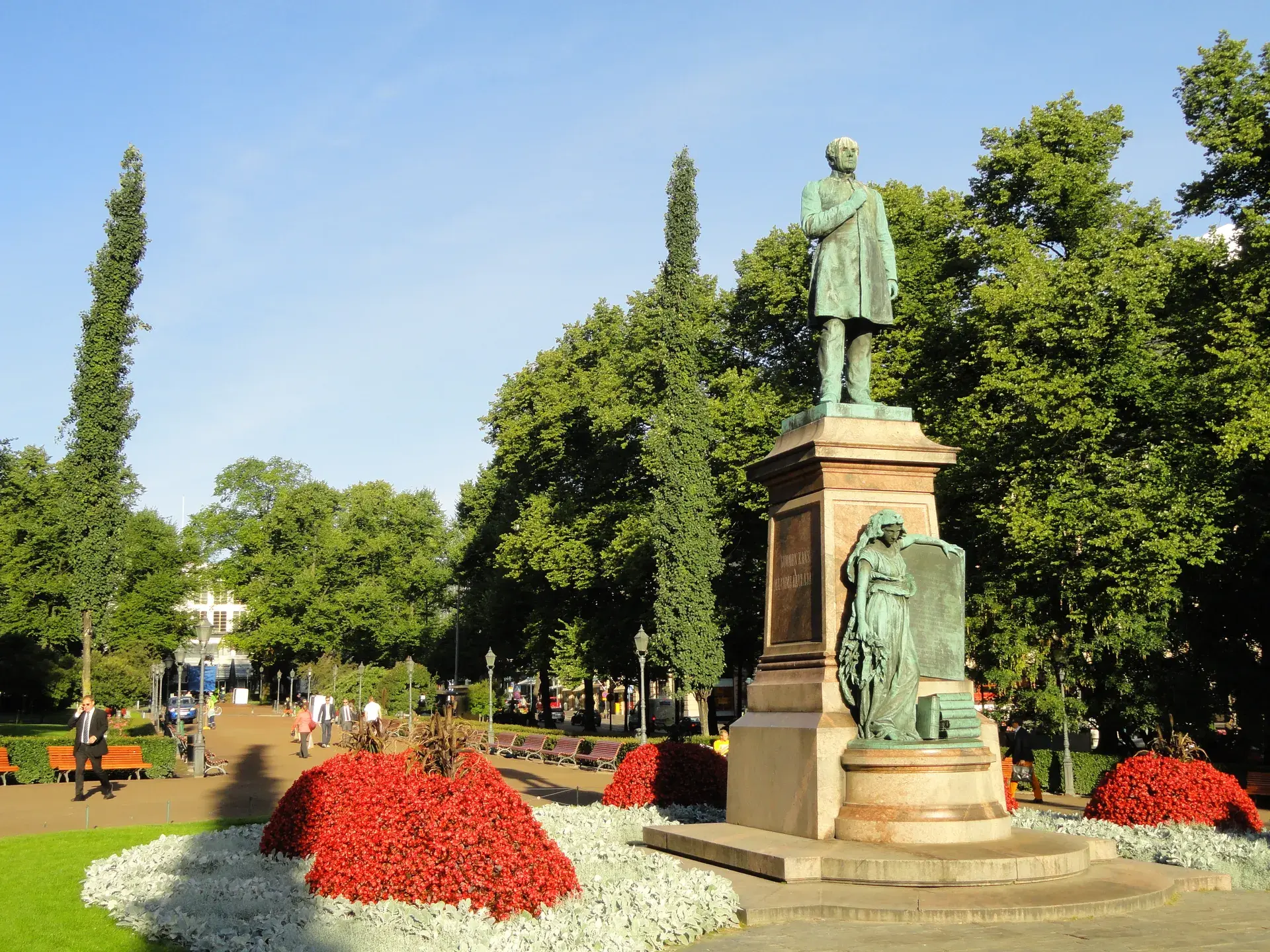
The project sparked intense public debate in the mid-1990s. Critics raised concerns regarding the selection of a foreign architect over domestic Finnish modernists. Controversy also centered on the museum’s location directly adjacent to the equestrian statue of Finnish military leader Marshal C. G. E. Mannerheim. Detractors argued that the modern, curving design compromised the dignity of the national memorial, culminating in a protest petition signed by approximately 20,000 citizens.
Construction moved forward between 1996 and 1998. Following the grand opening, the building faced additional scrutiny when extreme Nordic freeze-thaw cycles caused roof leaks, prompting critics to claim that foreign architecture could not accommodate harsh Finnish winters. The museum resolved these structural challenges and grew into an established fixture of Helsinki's cityscape.
Exhibitions and Cultural Programming
Kiasma houses rotating temporary exhibitions showcasing Finnish and international contemporary visual art, media installations, performance art, and video projects. It also exhibits selections from the Finnish National Gallery’s contemporary collection.
In addition to its exhibition galleries, the facility features a 227-seat auditorium known as the Kiasma Theatre, which stages live productions. The building also accommodates an art library, a café and restaurant, and a museum shop. Kiasma is open Tuesday through Sunday, hosting family workshops and late-evening openings on Fridays.
A Gateway on the Töölönlahti Axis
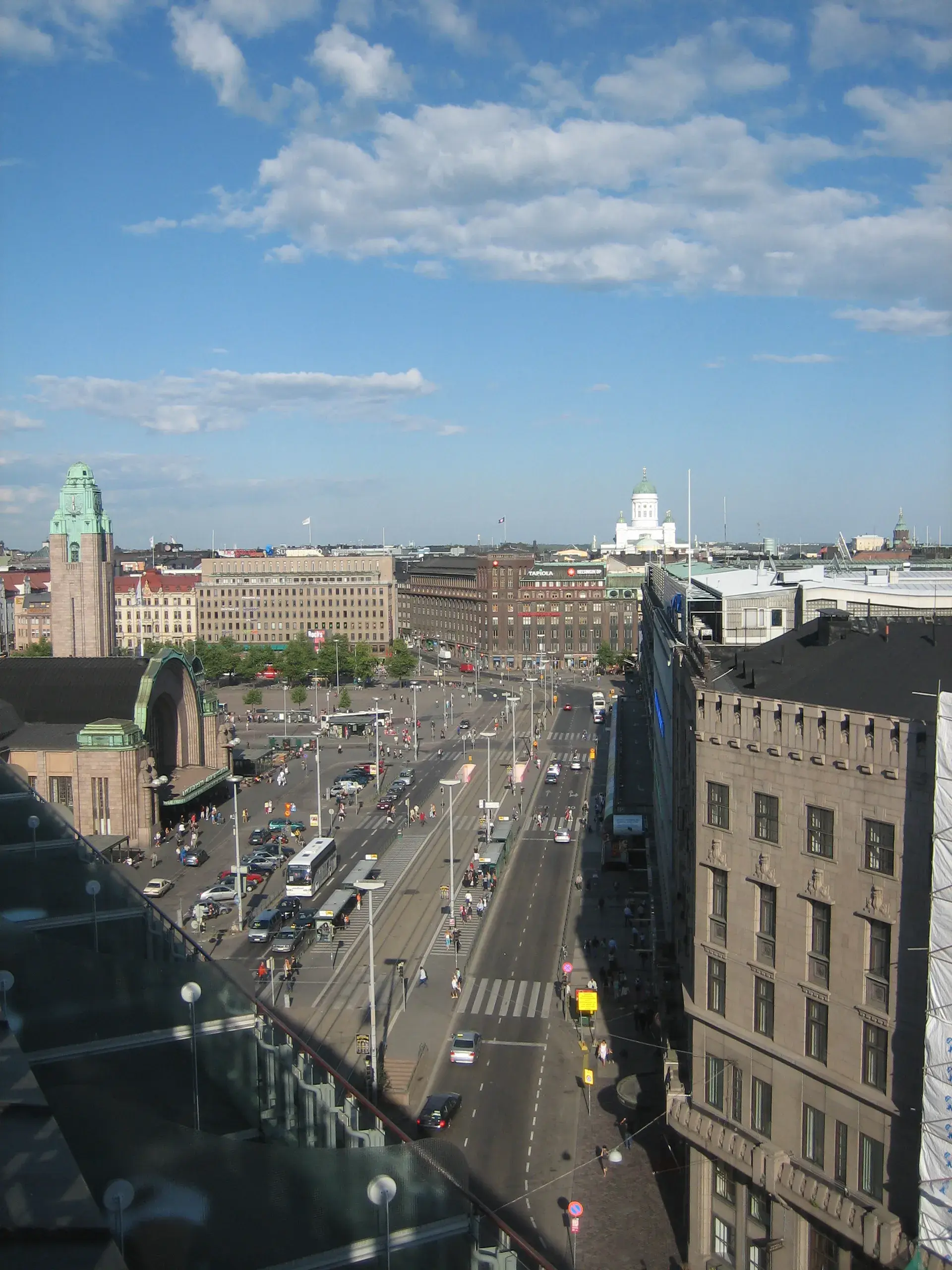
Positioned on the Töölönlahti cultural corridor, Kiasma occupies a critical geographical junction in Helsinki. It connects early 20th-century landmarks—such as Eliel Saarinen’s Art Nouveau Central Railway Station and the 1930s Parliament House (Eduskuntatalo)—with 21st-century civic centers, including the Helsinki Music Centre (Musiikkitalo) and the Oodi Central Library.
FAQ
What does the name Kiasma signify?
Kiasma is the Finnish transliteration of the Greek word chiasma, meaning an intersection or crossing point, such as the optic chiasm in human anatomy. The name symbolizes the intersection of art and city life.
Who designed Kiasma and when did it open?
The museum was designed by American architect Steven Holl following his victory in a 1992–1993 architectural competition. The building opened to the public in May 1998.
Why was the construction of Kiasma controversial in the 1990s?
The project sparked debate over the choice of an American architect over local Finnish modernists, as well as concerns that the building's curved modern form would encroach upon the neighboring equestrian statue of Marshal C. G. E. Mannerheim. Around 20,000 people signed a petition protesting its construction.
What facilities and programs are available inside Kiasma?
The building includes 25 gallery spaces, the 227-seat Kiasma Theatre for live performances, an art library, a café, and a museum store. It hosts rotating contemporary art exhibitions, family workshops, and late openings on Fridays.