Naantali Kaivohuone: Historic Wooden Spa Pavilion
Architecture of the 1868 Pavilion
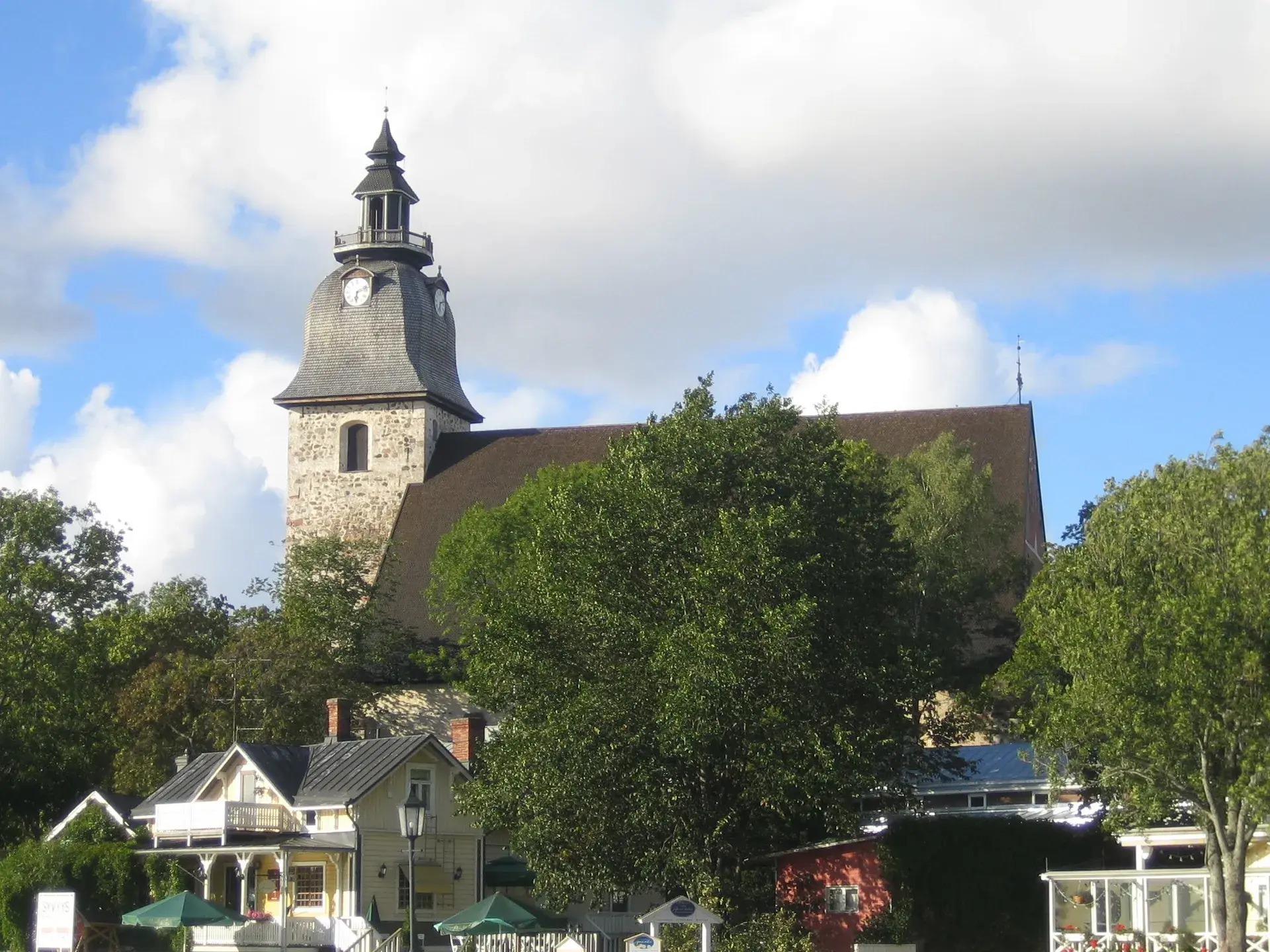
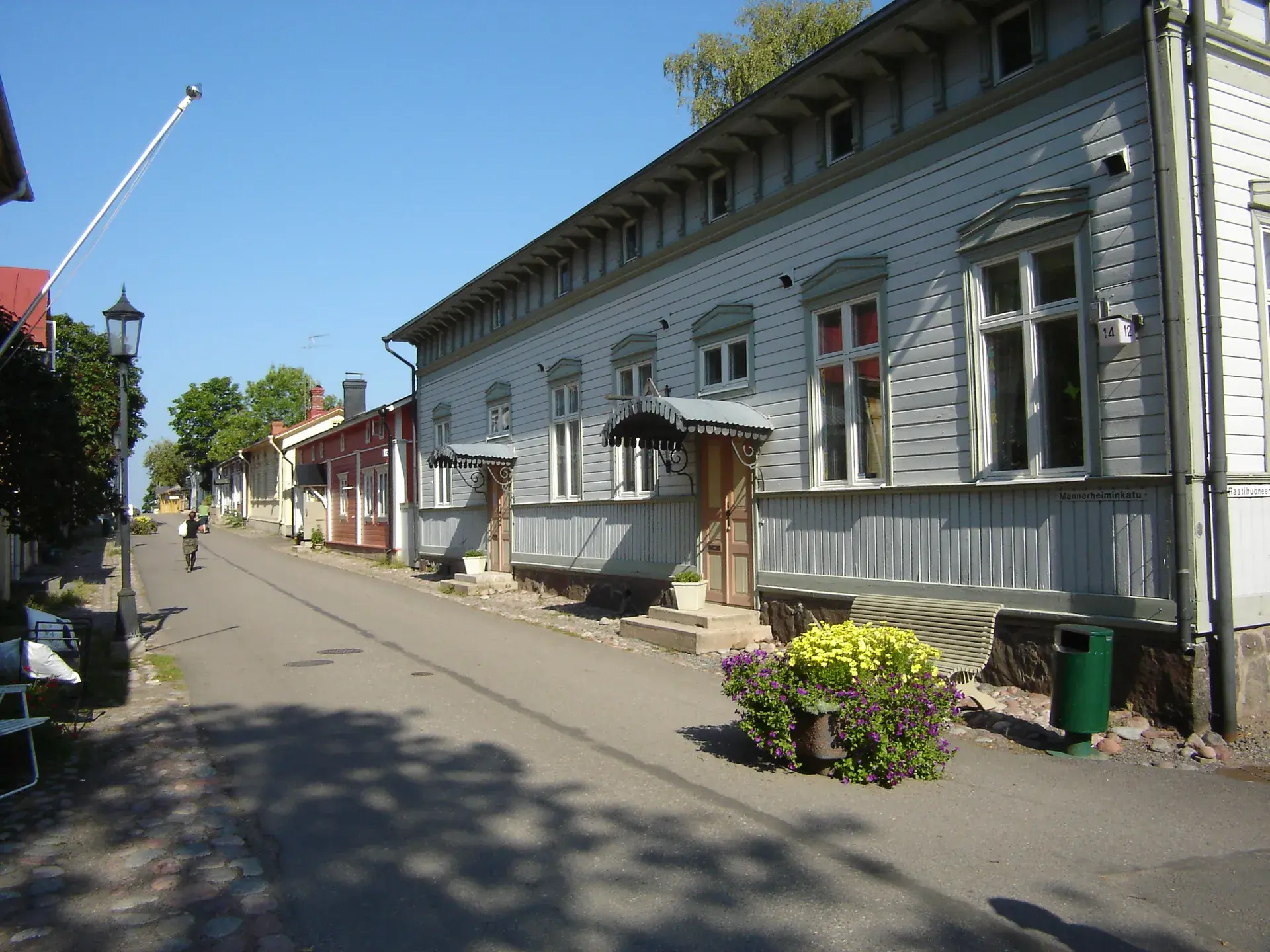
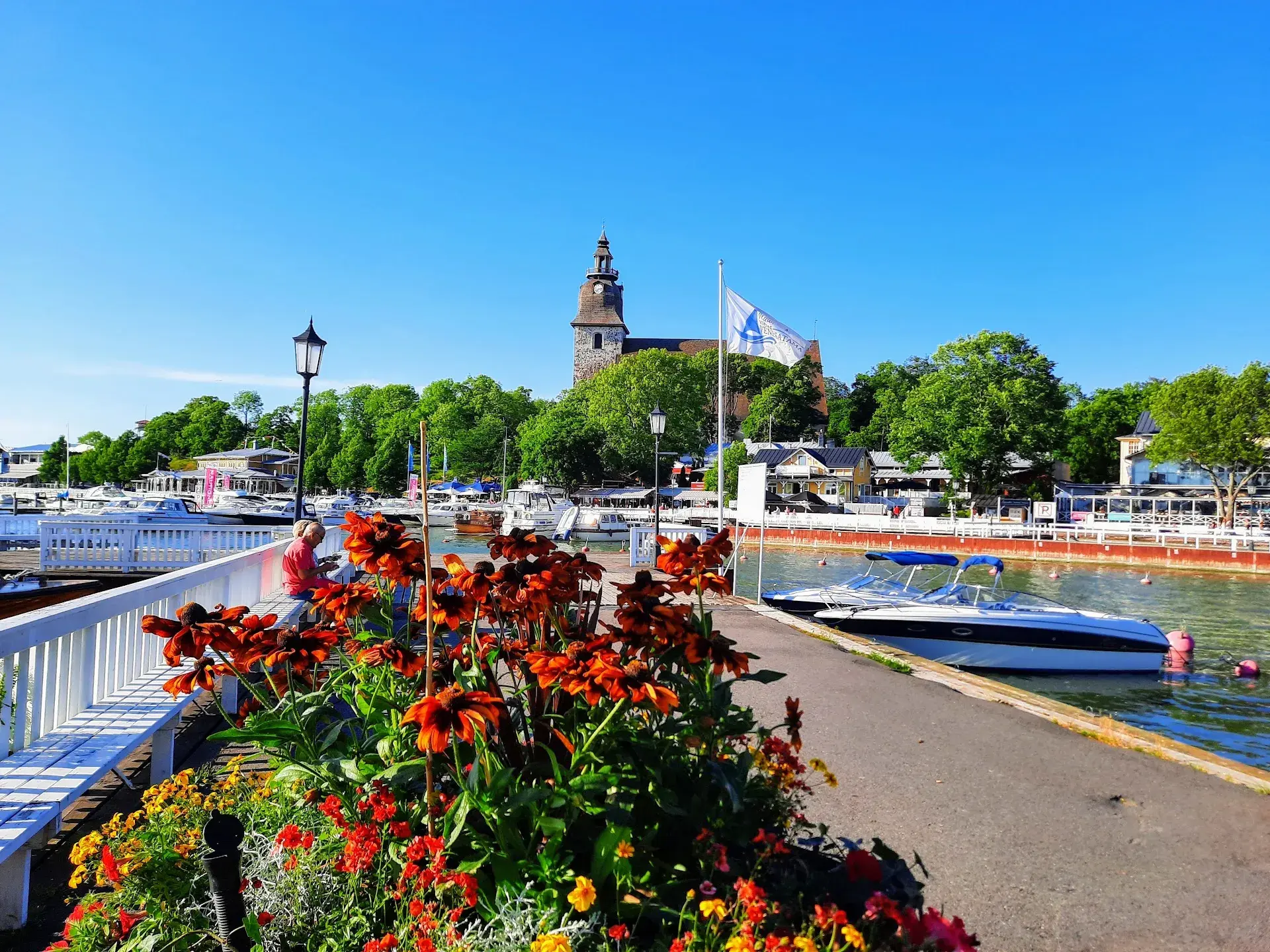
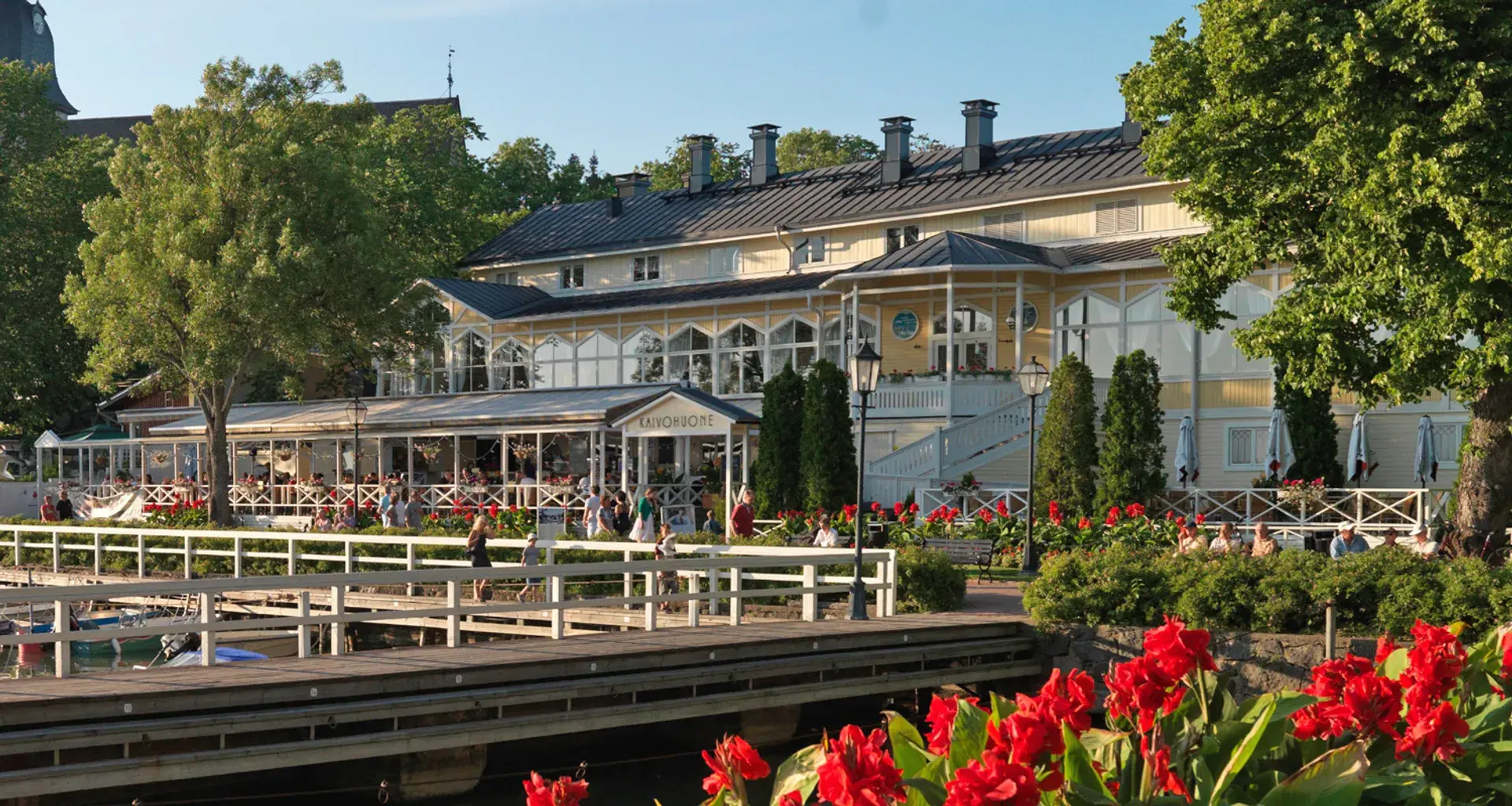
Kaivohuone, translating literally to "Well Room," stands on the Nunnakatu waterfront directly beneath the hill of Naantali's medieval church. Built in 1868, the wooden resort pavilion was constructed in a blend of Rococo and Gustavian revival styles, though the identity of the original architect was never recorded in surviving historical documents. Painted in sunny-yellow mineral tones with white-trimmed verandas, the building serves as a visual bridge connecting the historic wooden Old Town to the small-craft harbour and the pedestrian bridge leading to Kailo Island. It remains one of the rare surviving architectural landmarks of Naantali's nineteenth-century spa period.
The Golden Age of Naantali's Spa Culture
Naantali's identity as a wellness destination took root around 1724 following the discovery of the Viluluoto mineral spring outside town. By the 1860s, resort facilities relocated to the harbour to expand treatment and leisure amenities. Following its completion in 1868, Kaivohuone quickly became the social heart of the seaside resort.
Throughout the late Russian Imperial era, the pavilion hosted Finnish gentry, imperial officers, civil servants, and visiting artists. The venue staged balls, theatrical performances, formal dinners, and concerts by touring orchestras. To accommodate growing patronage, the hall doubled its floor area in 1882, added an adjacent music pavilion in 1888, and extended its seaward verandas in 1908. However, spa activity declined steeply after World War I, prompting the municipality to acquire the property in 1932. The original spa company concluded operations in 1963.
Nineteenth-Century Curiosities and Discoveries
During its peak spa years, daily life at Kaivohuone was structured around specific health regimens. A designated well master sounded a bell across the resort grounds at fixed hours to call guests to drink prescribed mineral or sulphur water, with recommendations reaching up to eight glasses per day between walks. To provide additional physical activity, a dedicated indoor bowling alley was constructed in the pavilion's basement in 1884.
Architectural heritage was preserved in detail during extensive structural restorations in 2004 and 2005, which peeled back later modifications to recreate early twentieth-century finishes. During these renovations, workers uncovered a forgotten intermediate space between the floors containing intact remnants of original nineteenth-century wallpaper. Conservators were able to use these preserved fragments as exact templates to reprint the pavilion's interior wall coverings.
Modern Life on the Waterfront
Today, Kaivohuone is managed by the hospitality firm Sunborn Group, operating seasonally as a waterside restaurant, bar, and outdoor terrace overlooking the marina. Outside the summer peak, its restored halls host banquets, corporate gatherings, and private events. During the high season, the historic wooden hall transitions into a key entertainment hub for Naantali, featuring stand-up comedy, DJ performances, and live shows by prominent Finnish artists.
FAQ
When was Naantali Kaivohuone built?
Kaivohuone was constructed in 1868 as a dedicated spa gathering hall and pavilion on the Naantali harbour.
What architectural style does Kaivohuone represent?
The wooden building was designed using Rococo and Gustavian revival influences, painted in traditional sunny-yellow mineral tones with white-trimmed verandas.
What unusual discovery was made during the building's restoration?
During the 2004–2005 restorations, workers discovered a concealed space between the floors preserving original nineteenth-century wallpaper fragments, which were used to reprint the modern wall coverings.
What is Kaivohuone used for today?
The pavilion functions seasonally as a waterfront restaurant, bar, and terrace, while also hosting summer concerts, comedy shows, DJ nights, and private banquets.
Discover Naantali like never before
Dive into Naantali hidden stories and secret spots with Ciceru interactive tours.
Explore tour
Audioguide
Quizzes
Maps
Solo
Couples
Groups & families

© Photo by Naantalin Kaivohuone via Google Maps · Google Places