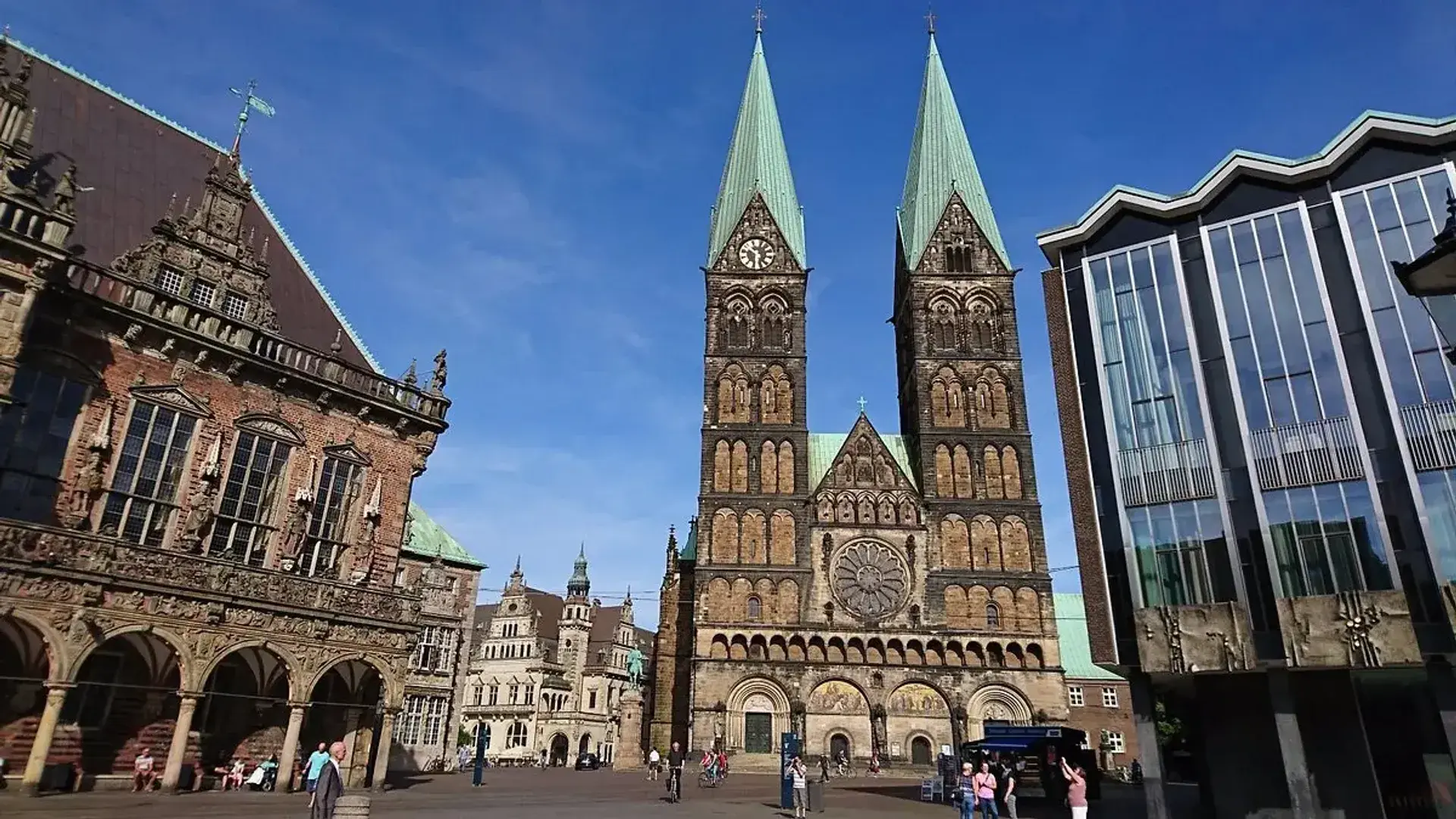
Glockenspiel House, Bremen: History and Bells
The Origins of the Glockenspiel House
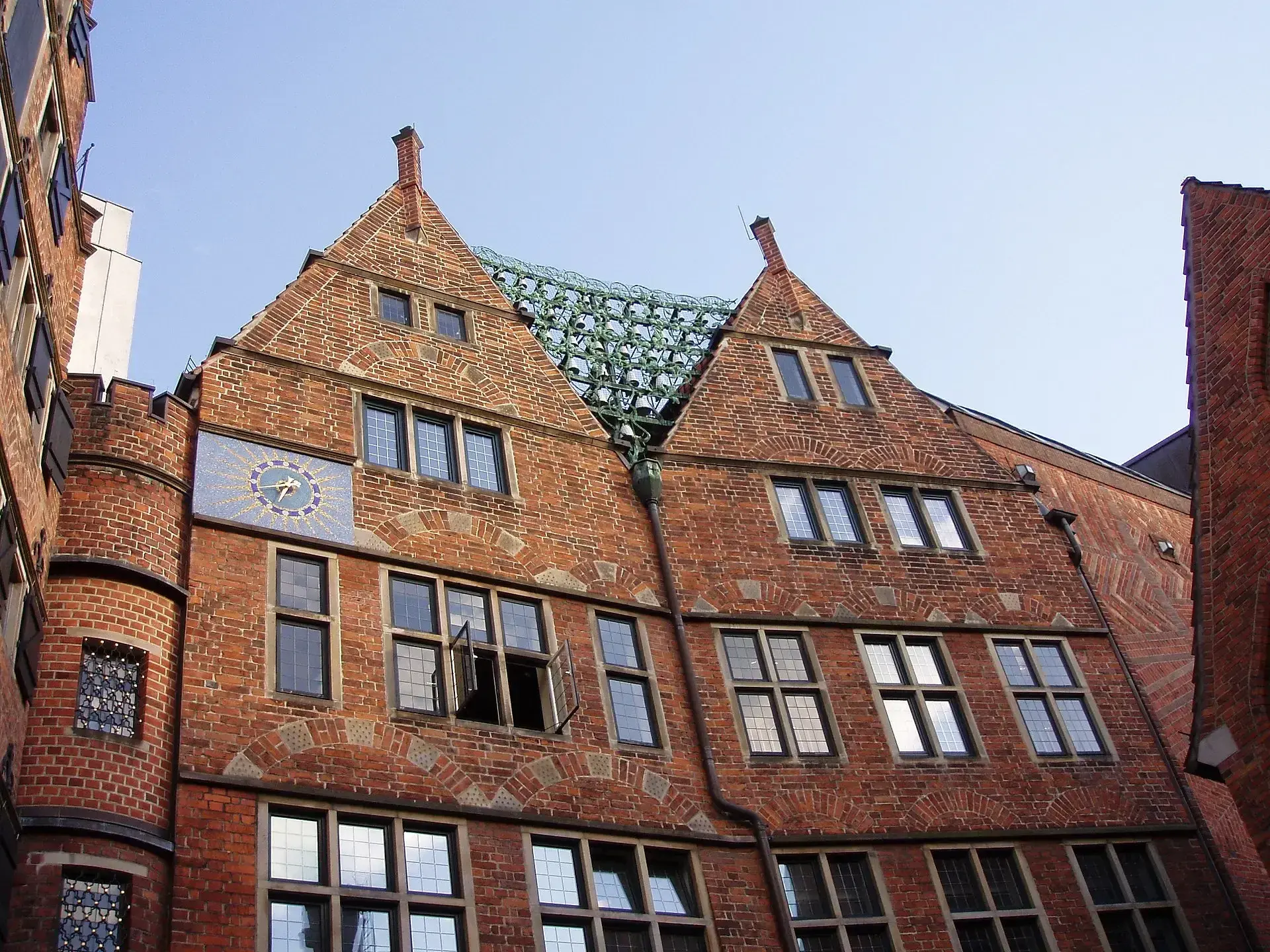
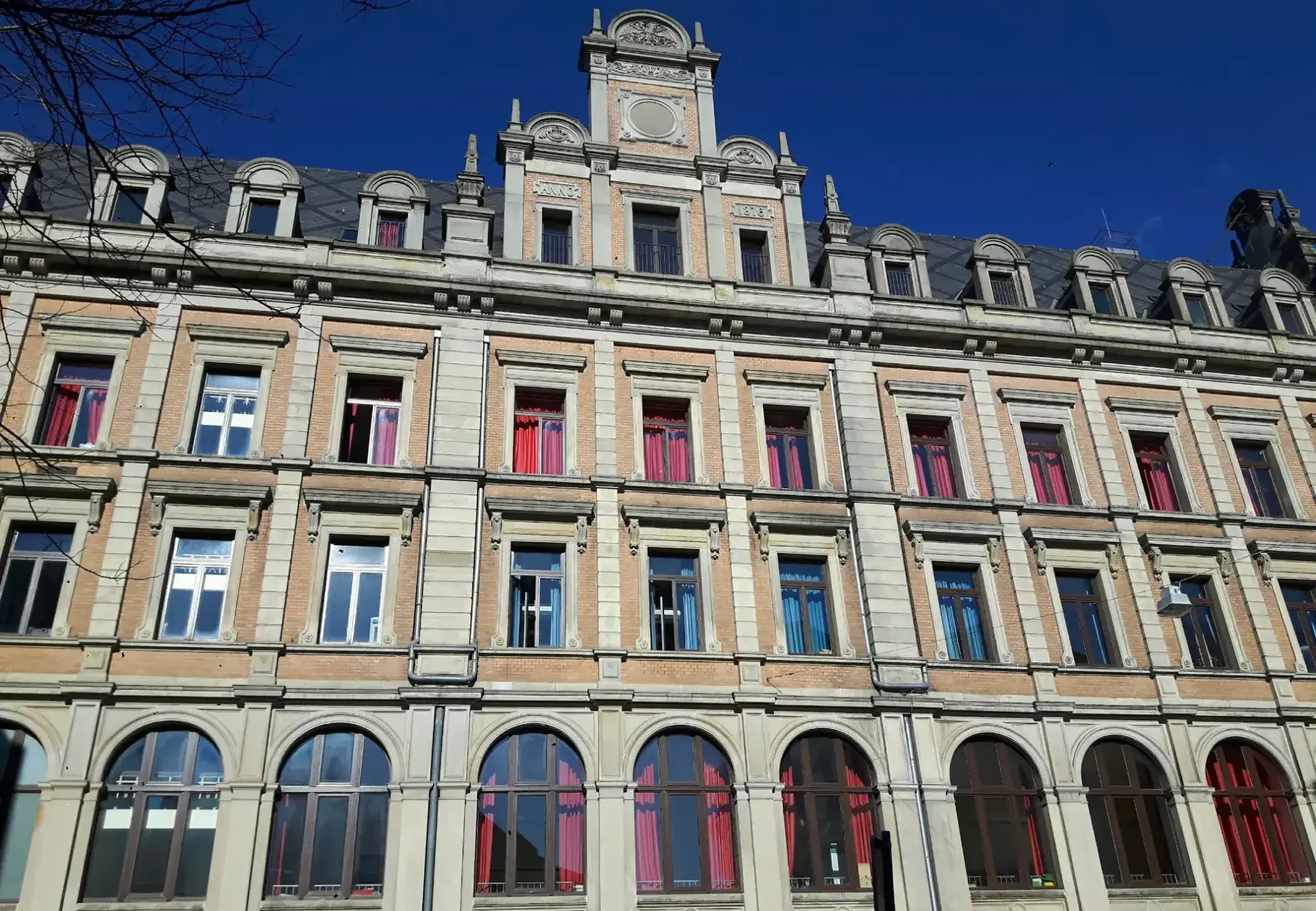
Located at Böttcherstraße 4 in Bremen's Old Town, the Glockenspiel House (Haus des Glockenspiels) is an integral component of the architectural corridor linking the historic Market Square (Marktplatz) with the Weser River promenade (Schlachte). Between 1922 and 1923, architects Alfred Runge and Eduard Scotland converted two historic merchant warehouses into a unified red-brick building.
The project was commissioned by Ludwig Roselius, a Bremen coffee merchant who amassed a substantial fortune after patenting decaffeinated coffee and founding Kaffee HAG. Roselius originally adapted the building to serve as the headquarters for his private financial institution, the Bremen-Amerika-Bank.
Bremen walking tour with audio and quizzes: Town Musicians and Roland
2 hours8 stopsAudio guideStart any day, at your own paceTicket on your phone · 30-day refundThe Meissen Porcelain Carillon
In May 1934, a carillon consisting of 30 bells crafted from Meissen porcelain (Meißner Porzellan) was installed between the gables of the building. Unlike typical bronze or brass church bells, Meissen porcelain bells produce a light, brittle, music-box-like resonance that travels clearly down the brick street.
The original 1934 bells were finished in cobalt blue enamel on the exterior and lined with gold leaf on the interior. Following wartime destruction, the current bells feature a natural, unglazed white Meissen porcelain finish. The carillon has seen several iterations, with a second set installed during post-war rebuilding, a third-generation set added in 1991, and a digital control mechanism retrofitted in 2009.
The Rotating Maritime Reliefs
Directly linked to the musical carillon is an adjacent mechanical corner tower bay housing 10 rotating carved wooden relief panels. Sculptor Bernhard Hoetger designed these panels, which were executed by woodcarver Zdzislaus Victor Kopytko.
The panels honor pioneering explorers and aviators, directly reflecting Bremen's historic identity as a seaport focused on maritime trade, transatlantic passenger voyages, and early 20th-century aviation. Depicted figures include Leif Erikson, Christopher Columbus, Robert Fulton, Charles Lindbergh, Count Ferdinand von Zeppelin, and the transatlantic flight crew of Hermann Köhl, James Fitzmaurice, and Ehrenfried Günther Freiherr von Hünefeld. As the chimes sound, the tower bay shifts to rotate these hand-painted, life-sized panels into public view.
Wartime Destruction and Preservation
During the 1930s, the Expressionist architectural elements of Böttcherstraße encountered political friction. Nazi authorities condemned Hoetger's artistic style as "degenerate art" (Entartete Kunst). Despite this ideological conflict, the street ensemble received official landmark protection in 1937.
In October 1944, an Allied air raid ignited a devastating firestorm that gutted the Glockenspiel House, completely destroying the original porcelain carillon and the upper gables. Remarkably, the 10 delicate wooden panels housed inside the mechanism tower survived the conflagration intact. Reconstruction of the building concluded by 1954.
Modern Schedule and Use
Today, the building accommodates the headquarters of Böttcherstraße GmbH, commercial offices, and the historical Böttcherstraße archives.
The carillon and rotating panels operate on a regular schedule throughout the year. From January to March, performances run at 12:00, 15:00, and 18:00. From April through December, the chimes play hourly between 12:00 and 18:00. Each cycle lasts 8 to 9 minutes, synchronizing the rotating panels with a repertoire of traditional sea shanties, German folk songs, and occasionally the promotional jingle of the Sparkasse savings bank, which acquired the street and funded major restoration efforts in 1988.
FAQ
What is the chime schedule for the Glockenspiel House?
From January through March, the carillon chimes at 12:00, 15:00, and 18:00. From April through December, performances occur hourly from 12:00 to 18:00. Each sequence lasts approximately 8 to 9 minutes.
What are the bells made of?
The carillon consists of 30 bells made from unglazed white Meissen porcelain, creating a distinct, music-box chime instead of a traditional metallic tone.
Did the rotating wooden panels survive World War II?
Yes. While the October 1944 bombing gutted the building and destroyed the original porcelain bells, the 10 rotating carved wooden panels inside the tower survived the firestorm completely intact.
Who funded the creation of the Glockenspiel House?
The building and carillon were financed by Ludwig Roselius, the founder of Kaffee HAG who made his fortune patenting decaffeinated coffee.