Unser Lieben Frauen Kirchhof: Historic Bremen Square
Civic Heart and Sacred Ground
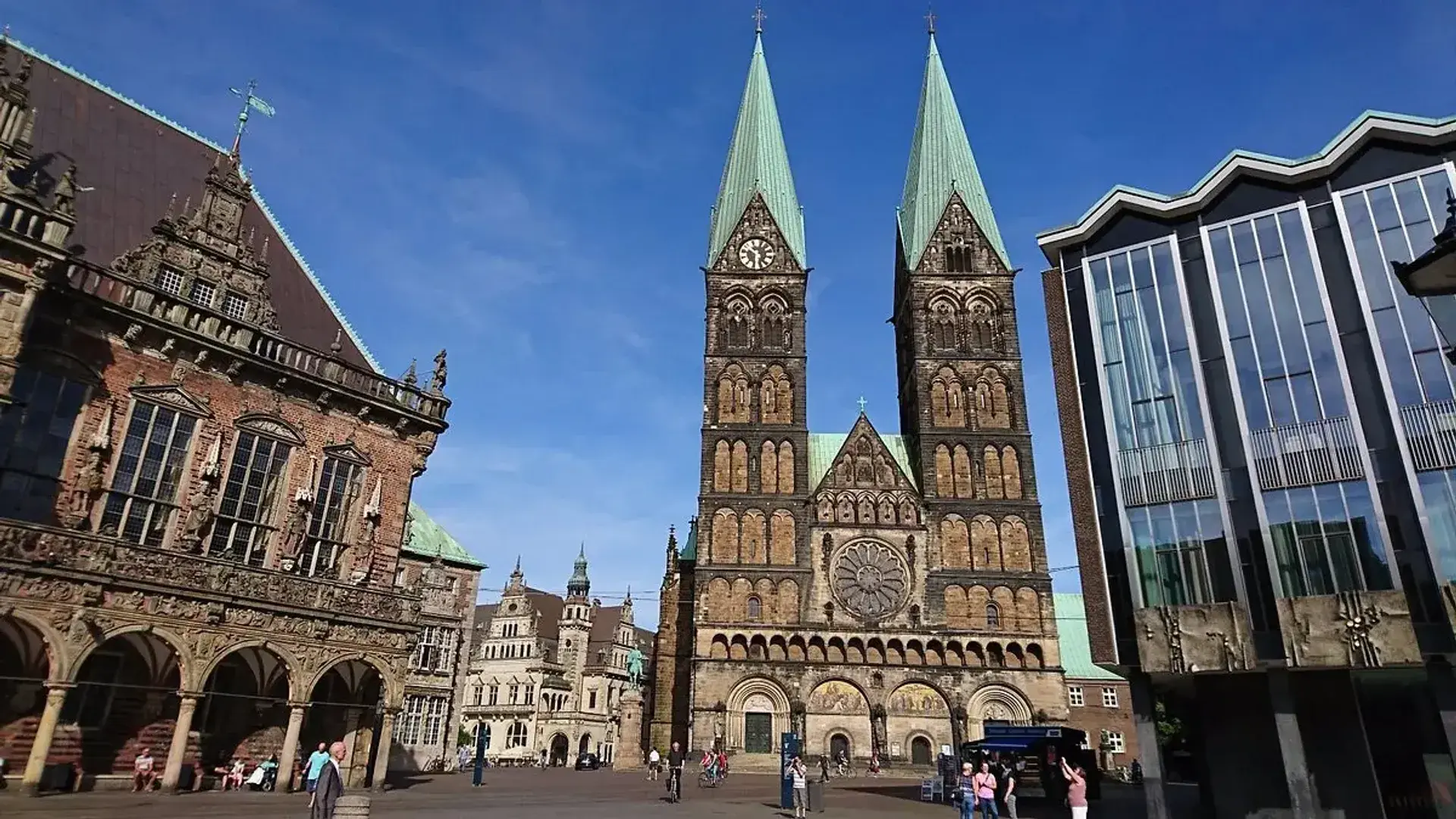
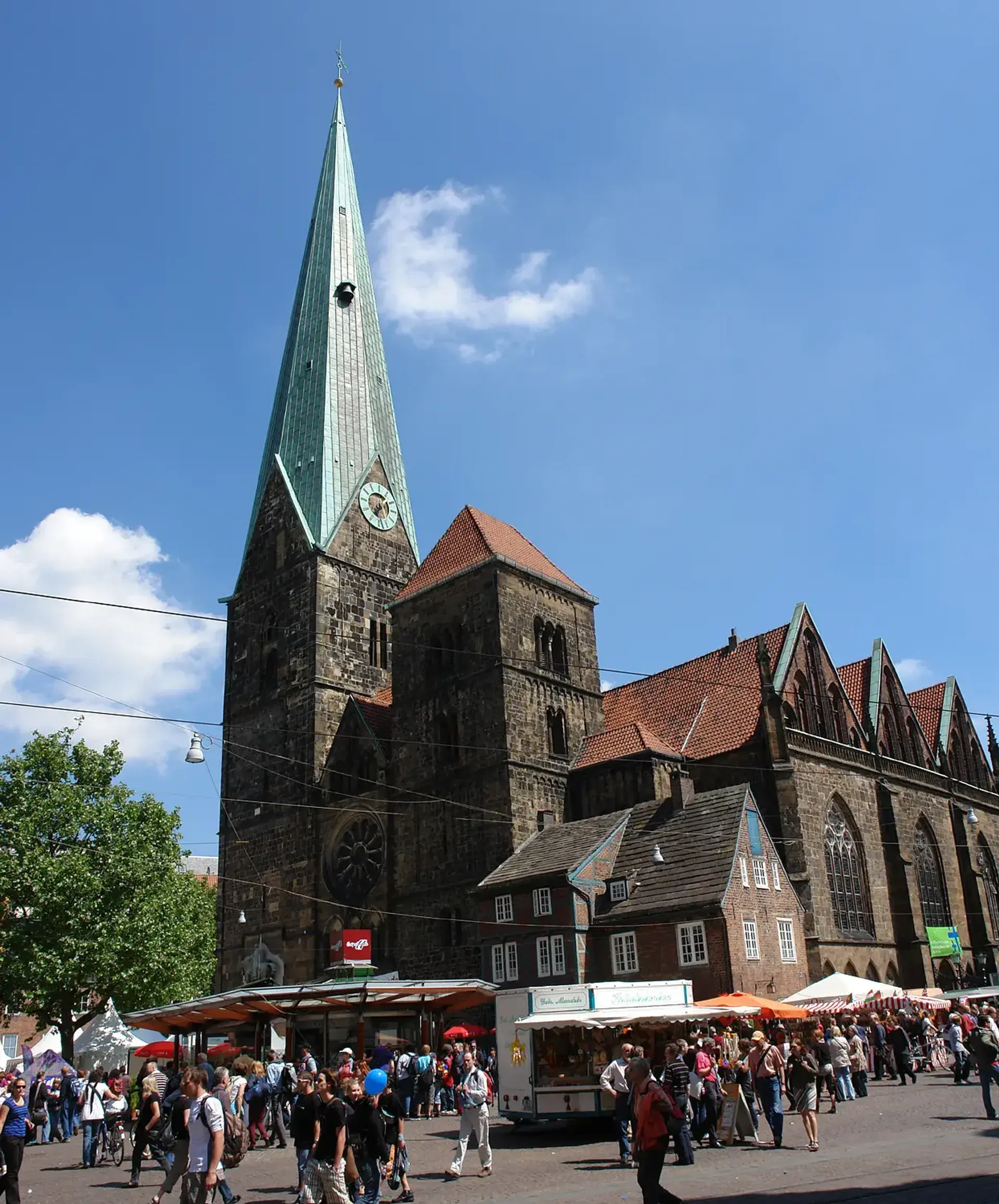
Directly northwest of Bremen's Marktplatz and City Hall sits Unser Lieben Frauen Kirchhof, colloquially known as Liebfrauenkirchhof. Registered as a protected historic ensemble in 1917, the square wraps around three sides of the Church of Our Lady (Kirche Unser Lieben Frauen), Bremen’s second-oldest church after St. Peter's Cathedral. Established in the 13th century around the Gothic hall church—which replaced an 11th-century predecessor dedicated to Saint Vitus—the site developed as a focal point for the city’s burghers beyond the archbishop’s cathedral district.
Long before Bremen constructed its iconic Town Hall in 1405, municipal leaders governed the city from this parish church. City councilors met here and stored municipal archives in the church tower's Tresekammer. For centuries, the grounds fulfilled a dual role: they served simultaneously as Bremen’s central burial ground and as an active trading market. Unlike enclosed modern cemeteries, interments were placed directly beneath the market’s flat stone slabs.
Overcrowding eventually prompted changes to the site's layout. In 1625, an above-ground bone house (Beinhaus) on the square was demolished, and skeletal remains were transferred into a vaulted cellar (Beinkeller) beneath the church's north nave. Burials on the square continued until 1813, when local authorities permanently outlawed the practice on public hygiene grounds. During the late 17th and 18th centuries, the square's southern edge alongside Obernstraße hosted the Alte Börse (Old Stock Exchange), constructed above civic wine cellars associated with the Bremen Ratskeller network.
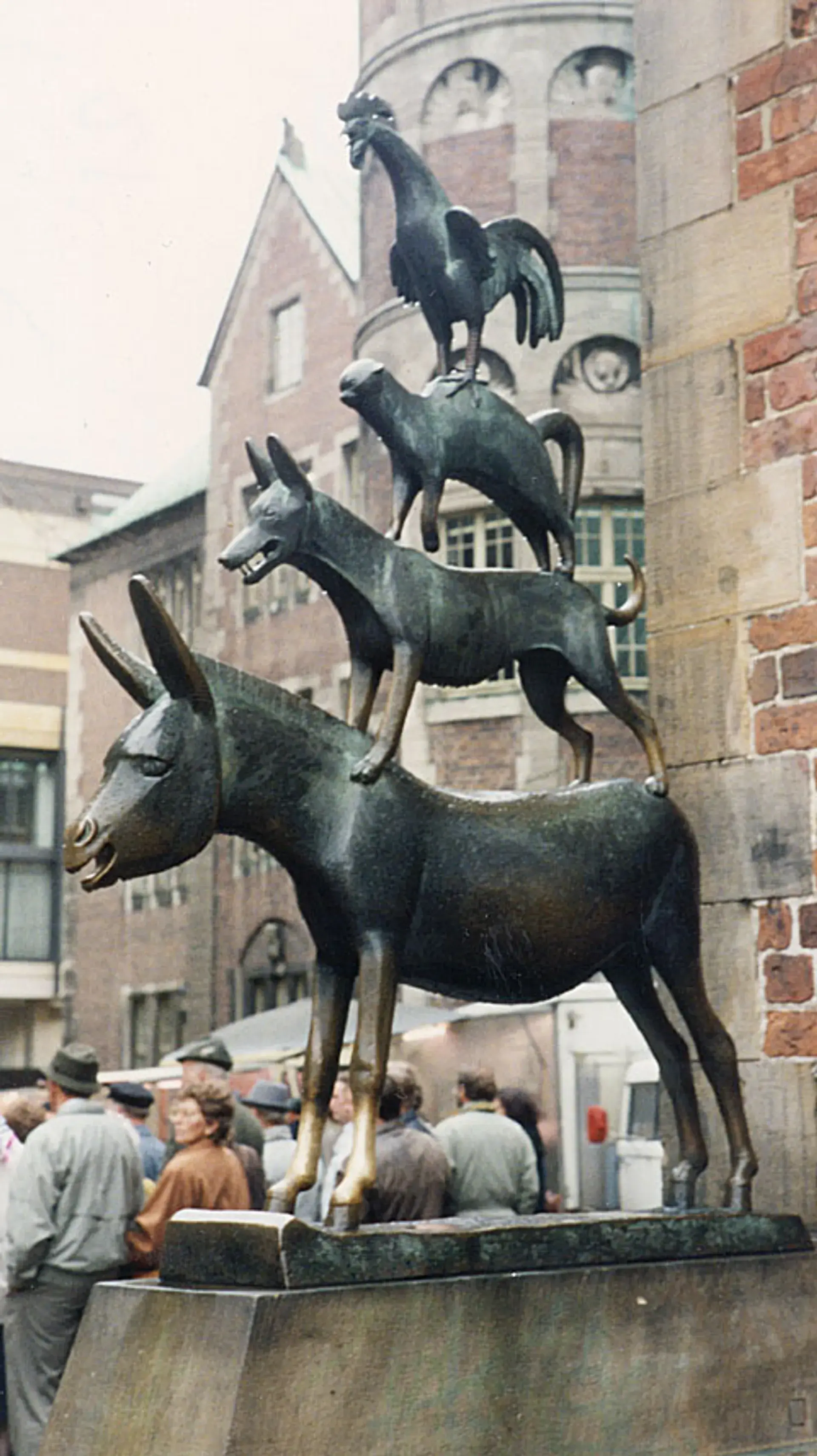
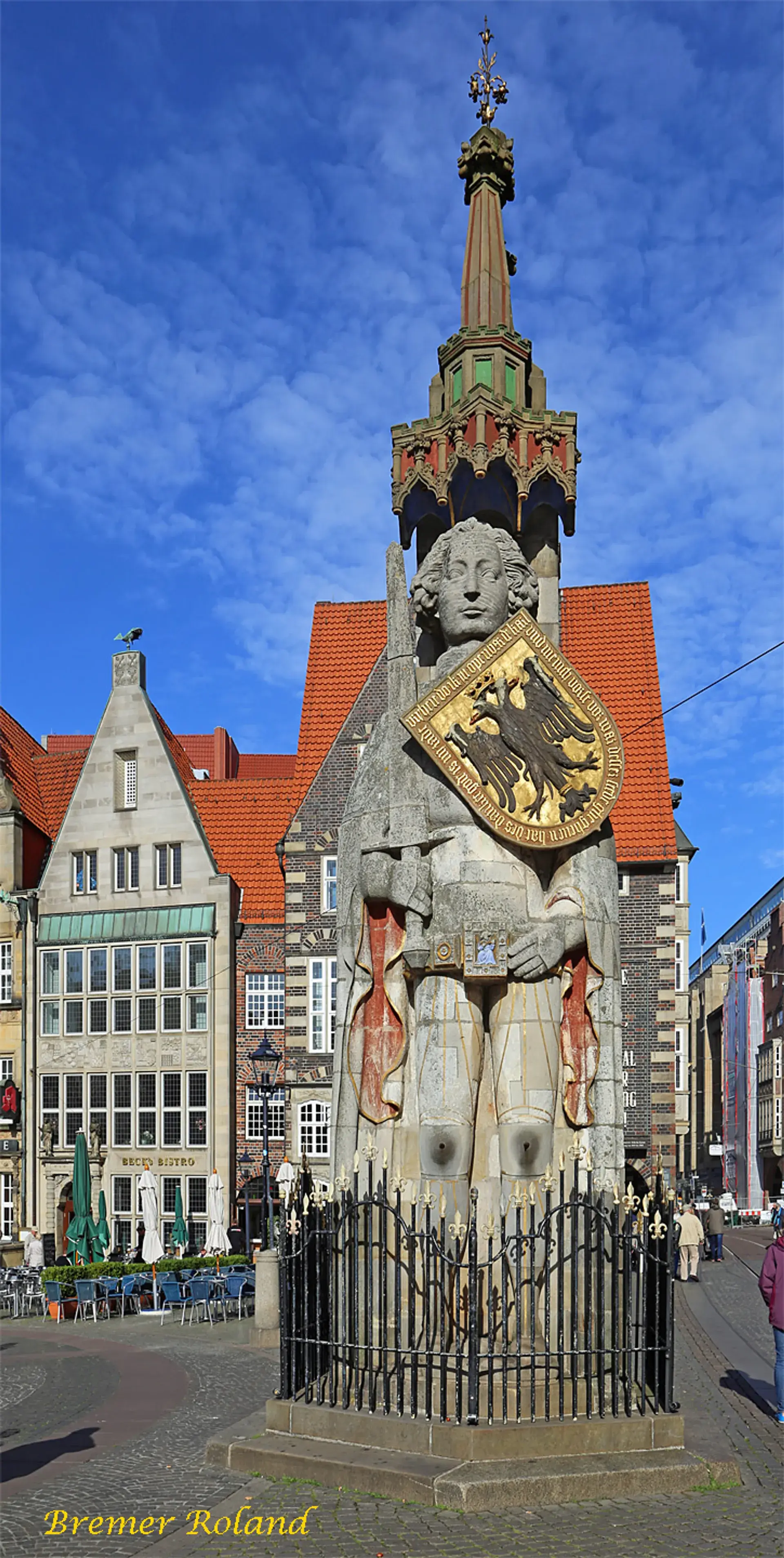
Bremen walking tour with audio and quizzes: Town Musicians and Roland
2 hours8 stopsAudio guideStart any day, at your own paceTicket on your phone · 30-day refundMonuments and Visual Diversions
Unser Lieben Frauen Kirchhof features two prominent monuments erected in 1909: the Marcus-Brunnen (Marcus Fountain) and the Moltke-Denkmal. The Moltke monument, dedicated to Field Marshal Helmuth von Moltke, is an equestrian high-relief mounted high on the church’s north tower wall.
The Marcus Fountain, crafted from Muschelkalk limestone and accented with bronze putti spouts, occupies the center of the square. Sculptor Hermann Hahn advised this specific placement to establish an immediate visual anchor for pedestrians approaching from Sögestraße. The fountain effectively directs attention toward the center of the square and away from the awkward, acute side angle of the Moltke equestrian relief on the tower.
Local Lore: The Taxi Fountain and the Schoppensteel
Over the decades, the square developed distinct urban folklore. The Marcus Fountain became known locally as the Taxibrunnen ("Taxi Fountain"). Drivers from an adjacent taxi rank adopted the fountain and maintained its basin, using loose change retrieved from the water to buy food for ornamental goldfish swimming in the pool. According to local custom, anyone wishing to make a wish at the fountain had to toss a coin backward over their shoulder into the basin.
A historic path crossing the square preserves the name Schoppensteel. This Low German term references the city’s historical pillory, where convicted individuals were once chained and publicly displayed.
The Modern Pedestrian Hub
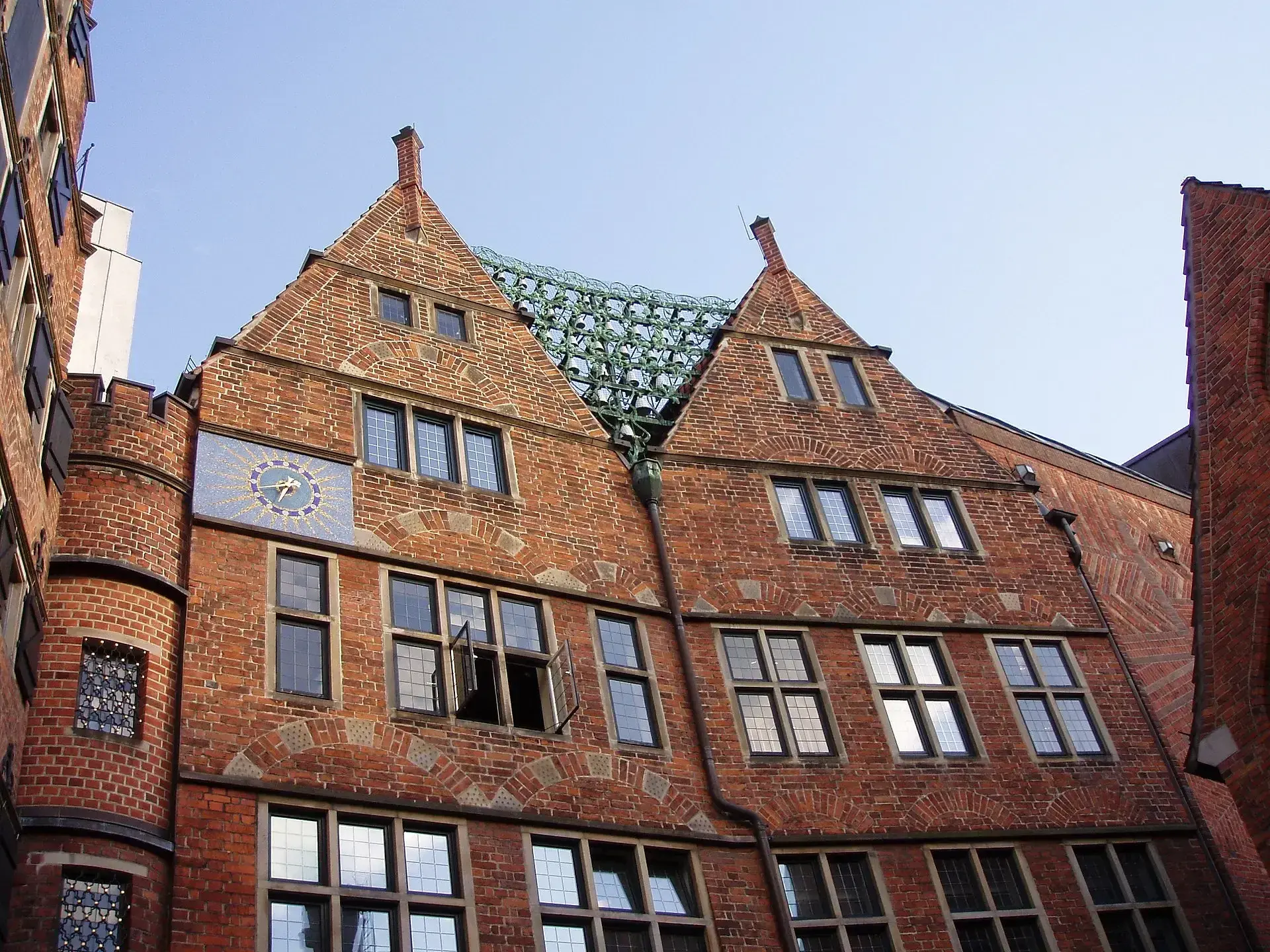
Today, Unser Lieben Frauen Kirchhof forms a car-free pedestrian link connecting Sögestraße, Obernstraße, and the Domshof. Paved in granite cobblestones and enclosed by dark brickwork and Gothic sandstone, the square retains a distinctive sensory atmosphere.
Since the late 19th century, the square has hosted Bremen’s historic Blumenmarkt (flower market), which runs Monday through Saturday mornings. The floral scents of cut blooms and potted shrubs blend with the aroma of grilled Thuringian bratwurst served from permanent food pavilions, while water trickles continuously from the spouts of the Marcus Fountain.
FAQ
Why was the Marcus Fountain placed in the center of the square?
The Marcus Fountain was placed in the center of the square on the advice of sculptor Hermann Hahn to provide an immediate focal point for pedestrians entering from Sögestraße, diverting their view from an awkward side angle of the Moltke equestrian relief on the church tower.
What took place at Unser Lieben Frauen Kirchhof before the Bremen Town Hall was built?
Prior to the completion of the Town Hall in 1405, Bremen's city councilors held their meetings in the Church of Our Lady and stored municipal archives in the church tower's Tresekammer.
When did burials stop on the square?
Burials directly beneath the marketplace pavement were permanently outlawed in 1813 due to public hygiene concerns.
What does the name Schoppensteel mean?
Schoppensteel is a Low German term preserving the memory of the historic public pillory that once stood on the square, where convicts were chained and exhibited.