Goslar Cathedral: The Surviving Domvorhalle Porch
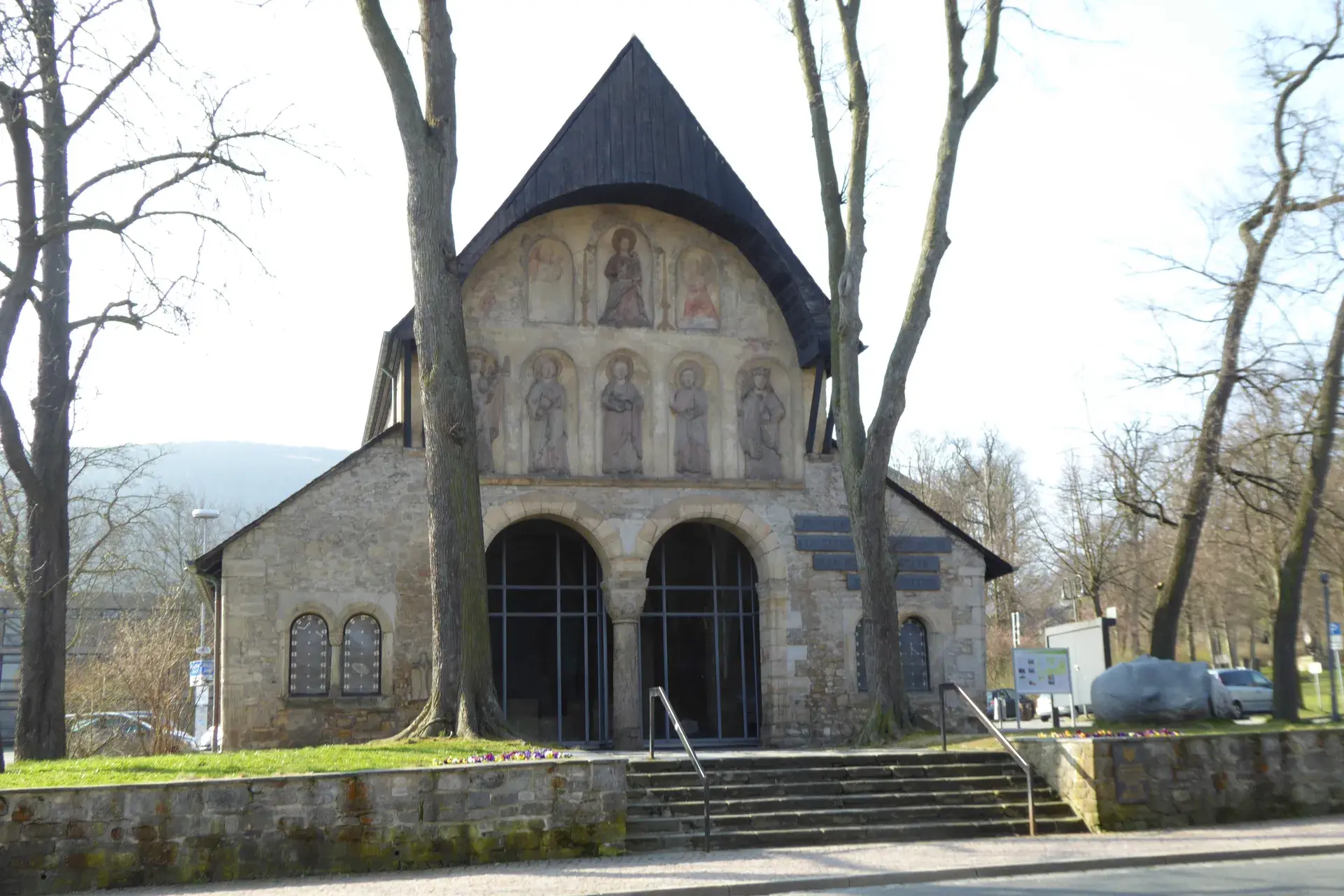
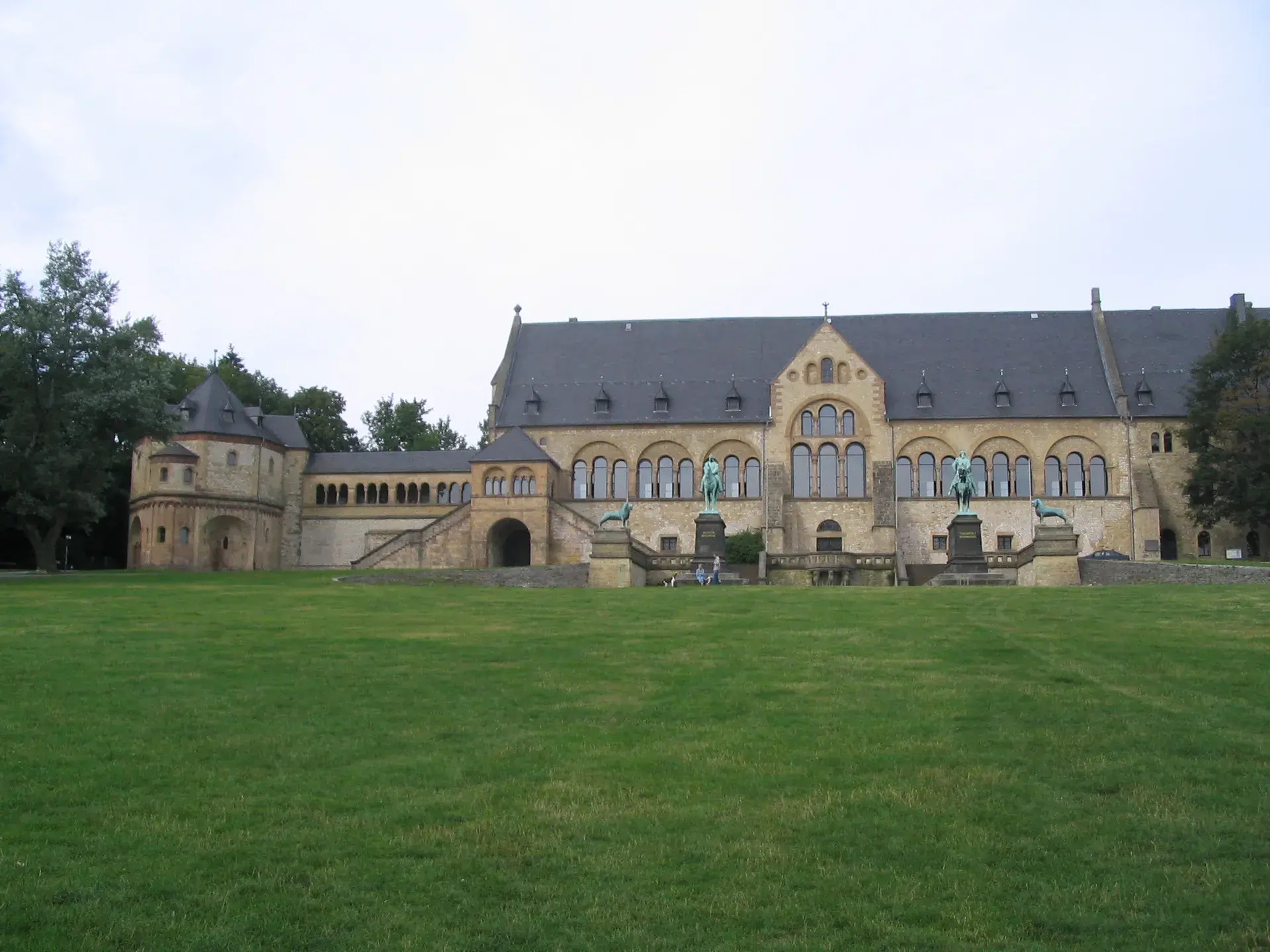
The Cathedral Porch (Domvorhalle) on Kaiserbleek square is the sole surviving architectural fragment of the Collegiate Church of St. Simon and St. Jude. Consecrated in 1051 under Emperor Henry III, the lost basilica remains an integral part of the Goslar UNESCO World Heritage site, linking the half-timbered old town with the open lawns of the Imperial Palace (Kaiserpfalz) district.
A Monument of Imperial Ambition
Commissioned by Salian Emperor Henry III, the church was built to project imperial power and rival the greatest churches of the Holy Roman Empire. Upon its consecration, it was the largest Romanesque basilica east of the Rhine. Although historically referred to as the Goslarer Dom (Goslar Cathedral), it was never a true episcopal seat. The title reflects the historic German use of "Dom" for prominent collegiate minsters rather than bishoprics.
Emperor Henry III was deeply attached to Goslar. Following his death in 1056, his heart was entombed inside the cathedral. The church also hosted significant, and sometimes violent, historical events. During the "Bloody Pentecost" of 1063, a violent seating dispute erupted between the Bishop of Hildesheim and the Abbot of Fulda in the presence of young King Henry IV. The conflict escalated into an armed battle that spilled blood directly across the high altar.
The Vanished Basilica
After centuries of prominence, the cathedral suffered severe neglect during the 18th and early 19th centuries. Following the secularisation of the free imperial city, the dilapidated basilica was sold at auction in 1819. The nave, choir, towers, and cloister were dismantled block by block for use as building stone. By 1822, the demolition was largely complete, leaving only the northern vestibule standing as an isolated relic. During this destruction, Emperor Henry III's entombed heart was safely relocated to the nearby St. Ulrich Chapel.
Today, the immense scale of the vanished cathedral is rendered visible through colored cobblestones set directly into the pavement of the modern Kaiserbleek parking area, demarcating the invisible footprint of the destroyed church.
Romanesque Art and the Imperial Throne
The surviving northern porch, added between 1150 and 1200, serves as an open-air historical monument. Its north gable features two tiers of round-arched niches holding stucco relief sculptures dating from around 1230 to 1240. The upper register depicts the Virgin Mary with the Christ Child framed by painted angels, while the lower register displays Goslar's patron saint Matthias flanked by the church patrons Simon and Jude, alongside two Holy Roman Emperors, including Henry III.
Inside the portal, an ornate central dividing column showcases finely carved Romanesque capitals. An inscription on the column references Hartmannus, the medieval master mason who crafted the stonework.
The porch interior also houses a full-scale replica of the Romanesque Goslarer Kaiserstuhl (Imperial Throne). The original 11th-century bronze and 13th-century sandstone throne is exhibited in the nearby Kaiserhaus. This original throne was famously purchased by Prince Carl of Prussia in the 19th century and used by Emperor Wilhelm I during the opening of the first Imperial Diet of the German Empire in Berlin in 1871, before eventually returning to Goslar.
FAQ
Why was the Goslar Cathedral demolished?
Following secularisation and years of neglect, the dilapidated basilica was sold at auction in 1819. It was dismantled block by block for building stone, a process largely completed by 1822, leaving only the northern porch intact.
Was Goslar Cathedral a true bishopric seat?
No. Although historically called the Goslarer Dom, it was actually a prominent collegiate minster dedicated to St. Simon and St. Jude, rather than a true episcopal seat.
What happened to Emperor Henry III's heart?
Emperor Henry III was deeply attached to Goslar, and his heart was originally entombed in the cathedral in 1056. When the building was demolished in the early 19th century, his heart was relocated to the nearby St. Ulrich Chapel.