Cathedral of Santa Maria Assunta in Cividale
Historical Origins and Architecture
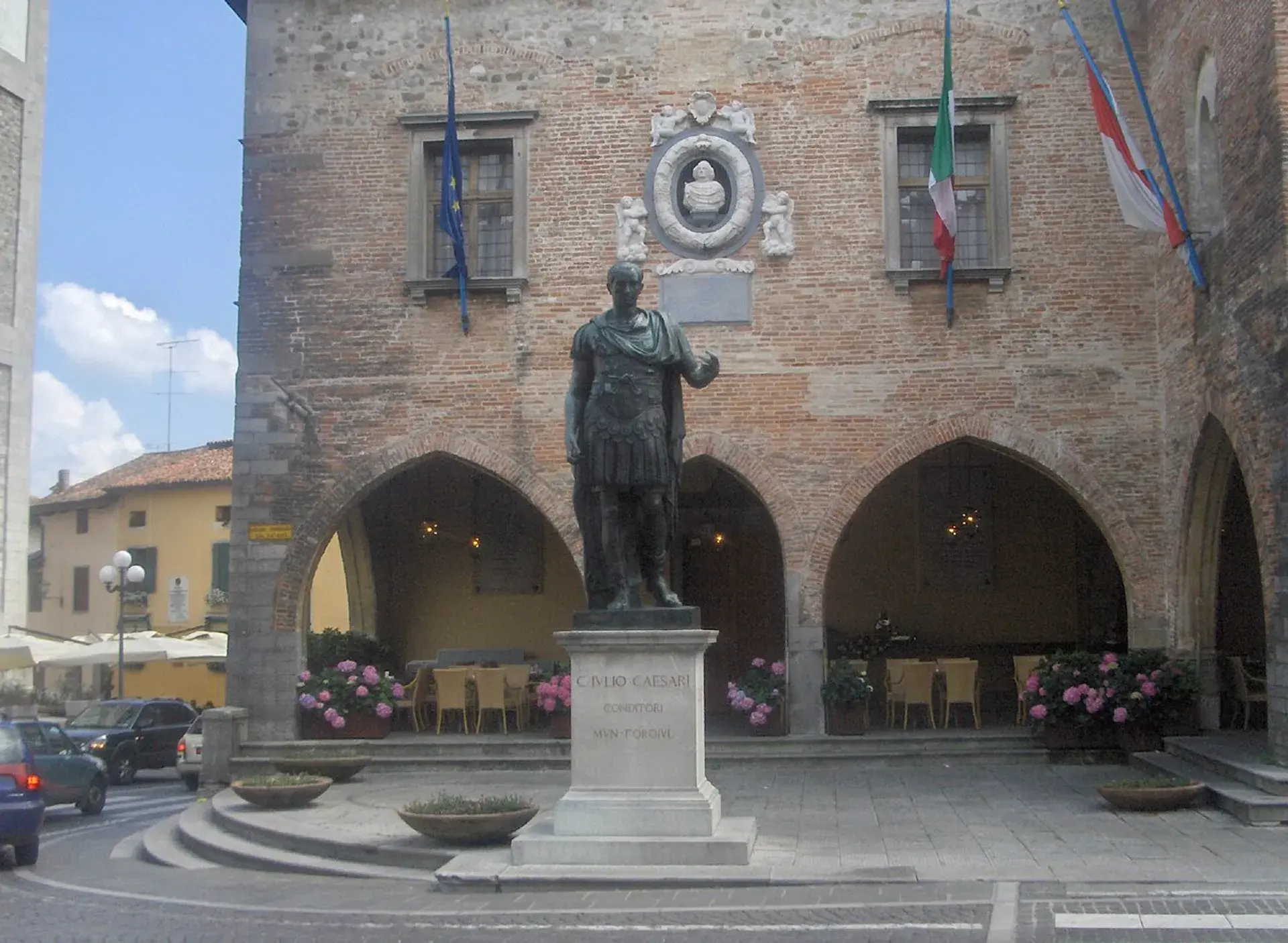
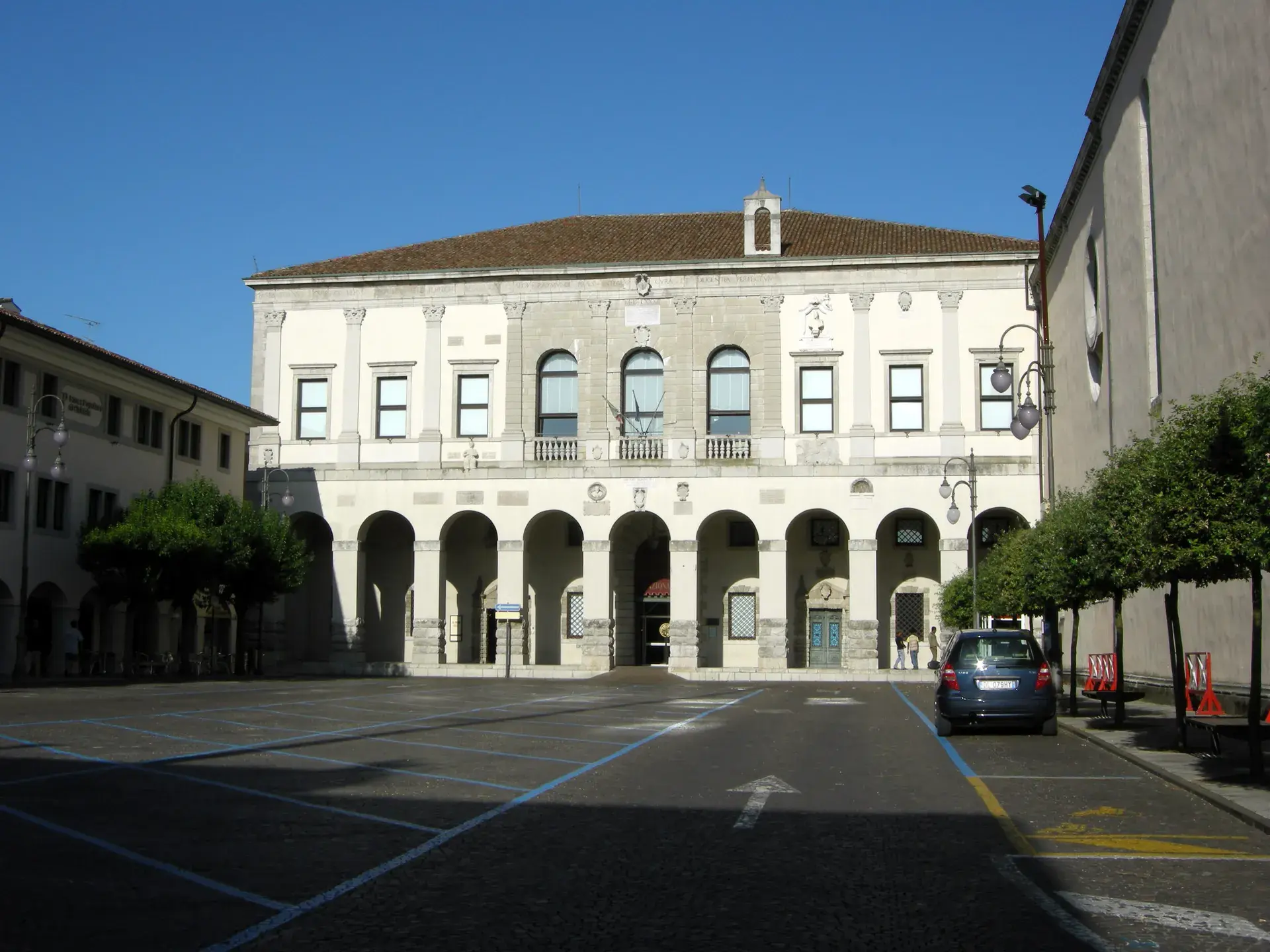
The Cathedral of Santa Maria Assunta anchors the Piazza del Duomo in Cividale del Friuli, standing opposite the 13th-century Palazzo Comunale and adjacent to the Museo Cristiano. The cathedral site traces its origins to 737, when Patriarch Calixtus transferred the seat of the Patriarchate of Aquileia to the city, then known as Civitas Austriae. This move established Cividale as an enduring regional ecclesiastical center.
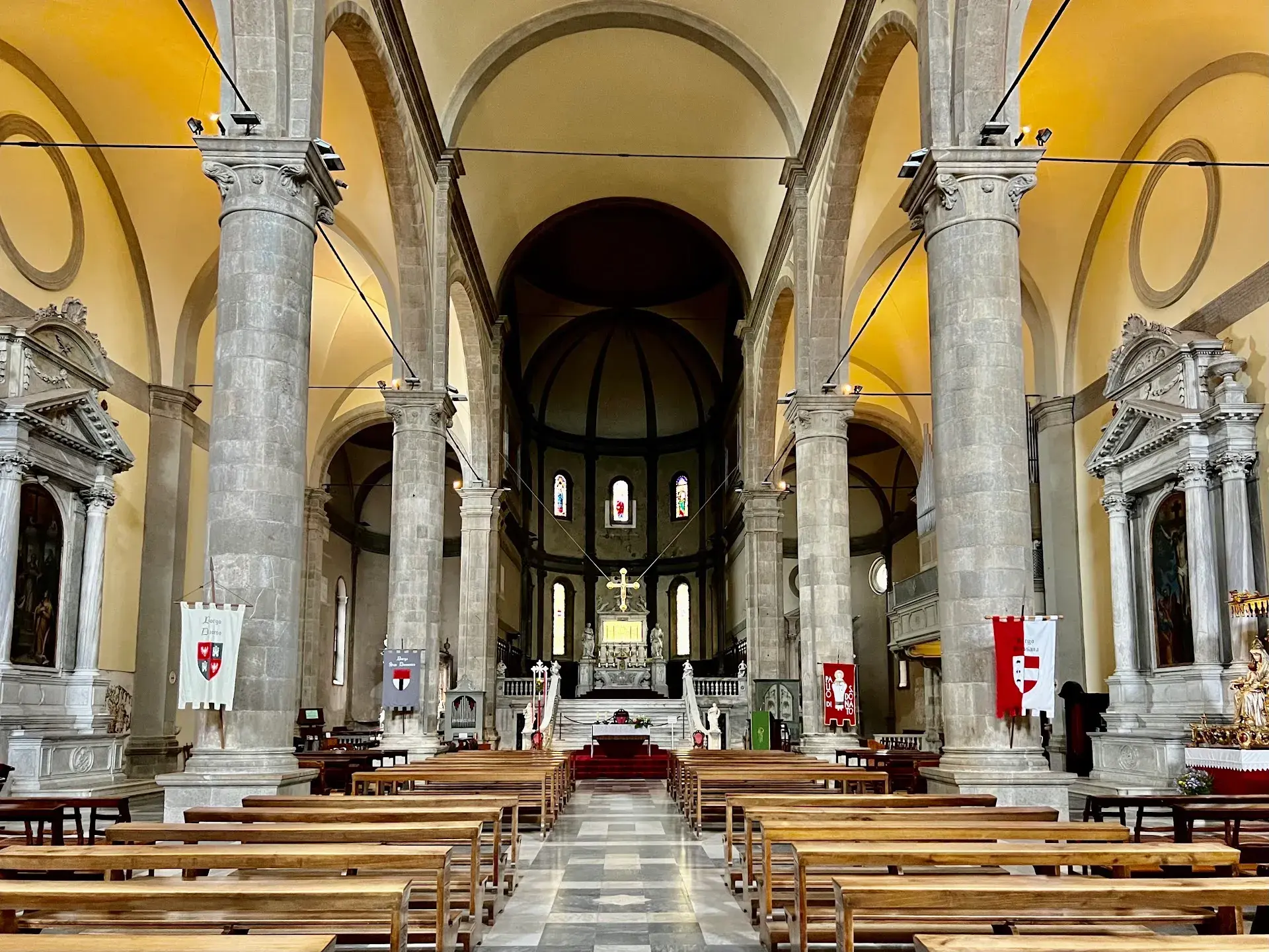
Beginning in 1457, the cathedral underwent a comprehensive reconstruction led by architects Bartolomeo delle Cisterne and Pietro Lombardo. Their design merged Venetian Gothic and Renaissance architectural elements, giving the cathedral its pale stone façade that faces the main square.
The Pala di Pellegrino II
The cathedral houses the Pala di Pellegrino II, an embossed and gilded silver altarpiece commissioned around 1200 by Patriarch Pellegrino II. Measuring roughly one by two meters, the piece consists of 123 silver foil sheets mounted over a wooden core. It portrays a central Virgin and Child flanked by the archangels Michael and Gabriel, alongside 25 named saints, framed medallions displaying prophets and Christ in Deesis, and a depiction of Patriarch Pellegrino II kneeling at the feet of the Virgin.
Originally designed as an antependium positioned at the base of the altar, the work was moved during the 16th century to sit atop the high altar as a retable. Today, it remains on the choir's high altar within an illuminated protective glass display case.
Movable Type Before Gutenberg
The Latin lettering on the Pala di Pellegrino II holds an exceptional place in the history of typography. Epigraphers identify the inscriptions, which spell out the names of the saints and a 10-line Leonine votive poem, as an early use of movable type in the Latin West. Completed around 1200, the inscriptions predate the printing innovations of Johannes Gutenberg by roughly 250 years.
Unlike Gutenberg’s method of casting relief metal type to press ink onto paper, the artisan in Cividale used negative metal punch dies struck into silver sheets. By sequentially hammering individual Gothic capital punches into the reverse of the metal, raised letters were created in repoussé relief. Subtle rectangular impressions left by the flat bases of the punch dies remain visible around the text.
Epigraphers confirmed that individual movable punches were used through the presence of microscopic tool flaws. A nick on the letter "R" repeats throughout the inscriptions, proving that the artisan repeatedly hammered a single damaged punch into the metal rather than engraving each character individually. The 10-line poem stamped across the silver strips concludes with an explicit curse directed against anyone who damages or commits sacrilege against the altarpiece.
Current Use and Traditions
The Cathedral of Santa Maria Assunta functions as an active Roman Catholic church and the central venue for civic worship in Cividale. In addition to daily services, the cathedral continues to observe longstanding local religious traditions. Every year on January 6 (Epiphany), it hosts the historic Messa dello Spadone (Broadsword Mass), a civic-religious liturgy that has been celebrated here since 1366.
FAQ
What is the typographic significance of the Pala di Pellegrino II?
The altarpiece contains Latin inscriptions produced around 1200 using individual reusable metal letter punches stamped sequentially into silver sheets, demonstrating the use of movable type roughly 250 years before Johannes Gutenberg.
How did researchers prove movable type was used on the silver altarpiece?
Epigraphers identified a microscopic flaw on the letter 'R' that appears repeatedly across the inscription, confirming that the text was created by striking a single damaged punch rather than carving each letter by hand.
Which historic liturgy is hosted annually at the cathedral?
The cathedral hosts the Messa dello Spadone (Broadsword Mass) every year on January 6, a civic-religious service dating back to 1366.
Discover Cividale-del-friuli like never before
Dive into Cividale-del-friuli hidden stories and secret spots with Ciceru interactive tours.
Explore tour
Audioguide
Quizzes
Maps
Solo
Couples
Groups & families

© Photo by sophia dalmatiner via Google Maps · Google Places