National Archaeological Museum of Cividale del Friuli
A Venetian Palace with Palladian Roots
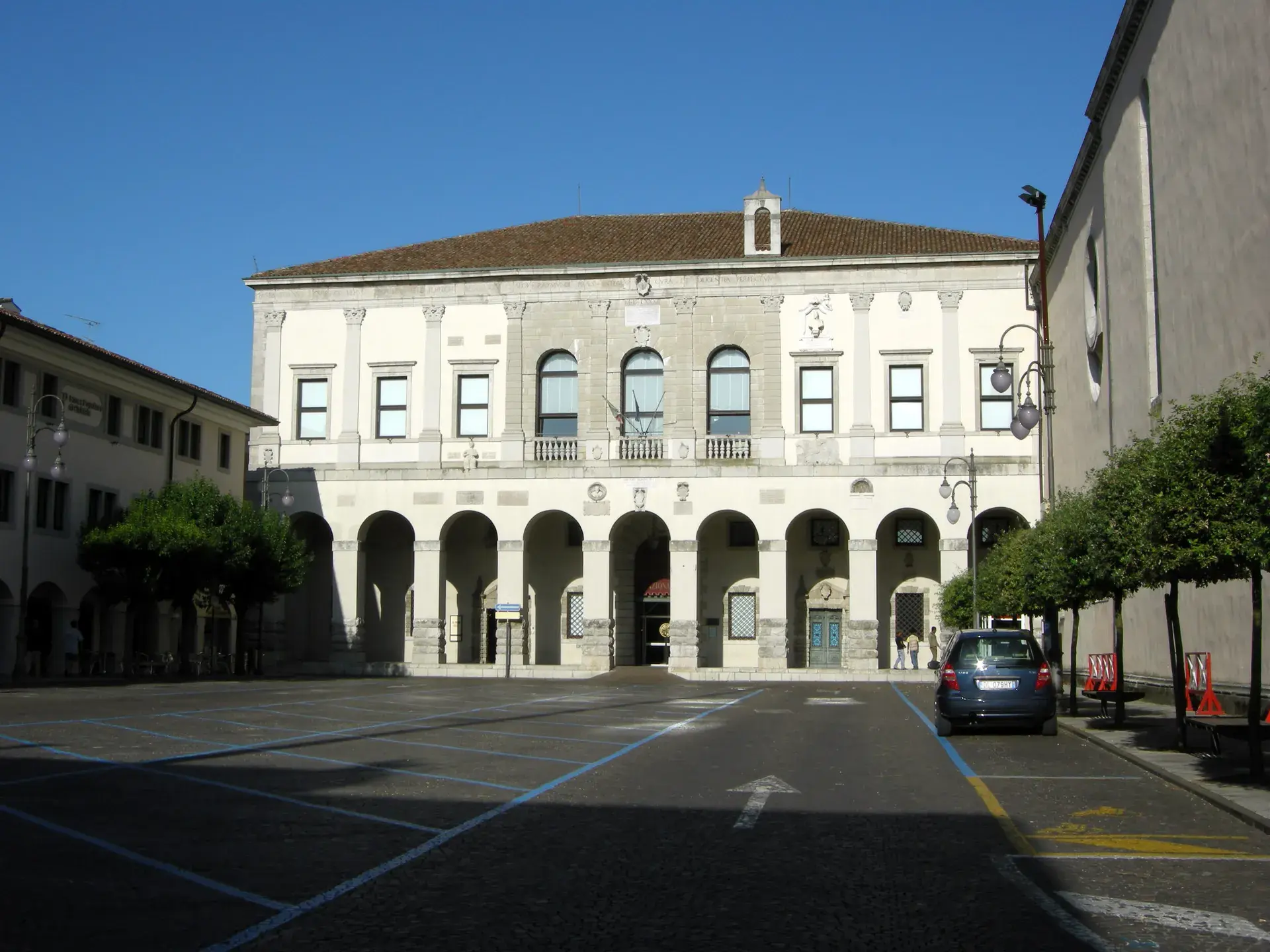
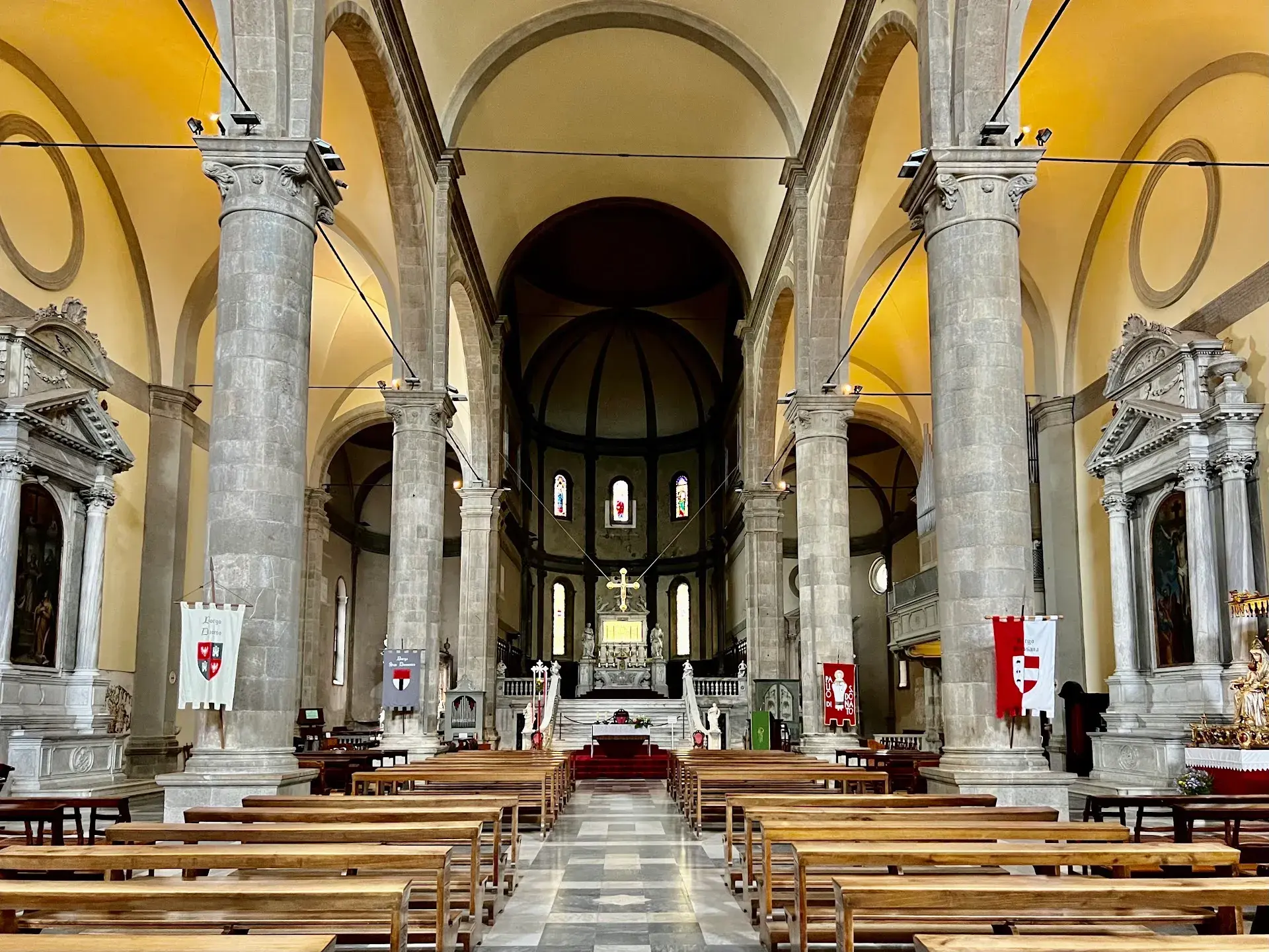
Positioned on the eastern flank of Piazza del Duomo, directly opposite the Cathedral of Santa Maria Assunta, the Museo Archeologico Nazionale di Cividale del Friuli occupies the Palazzo dei Provveditori Veneti. The palace design is attributed to the renowned architect Andrea Palladio, who supplied a wooden model and was present when the foundation stone was laid in 1565. Following Venice's administrative reorganization of the Friuli territory in 1559, the palace was constructed between 1596 and 1615 to house the official residence and judicial tribunal of the Venetian Provveditore Ordinario.
The structure stands directly over the razed ruins of the medieval Patriarchal Palace, previously the administrative and ecclesiastical seat of the Patriarchs of Aquileia. The building reflects classical Roman rustication inspired by Palladio's studies of antiquity, providing a monumental setting for the town's archaeological heritage.
Imperial Origins and UNESCO Recognition
The museum was established by imperial decree in 1817 during Austrian rule. Its creation followed significant archaeological excavations directed by the local antiquarian Count Michele della Torre Valsassina and financed by Emperor Francis I of Habsburg. In 1990, the growing archaeological collections were transferred from Palazzo de Nordis into the restored Venetian palazzo.
Today, the museum serves as an active state institution and study center under the Italian Ministry of Culture. It preserves the primary movable material culture associated with Cividale's inclusion in the 2011 UNESCO World Heritage listing, "Longobards in Italy: Places of Power (568–774 A.D.)." Cividale, originally the Roman settlement of Forum Iulii, became the capital of the first Lombard duchy in Italy under King Alboin in 568 A.D.
Lapidary and Epigraphic Collections
The ground floor and courtyard display an extensive lapidary collection documenting the continuous occupation of Cividale. The exhibits feature weathered Roman inscriptions, mosaics, and Early Christian carvings alongside Romanesque relief sculpture, chancel slabs, and relics from the Patriarchal era.
The ground-floor galleries also preserve a collection of medieval Jewish headstones salvaged from Cividale's former Jewish cemetery, highlighting the community's historical presence in the city.
Lombard Treasures of the Piano Nobile
The piano nobile contains one of Europe's foremost collections of Early Medieval and Lombard archaeology. Displayed chronologically inside dimly lit, climate-controlled cases, the exhibits spotlight delicate stamped gold foil crosses (crocette auree), ornate filigree brooches, and weapons recovered from local necropolises.
Key highlights on this floor include:
- Lombard Coinage: A rare collection of 56 Lombard gold coins owned by the Fondazione Friuli, considered the second most complete collection of Lombard currency in the world.
- The Peace of Duke Ursus: An 8th-century liturgical peace tablet (Pace del Duca Orso) crafted from carved ivory and framed in gilded silver.
- The Cividale Runestone: A rare inscribed stone fragment bearing an authentic runic text, representing one of the few verified runic inscriptions discovered in Italy.
The Mystery of Duke Gisulf's Tomb
Among the museum's most notable exhibits are the contents of a stone tomb discovered in 1874 by municipal workers laying water pipes in Piazza Paolo Diacono. The burial container was a reused Roman sarcophagus with a gabled lid and acroteria, bearing a chiseled graffito that reads CISUL.
Although local tradition immediately identified the occupant as Gisulf I, nephew of King Alboin and the first Duke of Friuli, modern archaeological analysis dates the grave goods to the mid-to-late 7th century, several generations after Gisulf I's death. The burial still represents an elite aristocrat of royal stature, containing a gold-embossed cross set with stones, a parade shield, and a signet ring set with an ancient coin of Emperor Tiberius. When the sarcophagus was first unsealed in the 19th century, researchers also found an intact glass vessel holding preserved liquid votive water that had remained undisturbed for over a thousand years.
FAQ
Where is the National Archaeological Museum located?
The museum is located on the eastern side of Piazza del Duomo in Cividale del Friuli, directly opposite the cathedral.
What is the architectural history of the museum building?
It is housed in the late 16th-century Palazzo dei Provveditori Veneti, designed based on a wooden model by Andrea Palladio and built over the ruins of the medieval Patriarchal Palace.
Why is the museum significant to Lombard history?
Cividale del Friuli was the seat of the first Lombard duchy in Italy established in 568 A.D. The museum preserves the primary movable artifacts of this era, forming a vital part of the town's UNESCO World Heritage status.
What was discovered inside Duke Gisulf's tomb?
Excavated in 1874, the tomb yielded aristocratic weapons, a parade shield, a signet ring, a gold-embossed cross, and an intact glass bottle containing preserved liquid votive water.