Palazzo dei Diamanti: Ferrara's Renaissance Masterpiece
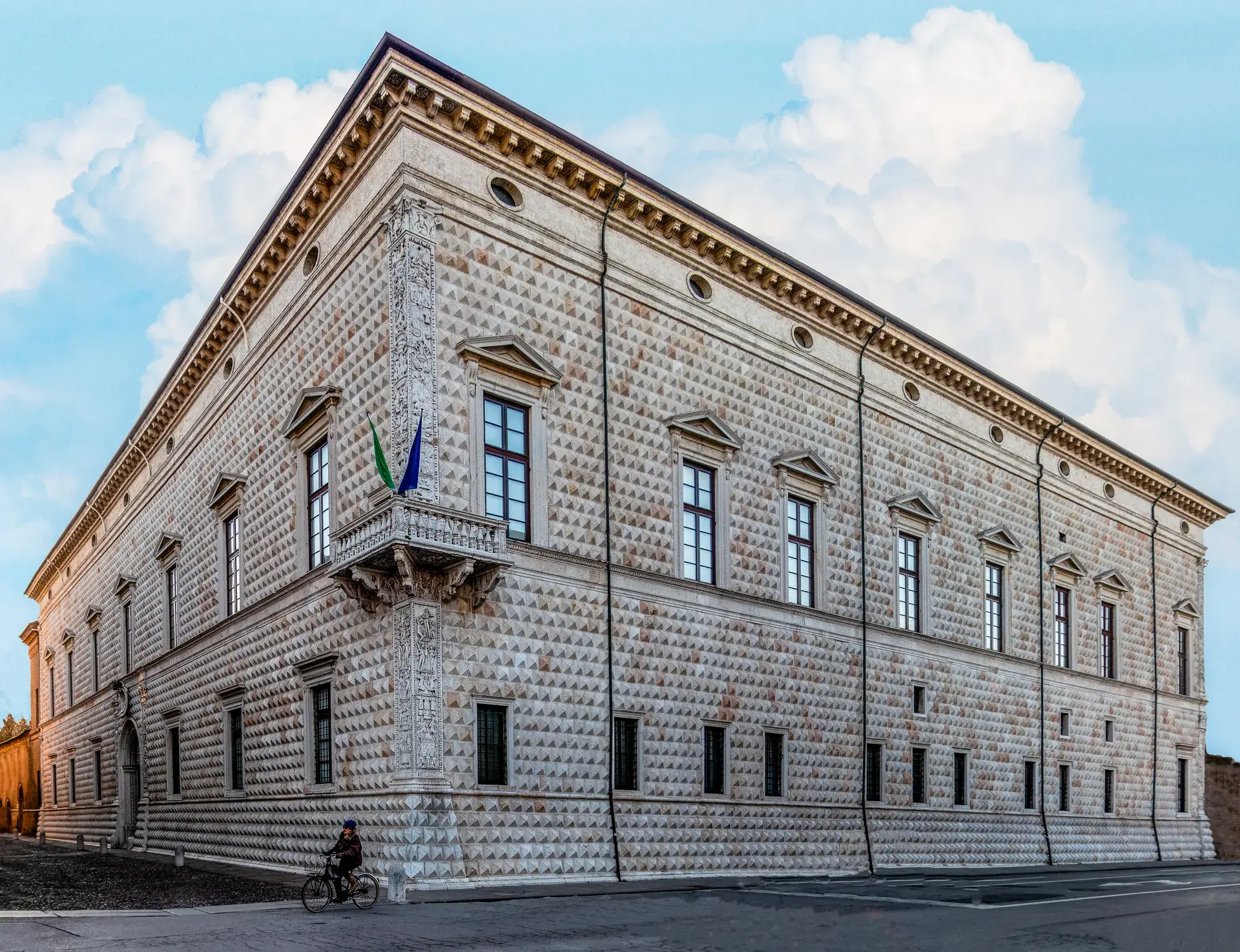
Covered in thousands of pointed marble stones, the Palazzo dei Diamanti is the defining centerpiece of the Addizione Erculea, which established Ferrara as Europe's first planned modern Renaissance city.
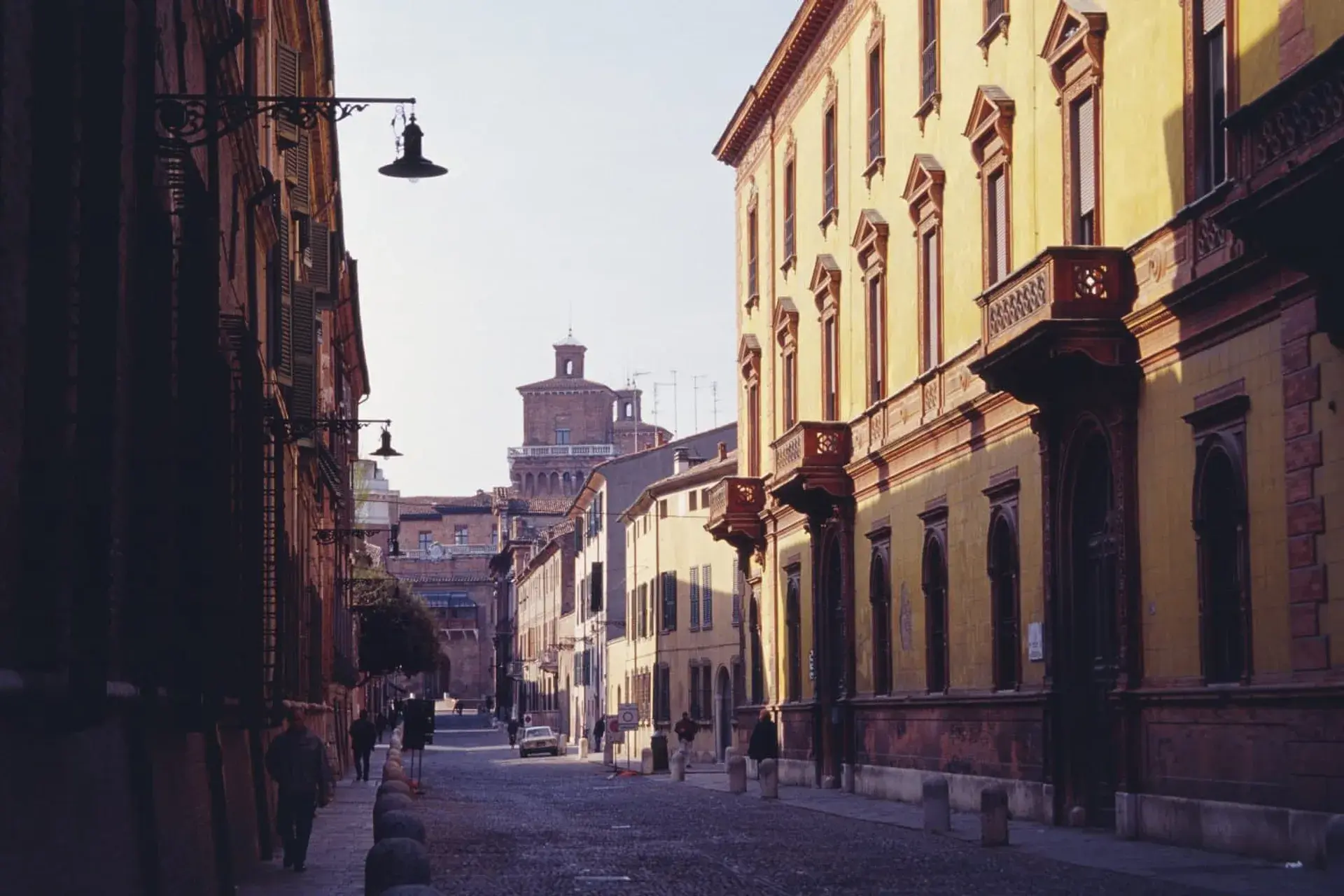
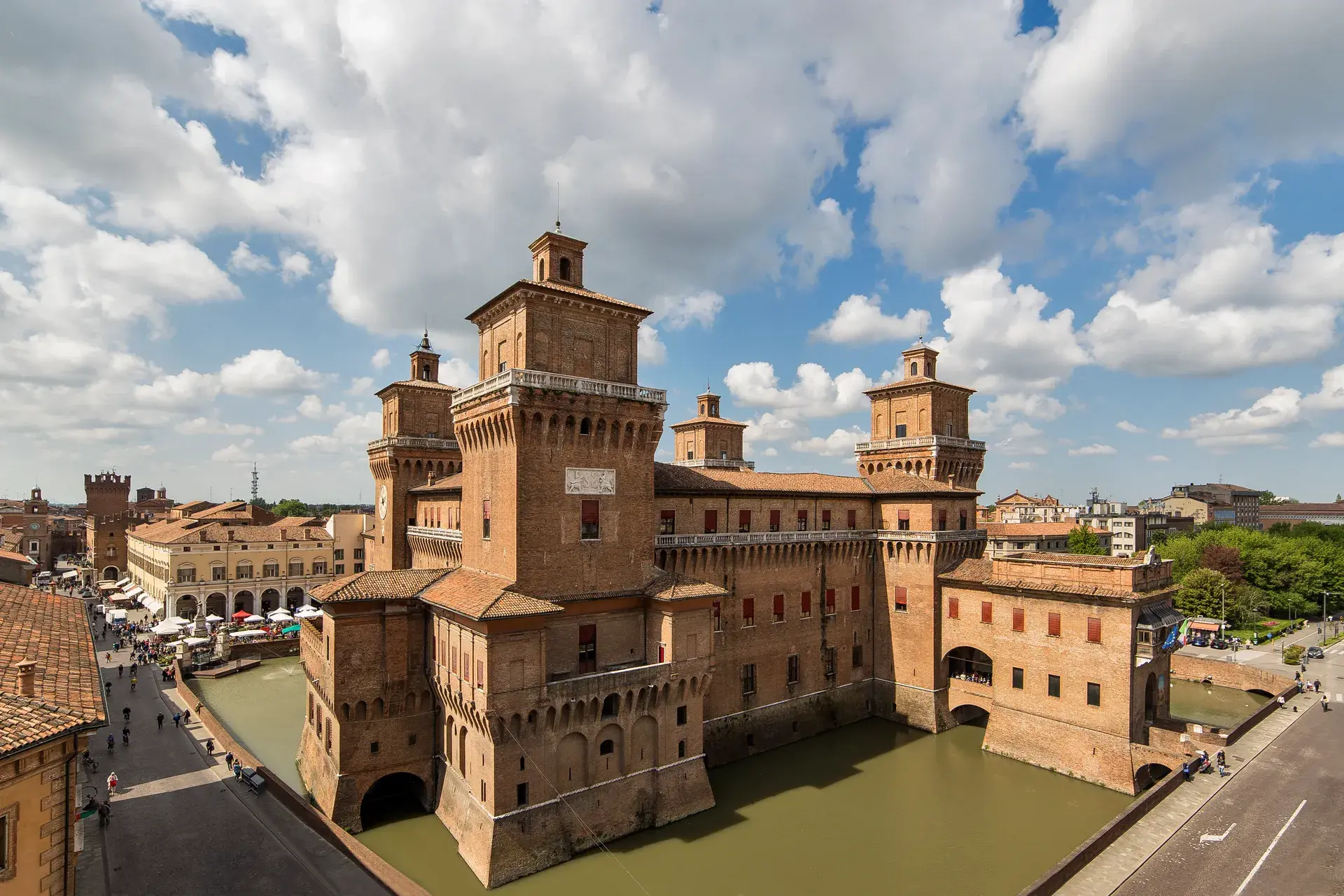
Commissioned around 1492 by Sigismondo d'Este and constructed between 1493 and 1503, the palace was designed by the acclaimed Ferrarese court architect Biagio Rossetti. The building sits at the Quadrivio degli Angeli intersection, halfway between the Castello Estense and the northern city walls.
A Facade of 8,500 Diamonds
The building is renowned for its striking exterior, which is clad in approximately 8,500 white- and pink-veined marble blocks. These stones are carved into protruding pyramidal ashlar, referencing the Este family's personal diamond device.
The facets of the pyramidal stones reflect sunlight at shifting angles throughout the day. This creates sharp, contrasting triangular shadows in the low morning light and a luminous, rhythmic texture during midday.
Masterful Optical Illusions
Unlike standard Italian Renaissance palaces that center the primary architectural emphasis on a symmetrical entrance, Biagio Rossetti treated the building as an urban corner piece. He designed the structure to be viewed obliquely in motion.
To achieve this dynamic perspective, the stone diamond points are carved at varying angles. Their tips are slightly tilted toward the corner and vary according to height. This intentional irregularity optimizes light reflection and creates an ideal visual perspective for traversing pedestrians.
The palace's most elaborate decorative emphasis focuses directly on the street corner. This area features sculpted marble candelabras by Gabriele Frisoni and a corner balcony added by architect Galasso Alghisi in the late 16th century.
Civic Art and Historic Gardens
Following the devolution of Ferrara, the property eventually passed to the Villa family before the Municipality of Ferrara purchased it in 1842. The structure proved highly resilient, surviving aerial bombings in 1944 and undergoing comprehensive restorations following the 2012 earthquake, which concluded in 2023.
Today, the first floor houses the Pinacoteca Nazionale di Ferrara. This gallery exhibits paintings from the Ferrara School spanning the 13th to 18th centuries, including works by Cosmè Tura, Ercole de' Roberti, and Dosso Dossi.
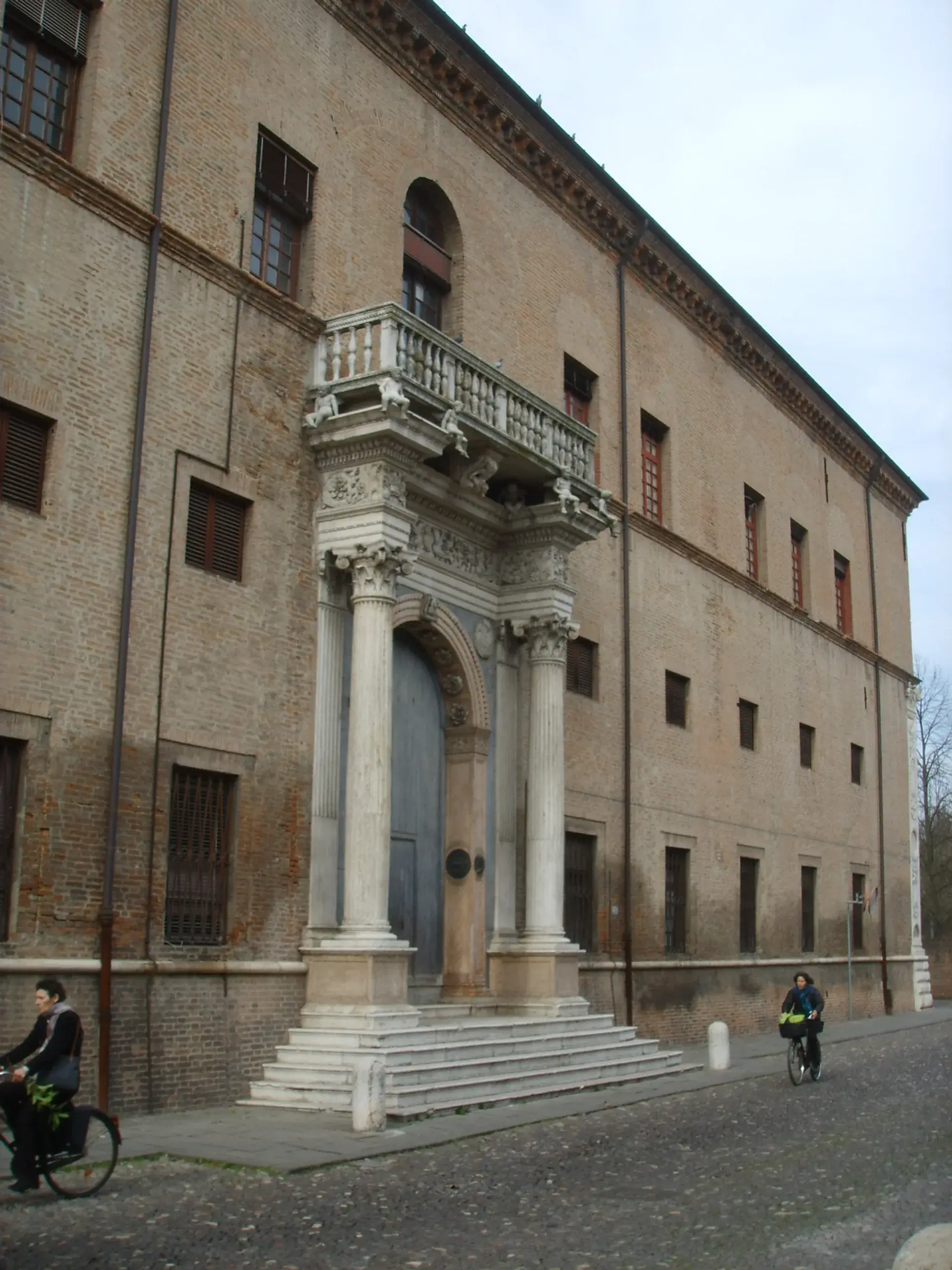
The ground-floor wings host major temporary art exhibitions managed by the Ferrara Arte Foundation and the Municipality. Inside, the palace features a Renaissance courtyard with a monumental marble well and a restored historic orchard garden, known as a brolo.
Legends of the Hidden Gem
Local Ferrarese folklore adds a layer of mystery to the remarkable architecture. According to popular legend, Duke Ercole I d'Este concealed an authentic gem from his ducal crown inside one of the 8,500 marble blocks.
The tale claims that only the Duke and his master builder knew the specific block containing the jewel. To keep the location permanently secret, the Duke supposedly had the builder blinded and his tongue severed, later compensating the builder's family with gold.
FAQ
What is inside the Palazzo dei Diamanti?
The first floor houses the Pinacoteca Nazionale di Ferrara, displaying works from the Ferrara School of painting. The ground floor hosts major temporary art exhibitions. The interior also features a Renaissance courtyard and a restored historic orchard garden called a brolo.
Why is it called the Palazzo dei Diamanti?
The palace is named after its unique facade, which is covered in approximately 8,500 white- and pink-veined marble blocks carved into protruding pyramidal ashlar. This diamond shape references the personal emblem of the Este family.
Is there really a diamond hidden in the palace?
According to local Ferrarese folklore, Duke Ercole I d'Este hid a real gem from his crown inside one of the marble blocks. However, this remains a popular legend with no historical proof.