Santa Maria Foris Portam: A Lucca Landmark
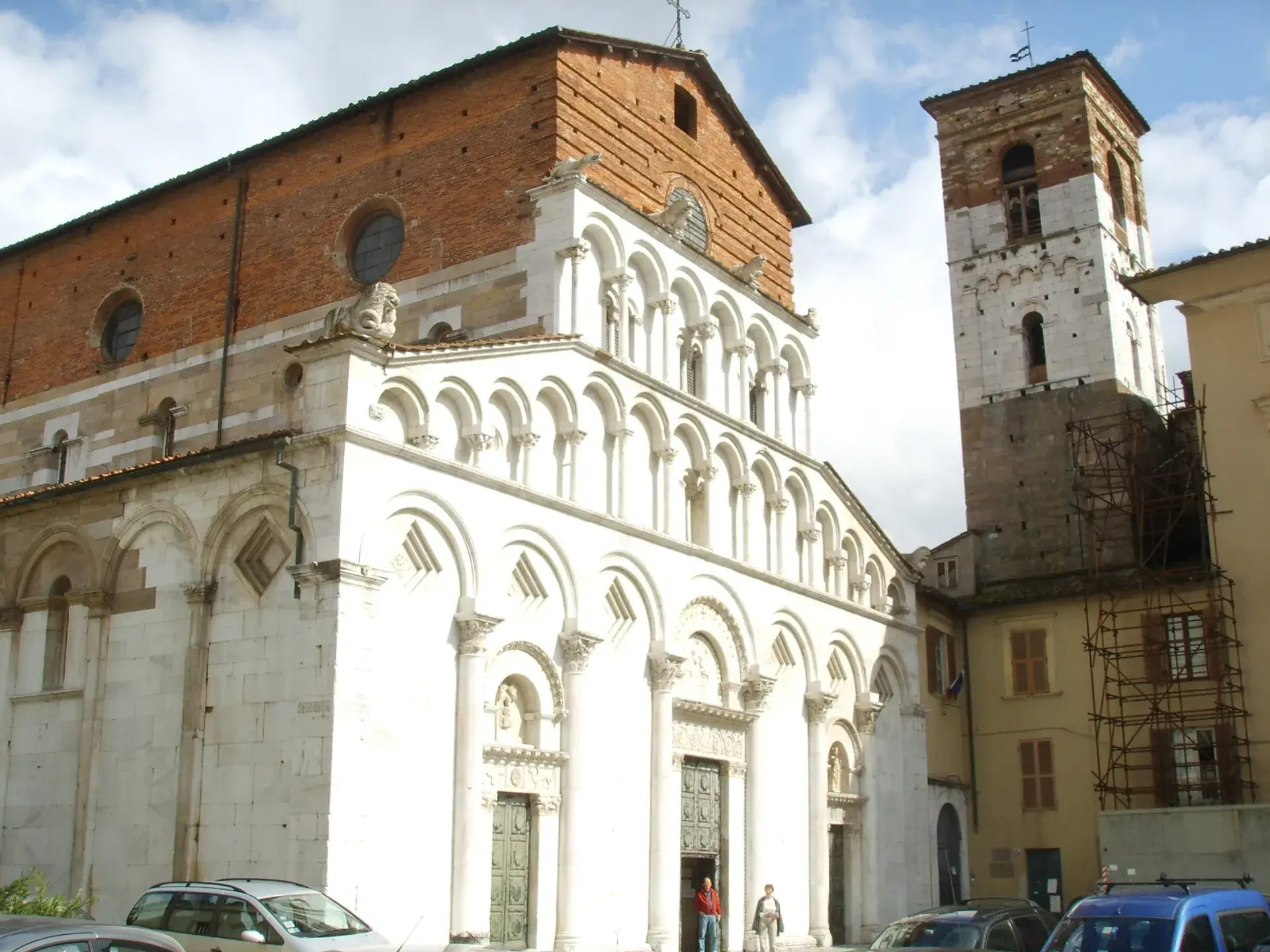
The Chiesa di Santa Maria Foris Portam, also known as Santa Maria Bianca for its white limestone facade, is a Romanesque-style church in Lucca, Italy. Its name, meaning 'outside the gate' in Latin, recalls its origins beyond the ancient Roman walls, though it now stands well within the city's historic center.
A History Through Centuries
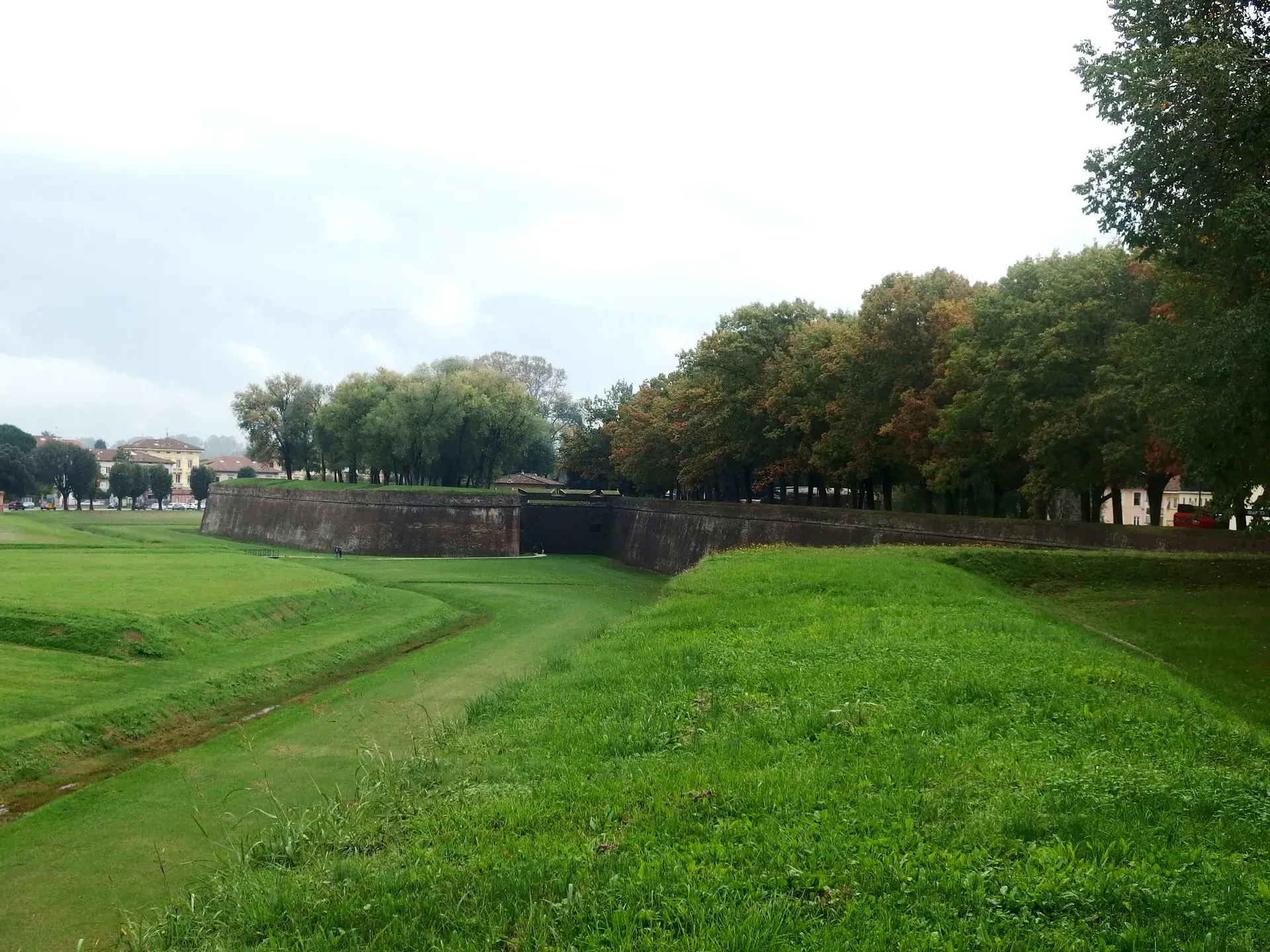
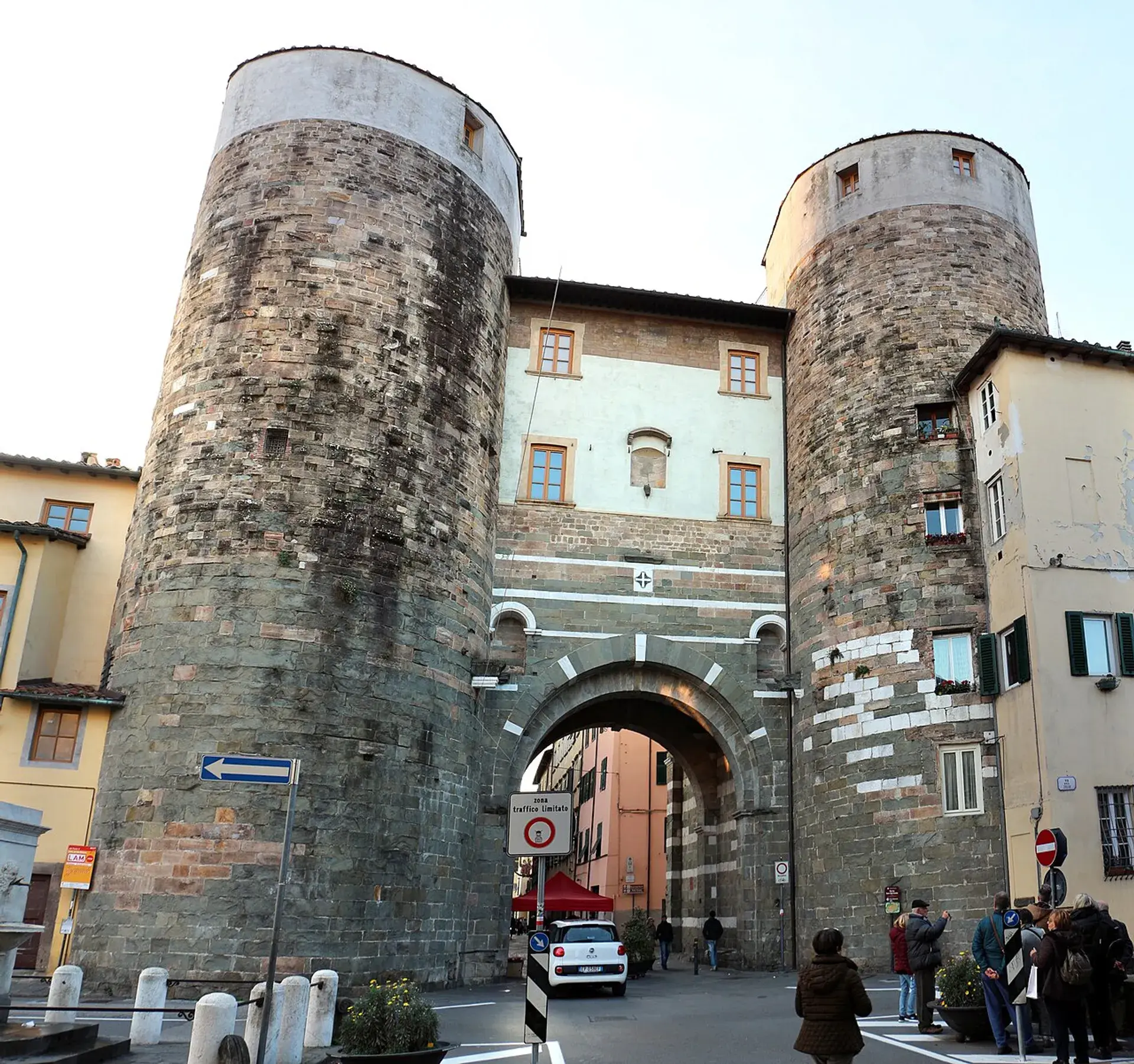
Archival documents confirm a church existed on this site as early as 768. The original church and an associated hospice were established outside Lucca's Roman defenses near the eastern gate. During the city's urban expansion in the 12th century, the structure was largely rebuilt in a Romanesque style influenced by the Cathedral of Pisa and was enclosed within new medieval walls.
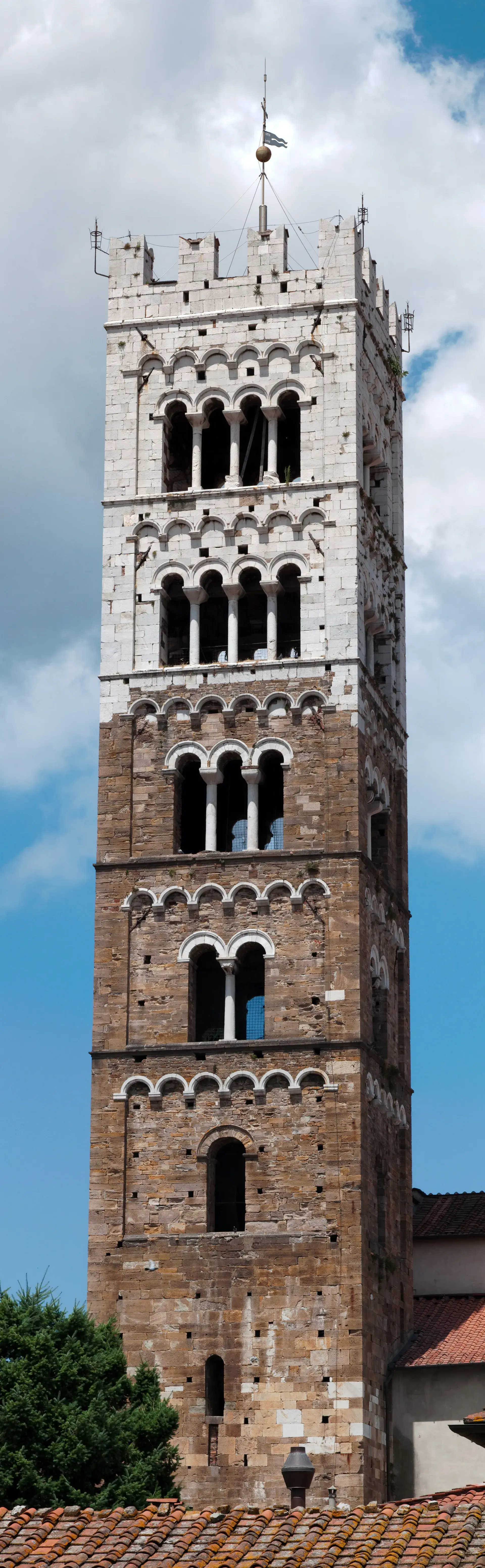
Significant modifications occurred in the 16th century after the church, then in a state of decay, was entrusted to the Canonici Regolari of San Salvatore of Bologna in 1512. This order undertook extensive restorations, partly funded by benefactor Giovanni Guinigi, which included raising the central nave and transept with brick. These brick elevations are still visible on the exterior, creating a distinct contrast with the older white stonework. The bell tower was completed around 1619.
Art and Architecture
The church's exterior is a notable example of Luccan Romanesque architecture. Inside, it preserves a rich artistic heritage. The interior contains two prominent 17th-century paintings by Giovanni Francesco Barbieri, better known as Guercino: 'Saint Lucy' (1642) and 'The Assumption with Saints Francis and Alexander' (1643). The church also holds a chapel with the burial of Chiara Matraini, a Renaissance poet from Lucca.
Lucca's Official Timepiece
A fascinating feature within Santa Maria Foris Portam is its 'camera oscura' sundial. A small aperture in the wall allows a single beam of sunlight to enter. This beam projects onto an engraved hour line on the pavement before the main altar. When the light intersects the line, it indicates the precise moment of local solar midday. Historically, this solar meridian line served the important function of regulating the city's clocks.
The Piazza della Colonna Mozza
The adjacent square, Piazza Santa Maria Foris Portam, has a local nickname: Piazza della Colonna Mozza, or 'Square of the Severed Column'. This name comes from the remnants of a Roman granite column located in the square. This column historically marked the endpoint for knights competing in medieval palio races.
FAQ
Why is the church called 'Foris Portam' (outside the gate) if it's inside Lucca's walls?
The church was founded in the 8th century when it was located outside Lucca's original Roman walls. The city expanded in the 12th century, and new medieval walls were constructed that enclosed the church, bringing it inside the city's defenses.
What is the significance of the sundial in Santa Maria Foris Portam?
The church features a unique 'camera oscura' sundial where a beam of light marks local solar midday on a line on the floor. Historically, this precise instrument was used to regulate all the clocks in the city of Lucca.
Are there any famous artworks in the church?
Yes, the church contains two important 17th-century paintings by the artist Guercino: 'Saint Lucy' and 'The Assumption with Saints Francis and Alexander'.
What is the 'severed column' in the piazza next to the church?
In the Piazza Santa Maria Foris Portam, there are the remains of a Roman granite column. The square is locally known as 'Piazza della Colonna Mozza' (Square of the Severed Column) because this column was used as the finish line for medieval palio races.