Cattedrale di San Nicolò di Bari: Taormina Duomo
The Fortress Cathedral of Taormina
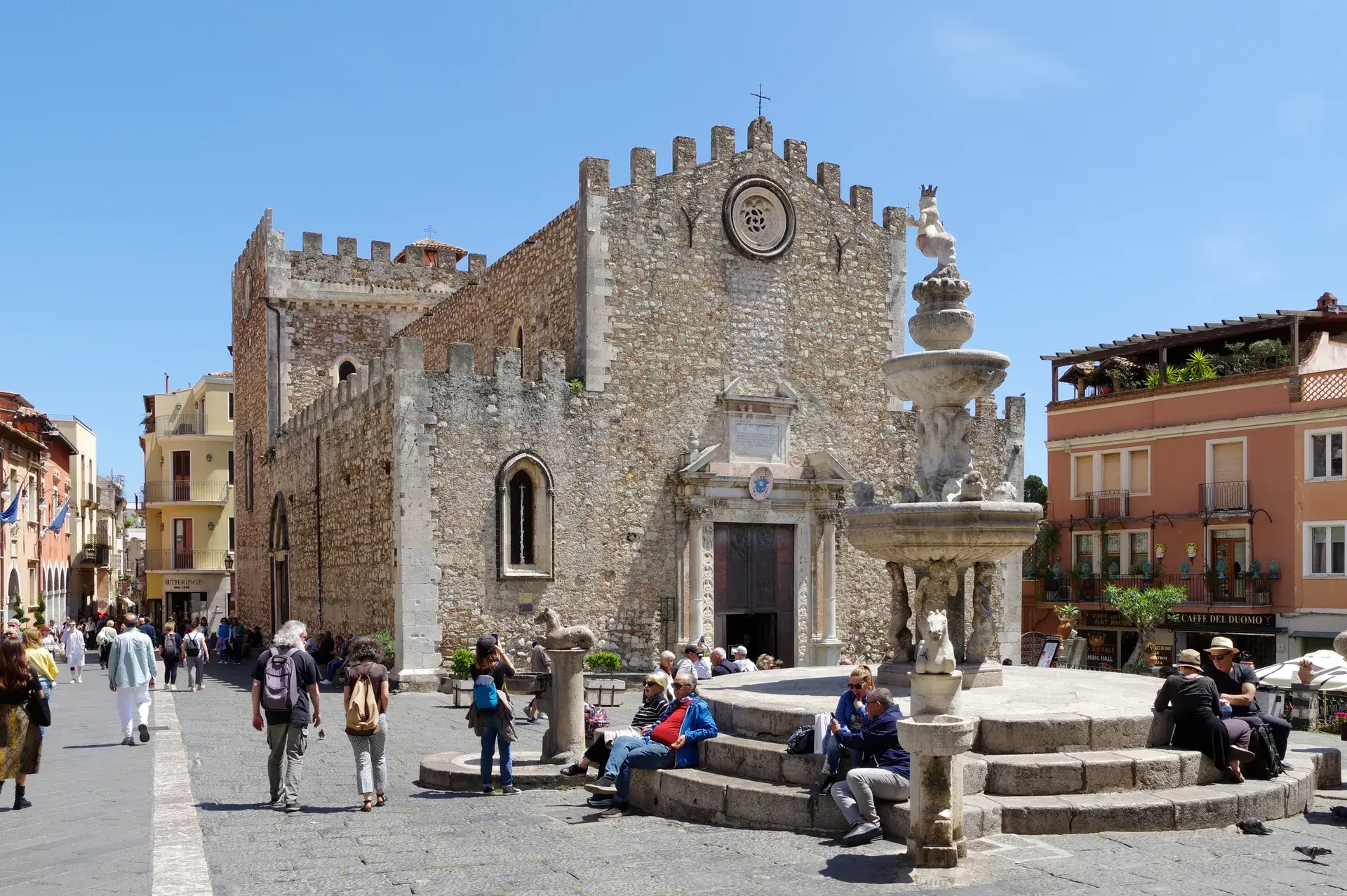
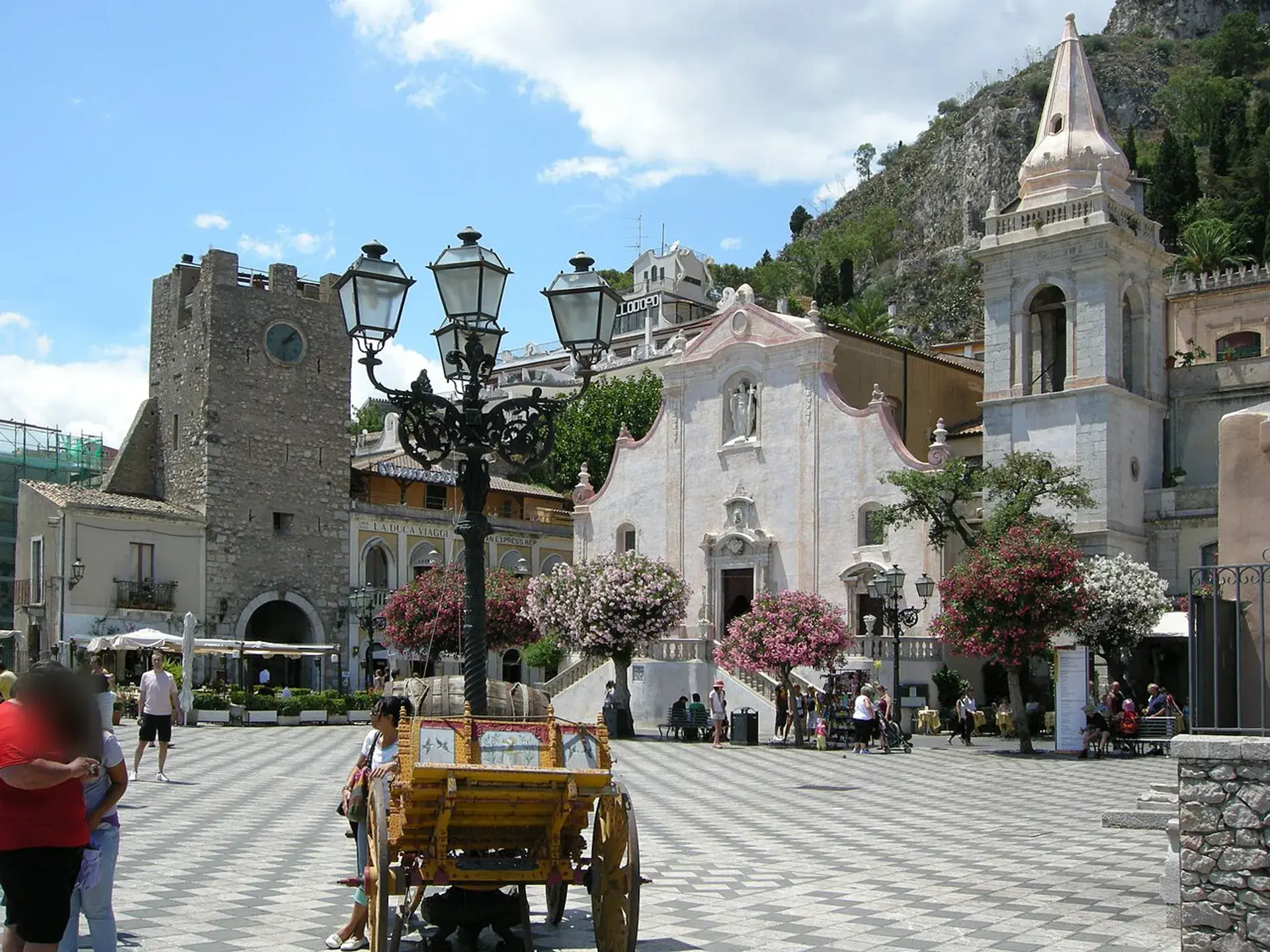
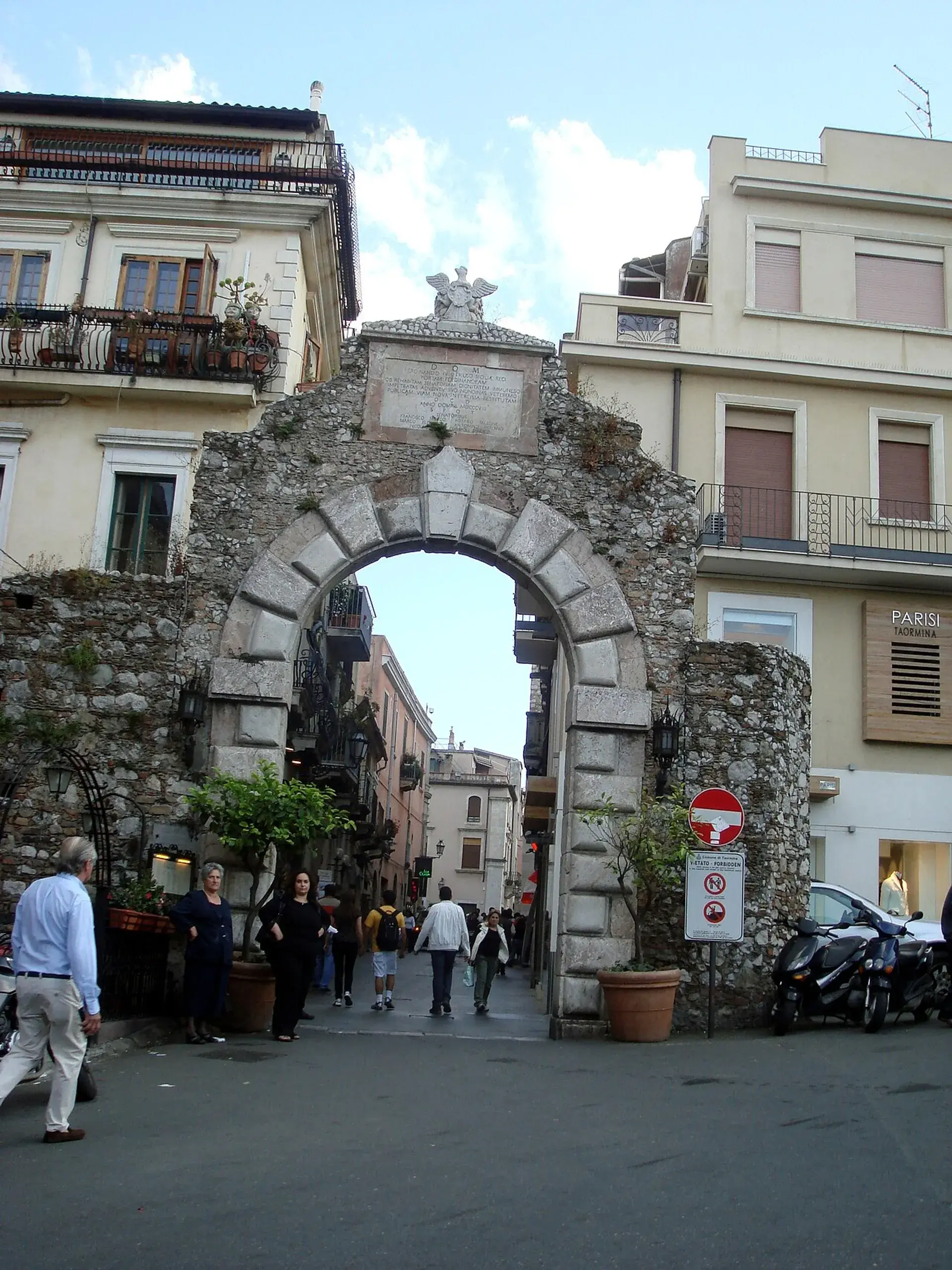
The Cattedrale di San Nicolò di Bari, commonly known as the Duomo di Taormina, stands as the southern architectural anchor of Piazza del Duomo. Situated along Corso Umberto I, roughly 60 metres inside the ancient Porta Catania gate, the basilica occupies a historic axis that traces the route of the Roman Via Consolare Valeria. Elevated to the rank of Minor Basilica by Pope John Paul II in 1980, the cathedral is widely recognized as an ecclesia munita, or fortress church, defined by its massive stone construction and battle-ready appearance.
Architectural Evolution and Defensive Heritage
First constructed in the 13th century atop the remnants of an earlier medieval basilica, the church was designed to double as a fortified place of refuge. Coastal Sicilian settlements frequently faced pirate raids and military incursions, prompting the integration of severe stone-block masonry, a sturdy bell tower, and crenellated battlements running along the entire roofline.
Over the ensuing centuries, the building underwent significant alterations during the 15th, 16th, and 18th centuries, culminating in a distinctive blend of Norman-Arab, Romanesque, Gothic, and Baroque architecture. In the 20th century, a comprehensive restoration directed by architect Armando Dillon concluded in 1948. This effort stripped away heavy 17th-century Baroque stucco additions to expose the original medieval apse arches and historic wooden roof beams.
Exterior and Interior Highlights
The exterior facade combines austere defensive stonework with detailed artistry. The upper level features a Gothic-Renaissance rose window chiseled from pale Syracuse stone. Below, the main Baroque portal, rebuilt in 1636, is flanked by Corinthian columns. Its carved doorjambs display 22 relief figures—11 on each side—depicting the apostles and symbols of the four evangelists.
Inside, the Latin cross layout opens into three naves and three apses beneath an open-timber ceiling. The central nave is separated by six monolithic columns of pink Taormina marble, topped by capitals carved with leaf and fish-scale motifs. Notably, four of these monolithic columns are spolia salvaged from the town's Ancient Greek/Roman Theatre and repurposed during the medieval construction. Local tradition also notes that a venerated Byzantine Madonna icon was immured inside the church walls during the era of Arab rule to safeguard it from destruction, only to be rediscovered centuries later.
Fontana di Piazza Duomo
Directly across from the cathedral stands the Baroque Fontana di Piazza Duomo, also known as the Quattro Fontane. Erected in 1635, the fountain rises in concentric circular steps and two central tiers, flanked by four outer corner basins decorated with water-spouting mythological horses.
The pinnacle of the fountain features the Centauressa, a crowned, bipedal female centaur holding a scepter and an orb. While classical centaurs are traditionally depicted as male, this female figure embodies the civic symbol of Taormina, merging regional heraldry with ancient mythological references.
Visiting Piazza del Duomo
The basilica remains an active Roman Catholic parish and Minor Basilica, hosting regular weekly and holiday liturgical services alongside open daily visiting hours with free admission. Because of its dramatic stone facade and sweeping views extending toward Mount Etna and the Ionian Sea, it is one of the most requested wedding locations in eastern Sicily. Outside, the pedestrian square provides a lively gathering point, framed by open-air cafes, street performers, and the gentle trickle of the historic fountain against the cobblestones.
FAQ
Is admission charged to enter the Cattedrale di San Nicolò di Bari?
No, entry to the cathedral is free of charge during its regular daily visiting hours, which accommodate both sightseeing and scheduled religious services.
Why is the Duomo di Taormina called a fortress cathedral?
Known as an ecclesia munita, the church was built with thick stone-block walls, crenellated battlements, and a massive bell tower so local inhabitants could seek refuge during pirate raids and coastal conflicts.
What is the statue on top of the Piazza del Duomo fountain?
The 1635 fountain is crowned by the Centauressa, a two-legged, crowned female centaur holding a scepter and an orb, which serves as the official civic emblem of Taormina.
Are there ancient ruins incorporated into the cathedral?
Yes, four of the six monolithic pink Taormina marble columns lining the central nave are spolia reclaimed from the Ancient Greek/Roman Theatre of Taormina.