Teatro Olimpico Vicenza: Palladio's Masterpiece
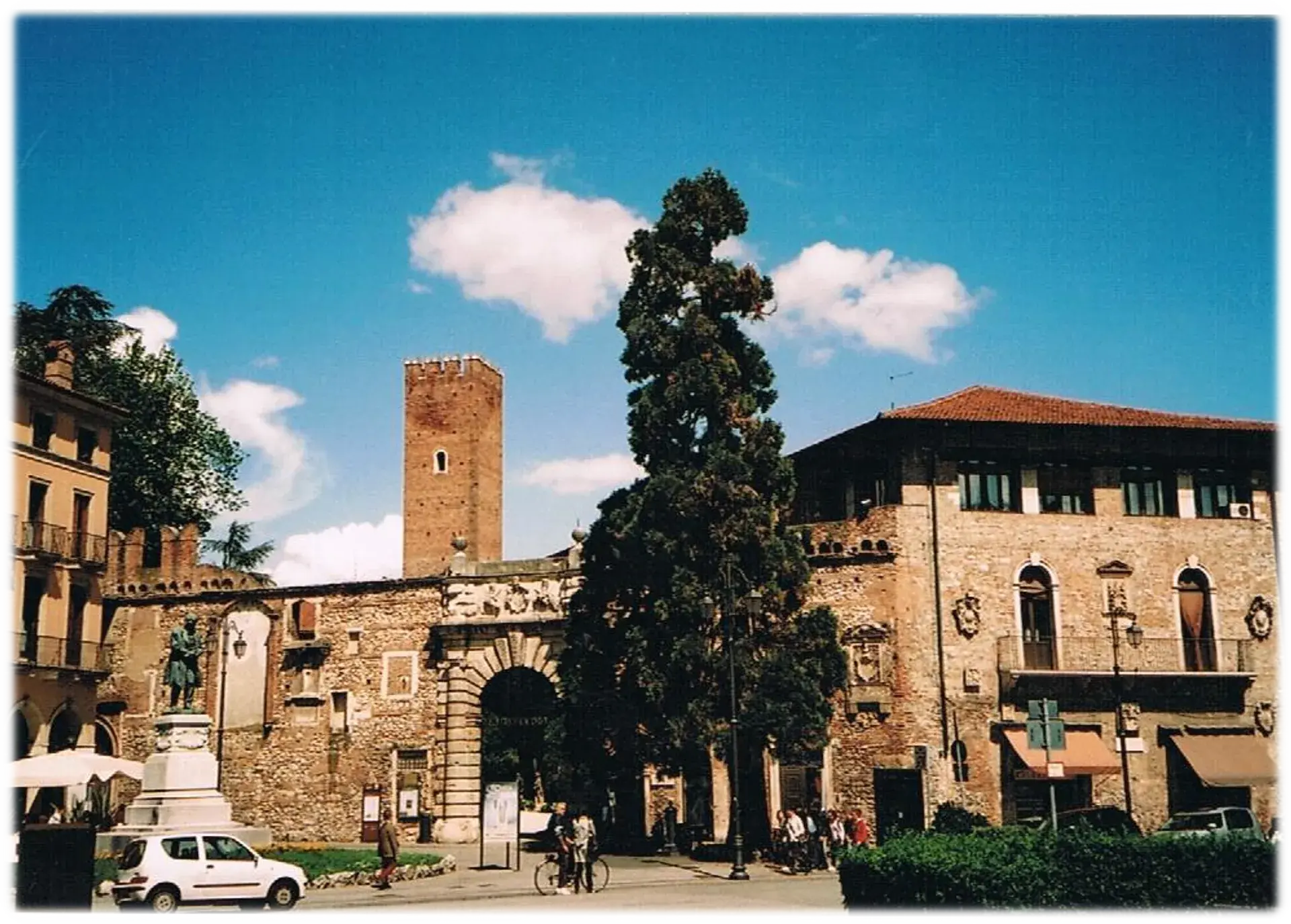
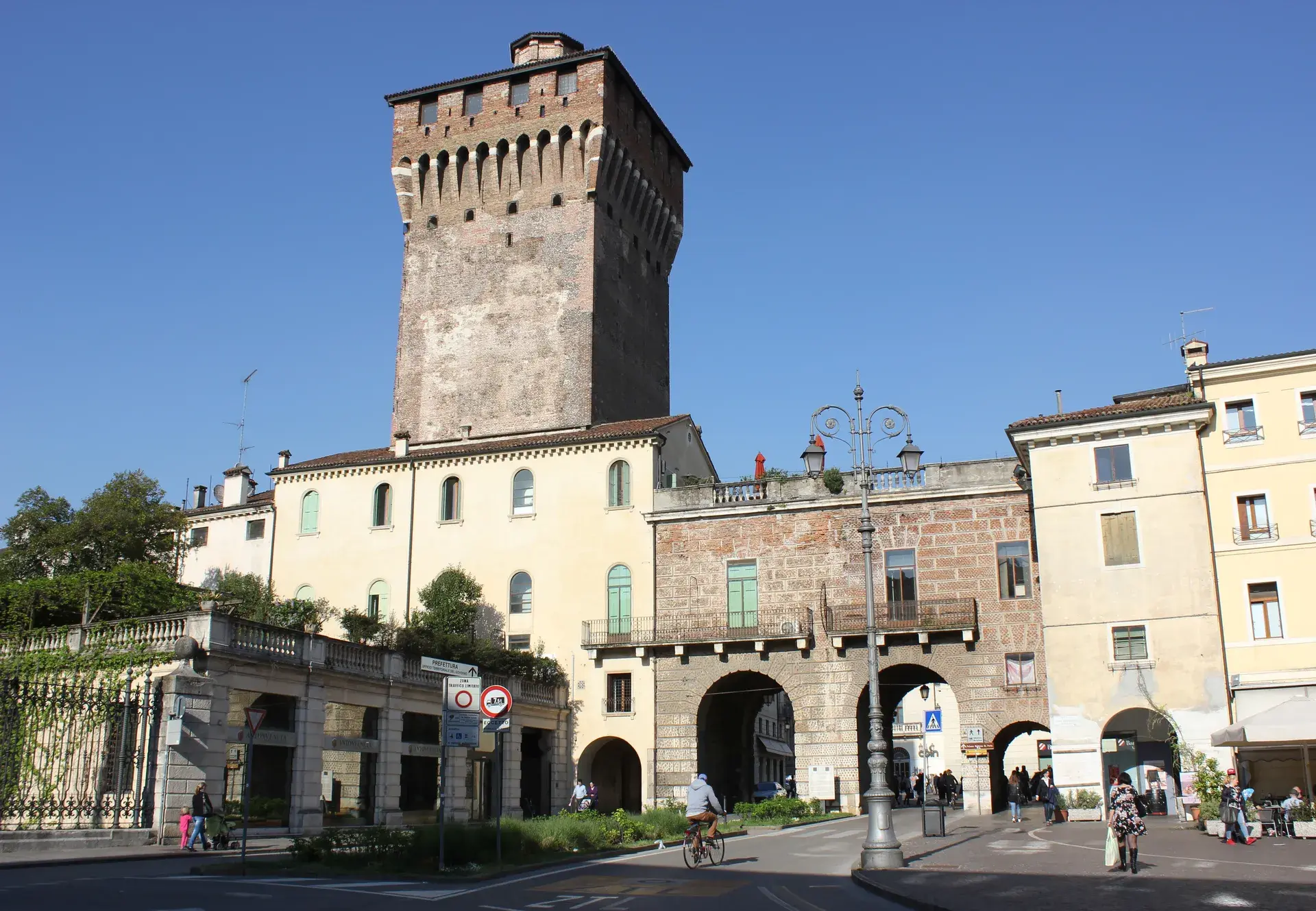
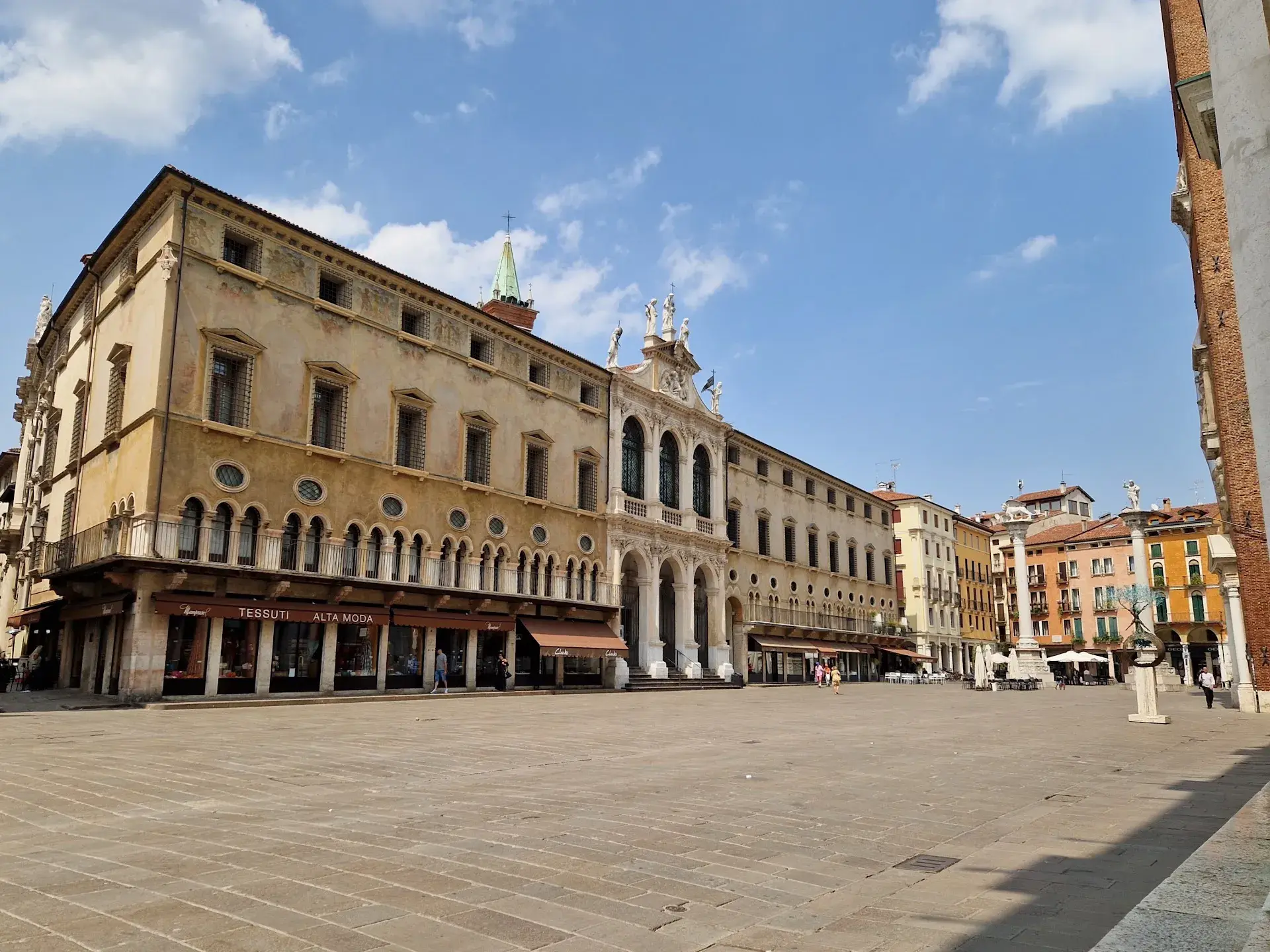
Standing at the eastern edge of Vicenza's historic center in Piazza Matteotti, Teatro Olimpico holds the title of the world's oldest surviving enclosed Renaissance indoor theater made of masonry. Designated as a UNESCO World Heritage site in 1994, the building resides within the remaining walls of a medieval fortress that once served as a municipal prison. Today, it serves as the culminating landmark on the classic Palladian itinerary that links the Piazza dei Signori and Palazzo Chiericati across the city.
Palladio's Final Vision
In February 1580, the Accademia Olimpica—a humanist society of Vicentine intellectuals—commissioned a permanent indoor stage to revive classical drama. Andrea Palladio, a founding member of the society, took on the project. Drawing inspiration from Vitruvius's writings on open-air semi-circular theaters, Palladio adapted these classical principles into a flattened, semi-elliptical indoor space to fit the irregular footprint of the abandoned fortress.
The theater features an elliptical wooden auditorium, or cavea, composed of 13 steep seating tiers. This seating area is crowned by a Corinthian colonnade adorned with statues. Facing the auditorium is a monumental, two-tier proscenium facade pierced by a central triumphal arch and flanked by smaller arched portals. Palladio passed away in August 1580 before the project's conclusion, leaving his son Silla Palladio and architect Vincenzo Scamozzi to oversee its completion.
The Illusion of Ancient Thebes
For the theater's inauguration on March 3, 1585, which featured a staging of Sophocles's 'Oedipus the King', Vincenzo Scamozzi designed three-dimensional perspective sets. Constructed of wood and stucco, the scenery fans out into seven illusionistic streets representing ancient Thebes. The wooden street vistas recede sharply at steep, upward-sloping angles, creating a trompe-l'œil forced perspective that tricks the human eye into perceiving long city avenues within just a few meters of physical depth.
Originally intended as temporary stage scenery for the premiere, Scamozzi's wooden perspectives survived centuries of neglect, fire hazards, and World War II air raids. During that 1585 opening night, Scamozzi also implemented a bespoke oil-lamp lighting system hidden behind the architectural facades. This illuminated the faux windows, giving the miniature streets the illusion of an inhabited skyline.
A Modern Cultural Landmark
Managed by the Civic Museums of Vicenza, the theater welcomes visitors Tuesday through Sunday. Regular admission includes the Palladio Olimpico Project (POP), a 10-minute multimedia light and sound show. The contrast between the plain, rustic courtyard entrance and the intricately detailed classical amphitheater topped by a painted illusionistic sky remains a striking architectural achievement.
Beyond its museum status, Teatro Olimpico continues to function as an active performance venue. With a seating capacity of approximately 400, it hosts classical theater, chamber music, and opera festivals, including Settimane Musicali al Teatro Olimpico and Vicenza in Lirica. Its remarkably preserved interior has also captured the attention of filmmakers, notably serving as an academic lecture hall in Lasse Hallström's 2005 film 'Casanova'.
FAQ
When was Teatro Olimpico built?
Commissioned in 1580, it was Andrea Palladio's final project. After his death, architect Vincenzo Scamozzi completed the theater, which officially opened in 1585.
Are the stage sets at Teatro Olimpico original?
Yes, the 3D wooden street perspectives designed by Vincenzo Scamozzi for the 1585 premiere remain in place. Originally intended as temporary scenery, they survived centuries of neglect and World War II air raids.
Can the public attend performances at Teatro Olimpico?
Yes, the theater remains an active performance venue with a 400-seat capacity, hosting classical theater, chamber music, and opera festivals such as Vicenza in Lirica.
What is the Palladio Olimpico Project (POP)?
The Palladio Olimpico Project is a 10-minute multimedia light and sound show included with regular admission, offering a unique sensory presentation of the historic space.