Mexico City Metropolitan Cathedral: A Historic Guide
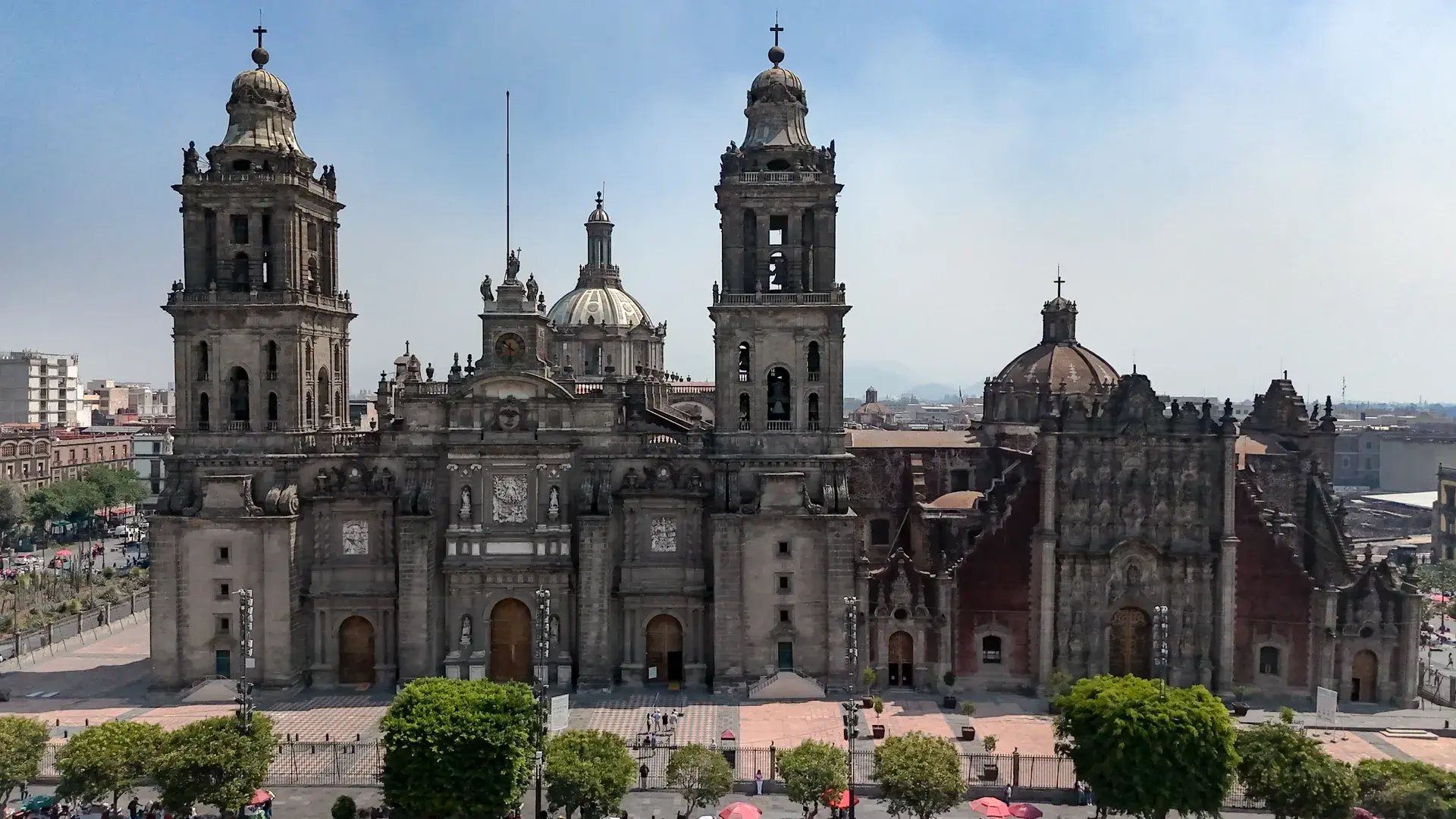
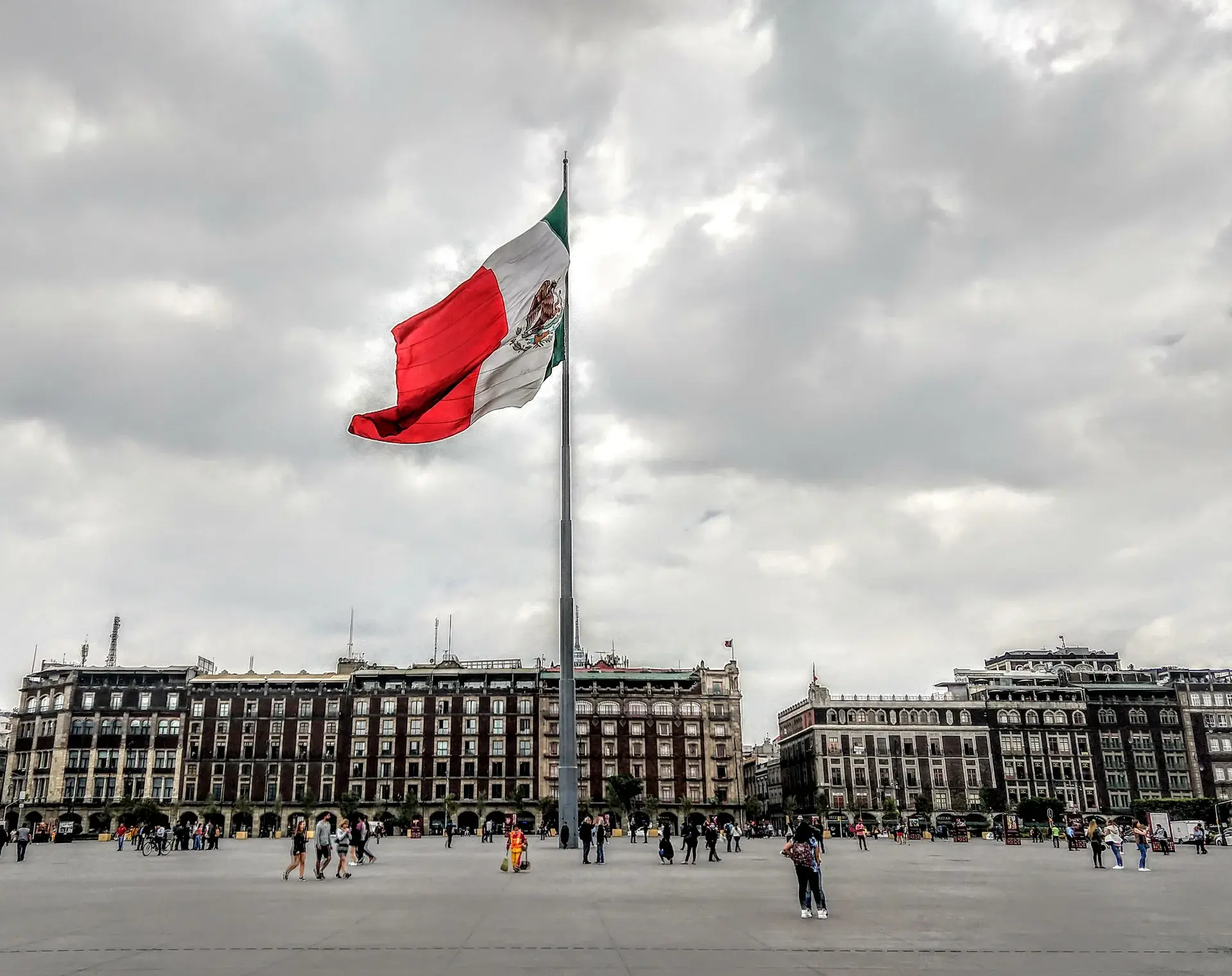
The Mexico City Metropolitan Cathedral, officially the Metropolitan Cathedral of the Assumption of the Most Blessed Virgin Mary into Heaven, stands as a monumental landmark on the north side of the Plaza de la Constitución, or Zócalo. As the largest and oldest cathedral in Latin America, it serves as the seat of the Catholic Archdiocese of Mexico and a testament to the city's layered history.
A Foundation of Conquest
The cathedral's origins are deeply tied to the Spanish conquest of the Aztec Empire. Following the fall of Tenochtitlan in 1521, Hernán Cortés commissioned the construction of a church on the sacred precinct of the Aztecs, near the Templo Mayor. An initial church was built between 1524 and 1532. To symbolize the imposition of Christianity and Spanish dominion, stones from the dismantled Aztec temples were repurposed for the cathedral's foundation and walls, literally building a new religious center from the ruins of the old.
Centuries of Architectural Evolution
Construction of the grand cathedral that stands today began in 1573 and was not completed until 1813, a span of 240 years. This prolonged building period resulted in an architectural masterpiece that blends Gothic, Plateresque, Baroque, and Neoclassical styles. Spanish architect Claudio de Arciniega planned the initial Gothic-inspired design. Centuries later, Manuel Tolsá contributed the final Neoclassical elements, including the iconic cupola and central clock tower. The massive structure measures approximately 128 meters long, 67 meters wide, and reaches a height of 67 meters at its twin bell towers.
The Challenge of a Sinking Foundation
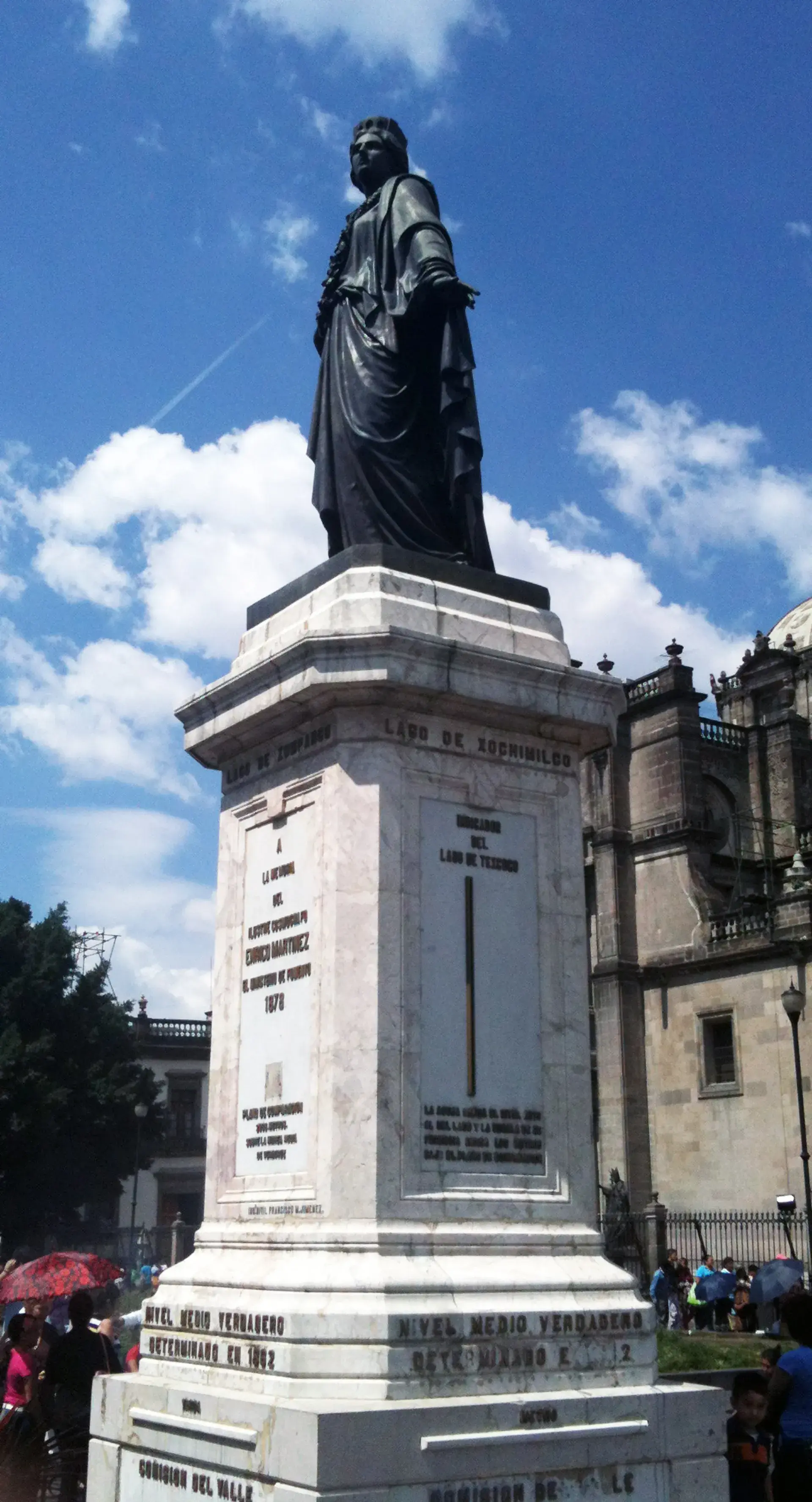
Built upon the soft, spongy subsoil of the former Lake Texcoco, the cathedral has been sinking since its construction. This uneven subsidence created significant structural challenges, causing the building to tilt perilously. At one point, the bell-tower end had sunk nearly eight feet deeper than the rear. A major engineering project in the 1990s stabilized the structure by excavating subsoil, allowing the cathedral to settle more uniformly and correcting its dangerous tilt.
Interior Treasures and Discoveries
The cathedral's interior houses significant artistic and historical treasures. The ornate Altar of the Kings, created by Jerónimo de Balbás between 1718 and 1737, is a masterwork of Churrigueresque Baroque art. The cathedral also contains two of the largest 18th-century organs in the Americas, crafted by José Nassarre. During restoration work in 2023, a fascinating discovery was made: 23 lead boxes containing religious relics and inscriptions were found hidden at the base of the lantern. A note inside one indicated they were placed there in 1810 by workers seeking divine protection for the building.
A Living Landmark
Today, the Metropolitan Cathedral is a vibrant center for both faith and culture. It remains an active church where locals attend mass, while also drawing tourists from around the globe. Guided tours, which sometimes include access to the bell towers for panoramic city views, are available. The cathedral's crypt serves as the final resting place for historical figures, including independence heroes Miguel Hidalgo y Costilla and José María Morelos. Archaeological excavations around the site continue to unearth remnants of the Aztec sacred precinct, including a skull rack (tzompantli) and a ball court, reminding visitors of the deep history that lies beneath.
FAQ
Why is the Mexico City Cathedral sinking?
The cathedral was constructed on the soft, spongy subsoil of the former Lake Texcoco. This unstable ground has caused the massive structure to sink unevenly since it was built.
What is the Mexico City Cathedral built from?
The cathedral was built using materials, including stones, repurposed from destroyed Aztec temples that once stood on the site, including the Templo Mayor.
How long did it take to build the Metropolitan Cathedral?
The construction process was a multi-generational effort that spanned 240 years, beginning in 1573 and reaching completion in 1813.
What is underneath the Metropolitan Cathedral?
The cathedral was built over the sacred precinct of the Aztec capital, Tenochtitlan. Archaeological excavations have revealed remnants of major Aztec structures, including the Templo Mayor, directly beneath and around the colonial building.