Zócalo (Plaza de la Constitución): Mexico City's Heart
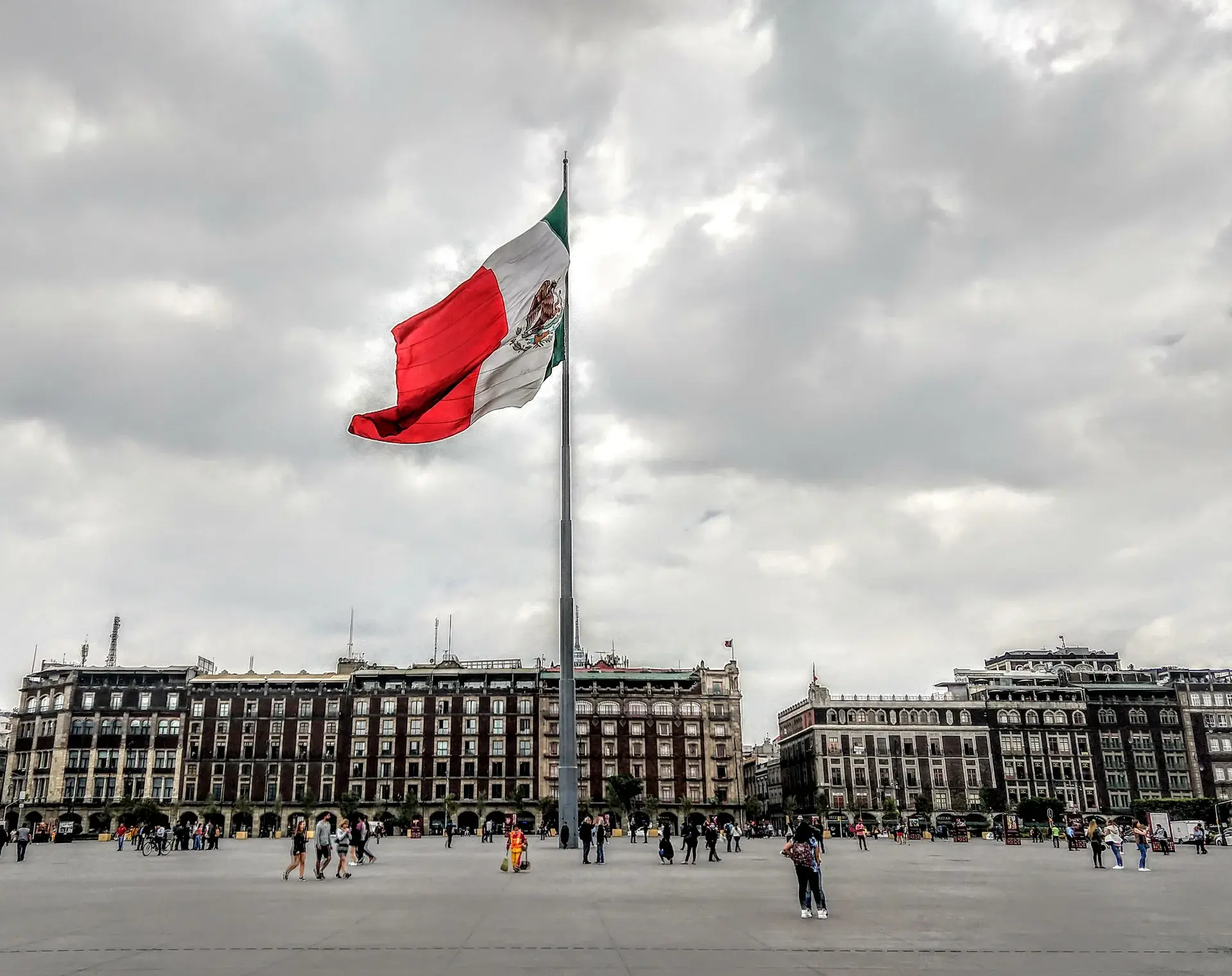
Officially known as the Plaza de la Constitución, the Zócalo is the vast main square and beating heart of Mexico City. Spanning 57,600 square meters, it is one of the largest city squares in the world and has served as the city's geographical and cultural center for nearly 700 years.
From Tenochtitlan to New Spain
Before the arrival of the Spanish, this area was the ceremonial center of the Aztec capital, Tenochtitlan. It was bordered by the grand palaces of emperors, including Moctezuma II. After the Spanish conquest in 1521, Hernán Cortés ordered the new colonial city's plaza to be built directly on top of the Aztec ruins. The Spanish planner Alonso Garcia Bravo laid out the square, and construction began between 1521 and 1523, using stones from the dismantled Aztec structures.
During the Viceroyalty of New Spain, the plaza was known as the Plaza Mayor. It functioned as a bustling market, a stage for official proclamations, and a site for public executions. The square has endured significant challenges, including a massive flood in 1629 that left it submerged under two meters of water for five years.
The Origin of the Name "Zócalo"
Following Mexican Independence, the square was formally named Plaza de la Constitución in honor of the Spanish Cádiz Constitution of 1812. However, its more common name, Zócalo, has a unique origin. In 1843, President Antonio López de Santa Anna commissioned a monument to Mexican Independence in the center of the plaza. The project was never completed, and only the stone base, or 'zócalo' in Spanish, was ever built. The base remained for years, and citizens began referring to the square by the name of the plinth. The name stuck, even long after the base was removed.
Architectural and Historical Landmarks
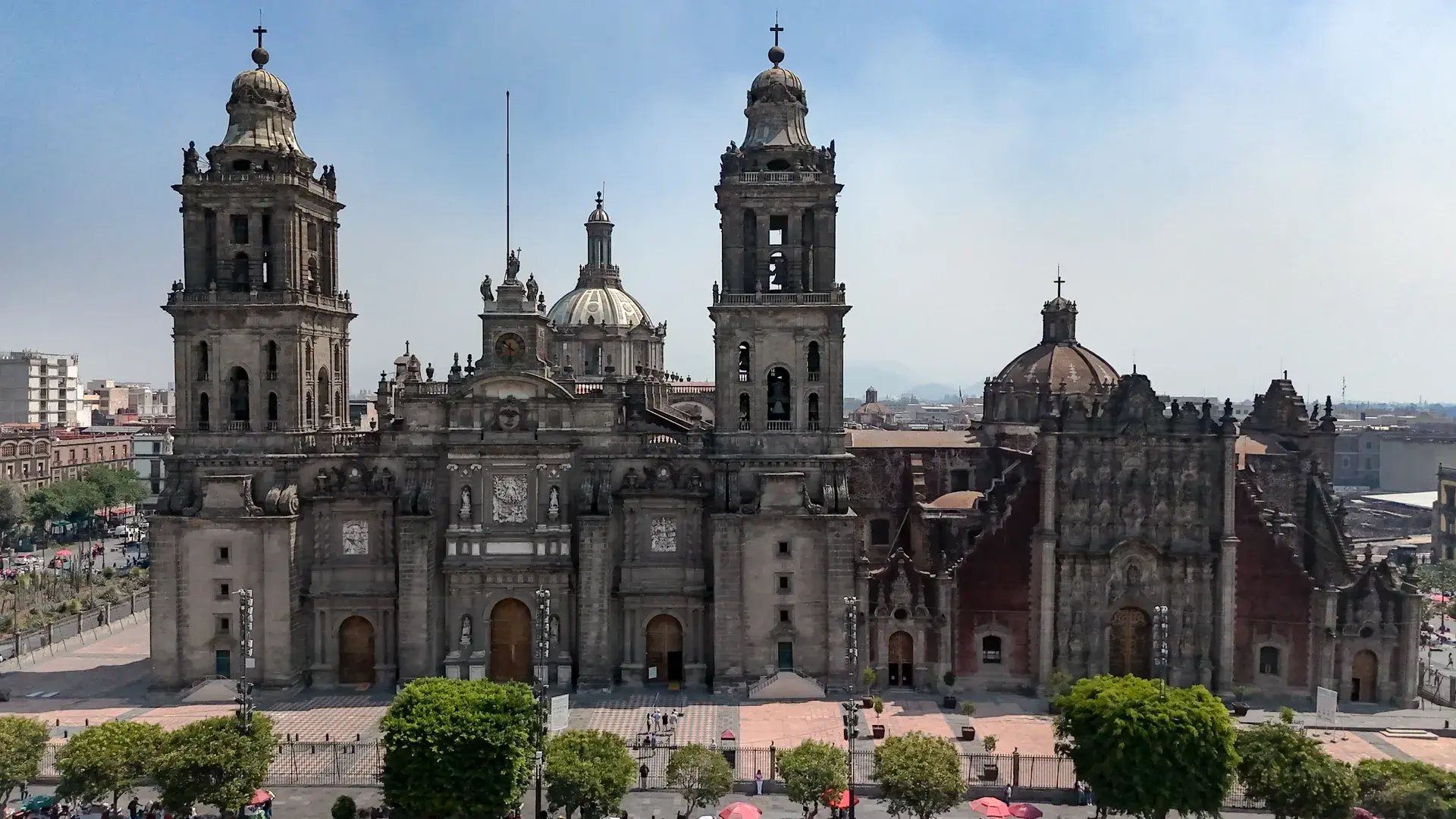
The Zócalo is bordered by some of Mexico's most important buildings. To the north stands the Metropolitan Cathedral, with construction starting in 1573. To the east is the National Palace, the seat of the Mexican government, which was built on the site of Moctezuma II's original palace and largely rebuilt in the late 17th century.
Just one block from the square lies the Templo Mayor, the main temple of the Aztecs. Its ruins were accidentally rediscovered in 1978 by utility workers who unearthed a large stone sculpture of the goddess Coyolxauhqui. This led to the excavation of what the Aztecs considered the center of their universe.
The Zócalo Today
Today, the Zócalo remains the vibrant center of public life in Mexico City. It is a venue for cultural events, political demonstrations, and national celebrations. Each day, soldiers from the Mexican army perform a ceremonial raising and lowering of a colossal Mexican flag in the square's center.
The most significant annual event is Mexican Independence Day on September 15th and 16th. Thousands gather to witness the President deliver the traditional 'Grito de Independencia' (Cry of Independence) from the central balcony of the National Palace. The square is also a place where visitors can see impromptu performances by 'Danzantes Aztecas,' who continue pre-Hispanic traditions.
FAQ
Why is the main square in Mexico City called the Zócalo?
Its popular name, Zócalo, means "plinth" or "base." It comes from the stone base of an unfinished monument to Mexican Independence commissioned in 1843. The monument was never completed, but the name for the base became the name for the square.
What is the official name of the Zócalo?
The official name is Plaza de la Constitución. It was named in reference to the Spanish Cádiz Constitution of 1812, not a Mexican constitution.
What was on the site of the Zócalo before the Spanish conquest?
The site was the main ceremonial center of the Aztec capital, Tenochtitlan. It was surrounded by significant structures, including the palaces of Aztec emperors like Moctezuma II.
What major event happens at the Zócalo on Independence Day?
The Zócalo is the focal point for Mexican Independence Day celebrations. On the evening of September 15th, the President of Mexico delivers the 'Grito de Independencia' from the balcony of the National Palace to massive crowds gathered in the square.