Monumento a Enrico Martínez in Mexico City
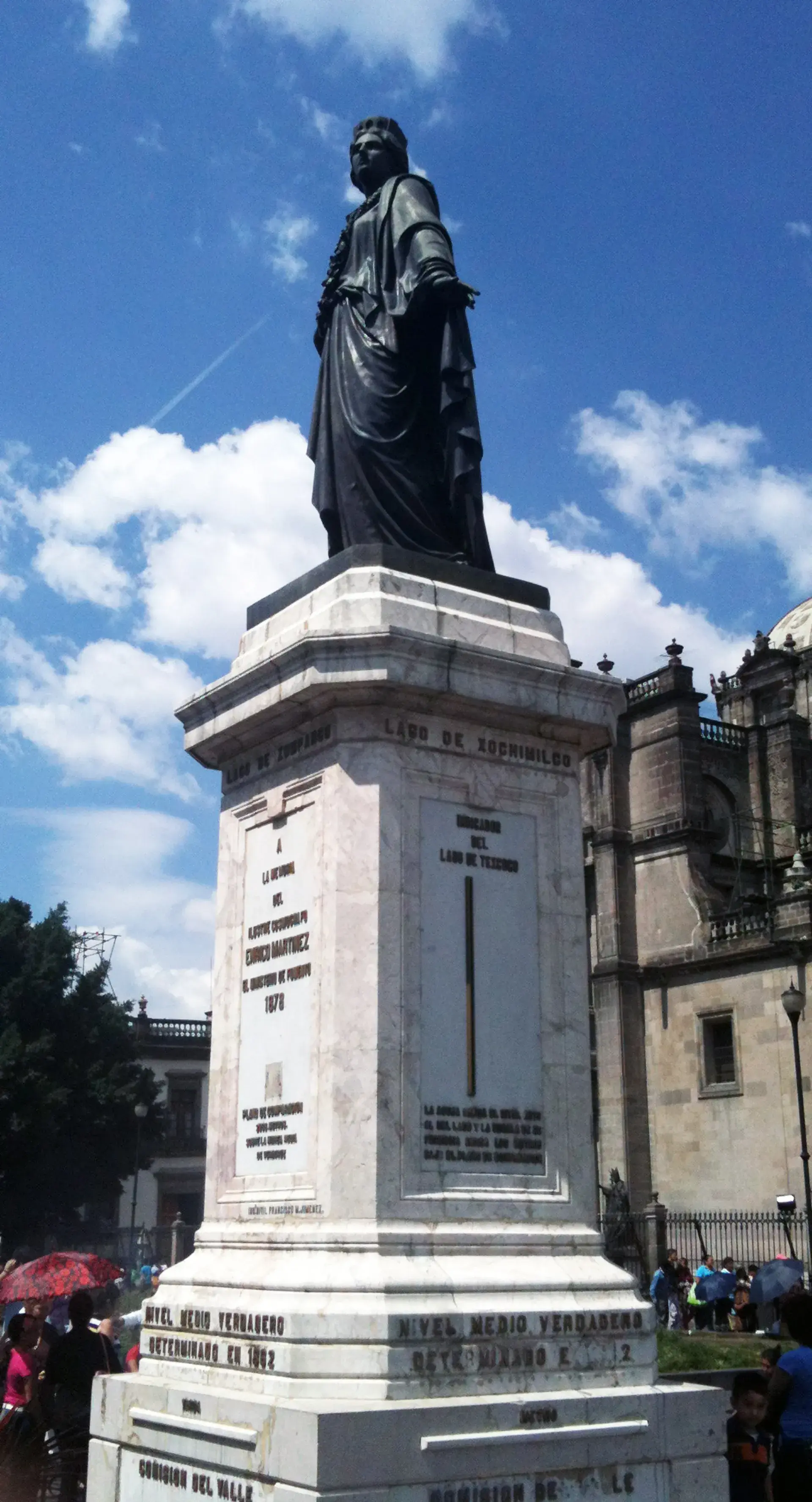
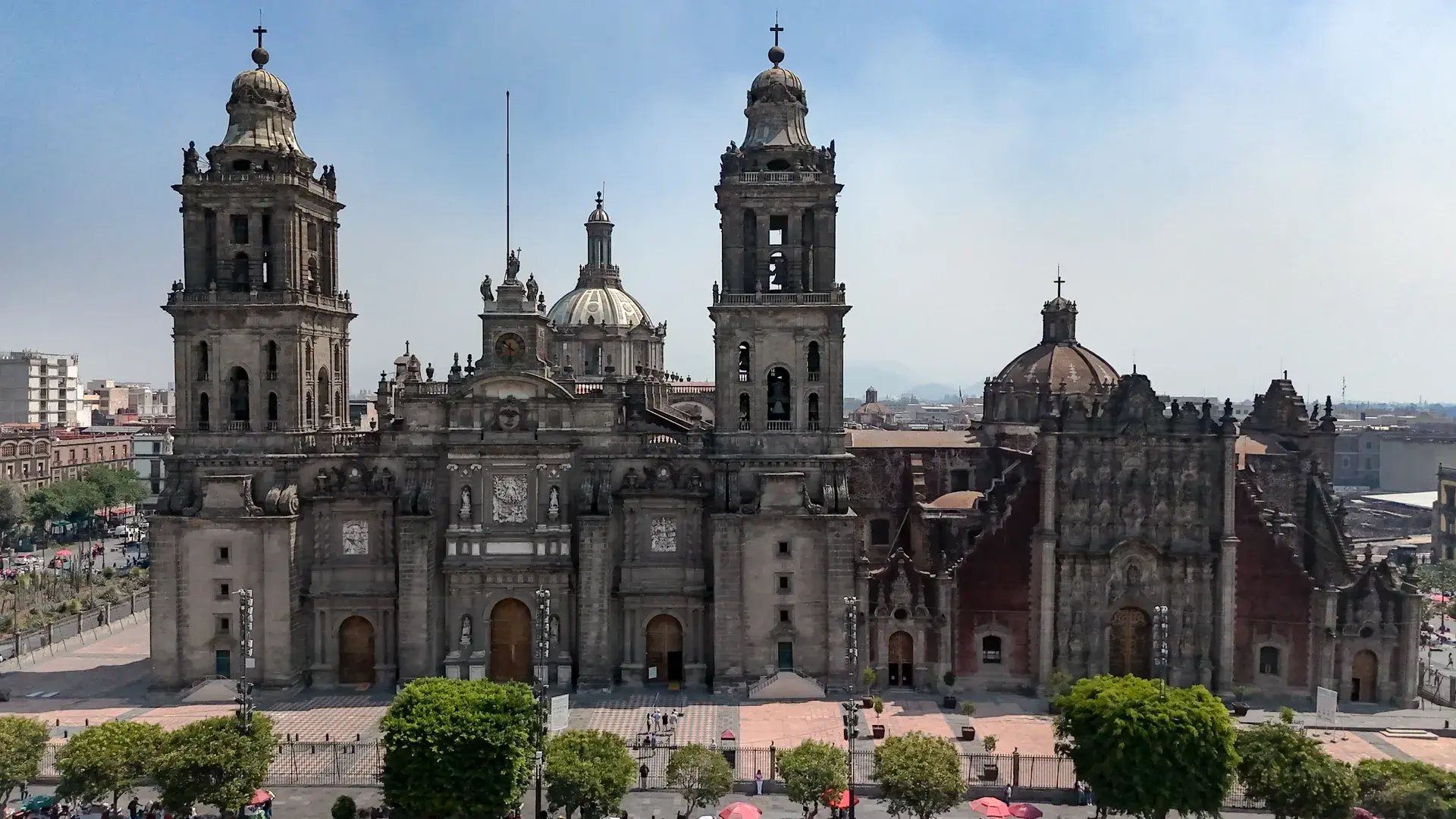
Located southwest of the Metropolitan Cathedral in Mexico City, the Monumento a Enrico Martínez stands as a Neoclassical testament to the city's enduring and often difficult relationship with water. This public landmark commemorates the complex legacy of a 17th-century engineer and the foundational challenges of a metropolis built on a lakebed.
A History of Floods and Engineering
The monument honors Enrico Martínez (c. 1550-1632), a royal cosmographer and hydraulic engineer. In 1607, Viceroy Don Luis de Velasco commissioned Martínez to undertake a massive project: draining the Valley of Mexico to protect the city from constant, devastating floods. Martínez's initial drainage tunnels, completed in 1609, were beset by structural problems.
This engineering effort culminated in tragedy in 1629 when the tunnels collapsed. The failure led to a catastrophic flood that submerged Mexico City for five years, resulting in an estimated 30,000 deaths. Martínez was even briefly imprisoned under suspicion of having deliberately caused the disaster.
Creation of the Monument
Decades later, during the presidency of Porfirio Díaz, politician Vicente Riva Palacio initiated the monument's creation in 1877 to recognize Martínez's pioneering, albeit tragic, efforts. Inaugurated on May 5, 1881, the monument was designed by architect Francisco Jiménez and features a prominent bronze sculpture of Martínez created by Miguel Noreña, who also sculpted the Monument to Cuauhtémoc.
A Relocated Hypsographic Marker
The pedestal was originally designed as a hypsographic monument, intended to display the fluctuating water levels of the historical lakes. It was also meant to mark Mexico's 'Kilometer Zero' for cartographic measurements. However, the monument was moved in 1925 from its original location at Moneda and Seminario Streets to its current position.
This relocation rendered its water level indicators obsolete. Today, visitors can still see etched geographical coordinates and various units of measurement on its base, including the meter, yard, and the traditional Spanish 'vara', serving as a reminder of its original scientific purpose.
The Monument in Modern Times
Today, the Monumento a Enrico Martínez is a freely accessible public landmark in the city's historic center. While its primary function is historical, it remains a part of contemporary urban life and has occasionally been the site of feminist protest graffiti. It serves as a tangible symbol of Mexico City's continuous struggle with its unique geology and its history of water management.
FAQ
Who was Enrico Martínez?
Enrico Martínez (c. 1550-1632) was a royal cosmographer, publisher, interpreter for the Spanish Inquisition, and hydraulic engineer. He was commissioned in 1607 to create a drainage system for the Valley of Mexico.
Why is the monument to Enrico Martínez controversial?
The monument honors the engineer whose major drainage project catastrophically failed in 1629. The tunnel collapse led to a flood that submerged Mexico City for five years and caused an estimated 30,000 deaths.
When was the Monumento a Enrico Martínez built?
Construction on the monument began in 1877. It was designed by architect Francisco Jiménez with a sculpture by Miguel Noreña and was inaugurated on May 5, 1881.
Does the monument still measure water levels?
No. It was originally designed as a hypsographic marker to show lake levels, but it was relocated in 1925. This move made its water-level indicators inaccurate and obsolete.