Sagrario Metropolitano: A Sinking Baroque Masterpiece
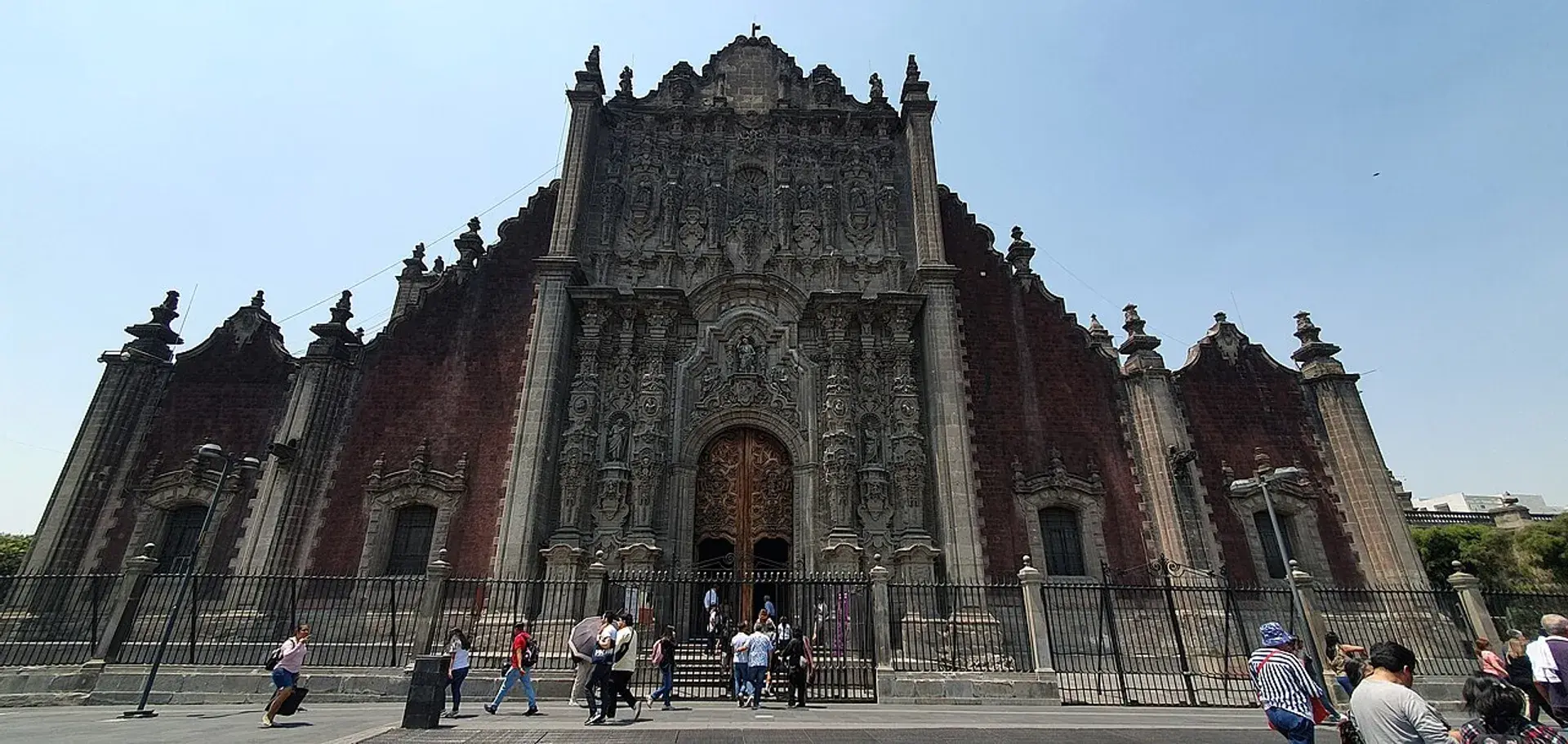
Adjacent to the grand Mexico City Metropolitan Cathedral stands the Parroquia de la Asunción Sagrario Metropolitano, a stunning example of Baroque architecture. Constructed in the mid-18th century, this building serves as an active parish church and showcases one of the most elaborate facades in the Americas.
A Masterpiece of Mexican Churrigueresque
The Sagrario Metropolitano was built between approximately 1749 and 1769, designed by the Spanish architect Lorenzo Rodríguez. Rodríguez was a pivotal figure in developing the ultra-Baroque style known as Mexican Churrigueresque, and the Sagrario is considered his masterwork. Its lavishly carved facades are a testament to this style, exceeding even the richness of its Andalusian predecessors.
Unlike the neighboring cathedral, which received royal funding, the Sagrario's construction was financed through the generosity of individual donors, local alms, and the sale of lottery tickets. The building was originally conceived to house the archbishop's archives and vestments, and to serve as the parish church for administering sacraments.
Layers of History: From Aztec Temple to Sinking Church
The Sagrario Metropolitano embodies the layers of Mexico City's history. It was constructed directly over the ruins of an ancient Aztec temple dedicated to the sun god, Tonatihu. In the church's basement, viewing windows allow glimpses of this pre-Hispanic past, revealing sections of the temple's sloping walls and a pink andesite tombstone with a solar disc.
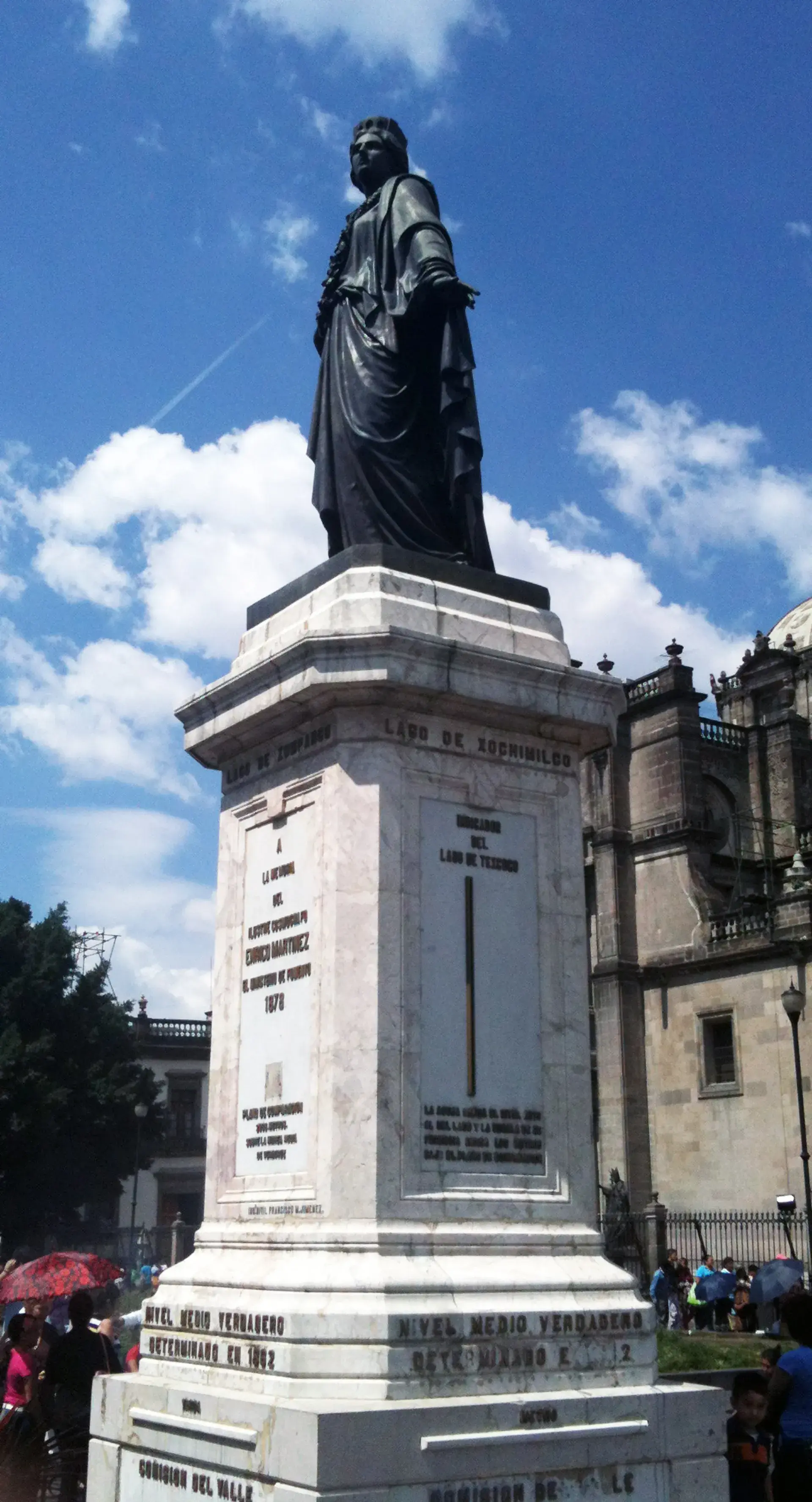
The church also shares a significant challenge with the city itself: it is continuously sinking. Built upon the unstable lakebed of the former Aztec capital, Tenochtitlan, the structure has suffered from severe differential settlement. By 1989, some sections had sunk by as much as 2.4 meters. To combat this, engineers in the 1990s implemented an innovative 'underexcavation' technique, a method later used to stabilize the Leaning Tower of Pisa.
The Sagrario Today
Today, the Sagrario Metropolitano continues its centuries-old function as the active parish church, Parroquia Asunción de María. It regularly hosts Catholic sacraments like baptisms, marriages, and Eucharist celebrations, as well as catechesis programs for youth.
In addition to its religious role, the building houses what is reputed to be the oldest and largest architectural archive in Latin America. As of August 2023, the Sagrario also features a pinacoteca, or art gallery, displaying 16 oil paintings with curatorial support from Mexico's National Institute of Anthropology and History (INAH).
FAQ
What is the Sagrario Metropolitano?
It is an 18th-century parish church adjacent to the Mexico City Metropolitan Cathedral, renowned for its elaborate Mexican Churrigueresque (ultra-Baroque) architecture.
Why is the Sagrario Metropolitano sinking?
The church was built on the unstable lakebed of the former Aztec capital, Tenochtitlan. The sinking is exacerbated by regional groundwater extraction, a problem affecting many historic buildings in the area.
What lies beneath the Sagrario Metropolitano?
The church stands directly on the ruins of an Aztec temple dedicated to the Sun (Tonatihu). Portions of the ancient temple are visible through viewing windows in the basement.
Who designed the Sagrario Metropolitano?
Its design is attributed to the Spanish architect Lorenzo Rodríguez, a key figure who pioneered the Mexican Churrigueresque style in New Spain.