Temple of Santo Domingo de Guzmán: A Historic Landmark
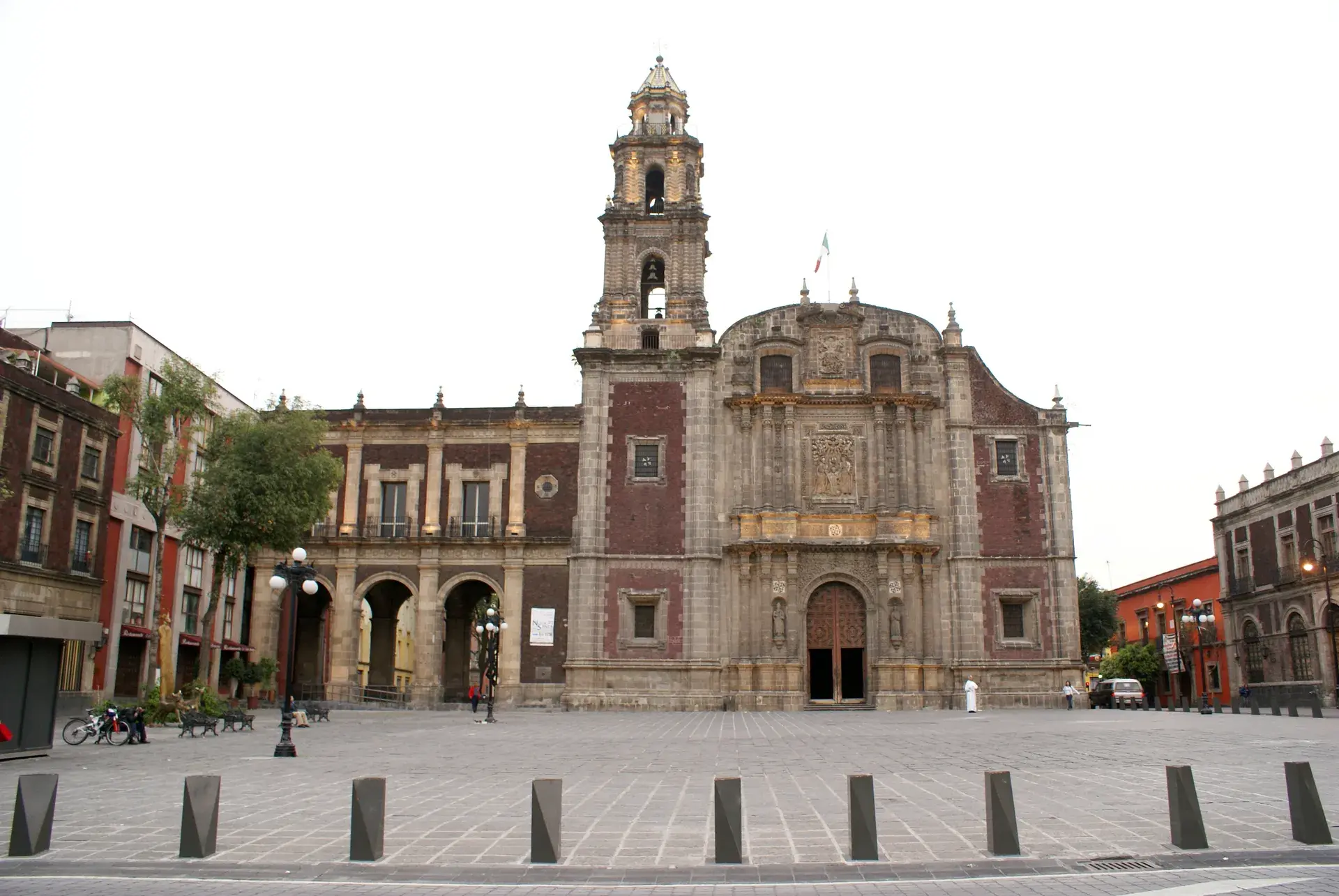
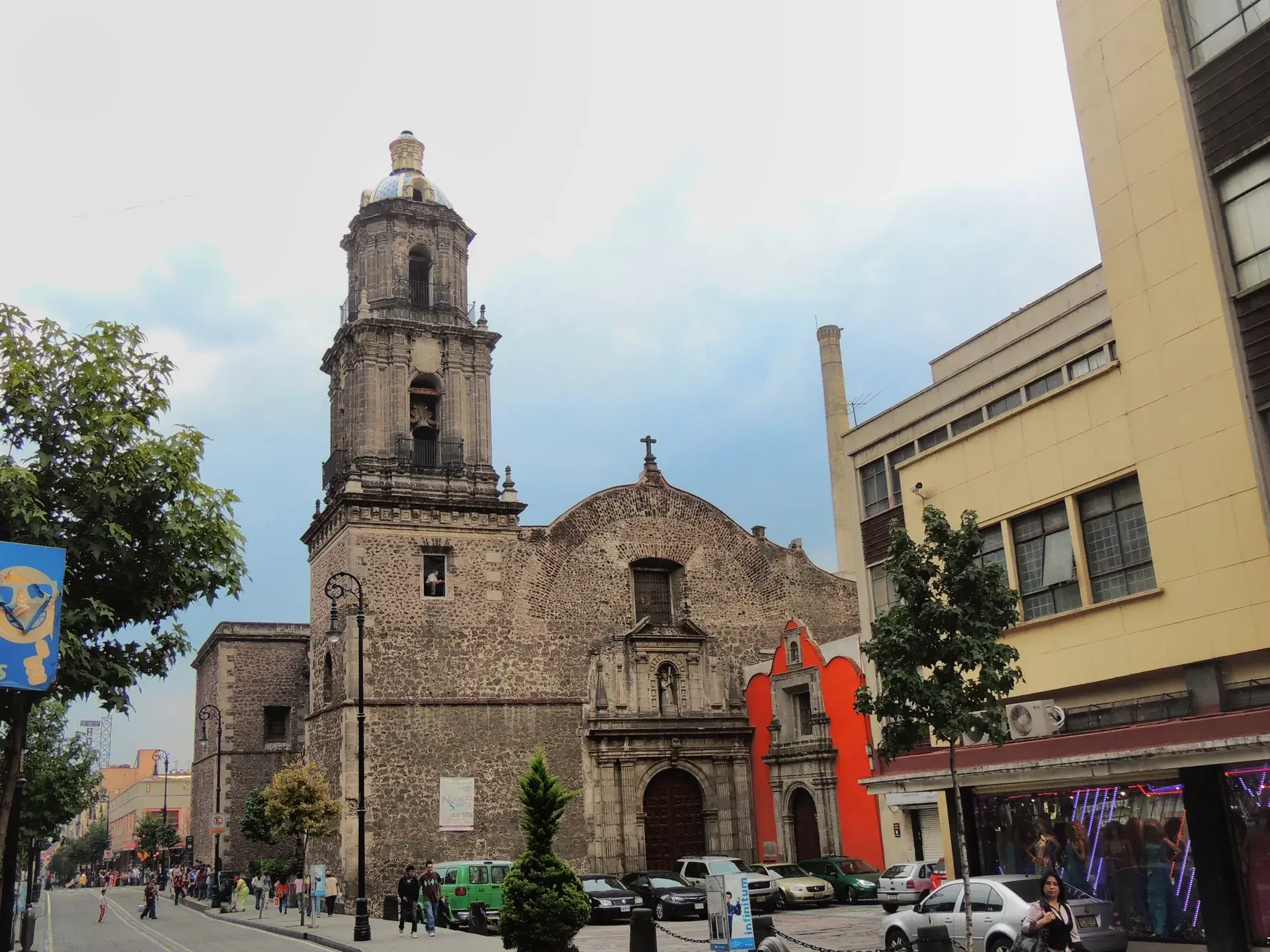
Gaze upon the stoic stone facade of the 16th-century Temple of Santo Domingo de Guzmán, a powerful symbol of colonial dominance erected on land once central to Aztec ceremonial life. Located in the Plaza de Santo Domingo, this church and its surroundings encapsulate centuries of Mexico City's layered history.
From Aztec Gardens to a Colonial Monastery
The site of the Plaza de Santo Domingo is steeped in history, reputedly occupying the former garden area of Cuauhtémoc, the last Aztec Emperor. The area's transformation began with the arrival of Dominican friars in New Spain in July 1526. They established their monastery here in 1527, marking a pivotal moment in the region's evangelization. In a significant display of reverence, conquistador Hernán Cortés is said to have knelt before the friars to set an example for the indigenous population.
Architectural Grandeur
The current Church of Santo Domingo is the third to be built on this location. Its construction began in 1717 and was completed in 1736 under the direction of acclaimed Spanish architect Pedro de Arrieta. The Baroque-style facade is a striking combination of blood-colored volcanic tezontle stone and contrasting white/grey cantera stone. Inside, the main altarpiece is a notable Neoclassical work created by Manuel Tolsá.
A Center of Colonial Power
During the colonial era, the Plaza de Santo Domingo was a significant administrative and religious hub. It served as the setting for the grim Autos de Fe of the Spanish Inquisition, which were public ceremonies where individuals convicted of religious crimes received their sentences. The plaza is surrounded by other important historical structures, including the former Palace of the Inquisition, also designed by Pedro de Arrieta, which now houses the Museum of Mexican Medicine.
The Plaza Today
Today, the Plaza de Santo Domingo remains a vibrant public space, offering a less chaotic alternative to the nearby Zócalo. In the center of the square stands a fountain with a statue of Josefa Ortiz de Domínguez, a heroine of the Mexican War of Independence, which was placed there in 1890.
On the west side of the plaza, under the Portal de Evangelistas, a unique tradition persists. Here, public scribes operate with typewriters and antique printing machines, offering services that range from drafting letters for the illiterate to printing invitations. While this tradition continues, the area is also known for an informal industry of document falsification.
FAQ
When was the current Temple of Santo Domingo de Guzmán built?
The current Baroque-style church is the third to be built on this site. Its construction began in 1717 and was completed in 1736.
Who designed the Temple of Santo Domingo?
The renowned Spanish architect Pedro de Arrieta designed the current church. He also designed the nearby Palace of the Inquisition, which is now the Museum of Mexican Medicine.
What is the historical significance of the Plaza de Santo Domingo?
The plaza is located on a site believed to have been the gardens of the last Aztec Emperor, Cuauhtémoc. During the colonial period, it was a major religious center and the location for the Spanish Inquisition's public sentencing ceremonies.
What are the scribes at the Plaza de Santo Domingo?
Under the Portal de Evangelistas, public scribes use typewriters and old printing presses to draft documents, letters, and print materials for clients. This traditional service exists alongside a notorious informal market for counterfeit documents.