Stari Bar Aqueduct: An Ottoman Relic in Montenegro
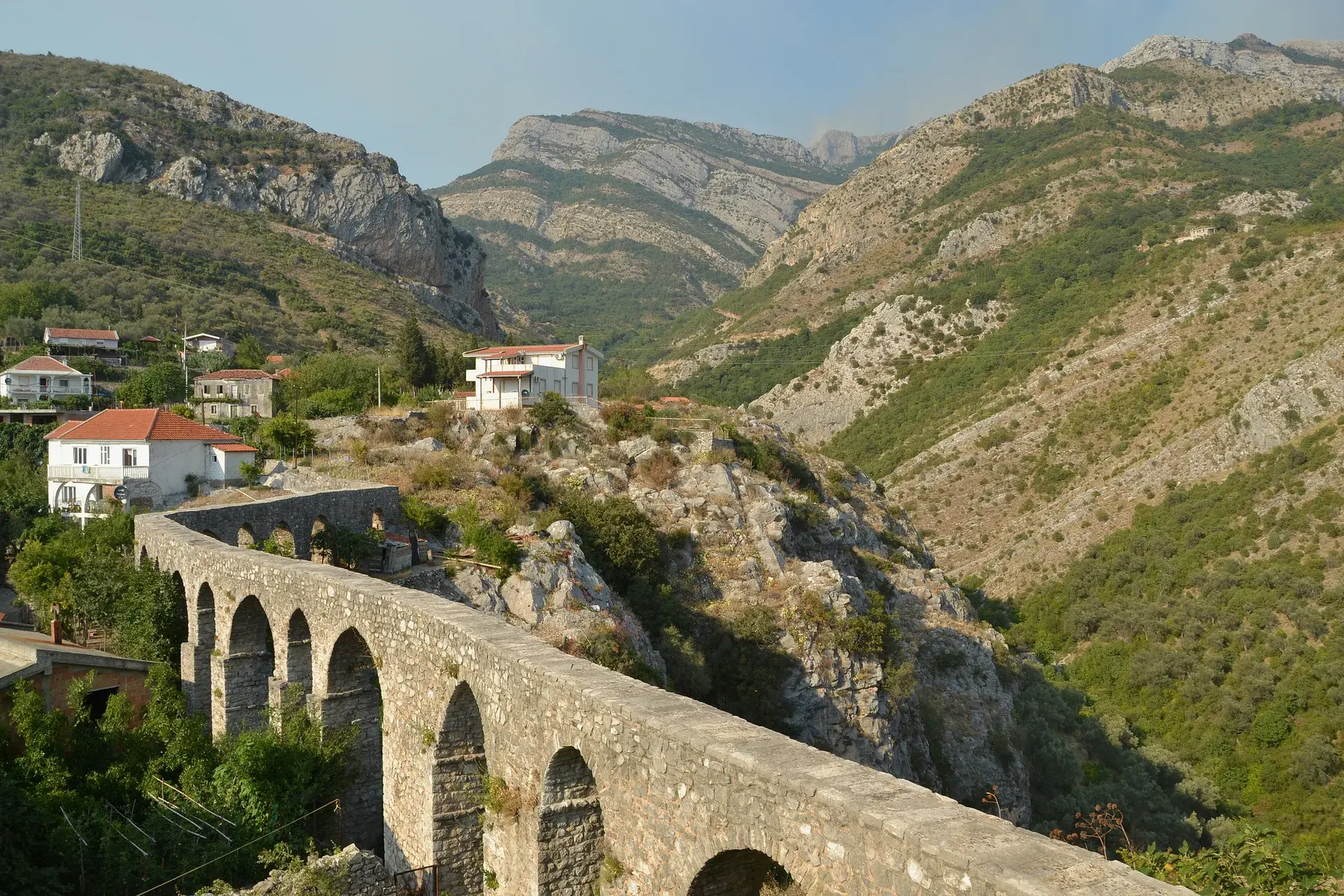
On the northern side of Stari Bar stands a remarkable testament to Ottoman engineering, the Stari Bar Aqueduct. This historic structure is the only remaining aqueduct in Montenegro and is considered one of the largest and best-preserved of the three that were in the former Yugoslavia. For centuries, it served as a vital lifeline, supplying water to the city.
Ottoman Construction and Design
Constructed during the Ottoman period, sometime between the 16th and 17th centuries, the aqueduct is a prime example of imperial engineering. Its foundation is attributed to a merchant named Zejnel-beg Averić. Built from broken and roughly hewn stone, the structure features seventeen large arches of varying widths, which are supported by eighteen massive pillars.
The aqueduct's primary function was to transport water from a spring on Mount Rumija, located about 3 kilometers away, to the town of Stari Bar. This was achieved through a channel on its upper surface, which contained a series of jointly connected stoneware pipes. Each pipe measured approximately 12 centimeters in diameter and 30 centimeters in length, meticulously fitted together to create a continuous flow.
A History of Destruction and Resilience
The aqueduct's history is marked by both conflict and natural disaster. After serving the city for 300 years, it became a strategic target in 1877. During a siege, local Montenegrin forces intentionally bombed the structure to cut off the water supply to the Ottoman-held town. This act was a key tactic that contributed to Montenegro reclaiming Bar from Ottoman rule. The aqueduct was subsequently repaired.
Centuries later, the structure faced complete destruction of a different kind. On April 15, 1979, a devastating earthquake struck the region, and the aqueduct was completely destroyed. However, demonstrating remarkable resilience, it was fully renovated following this event.
The Aqueduct Today
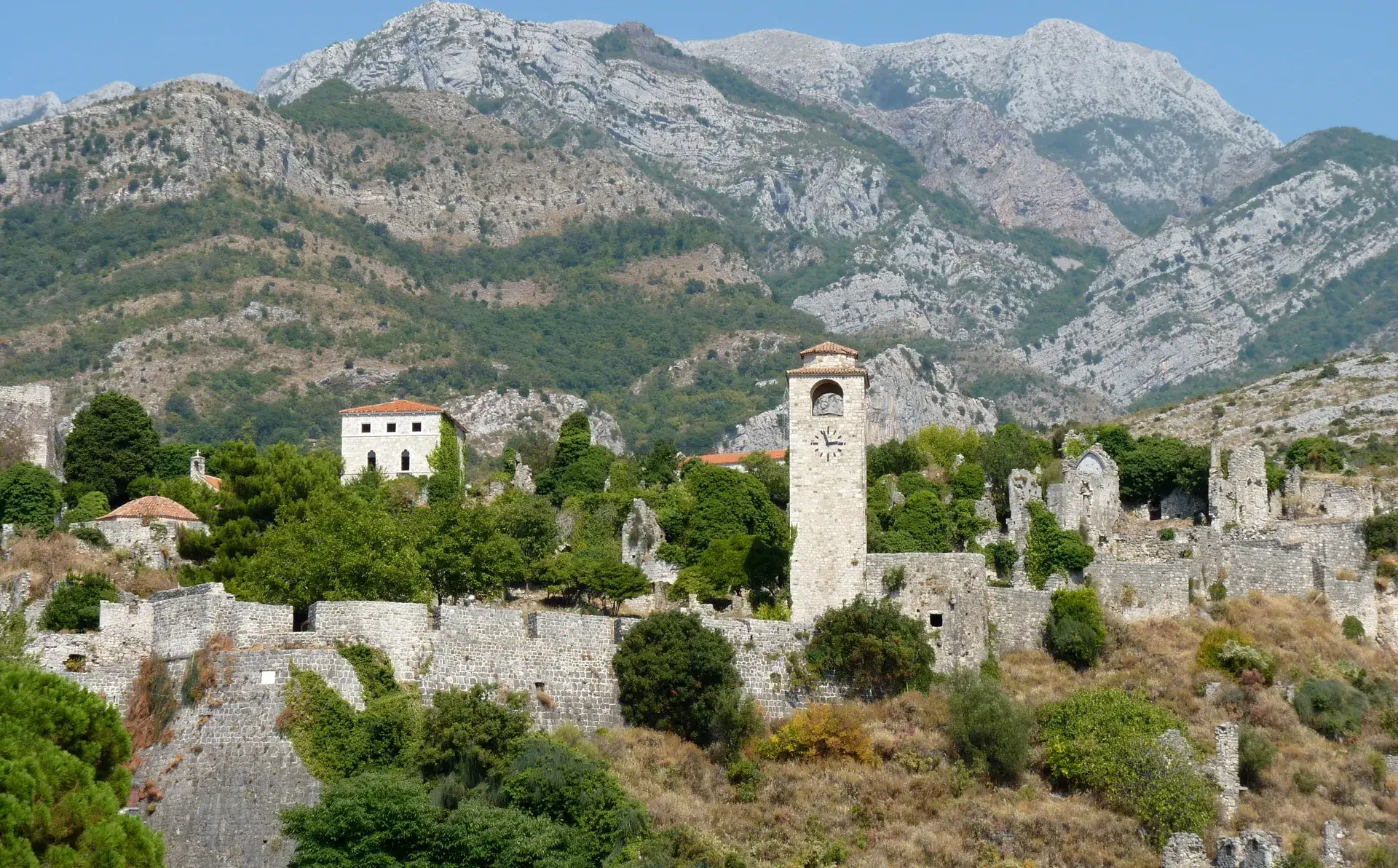
Following its most recent renovation, the Stari Bar Aqueduct stands fully restored. It remains functional and can still be used for its original purpose of water supply. Today, it is a significant tourist attraction, a prominent and impressive sight visible from the fortress walls of Stari Bar, embodying the region's layered history.
FAQ
When was the Stari Bar Aqueduct built?
The Stari Bar Aqueduct was constructed during the Ottoman period, with its origins dating to the 16th or 17th century. The merchant Zejnel-beg Averić is credited with its foundation.
Why is the Stari Bar Aqueduct historically significant?
Its significance lies in its unique status as Montenegro's only remaining aqueduct and its dramatic history. In 1877, it was bombed by Montenegrin forces to help reclaim the city from Ottoman rule. It was also completely destroyed by an earthquake in 1979 before being fully rebuilt.
Is the aqueduct still in use today?
Yes, after being completely renovated following the 1979 earthquake, the aqueduct is still functional and can be used for its original purpose of supplying water to the area.